LED Display Glass Ceramic Hot Plate
Glass ceramic hot plate with LED display providing temperature control from ambient to 550°C with 5°C increments and PT 1000 external sensor compatibility.

Louise Corscadden, PhD
Director of Science · ConductScience
Ask Louise about LED Display Glass Ceramic Hot Plate fit, setup, configuration, or quote prep.
Already working with us? Sign in to connect this with My Scientist.
Key Specifications
Full details →- Model fit
- Configured during quote
- SKU family
- CS-958371
- Shipping box
- 50.0 x 36.0 x 27.0 cm
- Ordering
- Online checkout and quote request available
- Category
- Benchtop Instruments
- Build notes
- Glass ceramic
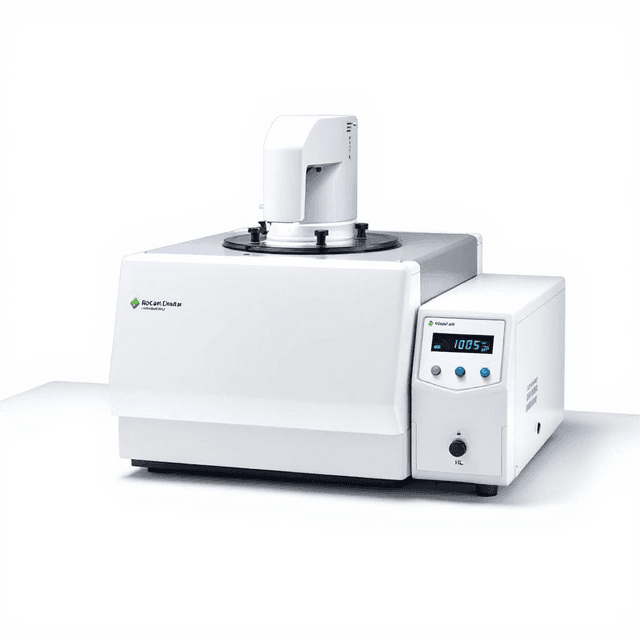
The LED Display Glass Ceramic Hot Plate (Model BB-HP550-S) provides precise thermal control for laboratory sample preparation and chemical reactions. The instrument features a 184×184mm glass ceramic heating surface that delivers chemical-resistant heat transfer with temperature control from ambient to 550°C in 5°C increments. Digital LED display enables direct temperature monitoring, while integrated safety circuits limit maximum temperature to 580°C.
External temperature sensing capability through PT 1000 sensor connection provides enhanced accuracy of ±0.5°C for applications requiring precise thermal control. The unit incorporates protective features including HOT warning indicators when surface temperature exceeds 50°C, even after shutdown. IP21 protection rating ensures safe operation in standard laboratory environments.
How It Works
The hot plate operates through resistive heating elements embedded within a glass ceramic surface that provides uniform heat distribution across the 184×184mm platform. Glass ceramic material offers superior thermal conductivity compared to traditional metal surfaces while maintaining chemical resistance to acids, bases, and organic solvents commonly used in laboratory applications.
Temperature control is achieved through electronic regulation circuits that monitor surface temperature via internal sensors. When external PT 1000 temperature sensors are connected, the control system switches to external sensing mode, providing enhanced accuracy of ±0.5°C compared to the standard ±10°C internal sensing. The LED display continuously shows set point and actual temperatures.
Integrated safety systems include dual-circuit temperature monitoring with fixed limit protection at 580°C and visual warning systems that activate when surface temperature exceeds 50°C. This multi-layer safety approach prevents thermal runaway while maintaining precise control during normal operations.
Features & Benefits
Model
- BB-HP550-S
Plate Size
- 184×184mm (7inch)
Heating Positions
- 1
Protection Warning Temperature
- 50°C
Protection Type
- IP21
Safety Temperature Limit
- 580°C
External Temperature Control
- PT 1000 sensor compatible
External Sensor Accuracy
- ±0.5°C
Temperature Increment
- 5°C
Automation Level
- manual
Material
- Glass ceramic
Temperature Range
- Room temp to 550°C
Accuracy
- ±10°C
- 5°C
Display Type
- LED
Research Domain
- Analytical Chemistry
- Environmental Monitoring
- Food Science
- Materials Science
- Microbiology
- Pharmaceutical QC
Shipping weight
- 7.0 lb
Shipping box
- L: 50.0 cm
- W: 36.0 cm
- H: 27.0 cm
| Feature | This Product | Typical Alternative | Advantage |
|---|---|---|---|
| Heating Surface Material | Glass ceramic construction | Aluminum or steel surfaces in entry-level models | Glass ceramic provides superior chemical resistance and uniform heat distribution compared to metal surfaces |
| Temperature Accuracy | ±0.5°C with external PT 1000 sensor | ±5-15°C accuracy in basic models | Enhanced accuracy enables precise thermal control for temperature-sensitive reactions and procedures |
| Maximum Temperature | 550°C operating range | Many models limited to 300-400°C | Higher temperature capability accommodates demanding applications like high-temperature digestion and thermal treatment |
| Safety Systems | Dual safety circuits with 580°C limit and HOT warning | Basic thermal fuses in lower-cost units | Multiple safety layers provide protection against overheating while maintaining precise operational control |
| Display Type | LED digital display | Analog dials or basic LCD displays | Digital display provides clear temperature reading and set point indication for accurate process monitoring |
| External Sensor Support | PT 1000 sensor compatibility | Internal sensing only in most models | External sensing enables direct sample temperature measurement rather than surface temperature estimation |
The BB-HP550-S combines glass ceramic heating technology with digital control and dual safety systems to provide precise thermal control up to 550°C. External PT 1000 sensor compatibility and enhanced accuracy specifications support demanding laboratory applications requiring precise temperature management.
Practical Tips
Verify temperature accuracy using a calibrated reference thermometer placed in thermal contact with the heating surface before critical procedures.
Why: Regular accuracy verification ensures reliable temperature control for quantitative procedures.
Clean the glass ceramic surface with appropriate solvents after each use and inspect for cracks or thermal stress damage.
Why: Surface contamination affects heat transfer efficiency and cracks compromise safety and performance.
Place containers in the center of the heating surface and use flat-bottomed glassware for optimal heat transfer.
Why: Centered placement ensures uniform heating and prevents thermal gradients that could affect reaction consistency.
Always monitor the HOT warning indicator and allow complete cool-down before handling or storing the unit.
Why: The glass ceramic surface retains heat longer than visible indicators might suggest, presenting burn hazards.
When using external PT 1000 sensors, ensure proper thermal contact with sample containers using thermal paste or clips.
Why: Poor thermal contact between sensor and container leads to temperature measurement errors and control instability.
If temperature control becomes unstable, verify power supply stability and check for electromagnetic interference from nearby equipment.
Why: Electronic temperature controllers are sensitive to power fluctuations and electromagnetic interference.
Gradually increase temperature for glass containers to prevent thermal shock, especially when heating from ambient to high temperatures.
Why: Rapid temperature changes can cause glass failure and sample loss due to thermal stress.
Setup Guide
What’s in the Box
- LED Display Glass Ceramic Hot Plate (Model BB-HP550-S)
- Power cord (typical)
- User manual and safety instructions (typical)
- PT 1000 temperature sensor connection cable (typical)
Warranty
ConductScience provides a standard one-year manufacturer warranty covering defects in materials and workmanship, with technical support for setup and operational guidance.
Compliance
What is the temperature uniformity across the heating surface?
Glass ceramic construction provides uniform heat distribution across the 184×184mm platform. Consult product datasheet for specific temperature uniformity specifications.
Can I use this hot plate with corrosive chemicals?
Yes, the glass ceramic surface provides chemical resistance to acids, bases, and organic solvents commonly used in laboratory applications.
How does external sensor connection improve accuracy?
PT 1000 external sensor connection improves temperature accuracy from ±10°C (internal sensing) to ±0.5°C by directly measuring sample container temperature rather than surface temperature.
What happens if the unit overheats?
Separate safety circuits limit maximum temperature to 580°C and provide automatic shutdown protection. HOT warning indicators remain active when surface exceeds 50°C.
Is the unit suitable for overnight heating applications?
The integrated safety systems including temperature limiting and warning indicators support extended operation, though specific duty cycle recommendations should be confirmed from product documentation.
What size containers can I use on this hot plate?
The 184×184mm (7-inch) heating surface accommodates standard laboratory glassware and containers that fit within these dimensions.
How quickly does the unit heat up and cool down?
Heating and cooling rates depend on thermal mass of the load and ambient conditions. Consult product datasheet for specific thermal response characteristics.
Have a question about this product?
Have a question? Just ask.
Send it over and we'll email you a personalized answer — no call, no scheduling.
Prefer to talk it through?