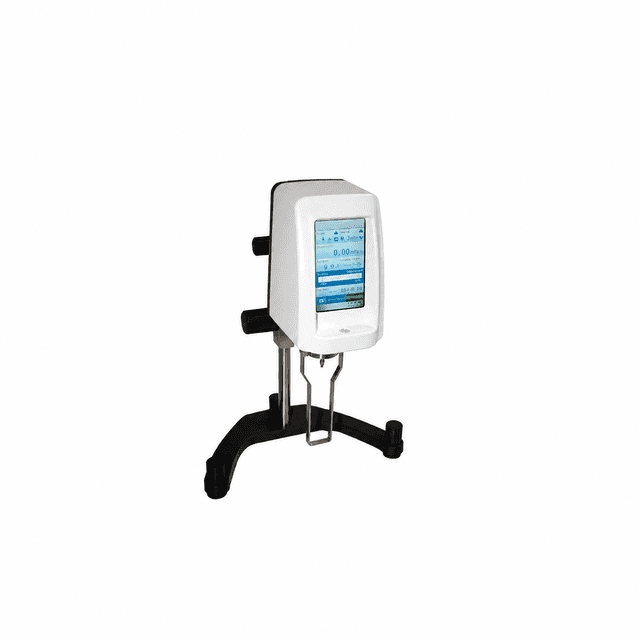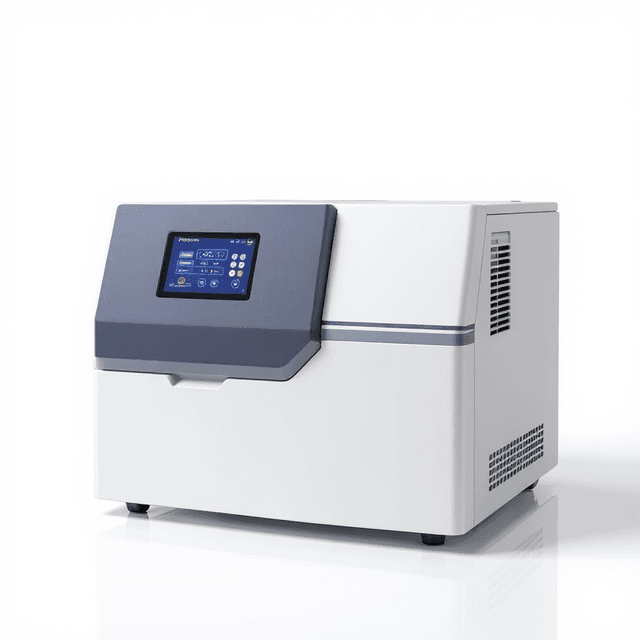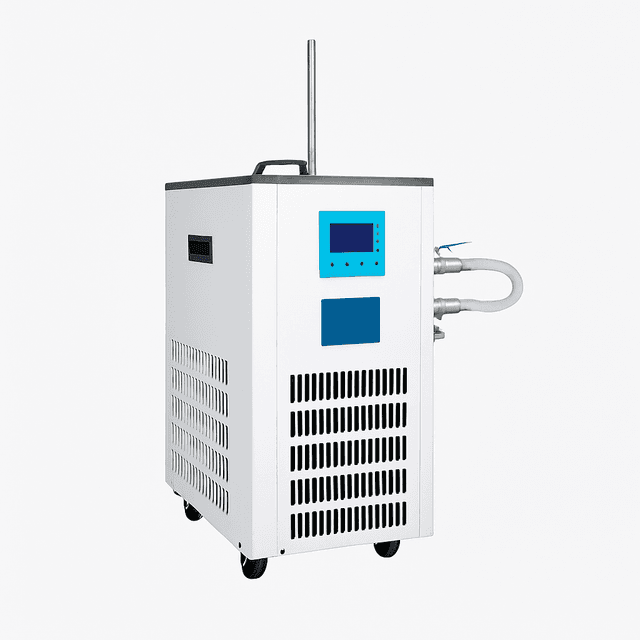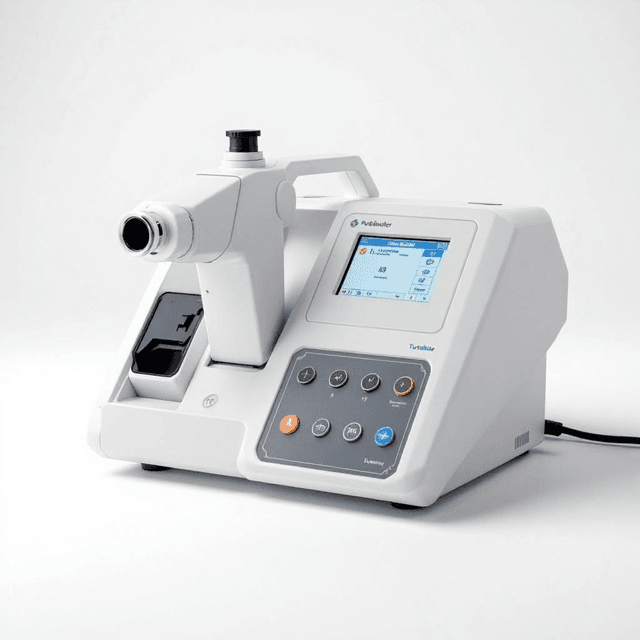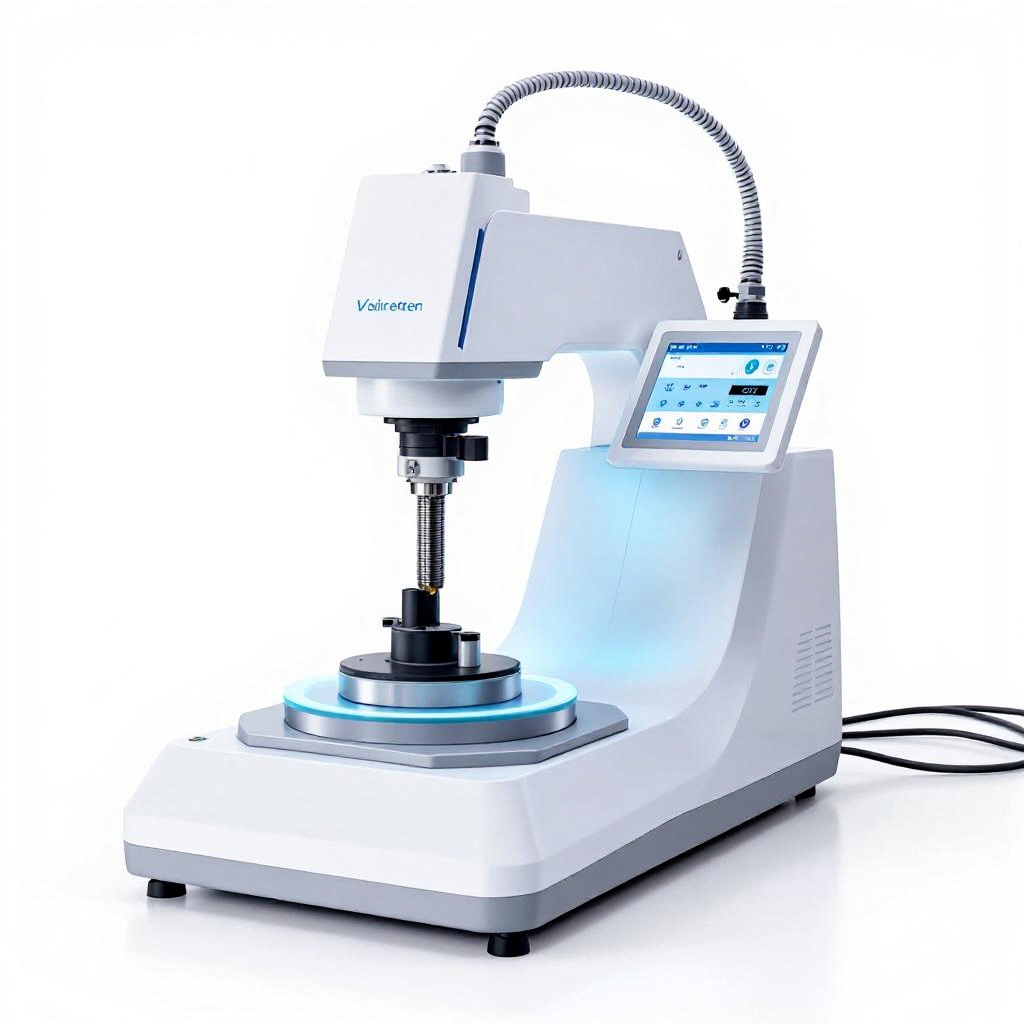
Digital Rotational Viscometer
Microprocessor-controlled digital rotational viscometer with programmable speeds, interchangeable spindles, and RS-232 data output for precision fluid viscosity measurement.

Louise Corscadden, PhD
Director of Science · ConductScience
Ask Louise about Digital Rotational Viscometer fit, setup, configuration, or quote prep.
Already working with us? Sign in to connect this with My Scientist.
Key Specifications
Full details →- Model fit
- Configured during quote
- SKU family
- BIO-BDV-1
- Shipping box
- 42.0 x 43.6 x 38.0 cm
- Ordering
- Online checkout and quote request available
- Category
- Analytical Instruments
- Build notes
- Confirm accessories, station layout, and support needs before purchase
The Digital Rotational Viscometer is a precision benchtop instrument designed for accurate viscosity measurement of fluids across diverse research and analytical applications. This microprocessor-controlled system employs rotational viscometry principles to determine dynamic viscosity through controlled spindle rotation and torque measurement. The instrument features programmable speed selection and auto-ranging capabilities to accommodate fluids with varying viscosity profiles.
The digital LCD display provides real-time viscosity readings with clear numerical output, while RS-232 data connectivity enables automated data logging and integration with laboratory information management systems. Multiple interchangeable spindles allow adaptation to different sample types and viscosity ranges, making this instrument suitable for rheological characterization in materials science, food science, pharmaceutical development, and quality control applications.
How It Works
Rotational viscometry operates on the principle that viscous drag force is proportional to both fluid viscosity and the rotational velocity of an immersed spindle. The Digital Rotational Viscometer measures the torque required to maintain constant spindle rotation at predetermined speeds. A calibrated motor rotates the spindle at controlled angular velocities while a torque sensor measures the resistance encountered due to viscous forces.
The microprocessor calculates dynamic viscosity using the relationship between measured torque, spindle geometry, rotational speed, and established calibration constants. Different spindle configurations provide specific shear rate ranges optimized for various fluid types. The auto-ranging feature automatically selects appropriate measurement parameters based on detected torque values, ensuring accurate readings across wide viscosity ranges.
Digital signal processing eliminates mechanical fluctuations and provides stable numerical output displayed on the LCD screen. The RS-232 interface transmits measurement data in real-time, enabling continuous monitoring and automated data collection for process control applications.
Features & Benefits
Automation Level
- semi-automated
Research Domain
- Analytical Chemistry
- Environmental Monitoring
- Food Science
- Industrial Hygiene
- Materials Science
- Pharmaceutical QC
Shipping weight
- 22.05 lb
Shipping box
- L: 42.0 cm
- W: 43.6 cm
- H: 38.0 cm
| Feature | This Product | Typical Alternative | Advantage |
|---|---|---|---|
| Speed Control | Programmable speed selection with microprocessor control | Manual speed adjustment or limited preset speeds | Enables precise shear rate studies and reduces measurement variability through consistent speed control. |
| Data Output | RS-232 digital data transmission | Manual reading from analog display | Eliminates transcription errors and enables real-time data logging for process monitoring applications. |
| Ranging System | Auto-ranging capability | Manual range selection required | Automatically optimizes measurement parameters reducing operator training requirements and measurement errors. |
| Display Technology | Digital LCD numerical display | Analog dial readouts | Provides precise numerical values with improved readability and eliminates interpolation between scale markings. |
This digital rotational viscometer combines microprocessor control with programmable speed selection and auto-ranging capabilities for precise viscosity measurement. The RS-232 data output and digital display provide enhanced accuracy and data management compared to manual analog instruments.
Practical Tips
Use certified viscosity standard fluids spanning your expected measurement range for calibration verification.
Why: Ensures accuracy across the full operating range rather than single-point calibration.
Clean spindles immediately after use with appropriate solvents to prevent sample contamination and ensure consistent geometry.
Why: Sample residue alters spindle geometry affecting torque measurements and viscosity calculations.
Allow samples to temperature equilibrate for at least 15 minutes before measurement and record temperature with each reading.
Why: Temperature gradients create measurement artifacts and viscosity is highly temperature-dependent.
If readings are unstable, check for air bubbles in sample and ensure spindle is not touching container walls.
Why: Air bubbles and wall effects create turbulent flow conditions that interfere with viscous drag measurements.
Take multiple readings at each speed setting and allow adequate time for reading stabilization before recording values.
Why: Improves measurement precision and identifies potential sample settling or temperature drift issues.
Use appropriate personal protective equipment when measuring hazardous or reactive fluids and ensure adequate ventilation.
Why: Prevents exposure to harmful vapors and maintains safe laboratory conditions during extended measurement sessions.
Document spindle selection, speed settings, and measurement conditions for each sample to ensure reproducible protocols.
Why: Enables method validation and troubleshooting while supporting regulatory documentation requirements.
Setup Guide
What’s in the Box
- Digital rotational viscometer main unit
- Interchangeable spindle set (typical)
- Power adapter and cable
- RS-232 data cable (typical)
- User manual and calibration certificate (typical)
- Sample containers and accessories (typical)
Warranty
ConductScience provides a one-year manufacturer warranty covering defects in materials and workmanship, with technical support for calibration procedures and operational guidance.
Compliance
What viscosity range can this instrument accurately measure?
Consult the product datasheet for specific viscosity range specifications, which vary based on spindle selection and rotational speed settings.
How do I select the appropriate spindle for my sample type?
Spindle selection depends on expected sample viscosity - lower viscosity fluids require smaller spindles while higher viscosity materials use larger spindles. Start with medium-range spindle and adjust based on torque readings.
What sample volume is required for accurate measurements?
Sample volume must ensure proper spindle immersion depth as specified in the user manual, typically requiring sufficient volume to avoid wall effects and maintain laminar flow conditions.
Can the instrument measure non-Newtonian fluids?
Yes, multiple rotation speeds enable characterization of shear-thinning and shear-thickening behaviors by measuring viscosity at different shear rates.
How frequently should calibration be performed?
Calibration verification using certified viscosity standards should be performed monthly or per laboratory quality protocols, with full calibration annually or when readings drift outside specifications.
What data formats are available through RS-232 output?
Consult technical documentation for specific data format specifications and communication protocols supported by the RS-232 interface.
How does temperature affect viscosity measurements?
Viscosity is highly temperature-dependent, so samples must be temperature-equilibrated and measured at consistent temperatures with environmental temperature recorded.
Have a question about this product?
Have a question? Just ask.
Send it over and we'll email you a personalized answer — no call, no scheduling.
Prefer to talk it through?