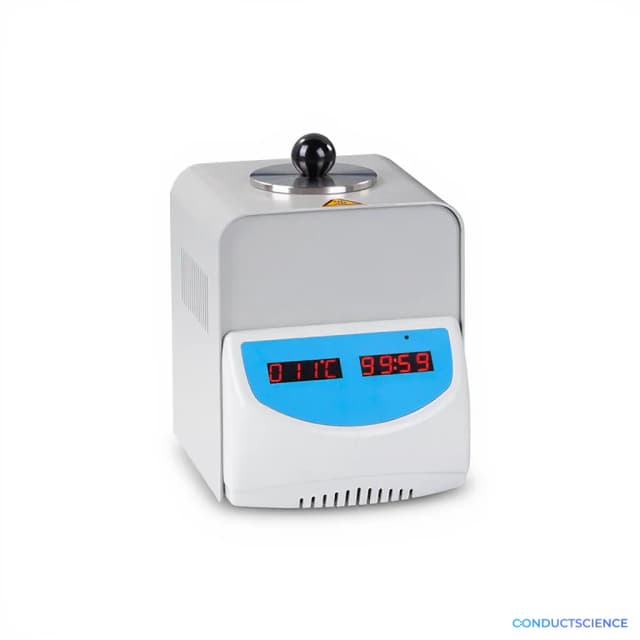
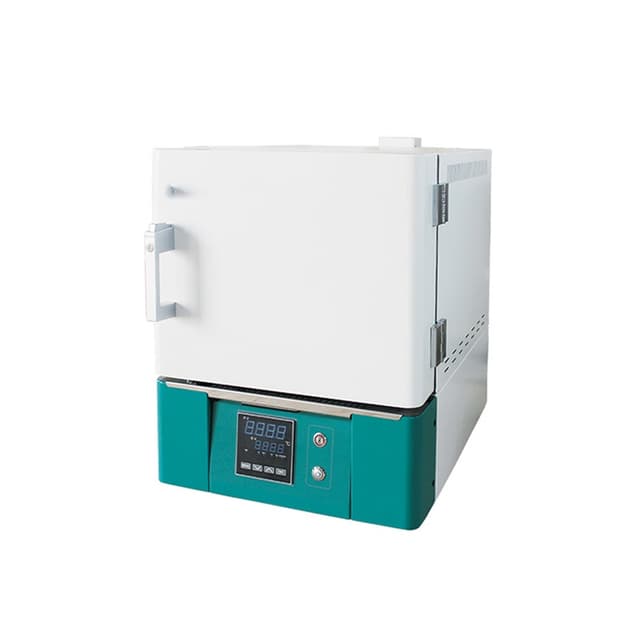
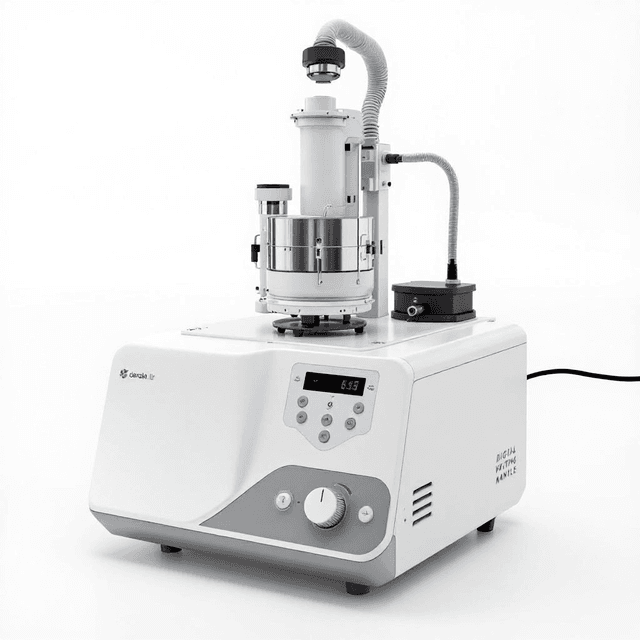
Glass Bead Sterilizer
Rapid dry heat sterilizer using 300°C glass beads for chemical-free sterilization of small instruments in 5-10 seconds.

Louise Corscadden, PhD
Director of Science · ConductScience
Ask Louise about Glass Bead Sterilizer fit, setup, configuration, or quote prep.
Already working with us? Sign in to connect this with My Scientist.
Key Specifications
Full details →- Model fit
- Configured during quote
- SKU family
- BIO-GBS-300
- Shipping box
- 42.0 x 43.6 x 38.0 cm
- Ordering
- Online checkout and quote request available
- Category
- Benchtop Instruments
- Build notes
- Confirm accessories, station layout, and support needs before purchase
The Glass Bead Sterilizer provides rapid, dry heat sterilization for small laboratory instruments using heated glass beads maintained at 300°C. This compact benchtop unit enables chemical-free sterilization of forceps, scissors, needles, and inoculation loops within 5-10 seconds of immersion. The small footprint design allows placement inside laminar flow hoods and biosafety cabinets for convenient access during aseptic procedures.
This sterilization method eliminates the need for chemical disinfectants or flame sterilization, reducing contamination risk and improving workflow efficiency in microbiology laboratories. The glass bead medium provides uniform heat transfer and maintains sterility between uses, making it suitable for repeated instrument sterilization during extended laboratory sessions.
How It Works
The glass bead sterilizer operates on the principle of dry heat sterilization through direct conduction. Glass beads are heated and maintained at 300°C in an insulated chamber, creating a uniform high-temperature environment. When instruments are inserted into the heated beads, thermal energy transfers rapidly through direct contact, achieving lethal temperatures throughout the instrument surface.
The 300°C operating temperature exceeds the thermal death point for vegetative bacteria, fungi, and most spores within the 5-10 second contact time. The glass bead medium provides consistent heat distribution and rapid thermal equilibration, ensuring reliable sterilization without the moisture or chemical residues associated with other methods. The beads retain heat between uses, allowing immediate sterilization without preheating delays.
Features & Benefits
Automation Level
- manual
Research Domain
- Cell Biology
- Clinical Diagnostics
- Environmental Monitoring
- Food Science
- Microbiology
- Pharmaceutical QC
Shipping weight
- 2.5 lb
Shipping box
- L: 42.0 cm
- W: 43.6 cm
- H: 38.0 cm
| Feature | This Product | Typical Alternative | Advantage |
|---|---|---|---|
| Sterilization Temperature | 300°C maximum operating temperature | Entry-level models often operate at 250-280°C | Higher temperature ensures more reliable kill rates for resistant organisms and reduces required contact time. |
| Cycle Time | 5-10 second sterilization cycle | Basic units may require 10-15 seconds | Faster turnover reduces procedure delays and improves laboratory workflow efficiency. |
| Compact Design | Designed for laminar flow hood placement | Larger units may not fit in biosafety cabinets | Hood compatibility enables sterile instrument handling without breaking aseptic technique. |
| Heat Transfer Medium | Glass bead heat transfer system | Some units use metal blocks or ceramic elements | Glass beads provide uniform heat distribution and easy instrument insertion compared to solid heating blocks. |
This Glass Bead Sterilizer combines 300°C operating temperature with rapid 5-10 second cycle times in a compact design suitable for biosafety cabinet installation. The glass bead heat transfer system provides reliable sterilization performance for small laboratory instruments.
Practical Tips
Verify temperature accuracy monthly using a calibrated thermometer probe inserted into the glass beads.
Why: Temperature verification ensures the unit maintains 300°C for effective sterilization performance.
Clean glass beads periodically by removing, washing with laboratory detergent, and thoroughly drying before reuse.
Why: Clean beads prevent accumulation of debris and maintain optimal heat transfer efficiency.
Preheat instruments by holding near the beads for 1-2 seconds before full immersion.
Why: Preheating reduces thermal shock and ensures more uniform heating throughout the instrument.
Use dedicated heat-resistant forceps for instrument handling and never reach into the beads with bare hands.
Why: 300°C temperature causes immediate burns and metal instruments retain heat after sterilization.
Allow sterilized instruments to cool for 10-15 seconds before contacting biological samples.
Why: Hot instruments can damage cells or create aerosols when contacting liquid cultures.
If temperature recovery is slow between uses, ensure glass beads are not overpacked and air circulation is adequate.
Why: Proper bead level and ventilation maintain consistent heating performance during continuous operation.
Document sterilization cycles in laboratory records, noting instrument type and contact time.
Why: Sterilization documentation supports quality control protocols and troubleshooting if contamination occurs.
Setup Guide
What’s in the Box
- Glass Bead Sterilizer main unit
- Glass beads for heat transfer medium
- Power cord
- User manual with operating instructions
- Safety guidelines documentation (typical)
Warranty
ConductScience provides a standard one-year manufacturer warranty covering defects in materials and workmanship. Technical support is available for installation, operation, and maintenance guidance throughout the warranty period.
Compliance
What types of instruments can be sterilized in the glass bead sterilizer?
The sterilizer accommodates small metal instruments including forceps, scissors, needles, inoculation loops, and similar tools. Instruments should fit within the bead chamber and withstand 300°C temperatures.
How long does it take to achieve sterilization?
Sterilization occurs within 5-10 seconds of full immersion in the heated glass beads at 300°C. The rapid cycle time enables efficient instrument turnover during procedures.
Can this sterilizer eliminate bacterial spores?
The 300°C dry heat temperature is effective against most vegetative bacteria, fungi, and many spores within the specified contact time. For critical spore elimination, consult product datasheet for specific organism kill data.
How often do the glass beads need replacement?
Glass beads have indefinite lifespan under normal use but should be replaced if they become contaminated or show signs of degradation. Regular cleaning protocols help maintain bead integrity.
Is the sterilizer suitable for use in biosafety cabinets?
Yes, the compact design specifically accommodates placement inside laminar flow hoods and biosafety cabinets for convenient access during aseptic procedures.
What safety precautions are needed during operation?
Use heat-resistant forceps for instrument handling, allow adequate cooling time before instrument use, and ensure proper ventilation around the unit. The external surfaces may become hot during operation.
How does this compare to chemical disinfection methods?
Glass bead sterilization eliminates chemical residues, provides faster cycle times, and requires no preparation of disinfectant solutions, making it more convenient for repeated use during extended procedures.
Have a question about this product?
Have a question? Just ask.
Send it over and we'll email you a personalized answer — no call, no scheduling.
Prefer to talk it through?
Accessories
Enhance your setup with compatible accessories