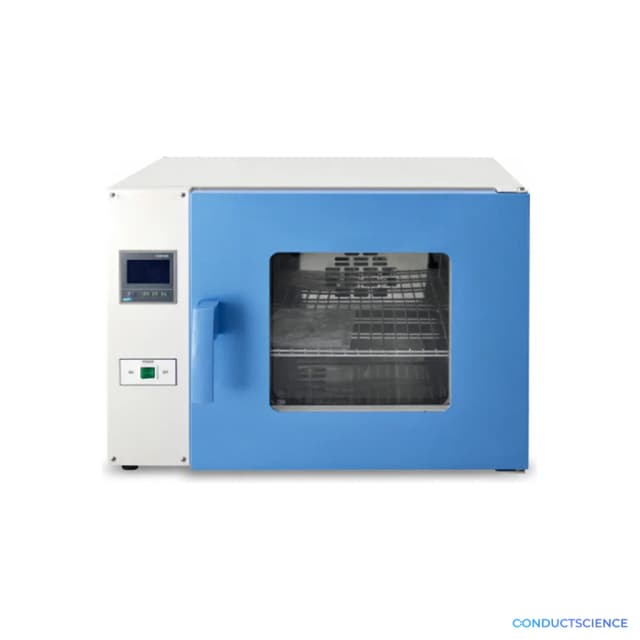
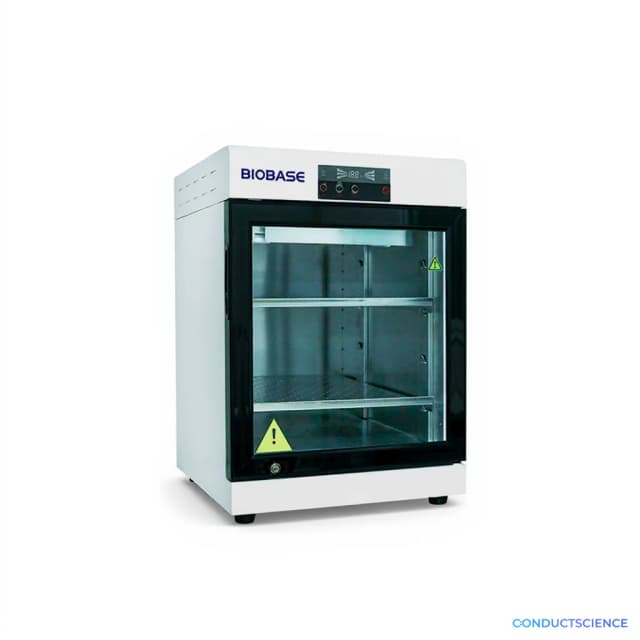
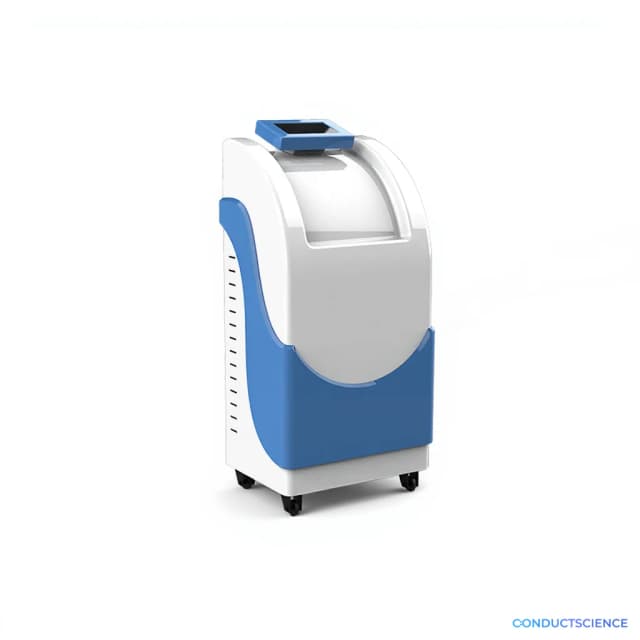
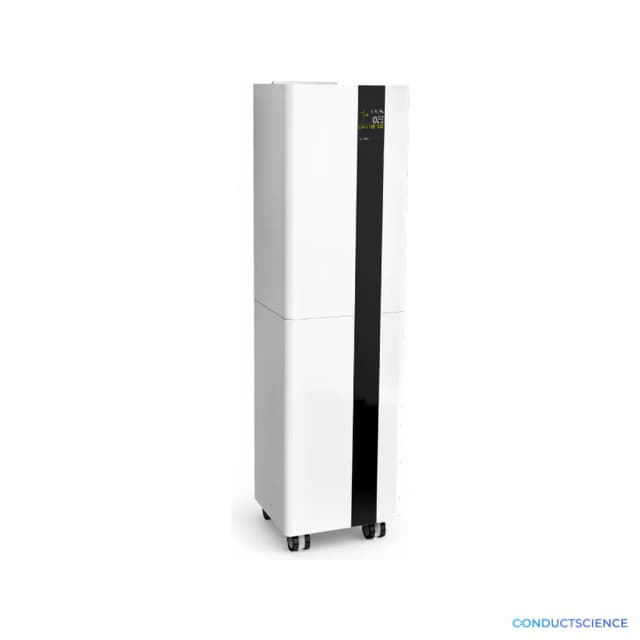
Glass Bead Sterilizer
Compact dry heat sterilizer using heated glass beads for rapid sterilization of small metal instruments and tools, with temperature control from 100°C to 300°C.

Louise Corscadden, PhD
Director of Science · ConductScience
Ask Louise about Glass Bead Sterilizer fit, setup, configuration, or quote prep.
Already working with us? Sign in to connect this with My Scientist.
Key Specifications
Full details →- Model fit
- Configured during quote
- SKU family
- BIO-0955
- Shipping box
- 18.9 x 17.6 x 13.5 cm
- Ordering
- Online checkout and quote request available
- Category
- Sterilizers
- Build notes
- Confirm accessories, station layout, and support needs before purchase
The Glass Bead Sterilizer provides dry heat sterilization for small laboratory instruments and tools using heated glass beads. This compact benchtop unit maintains temperatures from 100°C to 300°C with ±5°C accuracy, making it suitable for rapid sterilization of metal instruments, small glass items, and heat-resistant tools in research environments.
The 150g glass bead capacity and 40×80mm chamber accommodate common laboratory implements including forceps, scalpels, inoculating loops, and small dissection tools. With heating times of 25 minutes or less to reach maximum temperature and programmable timing from 1 minute to 99 hours 59 minutes, the unit supports both quick sterilization cycles and extended maintenance protocols.
How It Works
The Glass Bead Sterilizer operates on the principle of dry heat sterilization through direct contact with heated glass beads. The unit contains a temperature-controlled heating element that uniformly heats a bed of glass beads to the selected temperature. When instruments are inserted into the heated bead bed, thermal energy transfers directly from the beads to all exposed surfaces of the tool.
The glass beads provide several advantages over other dry heat methods: they conform to irregular instrument shapes, ensure complete surface contact, and maintain consistent temperature throughout the sterilization zone. The rapid heat transfer allows for shorter exposure times compared to hot air sterilization, while the controlled temperature prevents overheating that could damage delicate instruments.
Temperature precision of 1°C and accuracy of ±5°C ensure reproducible sterilization conditions. The programmable timer allows for standardized exposure periods based on specific sterilization protocols and instrument materials.
Features & Benefits
Shipping weight
- 2.5 lb
Shipping box
- L: 18.9 cm
- W: 17.6 cm
- H: 13.5 cm
| Feature | This Product | Typical Alternative | Advantage |
|---|---|---|---|
| Temperature Range | 100°C to 300°C | Many entry-level models limited to 250°C maximum | Higher maximum temperature ensures effective sterilization of heat-resistant spores and provides flexibility for various protocols |
| Temperature Accuracy | ±5°C | Basic models often provide ±10°C or wider tolerance | Tighter temperature control ensures consistent sterilization conditions and prevents instrument damage from overheating |
| Programming Flexibility | 1 minute to 99 hours 59 minutes plus continuous mode | Limited timer ranges or manual-only operation | Comprehensive timing options support both rapid sterilization and extended protocols with automated operation |
| Chamber Capacity | 150g glass beads in 40×80mm chamber | Smaller capacity models accommodate fewer instruments | Larger bead volume allows simultaneous sterilization of multiple instruments improving laboratory efficiency |
| Heating Performance | ≤25 minutes to reach 300°C | Longer heating times common in similar-sized units | Faster startup reduces waiting time between sterilization cycles and improves workflow productivity |
This glass bead sterilizer provides professional-grade temperature control and programming flexibility in a compact benchtop design. The combination of high maximum temperature, precise control, and rapid heating performance supports demanding laboratory sterilization requirements while maintaining space efficiency.
Practical Tips
Verify temperature accuracy monthly using a calibrated thermocouple placed within the bead bed at operating temperature.
Why: Temperature drift can compromise sterilization effectiveness and damage instruments through overheating.
Replace glass beads when they show discoloration, cracking, or accumulation of residues that cannot be cleaned.
Why: Degraded beads provide poor heat transfer and may harbor contaminants that compromise sterilization.
Preheat instruments to room temperature before insertion to minimize thermal shock and ensure even heating.
Why: Cold instruments can create temperature gradients that result in inadequate sterilization of some surfaces.
If heating time exceeds specifications, check for proper glass bead level and clean any debris from the heating chamber.
Why: Insufficient or contaminated beads reduce heat transfer efficiency and extend heating times.
Document temperature verification results and sterilization cycle parameters for quality assurance records.
Why: Temperature logs demonstrate consistent performance and support regulatory compliance in controlled environments.
Use heat-resistant forceps or tongs to insert and remove instruments from heated beads, never use bare hands.
Why: Direct contact with 300°C beads or instruments causes severe burns and poses significant safety risk.
Clean instruments thoroughly before sterilization to remove organic matter that could interfere with heat transfer.
Why: Residual debris acts as insulation and may prevent adequate temperature exposure of instrument surfaces.
Allow the unit to cool completely before moving or servicing to prevent thermal damage and ensure safe handling.
Why: Hot components retain heat long after power shutdown and can cause burns or equipment damage if handled prematurely.
Setup Guide
What’s in the Box
- Glass Bead Sterilizer main unit
- Glass beads (150g)
- Power cord
- User manual (typical)
- Warranty documentation (typical)
Warranty
ConductScience provides a standard one-year manufacturer warranty covering defects in materials and workmanship. Technical support is available for setup, operation, and troubleshooting throughout the warranty period.
Compliance
What types of instruments can be safely sterilized in glass beads?
Metal instruments such as forceps, scalpels, inoculating loops, and small scissors are ideal. Avoid plastic items, electronics, or materials that may degrade at temperatures up to 300°C. Instruments should be clean and dry before sterilization.
How long should instruments remain in the heated beads for effective sterilization?
Sterilization time depends on temperature and contamination level. Typical protocols range from 10-15 seconds at 300°C for vegetative bacteria to several minutes for spore-forming organisms. Consult relevant sterilization standards for specific time-temperature relationships.
How frequently should the glass beads be replaced or cleaned?
Glass beads should be replaced when they become discolored, contaminated, or show signs of degradation. In routine use, replacement every 3-6 months maintains optimal performance. Clean beads periodically by removing and washing with laboratory detergent.
Can the unit operate continuously for extended periods?
Yes, the timer supports continuous operation mode (∞) and extended programming up to 99 hours 59 minutes. The 120W power consumption allows for continuous operation without overheating concerns.
What temperature verification methods should be used?
Use calibrated thermocouples or temperature probes placed within the bead bed to verify actual temperature. The unit's ±5°C accuracy should be confirmed periodically with traceable temperature standards for quality assurance.
How does this compare to autoclave sterilization?
Glass bead sterilization is faster for small metal instruments but limited to heat-resistant items. Autoclaves handle larger items and heat-sensitive materials but require longer cycles. Bead sterilizers excel for rapid instrument turnover during active procedures.
What safety precautions are necessary during operation?
Heated beads and instruments reach temperatures up to 300°C. Use appropriate heat-resistant gloves or forceps when inserting/removing items. Ensure adequate ventilation and keep flammable materials away from the unit during operation.
Have a question about this product?
Have a question? Just ask.
Send it over and we'll email you a personalized answer — no call, no scheduling.
Prefer to talk it through?