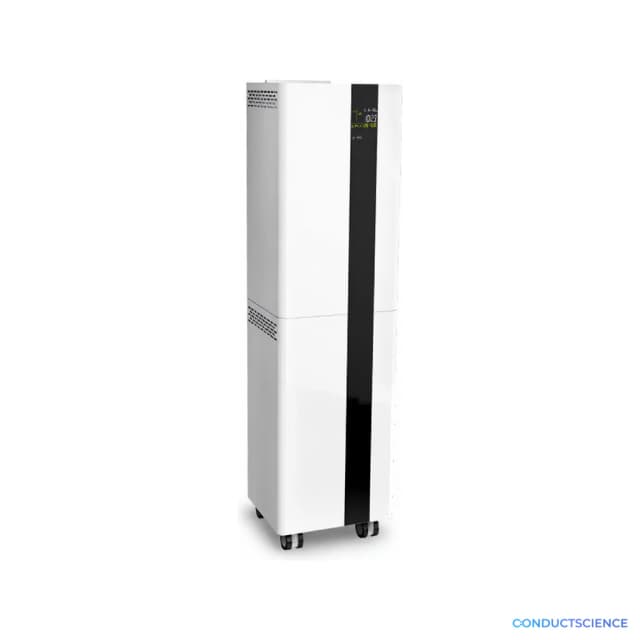
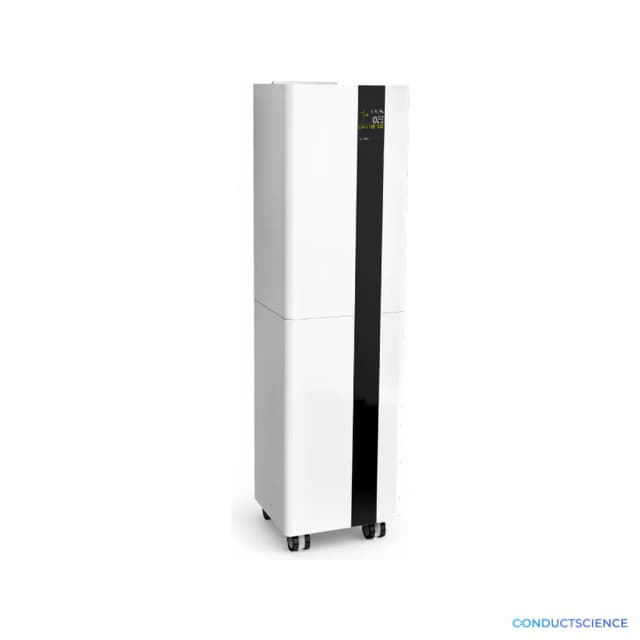
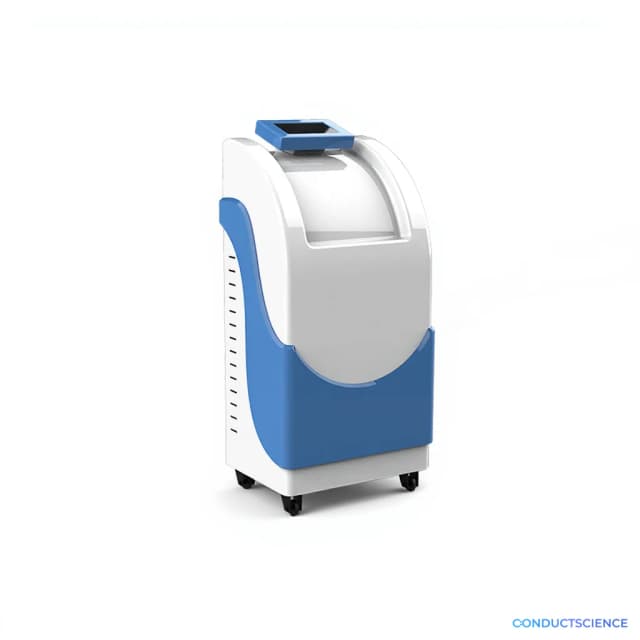
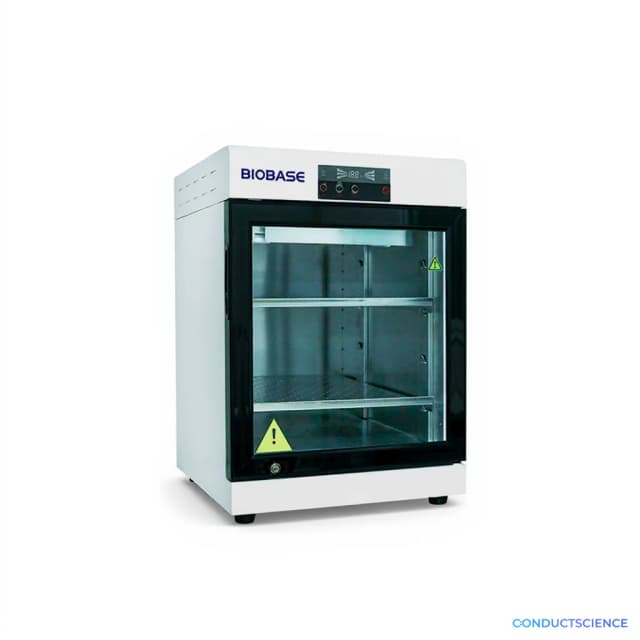
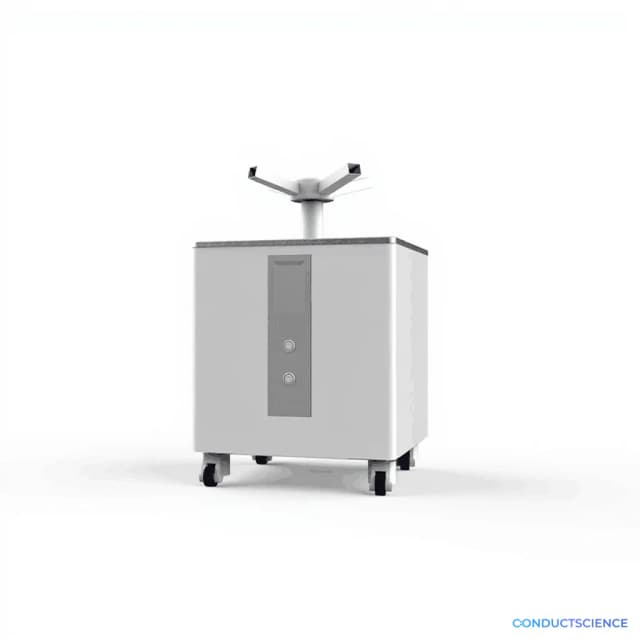
135L / 225L EO Autoclave Sterilizer
Ethylene oxide sterilization autoclaves in 135L and 225L configurations for heat-sensitive laboratory equipment and medical devices requiring low-temperature sterilization.

Louise Corscadden, PhD
Director of Science · ConductScience
Ask Louise about 135L / 225L EO Autoclave Sterilizer fit, setup, configuration, or quote prep.
Already working with us? Sign in to connect this with My Scientist.
Key Specifications
Full details →- Model fit
- Configured during quote
- SKU family
- BIO-0162
- Shipping box
- 29.53 x 17.72 x 15.75 cm
- Ordering
- Online checkout and quote request available
- Category
- Sterilizers
- Build notes
- Confirm accessories, station layout, and support needs before purchase
The 135L/225L EO Sterile Sterilizing Autoclave provides ethylene oxide (EO) sterilization for heat-sensitive medical devices and laboratory equipment. Available in two chamber capacities, these autoclaves utilize ethylene oxide gas to achieve sterilization while maintaining low operating temperatures, making them suitable for thermolabile materials that cannot withstand conventional steam sterilization. The units feature dual-capacity configurations with chamber volumes of 135L and 225L, accommodating different throughput requirements.
The sterilization process employs ethylene oxide gas penetration through packaging materials and direct contact with microbial cells, disrupting cellular proteins and DNA through alkylation reactions. Temperature and humidity control systems maintain optimal conditions for gas efficacy while preserving material integrity. The autoclave systems include automated cycle programming, environmental monitoring, and safety protocols for handling ethylene oxide gas in laboratory environments.
How It Works
Ethylene oxide sterilization operates through alkylation of cellular proteins, enzymes, and nucleic acids in microorganisms. The EO gas molecules react with amino, carboxyl, sulfhydryl, and hydroxyl groups in microbial cells, disrupting essential cellular functions and preventing reproduction. This chemical sterilization mechanism is effective against bacteria, viruses, fungi, and spores at temperatures between 37-63°C, significantly lower than steam sterilization requirements.
The sterilization cycle consists of four phases: preconditioning, sterilization, degassing, and aeration. During preconditioning, the chamber is heated and humidified to optimize gas penetration. EO gas is then introduced under controlled pressure and temperature conditions. The degassing phase removes residual EO from the chamber and load materials, while final aeration ensures complete gas removal to safe levels. Chamber monitoring systems track temperature, pressure, humidity, and gas concentration throughout the cycle.
Gas circulation systems ensure uniform distribution throughout the chamber volume, while filtration systems capture and neutralize EO emissions. Safety interlocks prevent chamber opening during active cycles and monitor for gas leaks in the surrounding environment.
Features & Benefits
Automation Level
- semi-automated
BKEO2C-135
- BKEO2C-225
750*450*400
- 1250*450*400
950*860*1730
- 1450*860*1730
135
- 225
3.5kW
- 4.5kW
300
- 400
350
- 450
Z-100
- V-170
Brand
- ConductScience
Research Domain
- Clinical Diagnostics
- Materials Science
- Microbiology
- Pharmaceutical QC
Shipping weight
- 63.21 lb
Shipping box
- L: 29.53 cm
- W: 17.72 cm
- H: 15.75 cm
| Feature | This Product | Typical Alternative | Advantage |
|---|---|---|---|
| Chamber Capacity Options | 135L and 225L chamber volumes | Entry-level models often provide single chamber sizes or smaller capacity ranges | Allows laboratories to select appropriate capacity based on throughput requirements without oversizing equipment. |
| Power Configuration | 3.5kW and 4.5kW heating systems matched to chamber size | Standard models may use fixed power ratings regardless of chamber size | Optimized heating capacity ensures efficient cycle times while minimizing energy consumption. |
| Pressure Ratings | Working pressures of 300-400kPa with maximum ratings of 350-450kPa | Basic units often operate at lower pressure ranges | Higher pressure capability enhances gas penetration into dense loads and complex packaging. |
| Chamber Dimensions | 750×450×400mm (135L) and 1250×450×400mm (225L) | Compact models typically offer limited depth for larger items | Extended chamber depth accommodates longer instruments and equipment that require sterilization. |
The dual-capacity configuration provides flexibility for laboratories with varying throughput needs. Power-matched heating systems and optimized pressure ratings support efficient sterilization cycles for both chamber sizes. Extended chamber dimensions accommodate a wider range of laboratory equipment compared to compact EO sterilizers.
Practical Tips
Calibrate temperature, pressure, and humidity sensors monthly using certified reference standards traceable to national standards.
Why: Accurate sensor calibration ensures consistent sterilization conditions and supports process validation requirements.
Replace gas filters and check gas line connections for leaks during routine maintenance intervals.
Why: Filter integrity prevents contamination while leak-free connections ensure operator safety and process reliability.
Package items in EO-permeable materials with adequate spacing to allow gas circulation around all surfaces.
Why: Proper packaging and load configuration ensures complete gas contact with all items requiring sterilization.
Test gas detection systems and emergency shutoff valves before each operating session.
Why: Functional safety systems prevent EO exposure and provide immediate response capability in emergency situations.
Record cycle parameters including temperature, pressure, humidity, and gas concentration for each sterilization run.
Why: Complete documentation supports process validation and provides traceability for sterilized items.
Monitor aeration phase completion before removing loads to ensure EO residuals are below safe handling levels.
Why: Incomplete aeration can result in EO residues that pose health risks and may affect material properties.
Rotate biological indicator placement throughout the chamber for comprehensive validation coverage.
Why: Multiple indicator locations verify uniform sterilization conditions across the entire chamber volume.
Clean chamber surfaces regularly with compatible solvents to remove residue buildup from repeated cycles.
Why: Clean chamber surfaces prevent contamination and maintain optimal gas distribution patterns.
Setup Guide
What’s in the Box
- Sterilization chamber assembly (typical)
- Control system and display panel (typical)
- Gas circulation system (typical)
- Temperature and pressure monitoring sensors (typical)
- Safety interlock systems (typical)
- Installation hardware and fittings (typical)
- User manual and operating procedures (typical)
- Validation documentation templates (typical)
Warranty
ConductScience provides a standard one-year manufacturer warranty covering parts and technical support. Extended service agreements are available for ongoing maintenance and calibration services.
Compliance
What temperature range is used during the sterilization cycle?
EO sterilization typically operates at 37-63°C, significantly lower than steam sterilization, making it suitable for heat-sensitive materials. Consult product datasheet for specific temperature control ranges.
How long does a complete sterilization cycle take?
Cycle time varies based on load composition, packaging, and aeration requirements. Total cycle including preconditioning, sterilization, degassing, and aeration typically ranges from 12-24 hours. Consult product documentation for specific cycle parameters.
What materials are compatible with EO sterilization?
EO is suitable for most plastics, electronics, rubber, and composite materials that cannot withstand high-temperature steam sterilization. Materials must be permeable to EO gas or have exposed surfaces for direct contact.
What safety considerations apply to EO sterilization?
EO is a hazardous gas requiring proper ventilation, gas detection systems, and operator training. The unit includes safety interlocks and monitoring systems, but facility ventilation and emergency procedures are essential.
How is sterilization efficacy validated?
Validation uses biological indicators (typically Bacillus atrophaeus spores) and chemical integrators placed throughout the load. Process validation requires demonstration of 6-log reduction in microbial populations.
What are the facility requirements for installation?
Installation requires adequate ventilation for EO emissions, compressed air supply, electrical power matching unit specifications, and designated gas storage areas with appropriate safety monitoring systems.
How does chamber capacity affect throughput?
The 135L model accommodates smaller laboratory loads while the 225L version handles larger batches. Chamber utilization should maintain proper gas circulation - typically 80-85% maximum loading for optimal sterilization.
What maintenance is required for reliable operation?
Regular maintenance includes sensor calibration, gas line leak testing, filter replacement, and validation of safety systems. Preventive maintenance schedules depend on usage frequency and facility requirements.
Have a question about this product?
Have a question? Just ask.
Send it over and we'll email you a personalized answer — no call, no scheduling.
Prefer to talk it through?
Accessories
Enhance your setup with compatible accessories