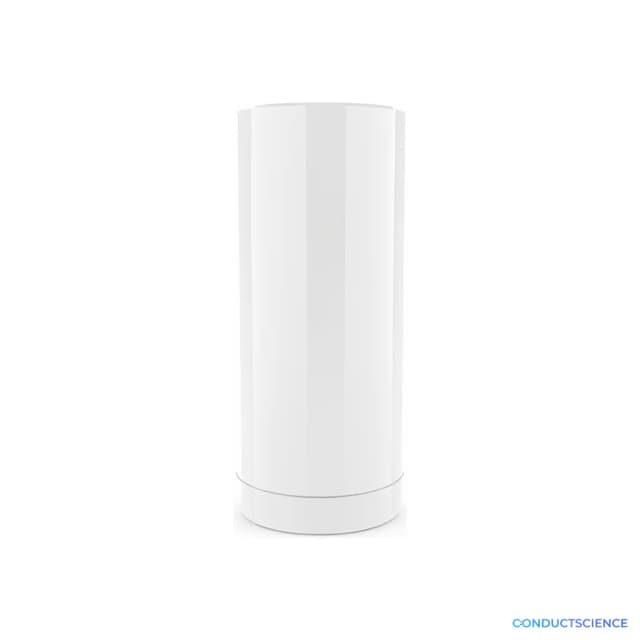
Hydrogen Peroxide Sterilizer
Laboratory hydrogen peroxide sterilizer generating 1-micrometer H₂O₂ aerosol particles for surface and air disinfection with >99.99% microbial kill rate.

Louise Corscadden, PhD
Director of Science · ConductScience
Ask Louise about Hydrogen Peroxide Sterilizer fit, setup, configuration, or quote prep.
Already working with us? Sign in to connect this with My Scientist.
Key Specifications
Full details →- Model fit
- Configured during quote
- SKU family
- BIO-0157
- Shipping box
- 34.6 x 45.2 x 25.6 cm
- Ordering
- Online checkout and quote request available
- Category
- Sterilizers
- Build notes
- Confirm accessories, station layout, and support needs before purchase
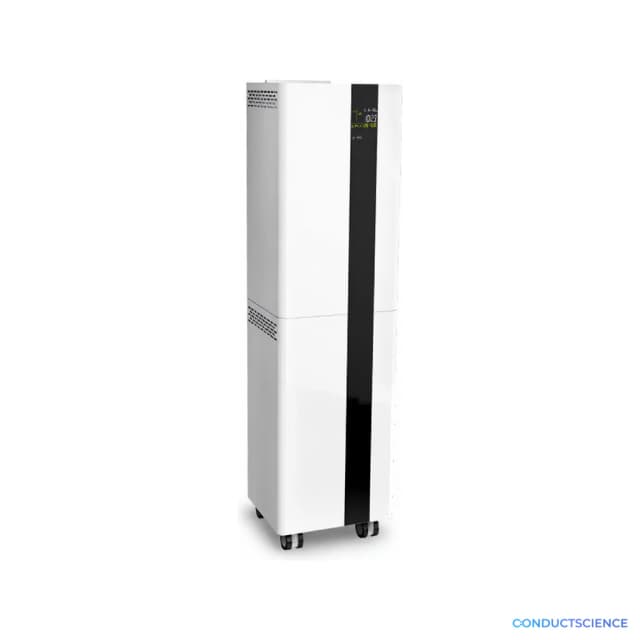
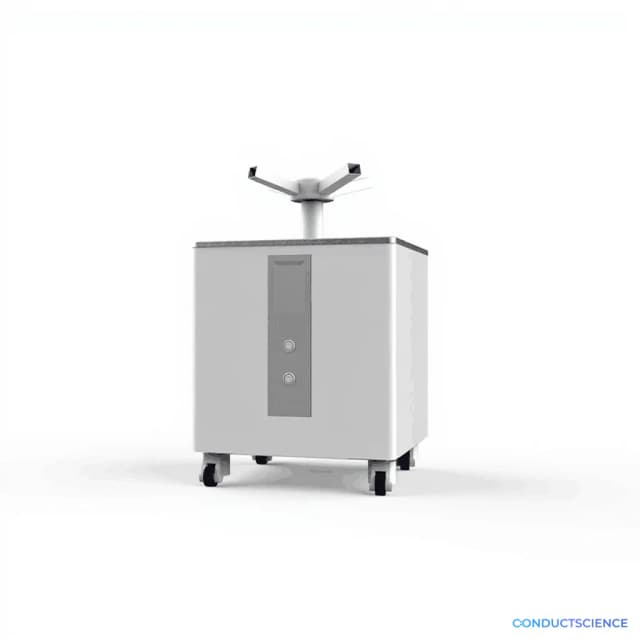
The Hydrogen Peroxide Sterilizer is a laboratory-grade disinfection system that generates fine hydrogen peroxide aerosol for surface and air sterilization in research environments. The system atomizes 7.5% (w/w) H₂O₂ solution into 1-micrometer particles, delivering controlled concentrations up to 188.4 mg/m³ for comprehensive microbial inactivation.
Equipped with a 4.3-inch touch screen interface, the unit provides precise control over 60-minute sterilization cycles with one-way mist discharge at 15-18 ml/min spray volume. The system demonstrates >99.99% sterilization efficacy against Staphylococcus albus and >90% natural bacteria extinction rate, making it suitable for decontamination protocols in laboratory and cleanroom environments where chemical sterilization is required.
How It Works
The sterilizer operates through aerosol nebulization technology, where 7.5% hydrogen peroxide solution is atomized into fine aerosol particles averaging 1 micrometer in diameter. The atomization process creates an aerosol distribution throughout the treatment space, ensuring contact with all exposed surfaces and airborne microorganisms.
Hydrogen peroxide acts as a broad-spectrum antimicrobial agent through oxidative mechanisms, generating hydroxyl radicals that damage microbial cell walls, proteins, and nucleic acids. The fine particle size ensures deep penetration into surface irregularities and equipment crevices while maintaining sufficient suspension time for effective air disinfection. The system maintains controlled concentration levels up to 188.4 mg/m³ during the 60-minute cycle duration.
Following the sterilization phase, hydrogen peroxide naturally decomposes into water vapor and oxygen, leaving no toxic residues. The one-way discharge system prevents recirculation of untreated air, ensuring consistent sterilant distribution throughout the treatment area.
Features & Benefits
Automation Level
- semi-automated
Concentration Range
- 7.5%(W/W) H₂O₂ disinfectant, 0~188.4mg/m³
Atomized Particle Size
- 1μm on average
Volume of Spray
- 15~18ml/min
Mist Discharge Mode
- One-way discharge mist
Working Time
- 60min
Stock Solution Volume
- 1L
Natural Bacteria Extinction Rate
- >90%, wooden countertop extinction log>1
Sterilization Rate of White Staphylococcus Albus
- >99.99%
Consumption
- 1300W
External Size(W*D*H)
- 452*256*346mm
Package Size(W*D*H)
- 600*326*386mm
Brand
- ConductScience
Research Domain
- Cell Biology
- Clinical Diagnostics
- Environmental Monitoring
- Food Science
- Microbiology
- Pharmaceutical QC
Display Type
- 4.3-inch touch screen
Weight
- 13kg
Shipping weight
- 10.5 lb
Shipping box
- L: 34.6 cm
- W: 45.2 cm
- H: 25.6 cm
| Feature | This Product | Typical Alternative | Advantage |
|---|---|---|---|
| Particle Size Control | 1-micrometer average atomized particles | Basic units often produce larger particles with less uniform distribution | Smaller particles provide better penetration and longer suspension time for comprehensive sterilization coverage. |
| Touch Screen Interface | 4.3-inch touch screen with cycle control | Entry-level models typically use basic button controls or simple displays | Intuitive operation enables precise parameter adjustment and real-time monitoring of sterilization progress. |
| Solution Capacity | 1-liter tank for extended operation | Smaller units often have 0.5L or smaller reservoirs | Larger capacity supports longer cycles and multiple treatments without interruption for refilling. |
| Validated Kill Rates | >99.99% against Staphylococcus albus, >90% natural bacteria extinction | Performance specifications vary by model and testing protocols | Documented antimicrobial efficacy provides confidence in sterilization outcomes for critical applications. |
| Concentration Control | Adjustable output from 0-188.4 mg/m³ with 7.5% H₂O₂ | Fixed output systems offer limited concentration adjustment | Variable concentration allows optimization for different space volumes and contamination levels. |
| Cycle Duration | Up to 60-minute programmable cycles | Basic models often limited to shorter fixed cycles | Extended cycle capability ensures thorough sterilization of resistant organisms and complex surfaces. |
This hydrogen peroxide sterilizer combines precise particle size control, intuitive touch screen operation, and validated antimicrobial performance with flexible concentration adjustment and extended cycle capabilities. The 1-liter capacity and documented kill rates provide reliable sterilization for demanding laboratory applications.
Practical Tips
Verify spray volume output periodically using graduated collection containers during test cycles.
Why: Ensures consistent sterilant delivery rates and validates system performance over time.
Clean atomization components with distilled water after every 10-15 cycles to prevent mineral buildup.
Why: Maintains optimal particle size distribution and prevents clogging of spray mechanisms.
Pre-clean surfaces of organic debris before sterilization as organic matter can consume hydrogen peroxide.
Why: Maximizes sterilant availability for microbial kill and improves overall treatment efficacy.
Use hydrogen peroxide detection strips or monitors to verify safe re-entry levels after treatment cycles.
Why: Prevents personnel exposure to residual vapor and ensures workplace safety compliance.
Document cycle parameters, solution concentration, and environmental conditions for each sterilization event.
Why: Provides traceability for validation studies and troubleshooting of sterilization failures.
If mist output appears reduced, check solution level and inspect atomizer for blockages or wear.
Why: Maintains consistent sterilant distribution and prevents incomplete treatment cycles.
Position unit to ensure mist circulation throughout treatment area without direct impingement on sensitive equipment.
Why: Optimizes vapor distribution while protecting delicate instruments from moisture exposure.
Store unused hydrogen peroxide solution in original containers away from light and heat sources.
Why: Prevents degradation of sterilant solution and maintains consistent treatment performance.
Setup Guide
What’s in the Box
- Hydrogen peroxide sterilizer main unit
- Power cord and adapter
- User manual and operation guide
- Solution tank with fill indicators
- Touch screen interface (integrated)
- Safety documentation and material safety data sheet (typical)
Warranty
ConductScience provides a standard one-year manufacturer warranty covering defects in materials and workmanship, with technical support for operation and maintenance guidance.
Compliance
What hydrogen peroxide concentration should be used with this system?
The system is designed for 7.5% (w/w) hydrogen peroxide solution. Using higher or lower concentrations may affect sterilization efficacy and could damage system components. Always use laboratory-grade H₂O₂ appropriate for sterilization applications.
How do I determine the appropriate cycle time for my application?
Cycle time depends on space volume, target organisms, and surface materials. Start with manufacturer recommendations and validate efficacy using biological indicators or surface sampling. The system supports up to 60-minute cycles with concentration monitoring.
Can this system sterilize enclosed equipment or just open surfaces?
The one-way mist discharge is designed for area sterilization including both surfaces and air. For enclosed equipment, ensure adequate mist penetration and consider equipment compatibility with hydrogen peroxide vapor.
What safety precautions are required during operation?
Ensure proper ventilation, exclude personnel from treatment area during cycles, and monitor H₂O₂ levels. Allow complete dissipation before re-entry. Consult material safety data sheets for hydrogen peroxide handling protocols.
How frequently should the system be maintained or calibrated?
Regular maintenance includes cleaning atomization components and verifying spray volume output. Calibration frequency depends on usage intensity and regulatory requirements. Consult product datasheet for specific maintenance intervals.
Is this system suitable for cleanroom applications?
The system can be used for cleanroom decontamination protocols, but verify compatibility with cleanroom classification requirements and coordinate with facility ventilation systems. Consider particle generation during operation.
What materials are compatible with hydrogen peroxide vapor?
Most laboratory plastics, stainless steel, and glass are compatible. Avoid copper, brass, and other metals that catalyze H₂O₂ decomposition. Test material compatibility before treating sensitive equipment.
How does this compare to UV or autoclave sterilization?
Hydrogen peroxide vapor provides room-temperature sterilization of both surfaces and air without the material limitations of autoclave heat or UV shadowing effects. However, cycle times are longer than UV and may require ventilation time post-treatment.
Have a question about this product?
Have a question? Just ask.
Send it over and we'll email you a personalized answer — no call, no scheduling.
Prefer to talk it through?
Accessories
Enhance your setup with compatible accessories