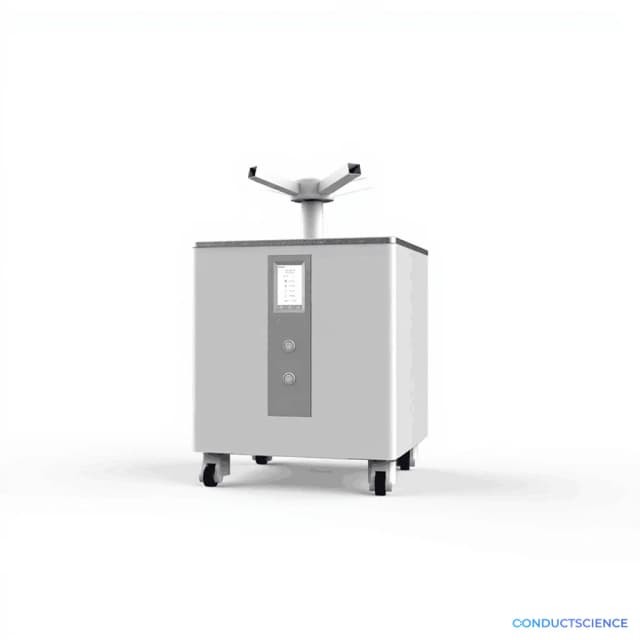
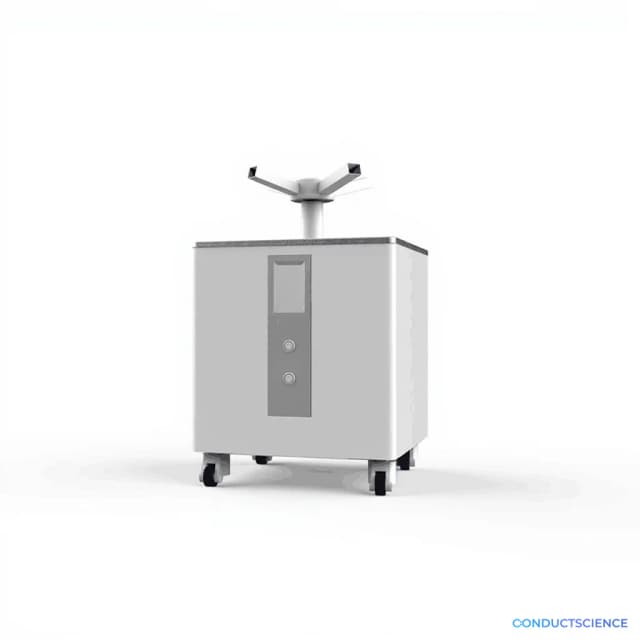
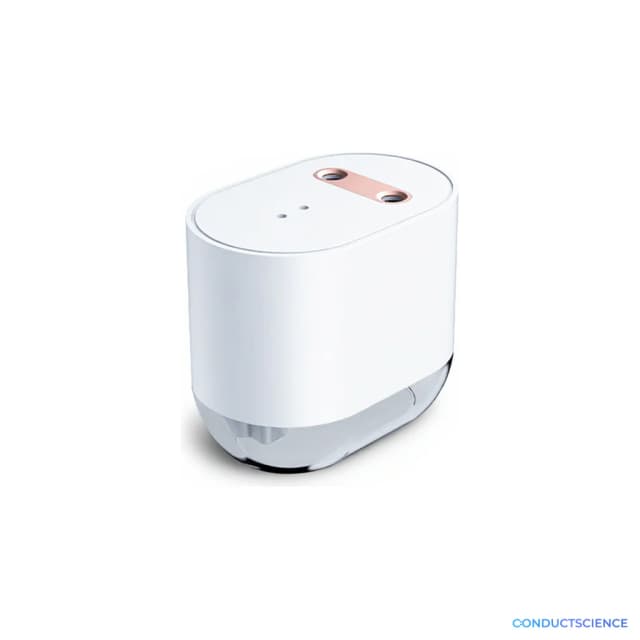
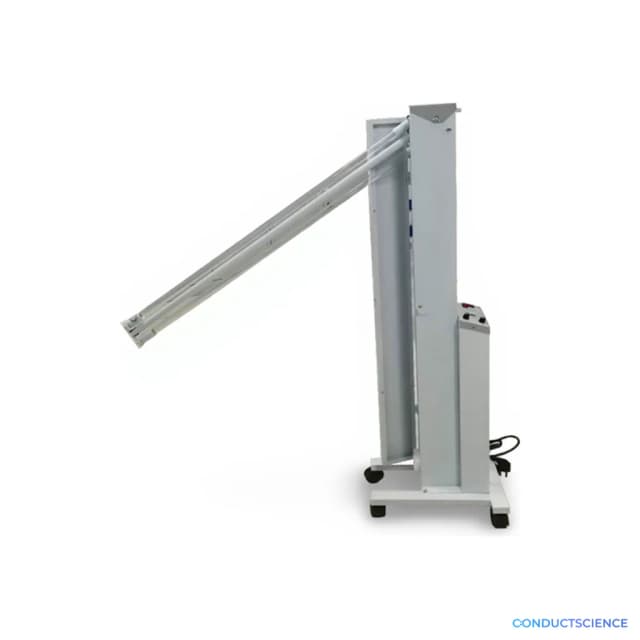
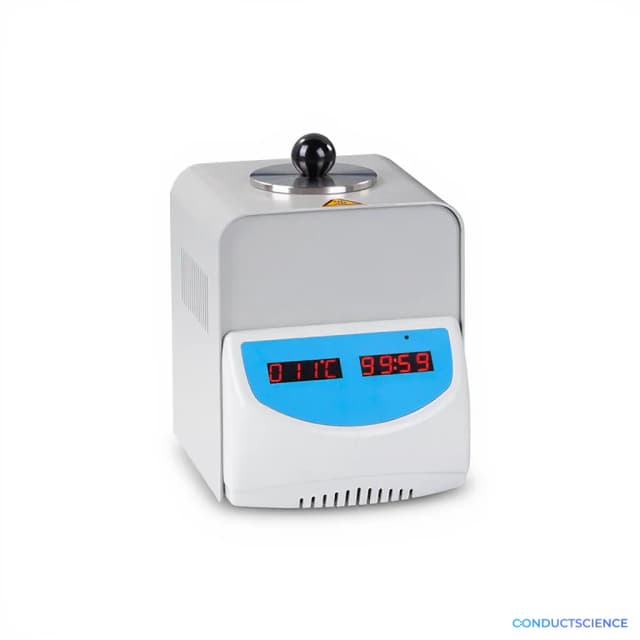
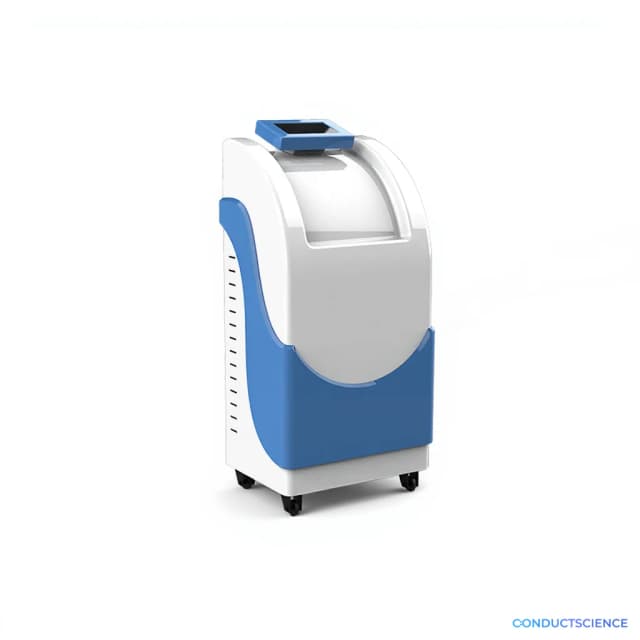
Mobile Plasma Air Sterilizer
Mobile plasma air sterilization system achieving ≥99.9% sterilization rate through dual electric field technology with electrostatic particulate capture.

Louise Corscadden, PhD
Director of Science · ConductScience
Ask Louise about Mobile Plasma Air Sterilizer fit, setup, configuration, or quote prep.
Already working with us? Sign in to connect this with My Scientist.
Key Specifications
Full details →- Model fit
- Configured during quote
- SKU family
- BIO-0160
- Shipping box
- 71.0 x 37.0 x 36.0 cm
- Ordering
- Online checkout and quote request available
- Category
- Sterilizers
- Build notes
- ABS shell
The Mobile Plasma Air Sterilizer (BIO-0160) is a portable air disinfection system that combines plasma generation with electrostatic adsorption for continuous air purification in laboratory and clinical environments. The unit operates through dual electric field zones at 8000V for sterilization and 4000V for particulate capture, achieving ≥99.9% sterilization rate against Staphylococcus albus and ≥90% natural bacteria extinction rate.
Designed for mobile deployment across multiple spaces, the system maintains low ozone leakage (≤0.01mg/m³) while operating at ≤55dB noise levels. The ABS shell construction and 20.5kg weight enable repositioning between laboratories, cleanrooms, or treatment areas requiring continuous air quality management.
How It Works
The plasma air sterilization system operates through corona discharge technology, generating high-voltage electric fields that create plasma zones containing reactive oxygen species and charged particles. The primary sterilization zone maintains 8000V electric field intensity, fragmenting microbial cell membranes through electroporation and oxidative damage from plasma-generated radicals.
Concurrently, a secondary 4000V electrostatic field captures airborne particulates through charged particle attraction and precipitation. This dual-zone approach addresses both viable microorganisms and particle-bound contaminants that may harbor pathogens. Air circulation through both zones ensures continuous treatment while maintaining ozone production below 0.01mg/m³ through controlled discharge parameters.
Features & Benefits
Automation Level
- semi-automated
BK-Y-1000-D
- BKB-G-1600-D
Type
- Mobile type
Disinfection Type
- Plasma and electrostatic adsorption
Shell Material
- ABS shell
Ozone Leakage
- ≤0.01mg/m³
Electric Field Intensity of Sterilization Area
- 8000V
Electric Field Intensity of Dust Accumulation Area
- 4000V
Natural Bacteria Extinction Rate
- ≥90%
Sterilization Rate of Staphylococcus Albus
- ≥99.9%
Noise
- ≤55dB(A)
Consumption
- ≤100W
External Size(W*D*H)
- 370*360*710mm
540*410*900mm
- 370*360*1340mm
Brand
- ConductScience
Research Domain
- Cell Biology
- Clinical Diagnostics
- Environmental Monitoring
- Industrial Hygiene
- Microbiology
- Pharmaceutical QC
Weight
- 20.5kg
Shipping weight
- 20.5 lb
Shipping box
- L: 71.0 cm
- W: 37.0 cm
- H: 36.0 cm
| Feature | This Product | Typical Alternative | Advantage |
|---|---|---|---|
| Sterilization Technology | Dual electric field plasma generation (8000V/4000V zones) | Single-stage plasma or UV-only systems | Simultaneous microbial sterilization and particulate capture in single treatment cycle |
| Antimicrobial Efficacy | ≥99.9% against Staphylococcus albus, ≥90% natural bacteria | Efficacy varies significantly by target organism and system type | Quantified performance against both specific test organisms and mixed microbial populations |
| Ozone Control | ≤0.01mg/m³ leakage | Higher ozone production in many plasma systems | Safe for continuous operation in occupied laboratory spaces without respiratory concerns |
| Portability | 20.5kg mobile unit with compact 370×360×710mm footprint | Fixed installation systems or larger mobile units | Easy relocation between work areas as contamination control needs change |
| Operating Noise | ≤55dB(A) | Higher noise levels in many air treatment systems | Minimal acoustic interference with precision laboratory work and communication |
| Power Consumption | ≤100W | Higher power requirements for equivalent treatment capacity | Lower operating costs and electrical infrastructure requirements for continuous operation |
This system provides quantified antimicrobial performance through dual-zone plasma technology while maintaining low ozone production for occupied space safety. The mobile design and moderate power consumption enable flexible deployment across laboratory environments requiring continuous air quality management.
Practical Tips
Verify ozone leakage levels monthly using appropriate detection equipment to ensure ≤0.01mg/m³ compliance.
Why: Electrode aging or contamination can affect ozone production and compromise occupational safety.
Inspect air intake monthly for dust or debris accumulation that could reduce air circulation efficiency.
Why: Blocked air flow reduces treatment capacity and may cause system strain or overheating.
Position unit away from direct chemical fume exposure to prevent electrode contamination or accelerated degradation.
Why: Chemical vapors can deposit on electrodes and reduce plasma generation efficiency over time.
Maintain minimum 30cm clearance around air intake and exhaust ports for proper ventilation and heat dissipation.
Why: Restricted airflow can cause overheating and reduces both safety and treatment effectiveness.
Document treatment duration and room conditions when using for critical contamination control applications.
Why: Performance varies with ambient temperature, humidity, and initial contamination load for reproducible results.
If unusual odors develop during operation, immediately check ozone levels and inspect for electrical discharge issues.
Why: Excessive ozone or electrical arcing indicates potential safety hazards requiring immediate attention.
Allow 30-minute warm-up before relying on full sterilization performance when moving between different temperature environments.
Why: Temperature changes affect plasma generation stability and microbial inactivation kinetics.
Keep spare documentation of electrical specifications accessible for facility electrical safety inspections.
Why: Regulatory inspections may require verification of electrical load and safety compliance for laboratory equipment.
Setup Guide
What’s in the Box
- Mobile Plasma Air Sterilizer main unit
- Power cord and electrical connections (typical)
- User manual and operating instructions (typical)
- Performance specification documentation (typical)
Warranty
ConductScience provides standard one-year manufacturer warranty covering defects in materials and workmanship, with technical support for troubleshooting and maintenance guidance.
Compliance
What is the effective treatment volume for this plasma sterilizer?
The effective treatment volume depends on room air circulation patterns and contamination load. Consult product datasheet for specific volumetric capacity ratings based on air exchange requirements.
How long does the system require to achieve full sterilization performance after startup?
Allow 30-minute warm-up period for electric field stabilization. Full antimicrobial performance is achieved once plasma generation reaches steady-state conditions.
Can this unit operate continuously in occupied laboratory spaces?
Yes, the ≤0.01mg/m³ ozone leakage specification enables continuous operation in occupied areas without exceeding indoor air quality thresholds for ozone exposure.
What maintenance is required for sustained performance?
Regular inspection of air intake for debris accumulation and periodic verification of ozone leakage levels. Consult product datasheet for electrode cleaning intervals and procedures.
Is the sterilization performance validated against specific microorganisms?
Performance is quantified at ≥99.9% sterilization rate against Staphylococcus albus and ≥90% natural bacteria extinction rate. Additional organism-specific validation data may be available from manufacturer.
How does noise level affect laboratory operations?
At ≤55dB(A), the unit operates below typical laboratory ambient noise levels and should not interfere with precision work or verbal communication.
What electrical requirements are needed for installation?
Unit consumes ≤100W and requires appropriate electrical supply with proper grounding. Consult installation guide for specific voltage and outlet requirements.
Can multiple units be operated simultaneously in larger spaces?
Multiple units can be deployed based on space requirements, though cumulative ozone production must remain within acceptable limits for occupied areas.
Have a question about this product?
Have a question? Just ask.
Send it over and we'll email you a personalized answer — no call, no scheduling.
Prefer to talk it through?