Complete Thermal System
Complete thermal controller system for mouse, rat, rabbit, and cat body-temperature maintenance with selectable 1-channel or 4-channel controller kits, heating blankets, rectal thermistor probes, feedback heating, Celsius/Fahrenheit display planning, and small-animal surgery, anesthesia, stereotaxic, and recovery-support workflow fit.

Louise Corscadden, PhD
Director of Science · ConductScience
Ask Louise about Complete Thermal System fit, setup, configuration, or quote prep.
Already working with us? Sign in to connect this with My Scientist.
Key Specifications
Full details →- Model fit
- 3 selectable configurations
- SKU family
- CS-958445
- Shipping box
- 65.0 x 36.0 x 27.0 cm
- Ordering
- Online checkout and quote request available
- Category
- Anesthesia & Ventilation
- Build notes
- Confirm accessories, station layout, and support needs before purchase
Overview
The Complete Thermal System is the thermal-support controller kit for small-animal research teams that need active body-temperature maintenance around anesthesia, surgery, stereotaxic preparation, ischemia workflows, catheter work, or postoperative warming. The page is structured as a selectable family: a 1-channel controller kit for one subject or a 4-channel controller kit when the lab needs independent warming and monitoring across multiple animals or work positions.
The 1-channel configuration includes the controller, one 120 x 205 mm heating blanket, and one 1.5 mm rectal probe. The 4-channel configuration includes the controller, two 120 x 205 mm heating blankets, and two 1.5 mm rectal probes, with independent warming planning for up to four animals when additional pads and probes are configured. That makes the buying decision concrete: channel count, animal size, blanket footprint, probe size, and adjacent anesthesia or surgical hardware can be reviewed together before purchase.
For a scientist, the key value is closed-loop planning rather than simply adding a warm pad to the bench. The controller pathway adjusts output to the heating element based on probe feedback, while the multi-channel configuration displays both pad set temperature and rectal temperature feedback, supports pad or probe control modes, allows upper and lower temperature limits, and supports a 10-50 C target-temperature setup with 0.1 C resolution.
Scientific Use
Small animals lose heat quickly during anesthesia and surgical exposure, and thermal instability can change physiology, anesthetic recovery timing, and model reproducibility. This thermal system is useful when the study requires a more controlled warming plan than passive insulation, especially for rodent surgery, stereotaxic work, myocardial or cerebral ischemia preparation, intubation-adjacent procedures, perfusion setup, and recovery-support stations.
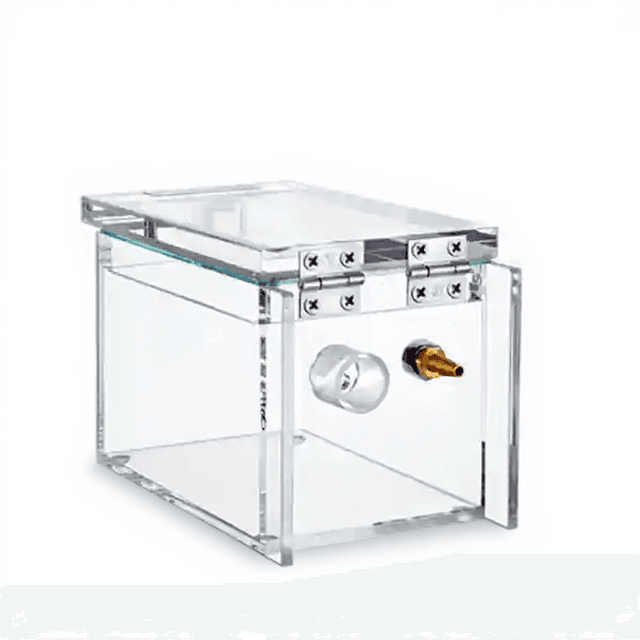
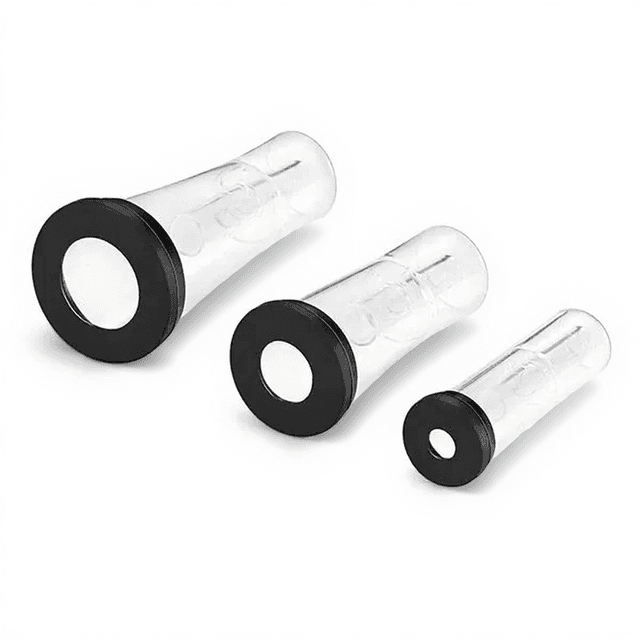
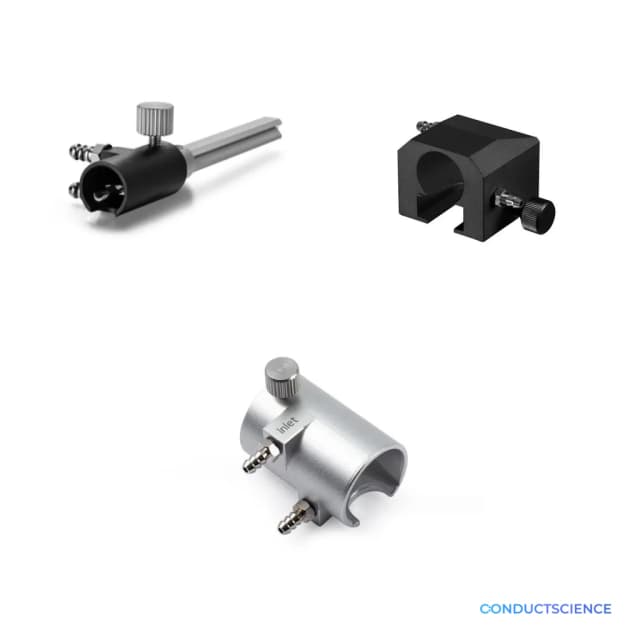
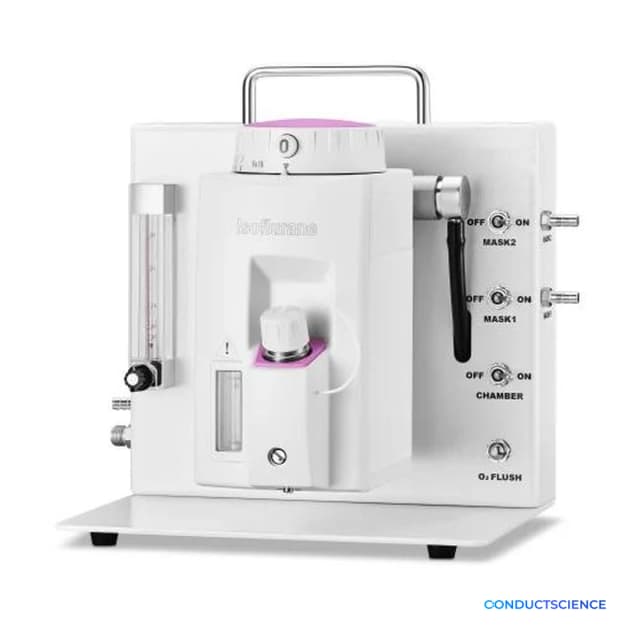
Use the blanket and probe selection to match the animal and station: mouse workflows can use the 1.5 mm x 15 mm rectal probe and smaller blanket options, while rat workflows can use the 2.0 mm x 30 mm probe and larger blanket formats. The page also sits naturally with ConductScience anesthesia machines, induction chambers, cone masks, stereotaxic masks, surgical kits, and microscopes when the lab is building a complete station.
Buying Fit
Choose the 1-channel controller kit when one mouse or rat procedure station needs direct body-temperature support. Choose the 4-channel controller kit when the lab needs multi-animal warming, multiple surgical positions, or a shared thermal station. Choose the Small Animal Anesthesia and Homeothermic System when the lab wants anesthesia delivery and body-temperature maintenance integrated into the same machine purchase.
How It Works
The Complete Thermal System operates through a closed-loop feedback control mechanism that continuously monitors and adjusts animal body temperature. The thermal sensor unit measures core or surface temperature and transmits real-time data to the thermal controller. The controller processes this temperature information and modulates power output to the heating pad to maintain the desired temperature setpoint.
The heating pad transfers thermal energy through conductive heat transfer to the animal's body surface. The thermal controller uses proportional-integral-derivative (PID) control algorithms to minimize temperature overshoot and oscillations, providing stable temperature regulation. The feedback system responds rapidly to temperature changes, compensating for heat loss due to anesthesia, surgical exposure, and ambient conditions.
This integrated approach prevents both hypothermia and hyperthermia, maintaining physiological temperature ranges that are critical for normal metabolic function, cardiovascular stability, and experimental reproducibility during research procedures.
Features & Benefits
Workflow fit
- Active body-temperature maintenance for surgery, anesthesia, stereotaxic, ischemia, catheter, and recovery-support workflows
Standard kit contents
- Controller, 120 x 205 mm heating blanket support, and rectal thermistor probe support by selected configuration
Channel planning
- 1-channel for one station; 4-channel for independent warming and monitoring across up to four animals with configured pads and probes
Probe and blanket fit
- Mouse 1.5 x 15 mm and rat 2.0 x 30 mm rectal probes; multiple blanket sizes from 70 x 100 mm to 400 x 600 mm
Temperature controls
- Multi-channel planning includes pad/probe modes, upper and lower limits, Celsius/Fahrenheit display, and 10-50 C target-temperature setup with 0.1 C resolution
Shipping weight
- 6.06 lb
Shipping box
- L: 65.0 cm
- W: 36.0 cm
- H: 27.0 cm
| Feature | This Product | Typical Alternative | Advantage |
|---|---|---|---|
| System Integration | Complete integrated system with controller, pad, and sensor | Separate components requiring individual purchasing and compatibility verification | Eliminates compatibility issues and ensures optimal performance between thermal management components. |
| Feedback Control | Real-time temperature monitoring with automatic adjustment | Basic heating pads often lack temperature feedback capabilities | Prevents temperature drift and maintains stable thermal conditions throughout procedures. |
| Species Compatibility | Designed for both mouse and rat applications | Some systems target single species or require separate accessories | Provides flexibility for laboratories working with multiple rodent species. |
| Control Complexity | Automated temperature regulation with minimal user intervention | Manual temperature adjustment systems require constant monitoring | Reduces experimenter workload and improves temperature consistency during procedures. |
The Complete Thermal System provides comprehensive temperature management through integrated components designed for laboratory animal research. The closed-loop feedback control offers automated temperature regulation for both mouse and rat applications in research environments.
| Model | SKU | Listed price | Status | Shipping box |
|---|---|---|---|---|
| small-mammal | RWD-CTS69027 | $1,690.00 | Available | 65.0 x 36.0 x 27.0 cm |
| Rat | RWD-CTS69026 | $1,630.00 | Available | 65.0 x 36.0 x 27.0 cm |
| Mouse | RWD-CTS69020 | $1,630.00 | Available | 65.0 x 36.0 x 27.0 cm |
Practical Tips
Choose 1-channel for one active warming station and 4-channel when the lab needs multiple independently monitored warming positions.
Why: The product family separates 1-channel and 4-channel controller configurations, with the multi-channel unit supporting independent animal warming and monitoring.
Use the mouse probe path for mouse-scale work and the rat probe path when the procedure requires the larger rectal thermistor.
Why: The probe options specify 1.5 mm x 15 mm and 2.0 mm x 30 mm rectal thermistors for animal-size planning.
Order blankets, probes, anesthesia interfaces, surgical platform, and recovery-support products together when building a new surgery station.
Why: Thermal control is most useful when the probe, pad, animal interface, and procedure table are selected around the same workflow.
Setup Guide
What’s in the Box
- Selected 1-channel or 4-channel temperature controller configuration
- 1-channel configuration includes main unit, one 120 x 205 mm blanket, and one 1.5 mm rectal probe
- 4-channel configuration includes main unit, two 120 x 205 mm blankets, and two 1.5 mm rectal probes
- Mouse rectal probe planning: 1.5 mm diameter x 15 mm
- Rat rectal probe planning: 2.0 mm diameter x 30 mm
- Heating-blanket size planning includes 70 x 100 mm, 120 x 205 mm, 150 x 250 mm, 200 x 350 mm, 300 x 500 mm, 120 x 400 mm, and 400 x 600 mm options
- Anesthesia, masks, stereotaxic frame, surgical platform, and recovery housing are selected separately around the workflow
Warranty
Support, replacement, and fulfillment terms are confirmed with the final quote and institutional purchasing requirements.
Compliance
Should I choose the 1-channel or 4-channel configuration?
Choose the 1-channel configuration for one mouse or rat warming station. Choose the 4-channel configuration when the lab needs independent warming and monitoring across multiple animals, multiple procedure positions, or a shared thermal-support station.
What comes with the standard thermal system?
The 1-channel kit includes the controller, one 120 x 205 mm heating blanket, and one 1.5 mm rectal probe. The 4-channel kit includes the controller, two 120 x 205 mm heating blankets, and two 1.5 mm rectal probes, with additional pad and probe choices configured around the workflow.
Which animals can this thermal system support?
The configuration supports mouse, rat, rabbit, and cat warming workflows. For rodent work, probe planning includes a 1.5 mm x 15 mm mouse probe and a 2.0 mm x 30 mm rat probe, with blanket size selected around the animal and station footprint.
How does this differ from the anesthesia and homeothermic system?
This page is the thermal controller, blanket, and probe purchasing path. The anesthesia and homeothermic system is the better fit when the lab wants gas anesthesia delivery and body-temperature maintenance reviewed as one machine-level station.
What else should be ordered with it?
Most labs review the thermal system with an anesthesia machine, induction chamber, cone or stereotaxic masks, surgical platform or stereotaxic frame, monitoring, and procedure-specific instruments so warming fits the real bench workflow.
Have a question about this product?
Have a question? Just ask.
Send it over and we'll email you a personalized answer — no call, no scheduling.
Prefer to talk it through?
Accessories
Enhance your setup with compatible accessories
Frequently Bought Together
Upgrade Options