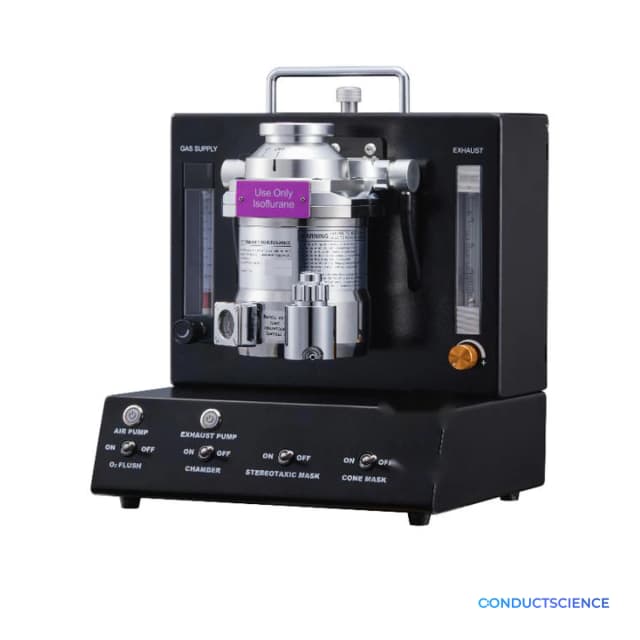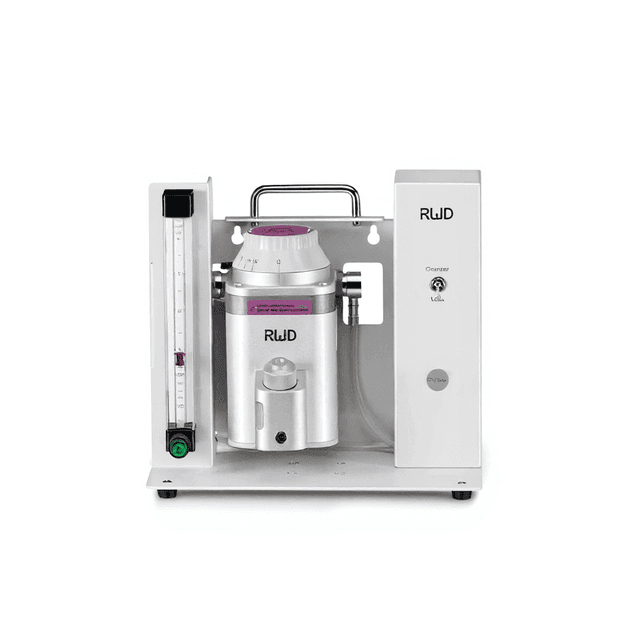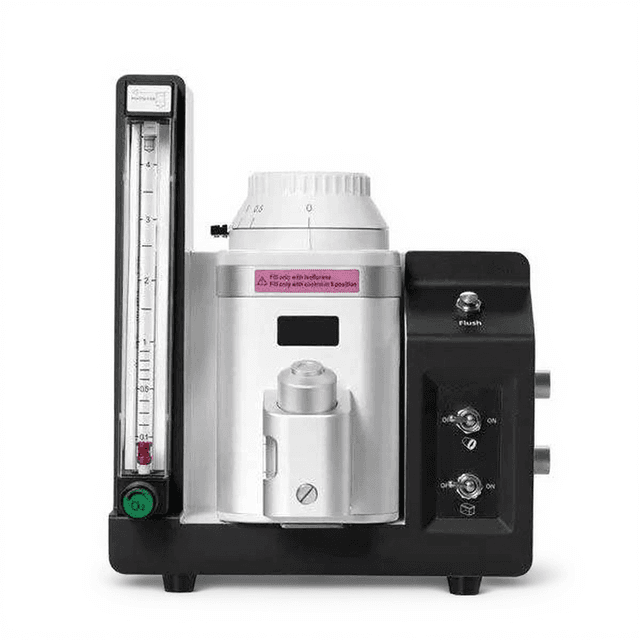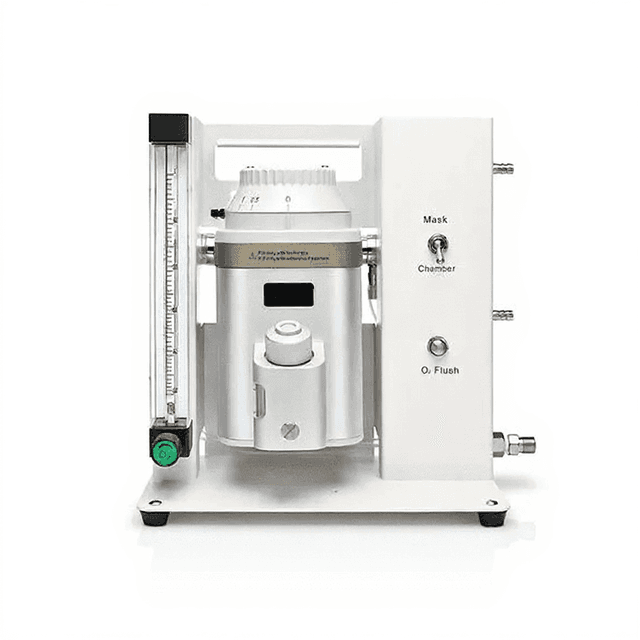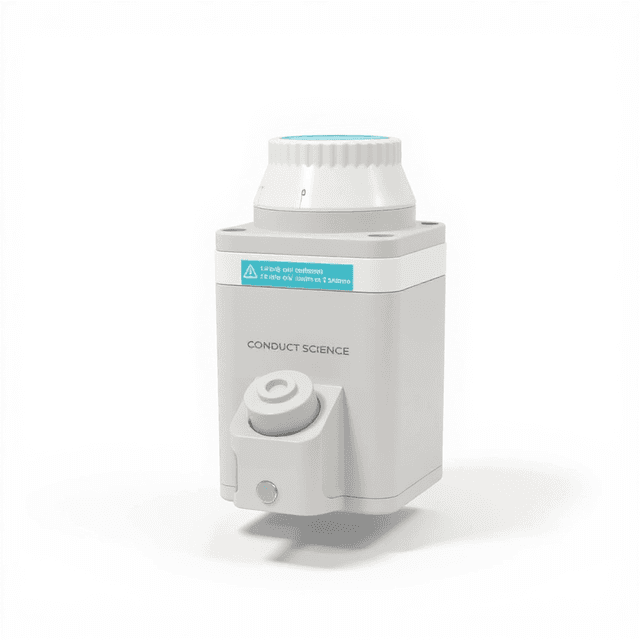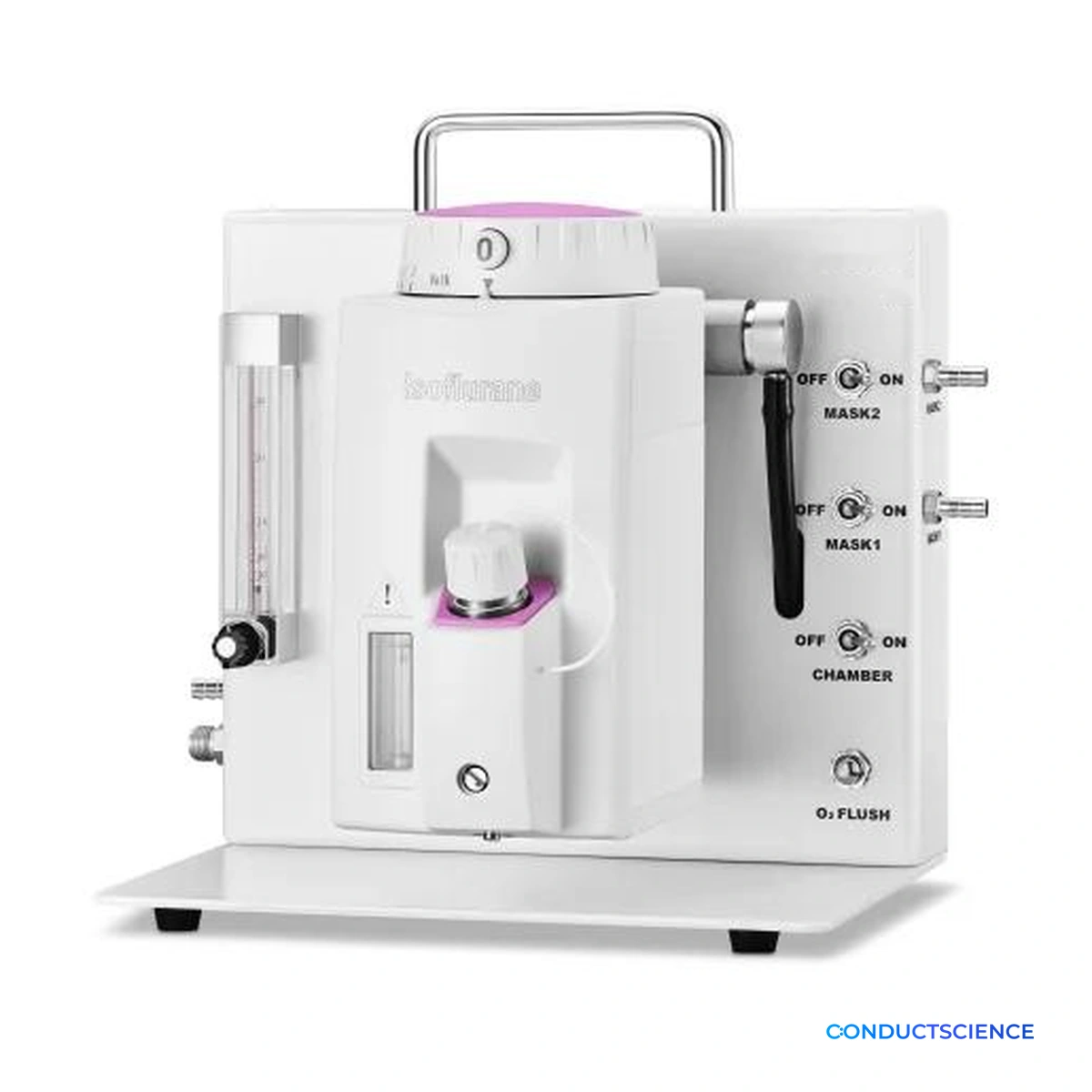
Tabletop Small Animal Anesthesia Machine
Tabletop mouse and rat gas anesthesia machine with 0-5% vaporizer control, 0-4 LPM gas-supply flowmeter, oxygen flush, independently controlled induction-chamber and mask outputs, and selectable standard-outlet or concentric-connector configurations for small-animal surgery, stereotaxic preparation, imaging support, and bench anesthesia stations.

Louise Corscadden, PhD
Director of Science · ConductScience
Ask Louise about Tabletop Small Animal Anesthesia Machine fit, setup, configuration, or quote prep.
Already working with us? Sign in to connect this with My Scientist.
Key Specifications
Full details →- Model fit
- 2 selectable configurations
- SKU family
- CS-ANES-TAM-001
- Sizing
- Model-specific dimensions confirmed from the selected configuration
- Ordering
- Online checkout and quote request available
- Category
- Anesthesia & Ventilation
- Build notes
- Confirm accessories, station layout, and support needs before purchase
Overview
The Tabletop Small Animal Anesthesia Machine is a compact vaporizer-based anesthesia machine for research groups that need reliable tabletop gas anesthesia delivery across mouse, rat, rabbit, cat, and other small-animal bench workflows. The product family supports a 0-5% vaporizer concentration range, a 0-4 LPM gas-supply flowmeter, oxygen flush, and simultaneous induction-chamber and mask-output planning with independent control.
The page is structured as one selectable product family because the practical buying decision is configuration, not duplicate pages. Choose the standard outlet configuration when the lab wants a cost-efficient benchtop machine with market-compatible outlet planning. Choose the concentric connector configuration when tubing organization, chamber plus two-mask planning, and a smaller connection footprint are more important for the station.
For rodent surgery, stereotaxic preparation, imaging support, catheter surgery, ischemia model work, and shared small-animal benches, the value is predictable station planning: vaporizer control, flow adjustment, induction, mask maintenance, and oxygen-flush behavior can be reviewed together before chambers, masks, tubing, absorbers, gas source, warming, and monitoring are finalized.
Scientific Use
Inhalation anesthesia is commonly used in preclinical research when investigators need adjustable induction and maintenance around surgery, imaging, or positioning workflows. A tabletop machine helps keep the vaporizer, flowmeter, chamber path, mask path, and oxygen-flush controls in one visible station rather than splitting those decisions across unrelated components.
The selectable configurations support different lab layouts. A standard outlet configuration fits straightforward chamber and mask stations, while the concentric connector configuration is better for benches where tubing footprint and connection organization matter, such as stereotaxic, microscope-adjacent, or multi-output rodent preparation setups.
Buying Fit
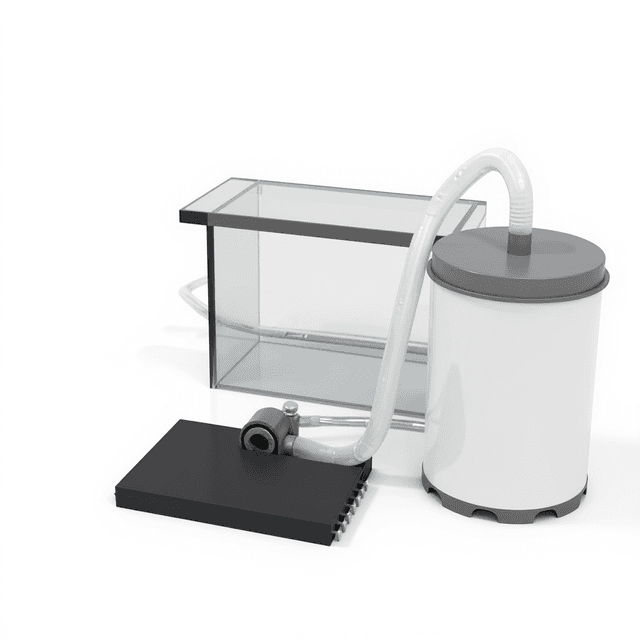
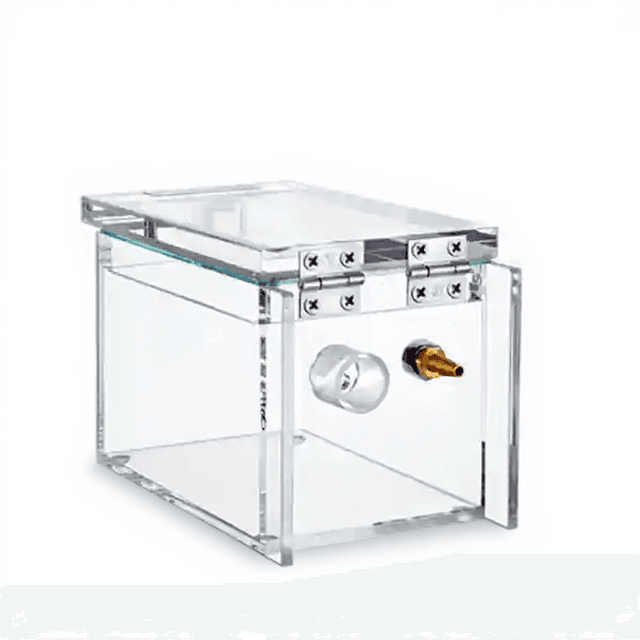
Choose this listing when the lab needs the core tabletop anesthesia machine first and wants accessories selected around the animal model. Pair it with ConductScience induction chambers, cone masks, stereotaxic nose-cone masks, activated-carbon absorber planning, warming and monitoring products, and procedure-specific surgery or stereotaxic equipment to complete the station.
Features & Benefits
Workflow fit
- Mouse and rat gas anesthesia for surgery, stereotaxic preparation, imaging support, catheter work, and shared bench stations
Vaporizer control
- 0-5% concentration range with 0-4 LPM gas-supply flowmeter
Output layout
- Induction chamber plus mask outputs with independent control planning
Selection guide
- Standard outlet for cost-efficient setups; concentric connector for reduced tubing footprint
Plan with
- Induction chamber, cone or stereotaxic masks, tubing, absorber/scavenging path, gas source, warming, and monitoring
| Model | SKU | Listed price | Status | Shipping box |
|---|---|---|---|---|
| Standard outlet configuration | CS-ANES-TAM-STD | $2,379.99 | Available | Confirmed during quote |
| Concentric connector configuration | CS-ANES-TAM-CON | $2,719.99 | Available | Confirmed during quote |
Practical Tips
Choose standard outlet when the lab wants a cost-efficient core machine; choose concentric connector when tubing organization and two-mask bench layout matter.
Why: The two tabletop layouts differ by outlet/connector architecture and station footprint.
Confirm the anesthetic agent path, 0-5% concentration range, 0-4 LPM gas-supply range, and source gas before final quote review.
Why: These are the core machine controls that determine how the station connects to chamber and mask workflows.
Select induction chamber, animal masks, stereotaxic masks, tubing, absorbers, warming, and monitoring with the same order when building a new station.
Why: The machine is the anesthesia core; chamber, mask, scavenging, and animal-support decisions determine whether the bench is ready to run.
Setup Guide
What’s in the Box
- Tabletop small-animal anesthesia machine in selected configuration
- Vaporizer control path with 0-5% concentration range
- Gas-supply flowmeter with 0-4 LPM adjustment range
- Output controls for induction chamber and anesthetic mask workflows
- Oxygen flush path for chamber-clearing workflow planning
- Standard outlet or concentric connector layout selected by configuration
- Induction chamber, masks, tubing, absorber replacements, gas source, and station accessories configured with the final quote
Warranty
Support, replacement, and fulfillment terms are confirmed with the final quote and institutional purchasing requirements.
Compliance
Which configuration should I choose?
Choose the standard outlet configuration for a cost-efficient chamber and mask station. Choose the concentric connector configuration when the lab wants cleaner tubing organization and simultaneous induction-chamber plus two-mask planning on a compact bench.
What controls are specified for the machine?
The product family supports a 0-5% vaporizer concentration range, 0-4 LPM gas-supply flowmeter, oxygen flush, and independent control planning for chamber and mask outputs.
Can this support stereotaxic or imaging workflows?
Yes. The machine can be configured with stereotaxic masks, cone masks, chamber accessories, tubing, and animal-support equipment for rodent stereotaxic preparation, microscope-adjacent work, and surgery benches.
What should be ordered with the machine?
Plan the induction chamber, mouse or rat masks, stereotaxic nose-cone masks, tubing/connectors, absorber or scavenging path, air or oxygen source, warming, monitoring, and the surgical or stereotaxic platform used in the workflow.
How does this compare with the integrated scavenging version?
This page is for the core tabletop anesthesia machine family. Choose the integrated scavenging machine when the lab wants mask-line waste-gas scavenging built into the machine decision rather than planned as a separate station component.
Have a question about this product?
Have a question? Just ask.
Send it over and we'll email you a personalized answer — no call, no scheduling.
Prefer to talk it through?
Accessories
Enhance your setup with compatible accessories
Frequently Bought Together
Upgrade Options