Small Animal Anesthesia Machine with Integrated Scavenging
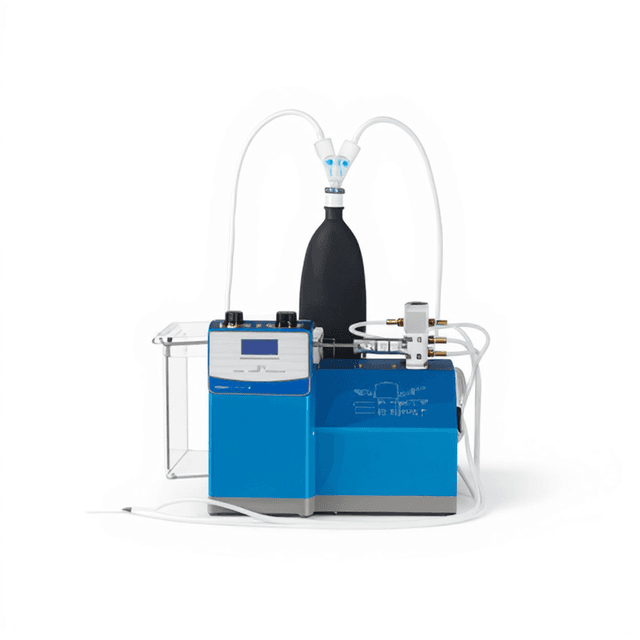
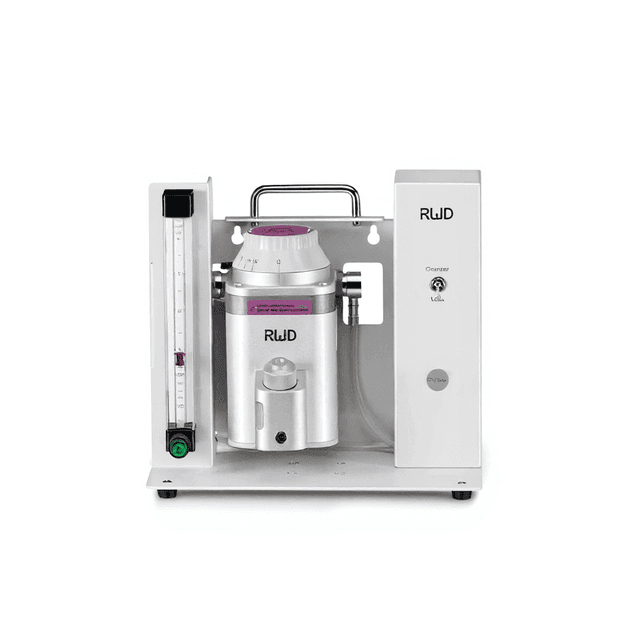
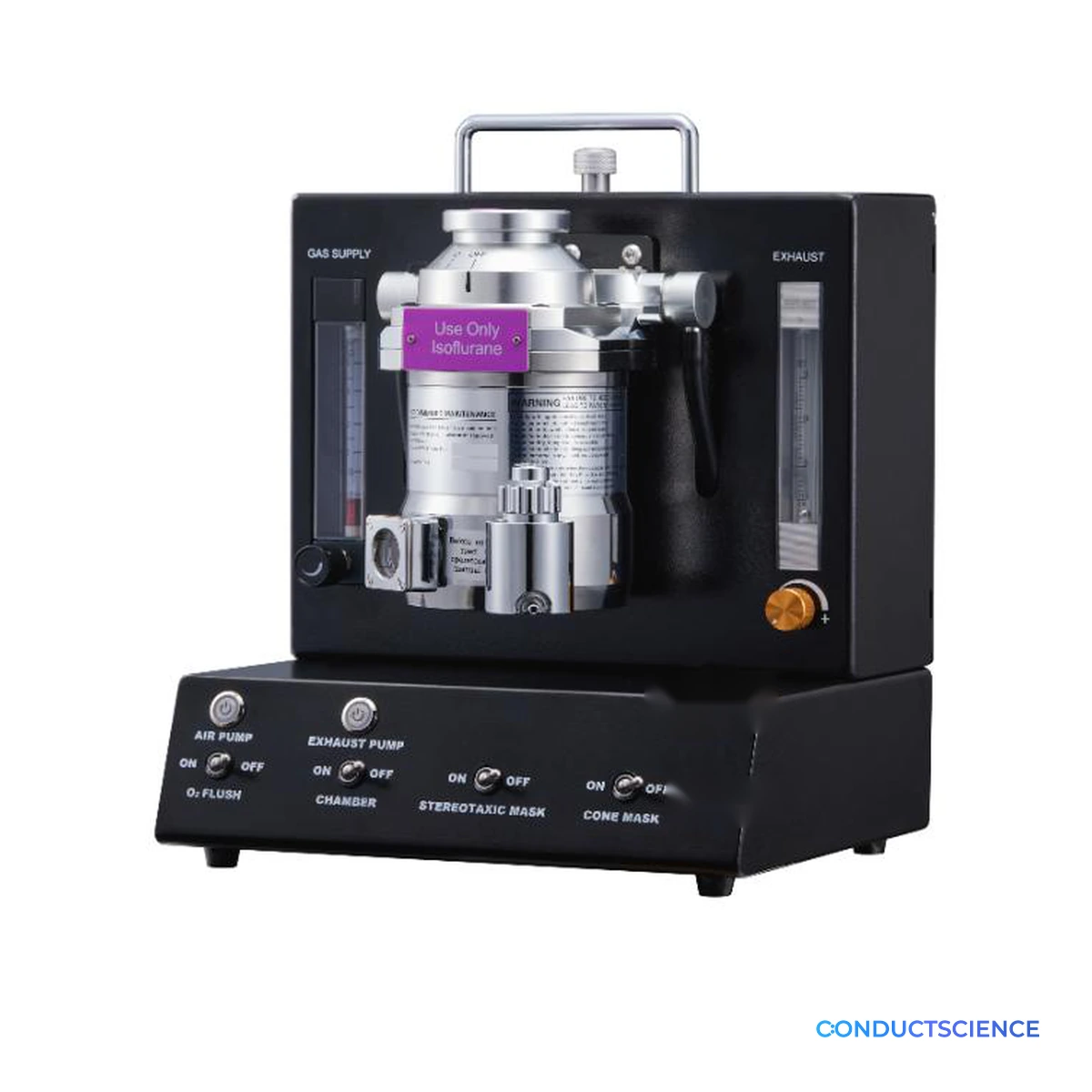
Small-animal tabletop gas anesthesia machine with integrated mask-line waste-gas scavenging, 0-4 LPM gas-supply flowmeter, oxygen flush, concentric connectors, independent induction-chamber and two-mask control, four-column activated-carbon filtration, and internal negative-pressure pump support for mouse and rat surgery, stereotaxic, imaging, and recovery-preparation workflows.

Louise Corscadden, PhD
Director of Science · ConductScience
Ask Louise about Small Animal Anesthesia Machine with Integrated Scavenging fit, setup, configuration, or quote prep.
Already working with us? Sign in to connect this with My Scientist.
Key Specifications
Full details →- Model fit
- Configured during quote
- SKU family
- CS-ANES-IAS-001
- Sizing
- Model-specific dimensions confirmed from the selected configuration
- Ordering
- Online checkout and quote request available
- Category
- Anesthesia & Ventilation
- Build notes
- Confirm accessories, station layout, and support needs before purchase
Overview
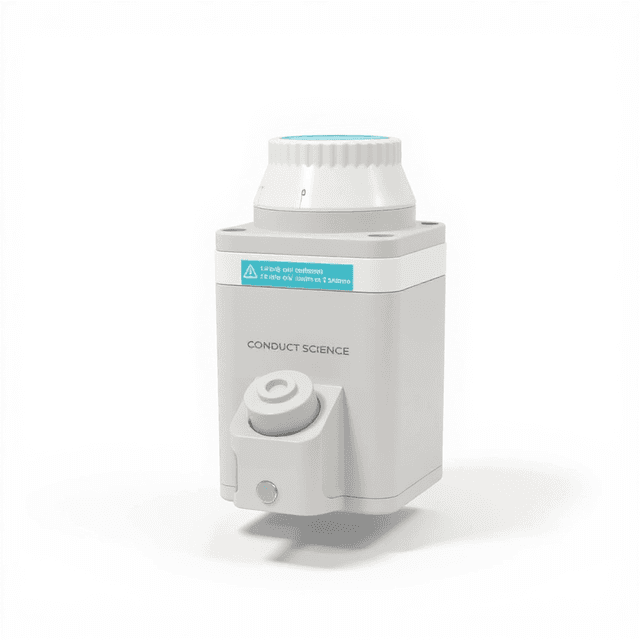
The Small Animal Anesthesia Machine with Integrated Scavenging is a compact tabletop gas anesthesia machine for small-animal research stations that need vaporizer-based anesthetic output control and mask-line waste-gas removal in one bench unit. The source machine integrates anesthetic output regulation with scavenging for mask exhaust, uses concentric connector geometry to reduce tubing footprint, and supports one induction chamber plus two anesthetic mask outputs with independent control.
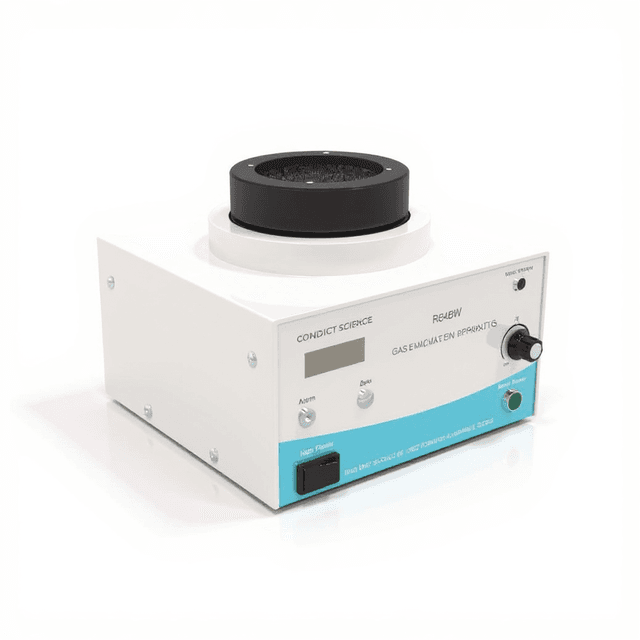
The buyer value is station simplification. A standard small-animal anesthesia setup can require a separate vaporizer path, chamber flow control, mask outputs, waste-gas canister, active scavenger, and pump planning. This listing brings the core tabletop machine, oxygen flush, integrated four-column activated-carbon mask scavenging path, and internal negative-pressure pump support into one product decision, while chamber, mask, tubing, absorber, and gas-source accessories can be configured around the lab workflow.
The source machine specifies a 0-4 LPM gas-supply flowmeter, oxygen flush for clearing induction-chamber waste gas before animal removal, concentric connectors, internal DC power support for the negative-pressure pump and external air-pump needs, and simultaneous chamber plus mask-output planning. Those details matter for labs that need a cleaner benchtop anesthesia station for mouse and rat surgery, stereotaxic preparation, imaging support, catheter surgery, ischemia model work, or recovery-adjacent procedures.
Scientific Use
Rodent inhalation anesthesia is commonly used when researchers need controllable induction, maintenance, and recovery timing around surgical or imaging preparation. A tabletop machine with integrated mask scavenging is useful when the workflow alternates between induction chamber use and mask maintenance at the bench, especially in compact surgical stations where tubing footprint and waste-gas routing matter.
Buying Fit
Choose this page when the lab wants a compact small-animal anesthesia machine with integrated mask-line scavenging rather than a basic machine plus separate scavenger. Pair it with induction chambers, mouse or rat masks, stereotaxic masks, tubing, activated-carbon absorber replacements, air or oxygen source planning, warming, monitoring, and procedure-specific surgical or stereotaxic equipment.
Features & Benefits
Workflow fit
- Mouse and rat gas anesthesia for surgery, stereotaxic, imaging-preparation, and recovery-adjacent bench workflows
Gas delivery
- MSS-style vaporizer core with 0-4 LPM gas-supply flowmeter and anesthetic output control
Output layout
- One induction chamber plus two anesthetic mask outputs, controlled independently
Integrated scavenging
- Mask-line waste-gas path with four activated-carbon columns and internal negative-pressure pump support
Bench planning
- Compact concentric connectors, oxygen flush, and built-in DC power support for pump planning
Plan with
- Induction chamber, mouse or rat masks, stereotaxic masks, tubing, absorber replacements, gas source, warming, and monitoring
Practical Tips
Use the chamber output for induction and the two mask outputs for maintenance paths; confirm whether the station needs cone, concentric tubing, or stereotaxic masks.
Why: The source machine supports one induction chamber and two anesthetic mask outputs with independent control.
Plan activated-carbon absorber replacements and exhaust routing with the integrated mask scavenging path and chamber absorber path.
Why: Integrated scavenging reduces the separate-equipment burden, but the absorber consumables and station layout still need to be matched to use volume.
Review tubing footprint, gas-source location, external air-pump planning, warming, and surgical platform placement before finalizing the station.
Why: The compact connector design is most useful when the full anesthesia and surgery bench is planned together.
Setup Guide
What’s in the Box
- Tabletop small-animal anesthesia machine with integrated mask-line scavenging path
- MSS-style vaporizer core selected for accuracy and stability
- Gas-supply flowmeter with 0-4 LPM adjustment range
- Independent control paths for one induction chamber and two anesthetic mask outputs
- Oxygen flush path for clearing induction-chamber waste gas before animal removal
- Four activated-carbon column path with internal negative-pressure pump
- Built-in power support for internal negative-pressure pump and external air-pump planning
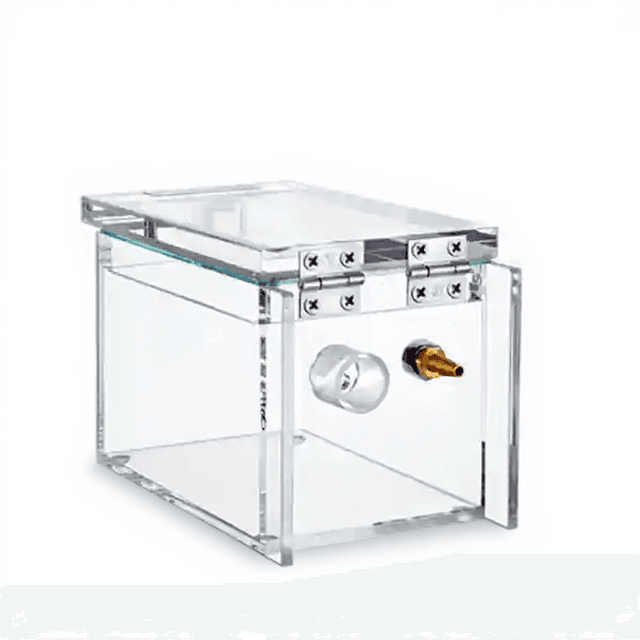
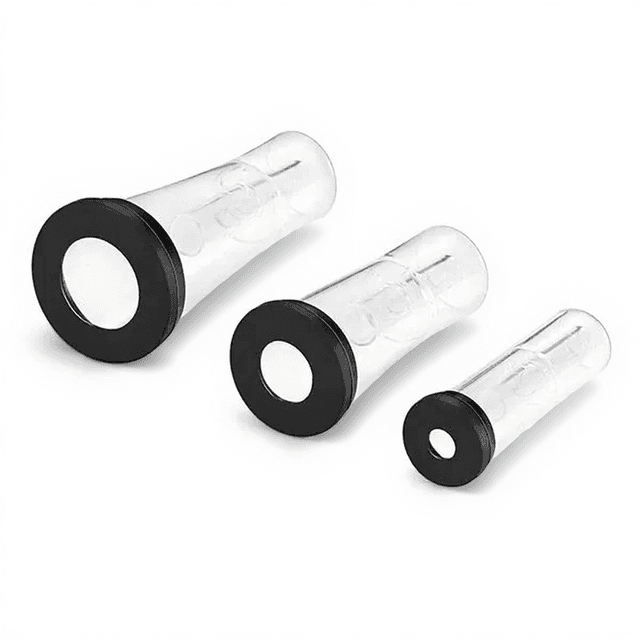
- Induction chamber, masks, tubing, absorber replacements, and air/oxygen source configured during quote review
Warranty
Support, replacement, and fulfillment terms are confirmed with the final quote and institutional purchasing requirements.
Compliance
What makes this different from a basic small-animal anesthesia machine?
This machine integrates anesthetic output control with mask-line waste-gas removal, so the lab can plan vaporizer output, chamber use, two mask outputs, and active scavenging support from one tabletop machine decision.
How many animals or outputs can be planned from the machine?
The source machine supports one induction chamber and two anesthetic mask outputs at the same time, with independent control paths. The final chamber and mask configuration should be selected around the animal model and bench layout.
What scavenging components should be planned?
The machine includes an integrated four-column activated-carbon mask scavenging path with an internal negative-pressure pump. Induction-chamber canister, absorber replacements, tubing, and exhaust routing are configured with the quote.
Can this be used with stereotaxic or imaging setups?
Yes. It can be planned with stereotaxic masks or concentric tubing masks for rodent stereotaxic, surgery, microscope, or imaging-preparation workflows that require gas anesthesia at the head or bench.
What accessories should be selected with the machine?
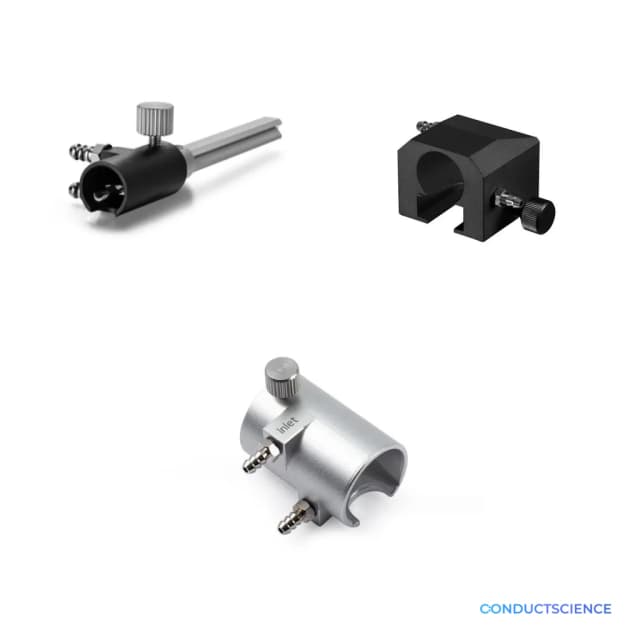
Plan induction chambers, mouse or rat masks, stereotaxic masks when needed, tubing/connectors, activated-carbon absorbers, air or oxygen source support, warming, monitoring, and the surgical or stereotaxic platform used in the workflow.
Have a question about this product?
Have a question? Just ask.
Send it over and we'll email you a personalized answer — no call, no scheduling.
Prefer to talk it through?
Accessories
Enhance your setup with compatible accessories
Frequently Bought Together