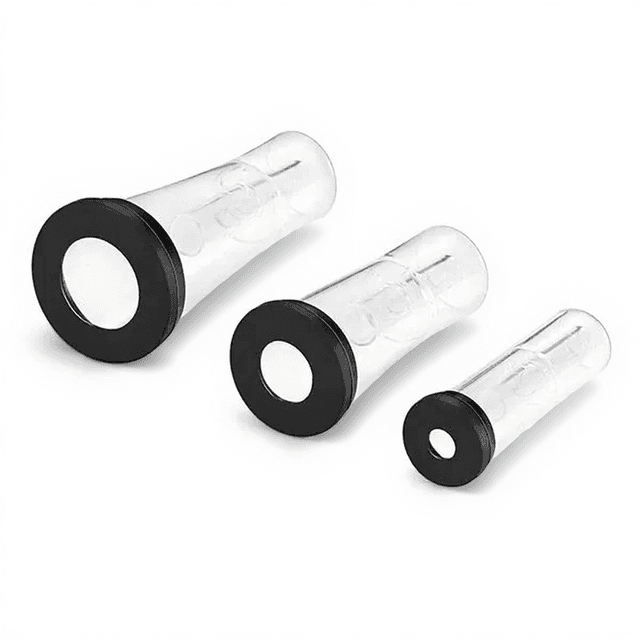
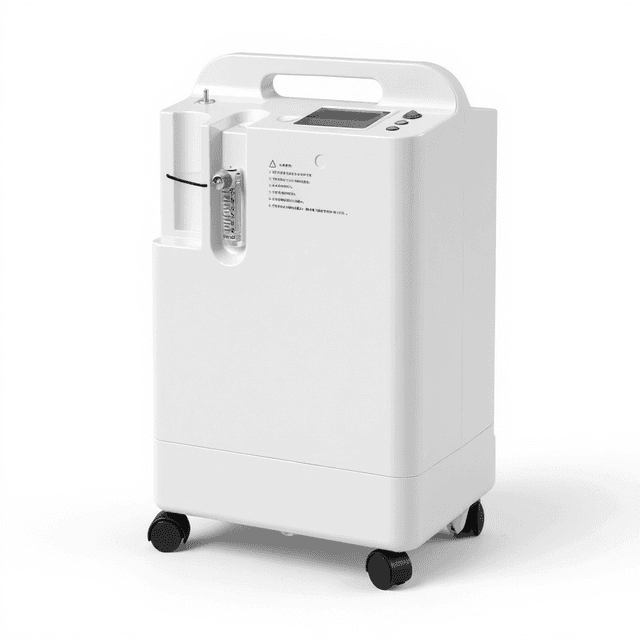
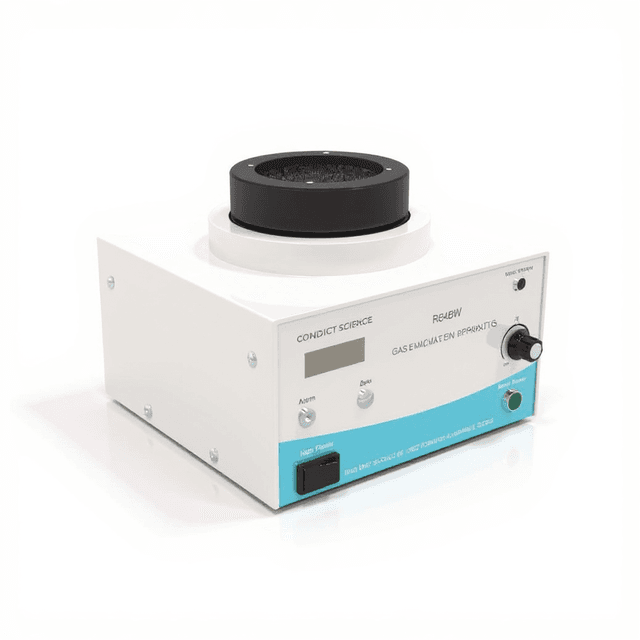
Animal Ventilator and Anesthesia System
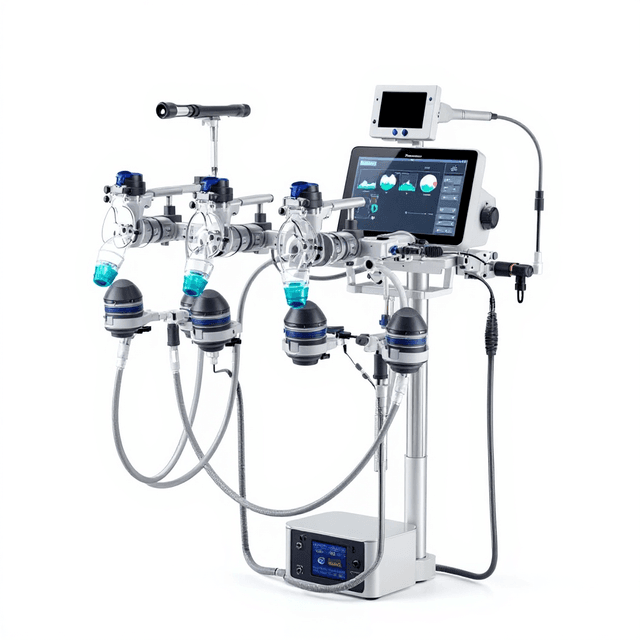
We aims to support veterinary clinicians by providing veterinary anesthesia one-stop solution..
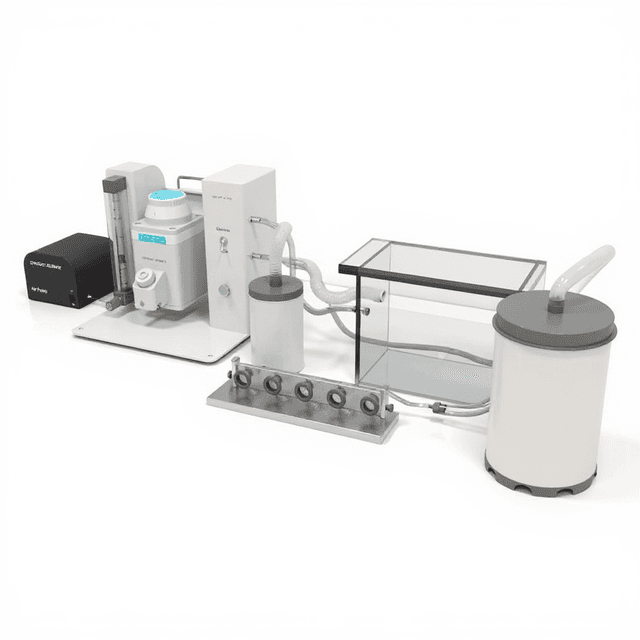
It includes all important aspects: oxygen generation, anesthesia, waste anesthetic gas absorption, monitoring and mechanical ventilation.

Louise Corscadden, PhD
Director of Science · ConductScience
Ask Louise about Animal Ventilator and Anesthesia System fit, setup, configuration, or quote prep.
Already working with us? Sign in to connect this with My Scientist.
Key Specifications
Full details →- Model fit
- Hamster, Rabbit, Mouse, Rat, Guinea pig
- SKU family
- RWD-VAPAS-01
- Shipping box
- 34.0 x 39.0 x 33.0 cm
- Ordering
- Online checkout and quote request available
- Category
- Anesthesia & Ventilation
- Build notes
- Confirm accessories, station layout, and support needs before purchase
When working with animals suffering from some diseases like myocardial ischemia, cerebral ischemia, pulmonary ischemia, lung imaging, hypertension, cerebral infarction, thrombus, and so on, which leads to long-term surgery, the ventilator is required. The Anesthesia System and ventilator are artistically integrated to keep the animal anesthetized while being assisted with respiration. This system applies to mice, rats, rabbits, cats, and similar-size animals with body weights below 5 kg.
Comes with the following items, with the key inclusion of an active ventilator for intubated rodents.
| SKU | Product Description | QTY |
|---|---|---|
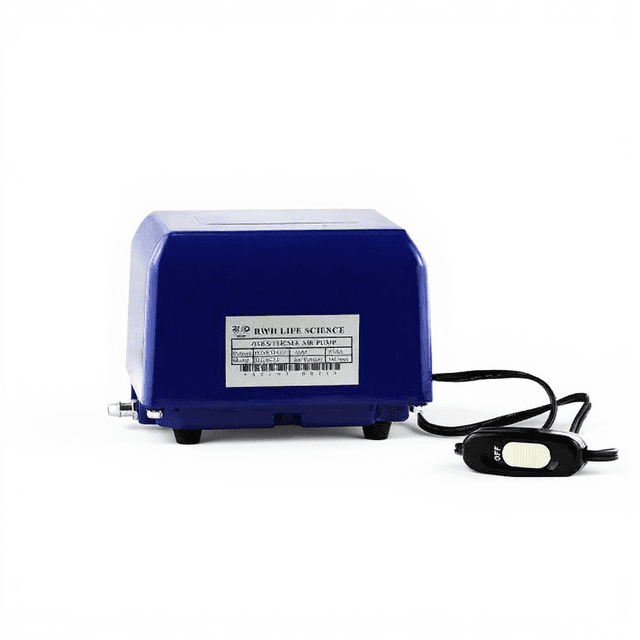
| RWD-R510-29 | Gas Supply: Anesthesia Air Pump 110V (4L Flowmeter) | 1 |
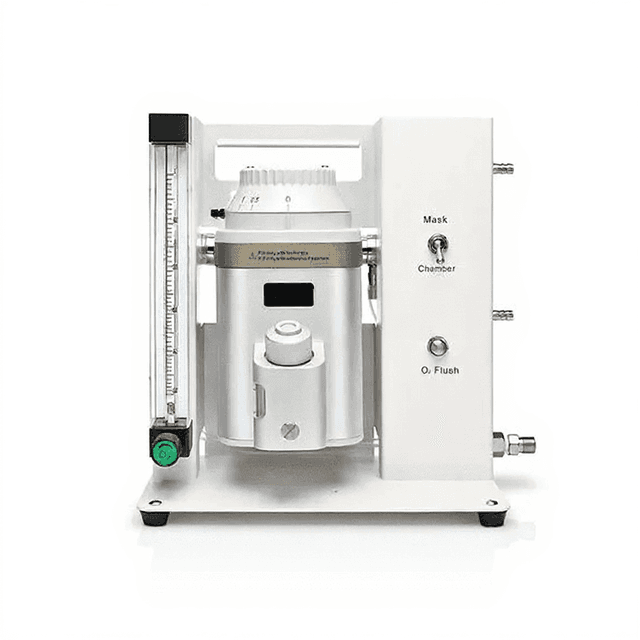
| RWD-R550IP | Anesthesia Machine | 1 |
| RWD-V100 | Induction Chamber - Mouse or Rat | 1 |
| RWD-R510-27 | Accessory package for Anesthesia and Ventilator | 1 |
| RWD-R407 | Small Animal Ventilator | 1 |
| RWD-R510-31-6 | Gas Canister Filter | 1 |
Manufacturer Source: https://www.rwdstco.com/product-item/multi-function-anesthesia-solutions/
How It Works
The system operates through coordinated gas delivery and mechanical ventilation principles. The air pump generates controlled gas flow through a calibrated flowmeter, delivering carrier gas to the anesthesia machine where volatile anesthetic agents are vaporized at precise concentrations. Initial anesthetization occurs in the induction chamber through spontaneous breathing of the anesthetic mixture until surgical plane anesthesia is achieved.
Following endotracheal intubation, the small animal ventilator provides positive pressure ventilation with adjustable tidal volume, respiratory rate, and inspiratory-to-expiratory ratios. The ventilator operates on time-cycled, pressure-limited principles, delivering predetermined gas volumes at set intervals while maintaining positive end-expiratory pressure when configured. Gas scavenging systems capture waste anesthetic gases to prevent environmental exposure.
The integrated design allows seamless transition from spontaneous breathing anesthesia induction to controlled mechanical ventilation, maintaining stable anesthetic depth while supporting respiratory function throughout extended procedures. Temperature and physiological monitoring capabilities enable real-time assessment of animal status during ventilated anesthesia.
Features & Benefits
Automation Level
- semi-automated
Research Domain
- Aging Research
- Behavioral Pharmacology
- Cancer Research
- Cardiovascular
- Neuroscience
- Toxicology
Species
- Hamster
- Rabbit
- Mouse
- Rat
- Guinea pig
Shipping weight
- 8.27 lb
Shipping box
- L: 34.0 cm
- W: 39.0 cm
- H: 33.0 cm
| Feature | This Product | Typical Alternative | Advantage |
|---|---|---|---|
| Integration Level | Complete integrated system with ventilator, anesthesia machine, induction chamber, and accessories | Systems often require separate ventilator and anesthesia equipment purchases | Eliminates compatibility concerns and reduces setup complexity for comprehensive respiratory support. |
| Species Weight Range | Supports animals up to 5 kg body weight | Many systems limited to smaller animals under 2-3 kg | Broader species compatibility accommodates rabbits and larger laboratory animals in addition to rodents. |
| Gas Flow Capacity | 4L flowmeter provides precise flow control | Entry-level systems often provide lower flow rates with less precision | Higher flow capacity supports larger animals and multiple gas mixing applications. |
| Accessory Inclusion | Complete accessory package with tubing and connectors included | Many systems require separate accessory purchases | Reduces initial setup costs and ensures component compatibility from first use. |
| Induction Method | Dedicated induction chamber for safe anesthesia initiation | Some systems rely only on mask induction methods | Chamber induction provides safer, more controlled anesthesia initiation with reduced animal stress. |
This integrated system combines ventilation, anesthesia delivery, and gas scavenging in a single package designed for animals up to 5 kg. The comprehensive component inclusion and multi-species compatibility provide research flexibility while maintaining safety standards for prolonged anesthetic procedures.
Practical Tips
Verify flowmeter accuracy monthly using a calibrated rotameter or electronic flow analyzer at multiple flow rates.
Why: Flow accuracy directly affects anesthetic concentration delivery and ventilation adequacy.
Replace breathing circuit components after each animal or daily use to prevent cross-contamination and maintain system hygiene.
Why: Fresh circuits ensure optimal gas delivery and prevent pathogen transmission between subjects.
Pre-warm the induction chamber and maintain ambient temperature of 22-24°C to prevent hypothermia during anesthesia induction.
Why: Temperature control prevents rapid heat loss that can compromise physiological stability during anesthetic procedures.
Always verify gas scavenging system function before beginning procedures and monitor waste gas levels in the work environment.
Why: Proper scavenging prevents occupational exposure to anesthetic agents and maintains safe laboratory conditions.
If ventilation pressure alarms occur, immediately check for breathing circuit disconnections, endotracheal tube obstruction, or pneumothorax.
Why: Rapid identification of ventilation problems prevents respiratory compromise and ensures animal welfare.
Record ventilation parameters, anesthetic concentrations, and physiological monitoring data at 15-minute intervals during procedures.
Why: Systematic documentation enables protocol optimization and provides essential data for research reproducibility.
Allow 10-15 minutes for system warm-up and vaporizer equilibration before beginning anesthetic procedures.
Why: System stabilization ensures consistent anesthetic delivery from procedure initiation and prevents concentration fluctuations.
Inspect and clean vaporizer internals monthly, checking for agent residue or water accumulation that could affect concentration delivery.
Why: Clean vaporizers maintain accurate concentration control and prevent mechanical problems during critical procedures.
Setup Guide
What’s in the Box
- Gas Supply Air Pump (110V, 4L Flowmeter)
- Anesthesia Machine with Vaporizer
- Small Animal Ventilator
- Induction Chamber (Mouse/Rat Compatible)
- Gas Canister Filter
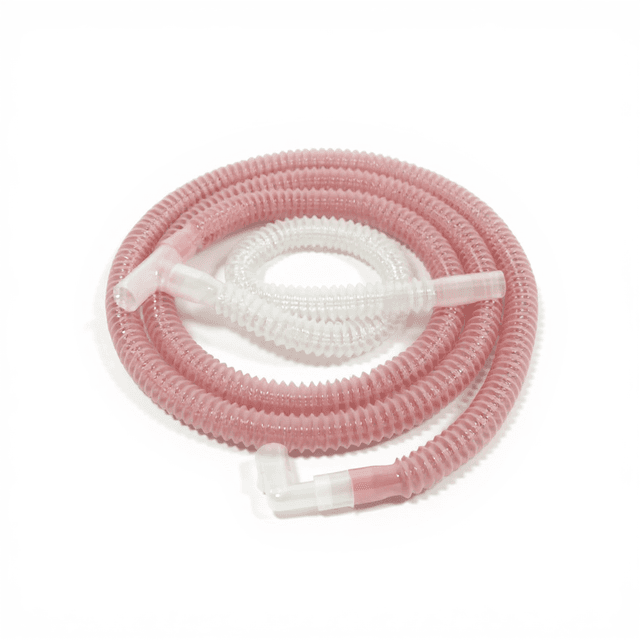
- Accessory Package with Tubing and Connectors
- User Manual and Setup Guide (typical)
- Power Cables and Adapters (typical)
Warranty
ConductScience provides a standard one-year manufacturer warranty covering defects in materials and workmanship, with technical support available for system setup, calibration, and troubleshooting throughout the warranty period.
Compliance
References
Background reading relevant to this product:
What ventilation parameters are appropriate for different species?
Mice typically require 4-10 mL/kg tidal volume at 100-180 breaths/min, rats need 6-12 mL/kg at 70-110 breaths/min, and rabbits require 8-15 mL/kg at 40-60 breaths/min. Adjust parameters based on animal weight and physiological monitoring.
How is anesthetic concentration controlled during mechanical ventilation?
The anesthesia machine vaporizer allows precise concentration adjustment typically between 0.5-3% for isoflurane or sevoflurane. Monitor anesthetic depth through physiological parameters and adjust concentration to maintain surgical plane anesthesia.
What monitoring is required during ventilated anesthesia?
Essential monitoring includes respiratory rate, tidal volume, peak airway pressure, body temperature, heart rate, and oxygen saturation. Capnography and blood pressure monitoring provide additional physiological assessment capabilities.
How long can animals be maintained on this system?
The system supports extended procedures lasting several hours with appropriate monitoring and temperature support. Duration depends on animal condition, anesthetic agent, and surgical complexity.
What gas scavenging requirements must be met?
The included gas canister filter captures waste anesthetic gases, but may require connection to active scavenging systems in some facilities. Ensure adequate room ventilation and monitor occupational exposure levels.
Can the system handle different volatile anesthetic agents?
The vaporizer accommodates standard volatile agents including isoflurane, sevoflurane, and halothane. Agent-specific vaporizers may be required for optimal concentration control depending on facility protocols.
What maintenance intervals are recommended?
Perform daily pre-use checks of gas connections and ventilator function. Weekly cleaning of induction chamber and breathing circuits. Monthly calibration verification of flowmeters and pressure settings.
Is the system compatible with physiological monitoring equipment?
The system accommodates standard monitoring devices through accessible animal positioning. Integration with pulse oximetry, capnography, and temperature monitoring enhances physiological assessment during procedures.
Have a question about this product?
Have a question? Just ask.
Send it over and we'll email you a personalized answer — no call, no scheduling.
Prefer to talk it through?
Accessories
Enhance your setup with compatible accessories
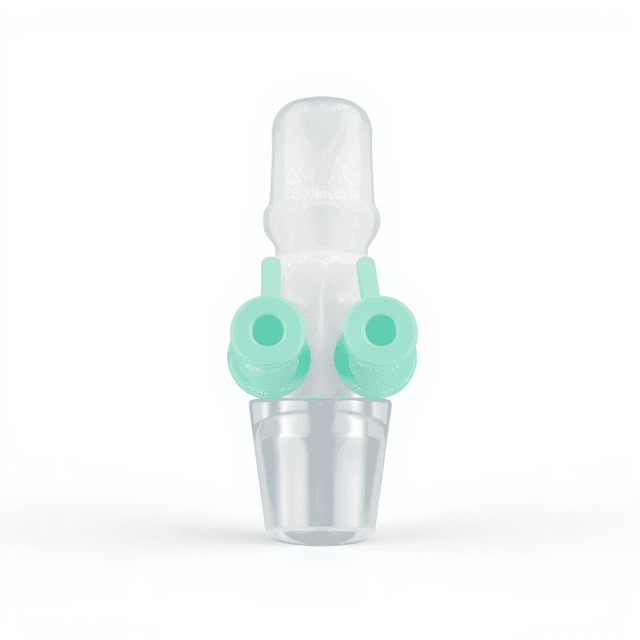
Replacement Parts & Consumables
Frequently Bought Together
Upgrade Options