MRI Compatible Concentric Tubing Masks
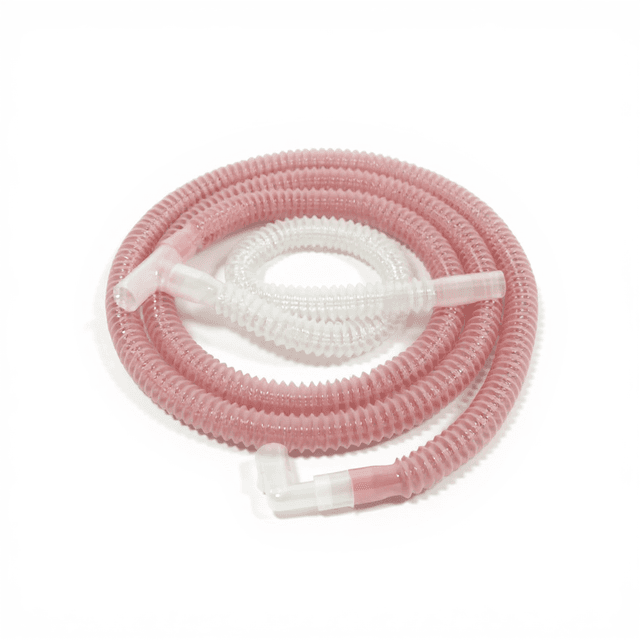
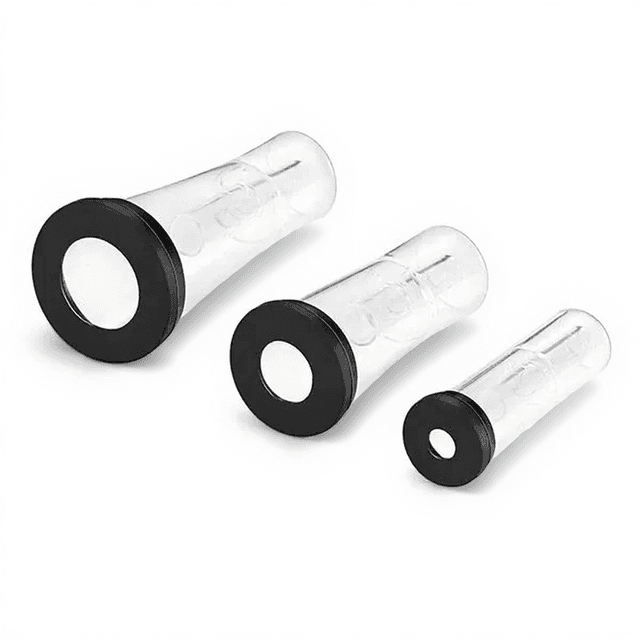
Using Concentric Tubing design, sturdy and durable, compatibility between rat and mice achieved by replacing the inner core.
The entire mask (including tubing) is made of non-metallic material suitable for MRI environments. The mask can be fixed by fixed bracket (68626) or platform (R510-PGL).

Louise Corscadden, PhD
Director of Science · ConductScience
Ask Louise about MRI Compatible Concentric Tubing Masks fit, setup, configuration, or quote prep.
Already working with us? Sign in to connect this with My Scientist.
Key Specifications
Full details →- Model fit
- Hamster, Rabbit, Mouse, Rat, Guinea pig
- SKU family
- RWD-R510-M
- Shipping box
- 18.2 x 20.8 x 17.6 cm
- Ordering
- Online checkout and quote request available
- Category
- Anesthesia & Ventilation
- Build notes
- non-metallic
Description
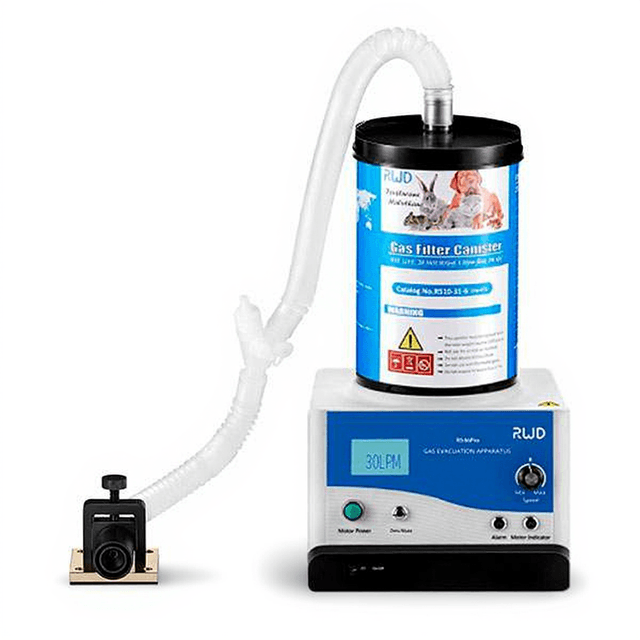
This traditional anesthesia solution features a concentric tubing mask design, offering greater flexibility for animal positioning on the table and a wider field of view around the animal's head compared to traditional cone masks. A key advantage is its efficient scavenging system, which effectively draws away leaked waste gas from around the animal's nose.
The entire mask, including all tubing, is constructed from non-metallic, MRI-compatible materials, ensuring safe use in MRI environments. Its sturdy and durable design allows for convenient placement on any desktop.
Manufacturer Source: https://www.rwdstco.com/product-item/cone-masks/
How It Works
The concentric tubing design operates on the principle of separated gas flow pathways, where fresh anesthetic gas is delivered through the inner tubing while exhaled gases and waste anesthetics are evacuated through the outer annular space. This configuration creates a continuous flow pattern that minimizes rebreathing while maintaining consistent anesthetic delivery.
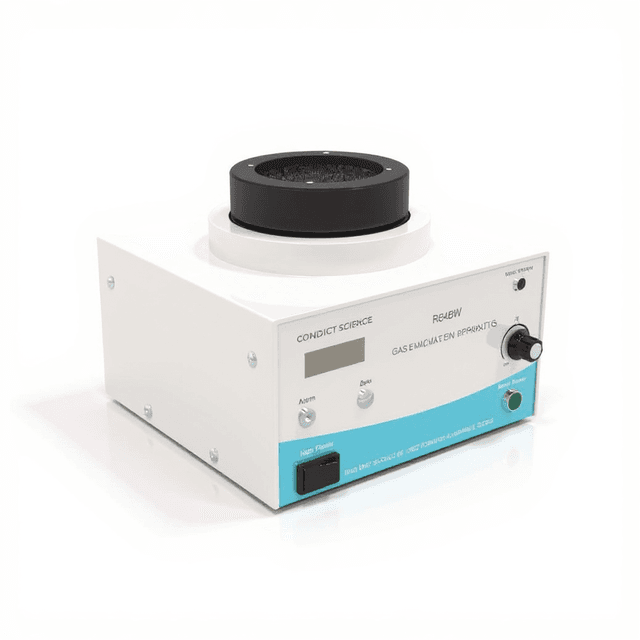
The scavenging system utilizes negative pressure to actively draw waste gases away from the animal's breathing zone, preventing accumulation of exhaled anesthetics and reducing environmental exposure. The non-metallic construction eliminates magnetic field interactions that could compromise MRI image quality or pose safety risks in the high-field magnetic environment.
The desktop-stable design distributes weight and connection points to maintain system integrity during animal positioning and movement, while the enhanced field of view accessibility allows for concurrent monitoring equipment placement and procedural interventions without compromising anesthetic delivery.
Features & Benefits
MRI Compatible
- Yes
Mask Design
- concentric tubing
Scavenging System
- efficient waste gas scavenging
Desktop Placement
- convenient desktop placement
Automation Level
- manual
Brand
- RWD
Material
- non-metallic
Research Domain
- Behavioral Pharmacology
- Cancer Research
- Cardiovascular
- Developmental Biology
- Neurodegeneration
- Neuroscience
Species
- Hamster
- Rabbit
- Mouse
- Rat
- Guinea pig
Shipping weight
- 0.66 lb
Shipping box
- L: 18.2 cm
- W: 20.8 cm
- H: 17.6 cm
| Feature | This Product | Typical Alternative | Advantage |
|---|---|---|---|
| Tubing Design | Concentric tubing configuration with separated gas pathways | Single-path tubing or traditional cone designs with limited scavenging | Improves waste gas management and reduces environmental exposure during procedures. |
| MRI Compatibility | Complete non-metallic construction for full MRI compatibility | Some systems contain metallic components requiring safety precautions | Enables unrestricted use in any MRI environment without safety concerns or image artifacts. |
| Animal Positioning | Enhanced positioning flexibility with wide field of view access | Cone masks often restrict access and positioning options | Facilitates concurrent monitoring and procedural access while maintaining anesthetic delivery. |
| Scavenging System | Integrated efficient waste gas scavenging through outer tubing pathway | Basic scavenging or reliance on room ventilation systems | Provides active waste gas removal directly at the source for improved safety compliance. |
The system combines MRI-safe materials with an innovative concentric design that addresses the dual challenges of flexible animal positioning and effective waste gas management. The integrated scavenging system and non-metallic construction make it particularly suitable for imaging-based research protocols requiring extended anesthesia delivery.
Practical Tips
Establish baseline flow rates for your typical animal sizes and anesthetic protocols before imaging sessions.
Why: Pre-determined settings reduce setup time and ensure consistent anesthetic delivery during time-sensitive imaging procedures.
Inspect tubing connections and mask seals regularly for wear or damage that could compromise gas delivery or scavenging efficiency.
Why: System integrity is critical for both animal safety and consistent anesthetic delivery during prolonged procedures.
Test scavenging system function before each use by verifying negative pressure draw and waste gas evacuation.
Why: Proper scavenging protects personnel from anesthetic exposure and maintains compliance with safety protocols.
Verify all components are properly secured before moving animals into the MRI environment.
Why: Loose components could become projectiles in the magnetic field, posing serious safety risks to personnel and equipment.
If scavenging appears inefficient, check for obstructions in the outer tubing pathway and verify vacuum source connections.
Why: Blocked scavenging compromises safety and may lead to anesthetic accumulation around the animal.
Position the mask to minimize movement artifacts while maintaining clear access for physiological monitoring equipment.
Why: Stable positioning reduces motion artifacts in imaging data while allowing concurrent vital sign monitoring.
Setup Guide
What’s in the Box
- MRI-compatible anesthesia mask (typical)
- Concentric tubing assembly
- Gas line connectors (typical)
- Scavenging system components (typical)
- User manual and setup instructions (typical)
Warranty
ConductScience provides a standard one-year manufacturer warranty covering defects in materials and workmanship, with technical support available for setup guidance and troubleshooting throughout the warranty period.
Compliance
What anesthetic agents are compatible with this mask system?
The non-metallic construction is compatible with standard volatile anesthetics including isoflurane, sevoflurane, and halothane, as well as oxygen and nitrous oxide mixtures commonly used in research protocols.
How does the scavenging efficiency compare to traditional cone masks?
The concentric design provides more effective scavenging by creating a dedicated exhaust pathway around the animal's nose, reducing waste gas accumulation compared to cone masks that rely on room ventilation.
What is the maximum field strength for MRI compatibility?
Consult product datasheet for specific field strength ratings, though the non-metallic construction is designed for compatibility with standard research MRI systems.
Can this system be used for both induction and maintenance anesthesia?
The mask is primarily designed for maintenance anesthesia; induction is typically performed separately in an induction chamber before transferring the animal to the imaging setup.
What cleaning and sterilization methods are recommended?
The non-metallic materials typically support standard veterinary cleaning protocols including alcohol disinfection and autoclave sterilization, though specific guidelines should be confirmed in the product documentation.
How does positioning flexibility benefit imaging protocols?
The concentric design allows for animal positioning adjustments without disconnecting gas delivery, enabling optimization of imaging angles and access for monitoring equipment during procedures.
Have a question about this product?
Have a question? Just ask.
Send it over and we'll email you a personalized answer — no call, no scheduling.
Prefer to talk it through?
Accessories
Enhance your setup with compatible accessories
Frequently Bought Together