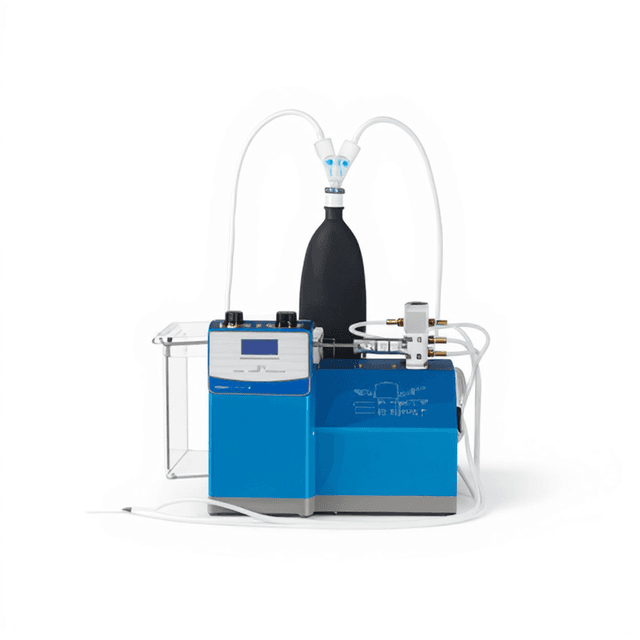
Complete Passive Anesthesia System
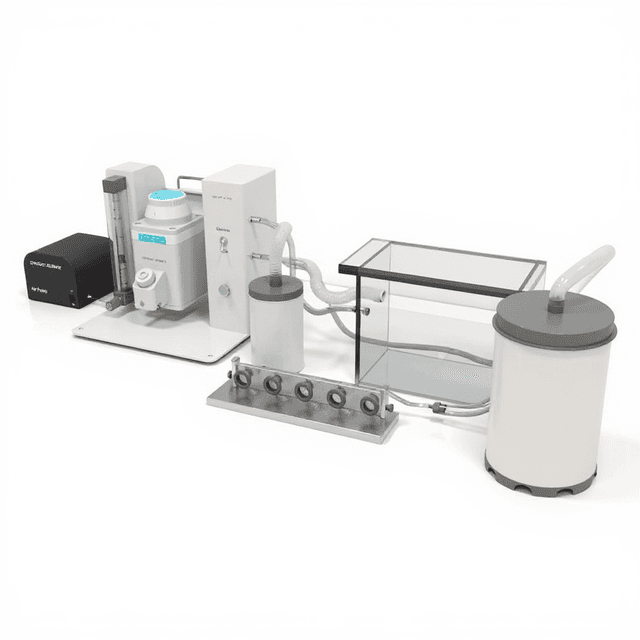
This Complete Passive Anesthesia System provides a safe and efficient solution for small animal research.
Featuring an anesthesia machine, induction chamber, and passive gas scavenging, it ensures operator safety and precise anesthesia delivery for various experimental needs.

Louise Corscadden, PhD
Director of Science · ConductScience
Ask Louise about Complete Passive Anesthesia System fit, setup, configuration, or quote prep.
Already working with us? Sign in to connect this with My Scientist.
Key Specifications
Full details →- Model fit
- V101 for rats, V100 for mice
- SKU family
- RWD-PAS-MO / RWD-PAS-RAT
- Shipping box
- 34.0 x 39.0 x 33.0 cm
- Ordering
- Online checkout and quote request available
- Category
- Anesthesia & Ventilation
- Build notes
- Confirm accessories, station layout, and support needs before purchase
Description
This anesthesia system offers a controlled and secure experimental environment. It features an integrated air pump, anesthesia machine, induction chamber, and a passive gas scavenger system designed to protect the operator by safely managing waste anesthetic gases. With interchangeable masks (V101 for rats and V100 for mice), this system is adaptable for various small animal procedures, enabling precise anesthesia for research applications.
Specifications
Comes with the following items, the key difference with this system is the active scavenging system as well as the surgical platform inclusion
Configuration for Mouse
|
SKU |
Product |
Description |
|---|---|---|
|
RWD-R510-30 |
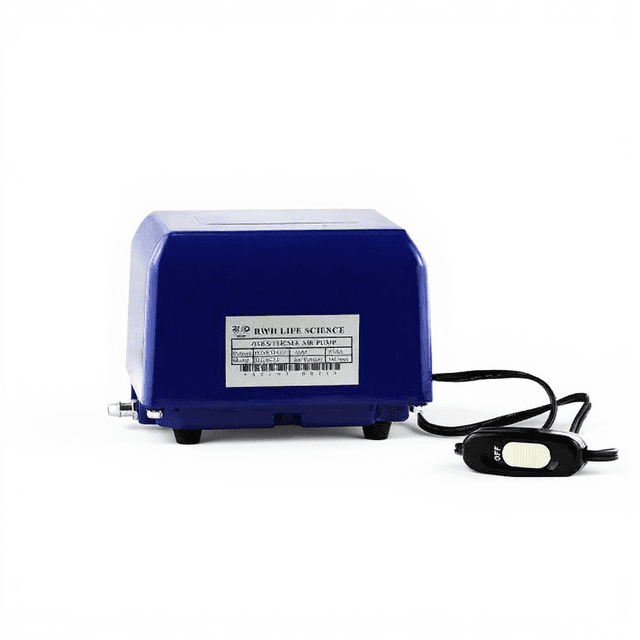
Continuously compresses air through the power system, generating air pressure, and providing an air source for the anesthesia machine. |
|
|
RWD-TAIJI-IE, TAIJI-IP and TAIJI-SE |
Compact Small Animal Anesthesia Machine |
Animal surgical procedures in small laboratories |
|
RWD-V100 |
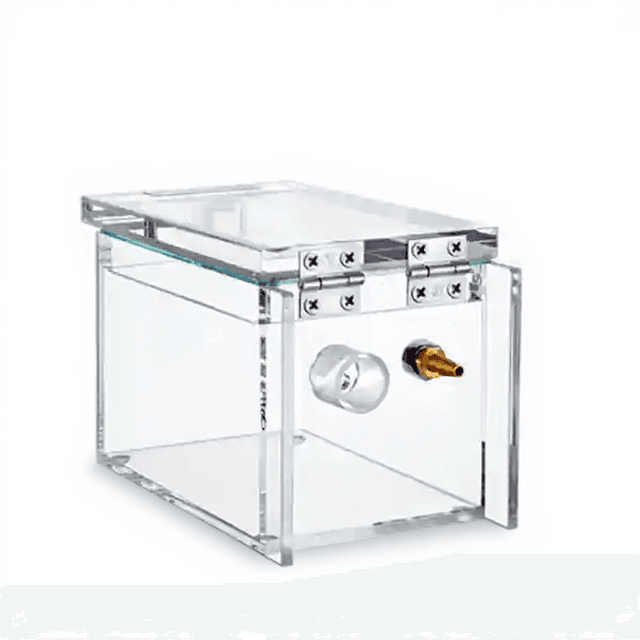
Induction Chamber-Mouse (15cm*10cm*10cm) |
Used to confine the rodent in a closed space during anesthesia procedures |
|
RWD-66681 |
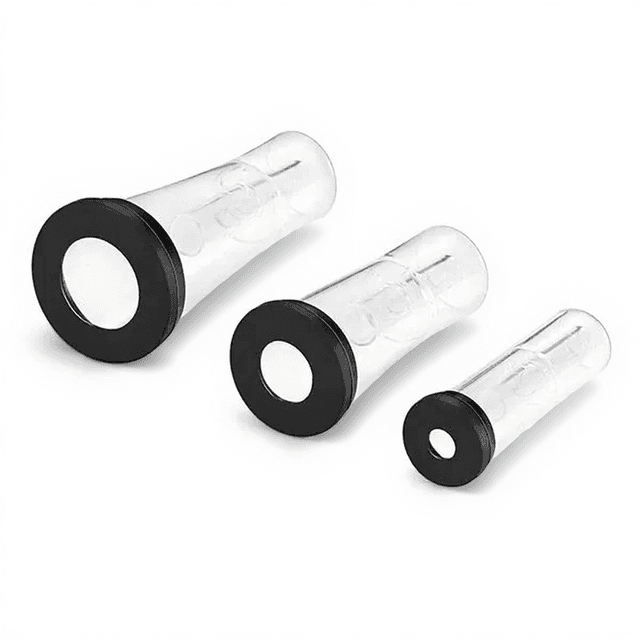
Cone Mask with Tubing for Mouse or Neonatal Rat (15g~40g) |
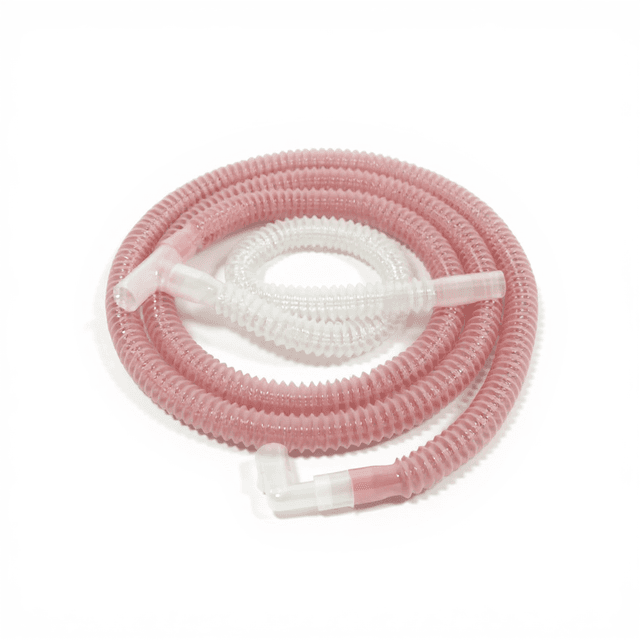
Features an integrated inlet tubing that directs anesthesia gas while allowing exhaust gases to be absorbed by a gas filter canister |
|
RWD-R510-PYZ |
Small Animal Anesthesia Operation Platform-for Anesthesia Cone Mask |
Facilitate safe and efficient anesthesia administration for small animals during surgical procedures. |
|
RWD-R510-31-6 |
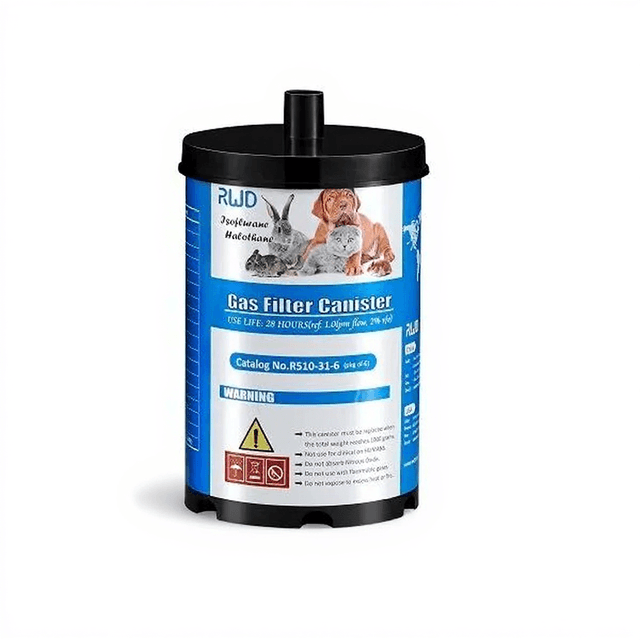
Used to absorb isoflurane and sevoflurane in anesthetic waste gas to prevent the anesthetic contamination of the operating room to the veterinarian. |
Configuration for Rat
|
SKU |
Product |
Description |
|---|---|---|
|
RWD-R510-30 |
Continuously compresses air through the power system, generating air pressure, and providing an air source for the anesthesia machine. |
|
|
RWD-TAIJI-IE, TAIJI-IP and TAIJI-SE |
Compact Small Animal Anesthesia Machine |
Animal surgical procedures in small laboratories. |
|
RWD-V101 |
Used to confine the rodent in a closed space during anesthesia procedures |
|
|
RWD-66682 |
Cone Mask with Tubing for Rat (200-350g) |
Features an integrated inlet tubing that directs anesthesia gas while allowing exhaust gases to be absorbed by a gas filter canister |
|
RWD-R510-PYZ |
Small Animal Anesthesia Operation Platform-for Anesthesia Cone Mask |
Facilitate safe and efficient anesthesia administration for small animals during surgical procedures. |
|
RWD-R510-31-6 |
Used to absorb isoflurane and sevoflurane in anesthetic waste gas to prevent the anesthetic contamination of the operating room to the veterinarian. |
Manufacturer Source: https://www.rwdstco.com/product-item/multi-function-anesthesia-solutions/
How It Works
The system operates through controlled vaporization of volatile anesthetics using precision flow regulation and concentration mixing. The dedicated air pump generates consistent positive pressure flow through the TAIJI vaporizer, which employs a temperature-compensated bypass chamber to deliver precise anesthetic concentrations. Fresh gas flow entrains volatile agent from the vaporizer reservoir, creating a controlled mixture that flows through the delivery circuit to induction chambers or nose cone masks.
During induction, animals are placed in sealed chambers where anesthetic concentration rapidly equilibrates with alveolar partial pressure, typically achieving surgical anesthesia within 3-5 minutes at 5% isoflurane concentrations. For maintenance phases, concentration is reduced to 1.5-2.5% through nose cone delivery, allowing continuous monitoring and rapid adjustment of anesthetic depth based on physiological responses.
The passive scavenging system captures waste gases through activated charcoal adsorption and atmospheric dilution, reducing ambient volatile agent concentrations. Exhaled gases and circuit overflow are directed through the scavenging interface, where charcoal media adsorbs volatile molecules while allowing CO2 elimination, protecting operators from chronic low-level exposure during extended procedures.
Features & Benefits
Integrated Components
- air pump, anesthesia machine, induction chamber, passive gas scavenger system
Mask Compatibility
- V101 for rats, V100 for mice
Scavenging System
- passive gas scavenger system
Operator Protection
- waste anesthetic gas management
Mask Interchangeability
- yes
Automation Level
- semi-automated
Brand
- RWD
Research Domain
- Behavioral Pharmacology
- Cancer Research
- Cardiovascular
- Developmental Biology
- Metabolic Research
- Neuroscience
Shipping weight
- 8.27 lb
Shipping box
- L: 34.0 cm
- W: 39.0 cm
- H: 33.0 cm
| Feature | This Product | Typical Alternative | Advantage |
|---|---|---|---|
| Anesthetic Concentration Range | 0.5-5% isoflurane delivery with TAIJI precision vaporizer | Basic vaporizers often provide 1-4% range with lower precision | Extended range supports both light sedation protocols and rapid induction requirements in diverse research applications. |
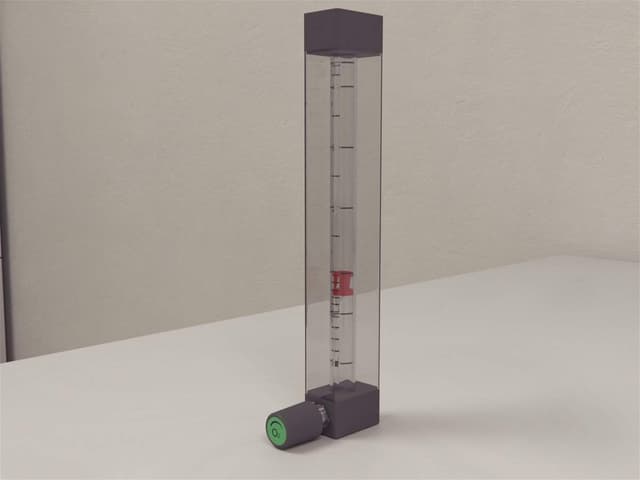
| Flow Rate Control | 0.5-5.0 L/min variable flow with integrated pump system | Manual flow control systems may lack fine adjustment capability | Precise flow control enables optimization for different species body weights and metabolic rates. |
| Scavenging System Type | Integrated passive scavenging with replaceable charcoal media | Many basic systems lack scavenging or require external vacuum connections | Reduces operator exposure without facility infrastructure requirements, enabling use in standard laboratory environments. |
| Species Compatibility | Optimized chambers and masks for both mice and rats with V100/V101 components | Generic chambers may not provide species-appropriate volumes | Species-specific optimization improves induction efficiency and reduces anesthetic waste through appropriate dead space ratios. |
| System Integration | Complete factory-matched component system with surgical platform | Assembled systems may have component compatibility limitations | Eliminates setup complexity and ensures component compatibility for reliable performance in research protocols. |
| Pressure Source | Dedicated RWD-R510-30 air pump independent of facility air | Facility-dependent systems require central compressed air connections | Provides operational independence from facility infrastructure and eliminates concerns about air quality or pressure fluctuations. |
The system integrates precision vaporization, species-optimized delivery components, and passive waste gas management in a facility-independent design. The combination of accurate concentration control, integrated scavenging, and complete component matching provides reliable anesthetic delivery for research protocols requiring consistent performance across extended experimental periods.
| Model | SKU | Listed price | Status | Shipping box |
|---|---|---|---|---|
| Rat | RWD-PAS-RA | $2,900.00 | Available | 34.0 x 39.0 x 33.0 cm |
| Mouse | RWD-PAS-MO | $2,900.00 | Available | 34.0 x 39.0 x 33.0 cm |
Practical Tips
Verify vaporizer output concentration using anesthetic agent analyzer or calibrated detector tubes at low, medium, and high settings monthly.
Why: Vaporizer accuracy can drift over time due to temperature variations and component wear, affecting experimental reproducibility.
Replace passive scavenging charcoal canisters before saturation (typically 40-60 hours of use) and store replacement canisters in sealed containers.
Why: Saturated charcoal loses adsorption capacity, allowing waste gas breakthrough that increases operator exposure risk.
Pre-fill induction chambers with anesthetic gas for 1-2 minutes before animal placement to achieve rapid, stress-free induction.
Why: Chamber pre-loading eliminates the anxiety-inducing period when animals are conscious in unfamiliar environments with rising anesthetic concentrations.
Use anesthetic detection badges or personal monitors to verify that scavenging system performance maintains acceptable exposure levels.
Why: Passive scavenging effectiveness varies with flow rates and ambient conditions, requiring periodic verification to ensure operator safety.
If anesthetic concentration appears inconsistent, check for liquid level in vaporizer reservoir and verify all connections are leak-free using soapy water.
Why: Low anesthetic liquid levels or gas leaks are common causes of concentration variability that can compromise experimental protocols.
Record ambient temperature and humidity conditions when establishing anesthetic protocols, as these affect vaporizer performance.
Why: Environmental conditions influence vaporizer output characteristics and animal response to anesthetics, affecting protocol reproducibility.
Maintain consistent flow rates and chamber configurations across experimental sessions to minimize protocol variability.
Why: Anesthetic uptake and distribution are influenced by delivery parameters, making standardization essential for experimental consistency.
Clean anesthetic masks and tubing with appropriate disinfectants between different animal groups to prevent cross-contamination.
Why: Pathogen transmission through shared anesthetic equipment can compromise animal health and experimental validity.
Setup Guide
What’s in the Box
- RWD-R510-30 air pump with pressure regulation
- TAIJI series precision anesthesia vaporizer
- V100 mouse induction chamber (15cm x 10cm x 10cm)
- V101 rat induction chamber (optional for rat system)
- Species-appropriate anesthesia masks
- Passive gas scavenging system with charcoal canister
- Integrated surgical platform
- Connection tubing and fittings
- Flow rate adjustment controls
- User manual and setup documentation
- Safety protocols and monitoring guidelines
Warranty
ConductScience provides a 12-month manufacturer warranty covering defects in materials and workmanship, with technical support available for system setup, calibration, and troubleshooting throughout the warranty period.
Compliance
References
Background reading relevant to this product:
What anesthetic concentrations can this system reliably deliver for induction and maintenance phases?
The TAIJI vaporizer delivers 5% isoflurane for rapid induction (typically 3-5 minutes to loss of righting reflex) and maintains surgical anesthesia at 1.5-2.5% concentrations with ±0.1% accuracy across flow rates of 0.5-5.0 L/min.
How does the passive scavenging system compare to active extraction methods?
The passive system uses activated charcoal adsorption to capture waste gases without requiring ducted exhaust or vacuum connections, making it suitable for laboratories without dedicated anesthetic gas evacuation systems, though active scavenging provides more complete waste gas removal.
What maintenance requirements are needed for optimal system performance?
Replace charcoal canisters every 40-60 hours of use, clean vaporizer reservoir monthly with manufacturer-approved solvents, and perform quarterly leak testing of all connections. Flow rate calibration should be verified semi-annually using certified reference standards.
Can this system accommodate procedures requiring mechanical ventilation?
The system provides spontaneous breathing circuits through nose cone delivery; procedures requiring positive pressure ventilation would need additional mechanical ventilator integration, though the anesthetic delivery components remain compatible with most laboratory ventilator systems.
How quickly can animals be switched between induction chamber and maintenance delivery?
Transfer from chamber to nose cone typically occurs within 30-60 seconds once surgical anesthesia is achieved, with continuous anesthetic delivery maintained throughout the transition to prevent awareness episodes.
What safety monitoring is essential when using volatile anesthetics with this system?
Continuous monitoring of respiratory rate, heart rate, and reflexes is required, with supplemental temperature support for procedures exceeding 10 minutes. Ambient anesthetic monitoring using detection badges helps verify scavenging system effectiveness.
How does chamber size affect induction efficiency in different species?
The V100 mouse chamber (150mL) provides optimal volume-to-bodyweight ratio for rapid equilibration, while larger species require proportionally larger chambers to maintain efficient induction without excessive anesthetic consumption.
What backup procedures should be established in case of system failure?
Emergency protocols should include manual bag-mask ventilation capability, reversal agent availability, and alternative anesthetic delivery methods. System redundancy through backup vaporizer availability is recommended for critical procedures.
Have a question about this product?
Have a question? Just ask.
Send it over and we'll email you a personalized answer — no call, no scheduling.
Prefer to talk it through?
Accessories
Enhance your setup with compatible accessories
Frequently Bought Together
Upgrade Options