Anesthesia Air Pump (Machine Air Source)
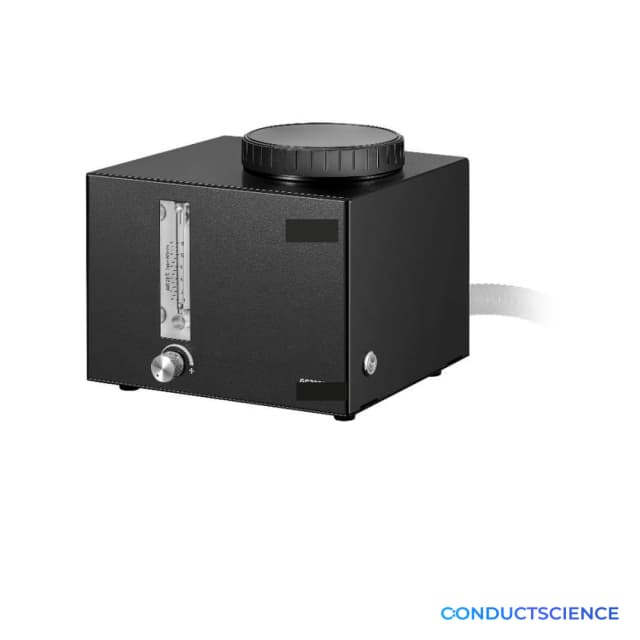
Compact anesthesia air pump for small-animal gas anesthesia machines, providing low-noise machine air-source support with up to 15 L/min gas supply flow, 3.5 L/min anesthesia-machine workflow flow, 18 kPa maximum pressure, 17 W power draw, and 110V or 220V configuration options.

Louise Corscadden, PhD
Director of Science · ConductScience
Ask Louise about Anesthesia Air Pump (Machine Air Source) fit, setup, configuration, or quote prep.
Already working with us? Sign in to connect this with My Scientist.
Key Specifications
Full details →- Model fit
- 2 selectable configurations
- SKU family
- RWD-R510-29-0
- Shipping box
- 20.0 x 14.0 x 13.0 cm
- Ordering
- Online checkout and quote request available
- Category
- Anesthesia & Ventilation
- Build notes
- Confirm accessories, station layout, and support needs before purchase
Overview
The Anesthesia Air Pump for Small-Animal Anesthesia Machines is a compact machine air-source option for benchtop rodent anesthesia stations. It continuously compresses room air through an internal power system to generate air pressure for the anesthesia machine, giving labs a small, low-noise source when the workflow is built around air supply rather than a dedicated oxygen generator.
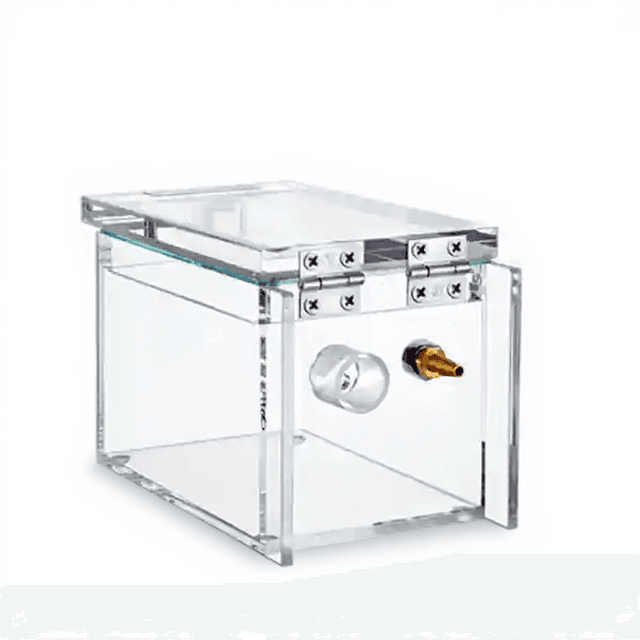
This product is useful for laboratories configuring a basic inhalation anesthesia station, replacing or standardizing the machine air-source component, or building a setup around a vaporizer, induction chamber, cone masks, stereotaxic masks, and waste-gas scavenging path. The source specifications call out stable airflow, noise under 24 dB, up to 15 L/min gas supply flow, 3.5 L/min flow while used with an anesthesia machine, 18 kPa maximum air-supply pressure, and a compact 163 x 128 x 111 mm footprint.
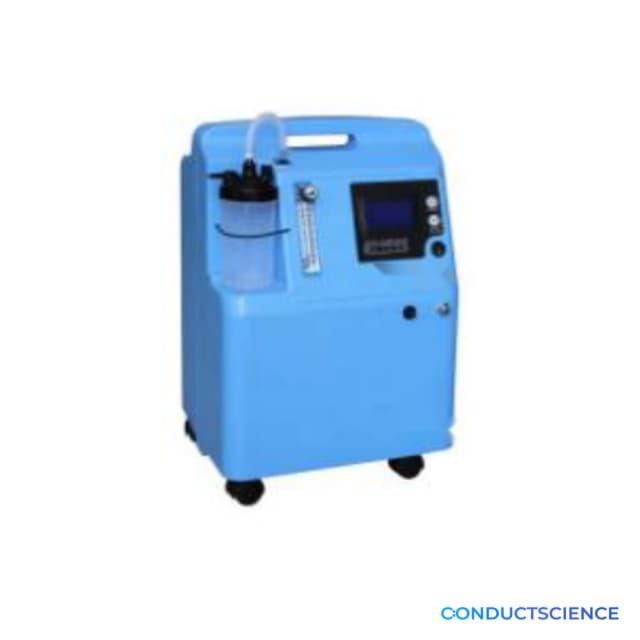
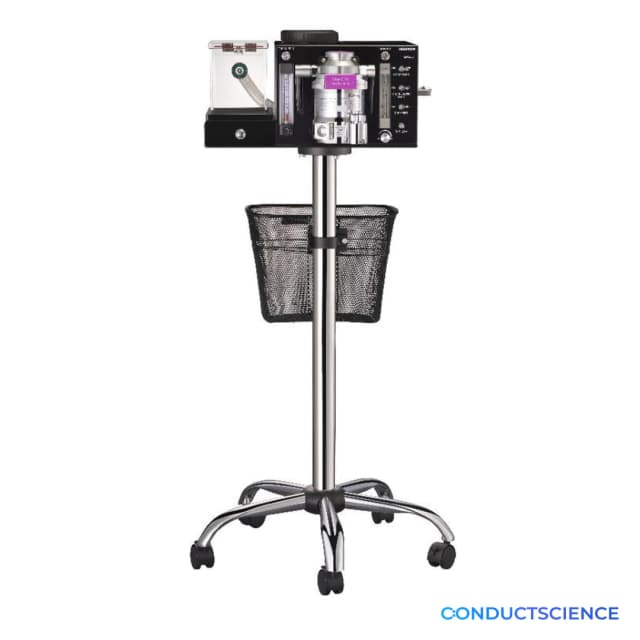
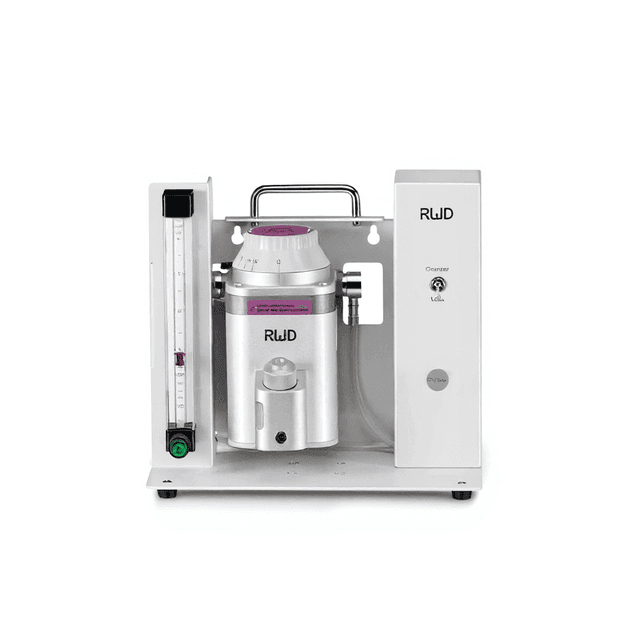
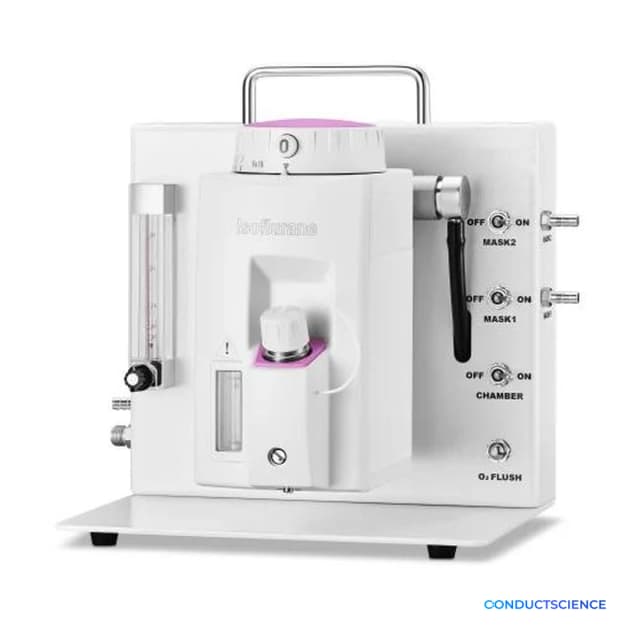
The buying decision is station fit. The air pump is the right product when the anesthesia machine needs compact room-air source support. The laboratory oxygen generator is the better planning path when the station should be built around oxygen-source support, while complete anesthesia systems and mobile workstations bring the air source, vaporizer, chamber, masks, scavenger, and support accessories together in a larger configured package.
Scientific Use
Small-animal inhalation anesthesia workflows depend on stable gas-source planning around induction, mask maintenance, stereotaxic positioning, surgery benches, imaging preparation, and recovery workflows. A compact air pump helps keep the machine air-source component simple, quiet, and easy to place around shared benchtop anesthesia setups.
Buying Fit
Use this page to standardize the air-source accessory for a small-animal anesthesia machine. Select the 110V or 220V configuration around the lab power environment, then pair the pump with the appropriate anesthesia machine, vaporizer, chamber, mask, tubing, flowmeter, scavenger, warming, and monitoring products for the full station.
How It Works
The Anesthesia Air Pump operates through a continuous compression mechanism that draws ambient air and pressurizes it for delivery to anesthesia vaporizers. The internal compressor system maintains consistent output pressure and flow rate, ensuring stable carrier gas delivery for volatile anesthetic agents. The compressed air serves as the carrier gas that entrains anesthetic vapors from the vaporizer chamber and delivers the anesthetic mixture to the animal breathing circuit.
The pump's continuous operation design eliminates pressure fluctuations that could affect anesthetic concentration delivery. Low mechanical noise generation minimizes acoustic interference with research procedures, while the compact form factor allows placement near anesthesia workstations. Dual voltage compatibility (110V/220V) enables operation across different laboratory electrical systems without requiring additional transformers.
Features & Benefits
Workflow fit
- Machine air-source support for small-animal gas anesthesia machines
Flow output
- Up to 15 L/min gas supply flow; 3.5 L/min while used with anesthesia machine
Air pressure
- 18 kPa maximum air supply pressure; 2.7 kPa air extraction force
Noise
- Less than 24 dB source-specified noise level
Footprint and power
- 163 x 128 x 111 mm body; 17 W power draw; 110V and 220V configurations
Plan with
- Anesthesia machine, vaporizer, induction chamber, masks, tubing, flowmeter, scavenger, warming, and monitoring
Shipping weight
- 7.72 lb
Shipping box
- L: 20.0 cm
- W: 14.0 cm
- H: 13.0 cm
| Feature | This Product | Typical Alternative | Advantage |
|---|---|---|---|
| Voltage Compatibility | Dual voltage operation (110V/220V) | Single voltage models often require specific electrical configurations | Provides installation flexibility across different laboratory electrical systems without additional transformers. |
| Noise Level | Low mechanical noise generation | Standard compressors may generate higher noise levels | Minimizes acoustic interference with sensitive research procedures and reduces animal stress. |
| Operation Mode | Continuous operation capability | Some pumps require intermittent operation cycles | Supports extended research sessions without interruption or pressure drops. |
| Airflow Stability | Stable airflow delivery | Entry-level pumps may have pressure fluctuations | Maintains consistent anesthetic concentration delivery for reliable research protocols. |
| Size Profile | Compact dimensions (20 x 14 x 13 cm) | Larger compressors may require more bench space | Allows placement in space-constrained research environments and easy relocation between workstations. |
This air pump offers dual voltage operation, stable continuous airflow, and low noise design specifically optimized for laboratory anesthesia applications. The compact size and dedicated anesthesia machine compatibility provide practical advantages for research environments.
| Model | SKU | Listed price | Status | Shipping box |
|---|---|---|---|---|
| 220V | RWD-R510-30 | $360.00 | Available | 20.0 x 14.0 x 13.0 cm |
| 110V | RWD-R510-29 | $360.00 | Available | 20.0 x 14.0 x 13.0 cm |
Practical Tips
Include the target species and procedure context in the quote request.
Why: Mouse and rat machine air-source support for small-animal gas anesthesia machines workflows may require different handling scale and support components.
Review anesthesia and animal-support equipment alongside the surgical kit.
Why: Surgical instruments are only one part of a reproducible small-animal procedure setup.
Treat exact kit contents as quote-confirmed rather than fixed from the preview page.
Why: This keeps the public listing accurate while allowing the final configuration to match the lab workflow.
Setup Guide
What’s in the Box
- Anesthesia air pump body
- Selected 110V or 220V power configuration
- Machine air-source specification set for anesthesia-machine planning
- Quote-reviewed station accessories when ordered with anesthesia machine, chamber, masks, tubing, flowmeter, scavenger, or workstation
Warranty
Support, replacement, and fulfillment terms are confirmed with the final quote and institutional purchasing requirements.
Compliance
References
Background reading relevant to this product:
When should I choose the air pump instead of the oxygen generator?
Choose the air pump when the anesthesia machine workflow is planned around room-air source support. Choose the oxygen generator when the station should be planned around a dedicated oxygen source.
What flow and pressure should I plan around?
The source specification lists up to 15 L/min gas supply flow, 3.5 L/min while used with an anesthesia machine, 18 kPa maximum air-supply pressure, and 2.7 kPa air extraction force.
Is it quiet enough for a small-animal procedure room?
The source specification lists noise below 24 dB, making it a compact low-noise air-source accessory for benchtop anesthesia stations.
Which voltage should I select?
Select the 110V or 220V configuration that matches the lab power environment.
What should be ordered with it?
Plan the anesthesia machine, vaporizer, induction chamber, masks, tubing/connectors, flowmeter, scavenger, warming, and monitoring products around the final station layout.
Have a question about this product?
Have a question? Just ask.
Send it over and we'll email you a personalized answer — no call, no scheduling.
Prefer to talk it through?
Accessories
Enhance your setup with compatible accessories
Frequently Bought Together
Upgrade Options