Anesthesia Cone Masks for Mouse and Rat
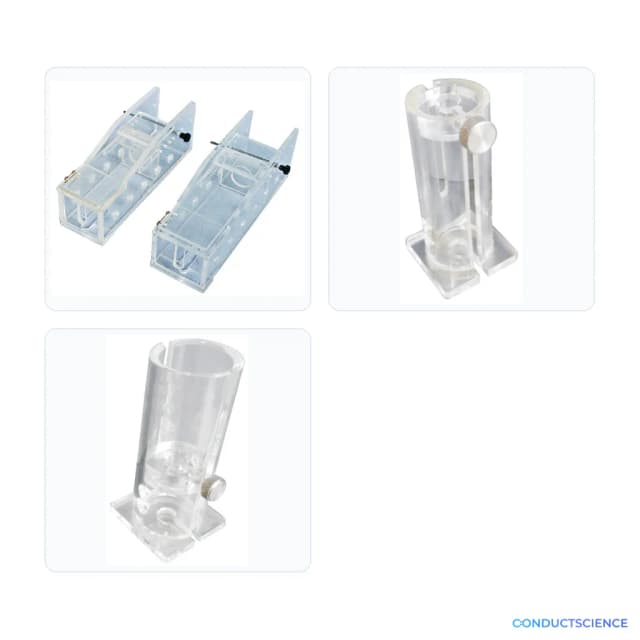
The Anesthesia Rodent Cone Mask is designed for administering anesthesia to small animals.
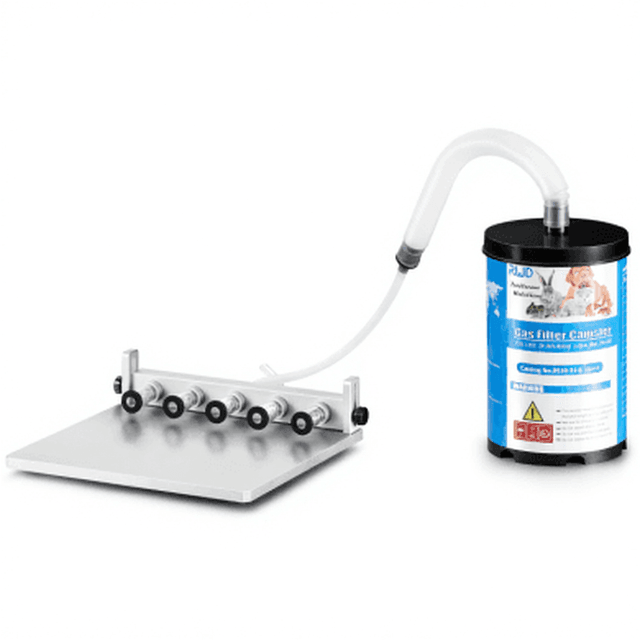
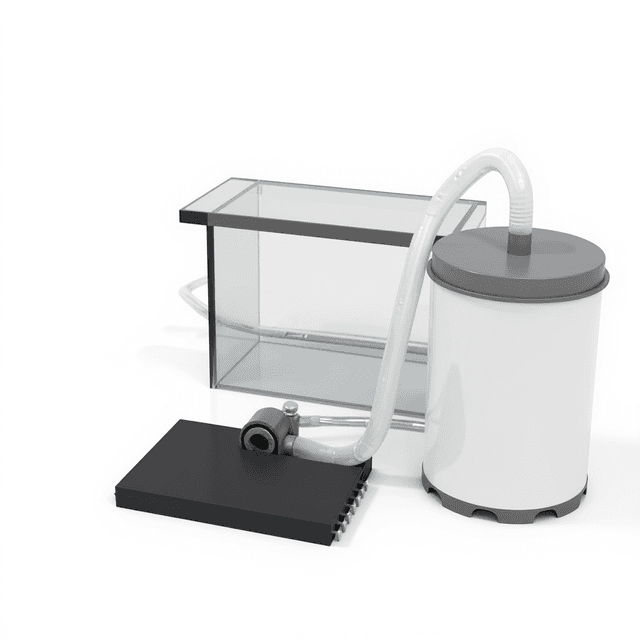
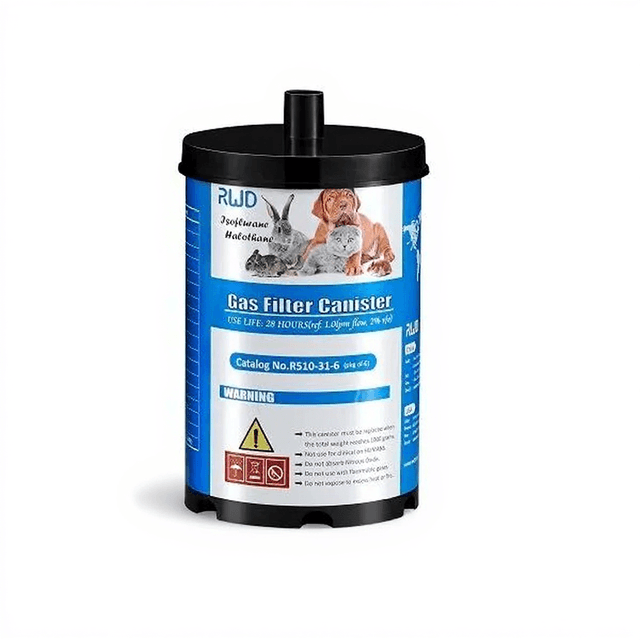
It features an integrated inlet tubing that directs anesthesia gas while allowing exhaust gases to be absorbed by a gas filter canister. The mask also provides clear access to the animal’s eyes, ears, and the top of the head, facilitating various procedures.

Louise Corscadden, PhD
Director of Science · ConductScience
Ask Louise about Anesthesia Cone Masks for Mouse and Rat fit, setup, configuration, or quote prep.
Already working with us? Sign in to connect this with My Scientist.
Key Specifications
Full details →- Model fit
- 68620 anesthesia operation platform
- SKU family
- RWD-68680/68681-68682
- Shipping box
- 12.6 x 14.5 x 12.3 cm
- Ordering
- Online checkout and quote request available
- Category
- Anesthesia & Ventilation
- Build notes
- Confirm accessories, station layout, and support needs before purchase
Specifications
| Model | Product Description | O. D [Size] | I.D [size] | Deepth [size] |
|---|---|---|---|---|
| 68680 | Cone Mask with Tubing for Neonatal Mouse(<15g) | 13mm | 5mm | 24mm |
| 68681 | Cone Mask with Tubing for Mouse or Neonatal Rat(15-40g) | 20mm | 10mm | 28.5mm |
| 68682 | Cone Mask with Tubing for Rat(200-350g) | 25mm | 15mm | 38mm |
Introduction
The Cone Masks can be installed onto one anesthesia operation platform (300 x 210 x 75mm) for the delivery of anesthetic gases to an animal’s nose.
- Clear cone for full visualization of the muzzle.
- The Cone Masks can be installed onto the 68620 anesthesia operation platform(300*210*75mm) to secure the animal.
- The height of the mask can be adjusted to meet different experimental needs.
- A special semi-enclosed mask design coordinates with the evacuation apparatus to completely absorb and remove the waste gas outside the mask.
Manufacturer Source: https://www.rwdstco.com/product-item/cone-masks/
How It Works
The cone masks deliver anesthetic gases through a controlled airflow system that creates a localized atmosphere around the animal's muzzle. The semi-enclosed design allows anesthetic vapors to concentrate while maintaining adequate ventilation for respiratory function. Gas delivery occurs through integrated tubing connections that interface with standard anesthesia vaporizers and delivery systems.
The clear polycarbonate construction enables visual monitoring of respiratory patterns and mucous membrane coloration during procedures. The adjustable height mechanism allows optimization of mask positioning relative to the animal's anatomy, ensuring consistent gas delivery while minimizing dead space. Waste gas removal occurs through coordination with evacuation apparatus that creates negative pressure flow to capture excess anesthetic vapors outside the mask perimeter.
Features & Benefits
Platform Compatibility
- 68620 anesthesia operation platform
Platform Dimensions
- 300 x 210 x 75mm
Height Adjustable
- Yes
Mask Design
- Semi-enclosed
Visualization
- Full muzzle visualization
Waste Gas Removal
- Compatible with evacuation apparatus
Automation Level
- manual
Color
- Clear
Species
- Mouse
- Rat
Brand
- RWD
Research Domain
- Behavioral Pharmacology
- Learning and Memory
- Motor Function
- Neuroscience
- Pain Research
- Toxicology
Shipping weight
- 0.22 lb
Shipping box
- L: 12.6 cm
- W: 14.5 cm
- H: 12.3 cm
| Feature | This Product | Typical Alternative | Advantage |
|---|---|---|---|
| Size Range Coverage | Three specific models covering neonatal mice (<15g) through adult rats (200-350g) | Universal masks often use single size with limited weight range optimization | Species-specific sizing improves gas delivery efficiency and reduces dead space for each target animal size |
| Waste Gas Management | Semi-enclosed design with evacuation apparatus coordination | Basic masks often lack integrated waste gas handling features | Enhanced laboratory safety through systematic capture and removal of excess anesthetic vapors |
| Platform Integration | Direct mounting to 68620 anesthesia operation platform with height adjustment | Standalone masks require separate positioning and mounting solutions | Standardized platform integration streamlines setup and ensures reproducible positioning across experiments |
| Visual Monitoring | Clear polycarbonate construction for full muzzle visualization | Opaque or translucent materials limit respiratory monitoring capability | Continuous visual assessment of respiratory patterns and mucous membrane coloration during procedures |
This mask series provides species-optimized sizing with integrated platform mounting and waste gas coordination features designed for laboratory research applications requiring precise anesthetic delivery and safety compliance.
| Model | SKU | Listed price | Status | Shipping box |
|---|---|---|---|---|
| 200-350g - Rat | RWD-68682 | $87.80 | Available | 12.6 x 14.5 x 12.3 cm |
| 15-40g - Mouse or Neonatal Rat | RWD-68681 | $87.80 | Available | 12.6 x 14.5 x 12.3 cm |
| <15g - Neonatal Mouse | RWD-68680 | $87.80 | Available | 12.6 x 14.5 x 12.3 cm |
Practical Tips
Select mask size based on actual animal weight rather than species alone to optimize fit and gas delivery efficiency.
Why: Proper sizing minimizes dead space and ensures adequate anesthetic concentration.
Always verify waste gas evacuation function before beginning procedures to protect laboratory personnel from anesthetic exposure.
Why: Waste gas management is essential for maintaining safe laboratory air quality standards.
Inspect mask and tubing connections for cracks or damage before each use, replacing components showing wear.
Why: Damaged components can compromise gas delivery efficiency and anesthetic control.
Position the mask to maintain slight positive pressure while avoiding excessive dead space around the muzzle area.
Why: Proper positioning ensures effective anesthetic delivery while maintaining respiratory function.
If anesthetic depth appears inadequate, check for leaks at tubing connections and verify proper mask-to-muzzle positioning.
Why: Gas leaks reduce anesthetic efficiency and compromise procedural control.
Monitor respiratory rate and mucous membrane coloration through the clear mask material throughout procedures.
Why: Visual monitoring provides real-time assessment of anesthetic depth and animal physiological status.
Setup Guide
What’s in the Box
- Selected anesthesia cone mask (model-specific sizing)
- Integrated gas delivery tubing
- Platform mounting hardware (typical)
- User instruction documentation (typical)
Warranty
Standard one-year manufacturer warranty covers defects in materials and workmanship with technical support for proper installation and operation.
Compliance
References
Background reading relevant to this product:
What size mask should I select for juvenile mice weighing 20-25 grams?
Use model 68681 designed for mice or neonatal rats in the 15-40g weight range, with 20mm outer diameter and 10mm inner diameter providing appropriate fit for this size animal.
Can these masks be sterilized between uses?
The polycarbonate construction supports standard laboratory sterilization protocols, though specific sterilization methods should be verified for compatibility with your institutional procedures.
How does the waste gas evacuation system work with these masks?
The semi-enclosed design coordinates with evacuation apparatus to create negative pressure flow that captures excess anesthetic vapors outside the mask perimeter.
What platform is required for mask operation?
Masks mount to the 68620 anesthesia operation platform (300 x 210 x 75mm dimensions) which provides the mounting interface and positioning system.
Can mask height be adjusted during procedures?
Yes, the masks feature adjustable height positioning to accommodate different animal sizes and optimize gas delivery efficiency.
What tubing connections are provided with each mask?
Each mask includes integrated tubing designed to interface with standard anesthesia delivery systems and vaporizers.
Have a question about this product?
Have a question? Just ask.
Send it over and we'll email you a personalized answer — no call, no scheduling.
Prefer to talk it through?
Accessories
Enhance your setup with compatible accessories
Frequently Bought Together
![Anesthesia Small Animal Operation Platform [Manifold for Cone & Tubing Mask]](/_next/image?url=https%3A%2F%2Fconductscience.com%2Fwp-content%2Fuploads%2F2026%2F02%2Fkontext%2Fkontext_anesthesia-small-animal-operation-platform-manifold-for-cone-mask.jpg&w=640&q=75)
Upgrade Options