Stereotaxic Injection Animal Anesthesia Solutions
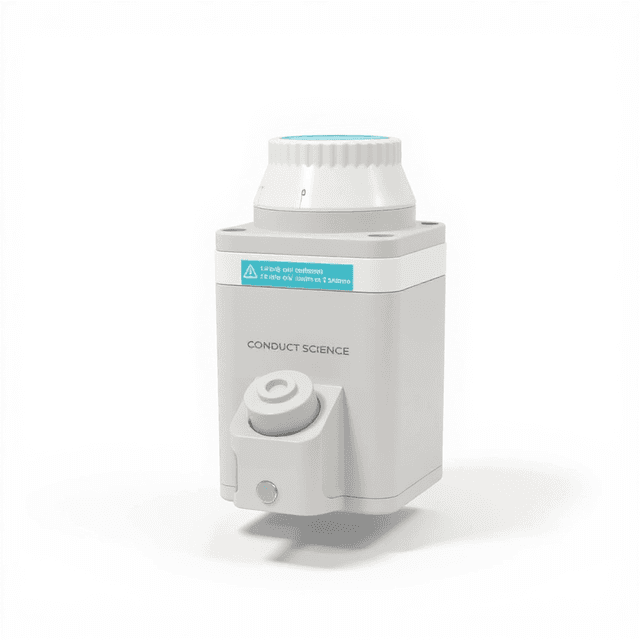
1.High accuracy vaporizer (Each one has an independent test report).. 2.Dual channels: Independent switches for chamber and mask channels.

Louise Corscadden, PhD
Director of Science · ConductScience
Ask Louise about Stereotaxic Injection Animal Anesthesia Solutions fit, setup, configuration, or quote prep.
Already working with us? Sign in to connect this with My Scientist.
Key Specifications
Full details →- Model fit
- Mouse, Rat, Rodent
- SKU family
- RWD-SCAAS-01
- Shipping box
- 34.0 x 39.0 x 33.0 cm
- Ordering
- Online checkout and quote request available
- Category
- Anesthesia & Ventilation
- Build notes
- Confirm accessories, station layout, and support needs before purchase
Description
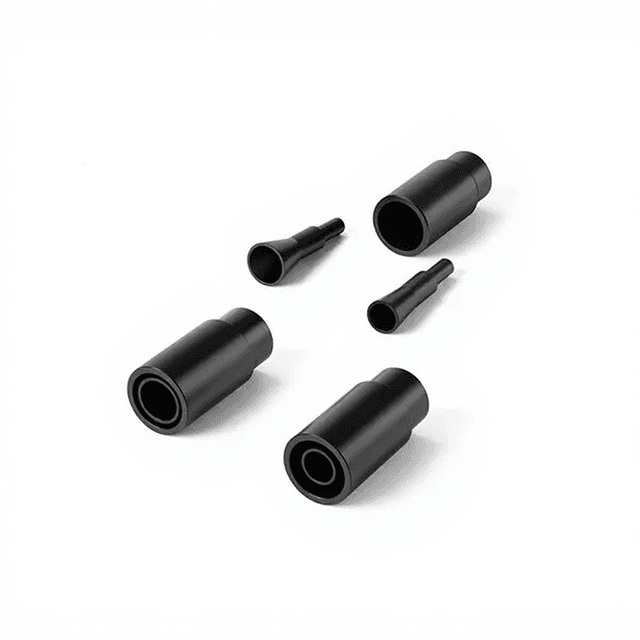
This solution is specially used for neuroscience research. Unique stereotaxic frame nosecone masks are designed to combine the anesthesia system and stereotaxic location system, which makes brain-related procedures or research more successful and have much better outcomes, for example, the development of animal neurological diseases models (Alzheimer's and Parkinson's diseases, cerebral and spinal cord injury, etc.), drug injection to the brain, cannula implantation for long-term drug administration, nervous stimulation, physiological signal record, microdialysis probe implantation and so on. Similarly, any leaks around the animal’s nose can be captured by the scavenging system to protect research subjects from being exposed.
Comes with the following items, the key difference with this system is the active scavenging system as well as the stereotaxic platform inclusion
Includes
| Product Description | QTY |
|---|---|
| Air Pump | 1 |
| Small Anesthesia Machine | 1 |
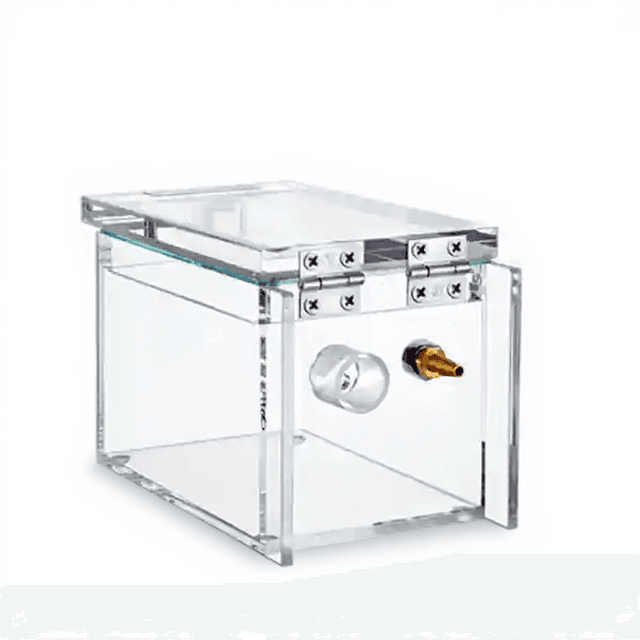
| Induction Chamber - Mouse or Rat | 1 |
| Stereotaxic Frame Nosecone | 1 |
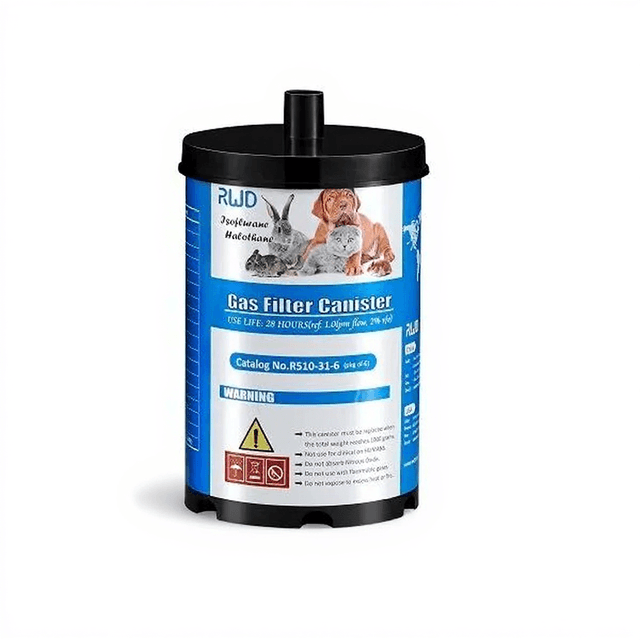
| Gas Canister Filter (Large) | 1 |
| Gas Evacuation Apparatus | 1 |
Manufacturer Source: https://www.rwdstco.com/product-item/multi-function-anesthesia-solutions/
How It Works
The system operates through integrated delivery of volatile anesthetic agents via precision-engineered nosecone masks designed specifically for stereotaxic frame compatibility. Animals are initially anesthetized in species-appropriate induction chambers, then transferred to stereotaxic frame nosecones that maintain continuous anesthetic delivery while allowing unrestricted access to the surgical site. The small anesthesia machine provides controlled vaporization of inhalation agents with adjustable concentration delivery.
An active scavenging system continuously removes waste anesthetic gases through dedicated evacuation tubing connected to the nosecone assembly. The air pump maintains negative pressure gradient to ensure efficient capture of exhaled and leaked anesthetic vapors. Gas canister filtration removes anesthetic vapors from the scavenged air stream before environmental discharge, preventing laboratory contamination.
The stereotaxic platform integration allows standard stereotaxic coordinates and procedures while maintaining stable anesthetic planes throughout extended surgical manipulations. Nosecone design enables rapid animal positioning changes without interrupting gas delivery, supporting complex multi-site procedures or bilateral interventions within single anesthetic episodes.
Features & Benefits
Device Type
- Stereotaxic Anesthesia
Sterotaxic Equipment
- With
- Without
Scavenging System
- Active scavenging system
Stereotaxic Platform
- Included
Nosecone Masks
- Stereotaxic frame nosecone masks
Research Applications
- Neurological disease models (Alzheimer's, Parkinson's), drug injection, cannula implantation, nervous stimulation, physiological signal recording, microdialysis probe implantation
Automation Level
- semi-automated
Brand
- RWD
Species
- Mouse
- Rat
- Rodent
Research Domain
- Addiction Research
- Behavioral Pharmacology
- Learning and Memory
- Neurodegeneration
- Neuroscience
- Pain Research
Shipping weight
- 8.27 lb
Shipping box
- L: 34.0 cm
- W: 39.0 cm
- H: 33.0 cm
| Feature | This Product | Typical Alternative | Advantage |
|---|---|---|---|
| Scavenging System Type | Active scavenging with air pump and gas evacuation apparatus | Many systems rely on passive scavenging or basic fume hood extraction | Provides consistent waste gas capture regardless of room air currents or ventilation variations. |
| Stereotaxic Integration | Dedicated stereotaxic frame nosecone masks with integrated gas delivery | Standard nosecones often require adaptation or positioning compromises | Eliminates interference between anesthetic delivery and stereotaxic coordinate access during procedures. |
| Species Accommodation | Specific induction chambers for both mouse and rat models included | Universal chambers or single species options are common | Optimizes induction efficiency and animal welfare through species-appropriate chamber sizing and gas dynamics. |
| System Configuration Options | Available with or without stereotaxic equipment integration | Fixed configurations requiring complete system replacement for different setups | Allows laboratories to adapt the system to existing stereotaxic equipment or upgrade incrementally. |
| Gas Filtration | Large gas canister filter for anesthetic vapor removal | Basic filtration or direct environmental discharge in entry-level systems | Ensures laboratory air quality compliance and reduces environmental anesthetic contamination. |
The system provides comprehensive integration of anesthesia delivery, stereotaxic compatibility, and active waste gas management in a single platform. The species-specific design accommodates both mouse and rat research with configurable integration options for existing laboratory setups.
Practical Tips
Verify anesthetic concentration accuracy using independent gas analyzers before critical procedures, particularly when switching between different volatile agents.
Why: Vaporizer accuracy can drift over time and varies between anesthetic agents, affecting experimental consistency and animal welfare.
Replace gas canister filters based on usage hours rather than calendar time, monitoring for decreased scavenging efficiency or unusual odors.
Why: Filter saturation depends on anesthetic agent type and usage intensity, not just elapsed time since installation.
Allow 5-10 minutes for system equilibration after startup before animal induction, ensuring stable gas flows and scavenging performance.
Why: System components require thermal equilibration and flow stabilization for consistent anesthetic delivery and waste gas capture.
Position scavenging system exhaust away from laboratory personnel work areas and verify negative pressure at nosecone before each use.
Why: Even filtered exhaust may contain trace anesthetic vapors, and scavenging system failure can lead to occupational exposure.
Check for gas leaks at all connection points if animals show signs of inadequate anesthesia depth or rapid recovery times.
Why: System leaks reduce anesthetic delivery efficiency and compromise both animal welfare and personnel safety through waste gas exposure.
Document anesthetic agent concentration, flow rates, and procedure duration for each animal to ensure experimental reproducibility.
Why: Anesthetic parameters can influence physiological responses and experimental outcomes, requiring consistent documentation for valid comparisons.
Use appropriate pre-anesthetic fasting protocols and warming support during recovery to optimize animal welfare outcomes.
Why: Proper preparation and recovery support reduce anesthetic complications and improve post-procedure recovery rates.
Setup Guide
What’s in the Box
- Air Pump (1 unit)
- Small Anesthesia Machine (1 unit)
- Induction Chamber - Mouse or Rat (1 unit)
- Stereotaxic Frame Nosecone (1 unit)
- Gas Canister Filter (Large, 1 unit)
- Gas Evacuation Apparatus (1 unit)
- Connection tubing and fittings (typical)
- User manual and setup instructions (typical)
Warranty
ConductScience provides a 1-year manufacturer warranty covering defects in materials and workmanship, with technical support for system setup and operational guidance.
Compliance
References
Background reading relevant to this product:
What anesthetic agents are compatible with this system?
The system is designed for volatile inhalation anesthetics commonly used in rodent research. Consult the product datasheet for specific agent compatibility, vaporizer specifications, and concentration ranges supported by the anesthesia machine.
How does the scavenging system prevent laboratory contamination?
The active scavenging system uses an air pump to create negative pressure at the nosecone, continuously capturing waste anesthetic gases through dedicated evacuation tubing. The gas canister filter removes anesthetic vapors before environmental discharge.
Can this system integrate with existing stereotaxic equipment?
Yes, the system offers configurable options to work with existing stereotaxic frames through compatible nosecone assemblies, or can be deployed as a complete integrated platform depending on laboratory requirements.
What is the difference between mouse and rat induction chambers?
The induction chambers are sized appropriately for each species to optimize induction efficiency and minimize dead space. Chamber volumes are matched to respiratory physiology and body size differences between mice and rats.
How long can animals be maintained under anesthesia with this system?
The system supports extended procedures through continuous anesthetic delivery and monitoring capabilities. Duration limits depend on animal condition, anesthetic agent, and specific research protocol requirements rather than system limitations.
What maintenance is required for the scavenging system?
Regular maintenance includes gas canister filter replacement, air pump performance verification, and tubing inspection for leaks. Specific maintenance intervals depend on usage frequency and anesthetic agents used.
How precise is the anesthetic concentration control?
The small anesthesia machine provides adjustable concentration delivery with vaporizer controls. Consult the product specifications for exact concentration ranges and precision tolerances for specific anesthetic agents.
Have a question about this product?
Have a question? Just ask.
Send it over and we'll email you a personalized answer — no call, no scheduling.
Prefer to talk it through?
Accessories
Enhance your setup with compatible accessories
Upgrade Options