Mouse and Rat Tubular Holders
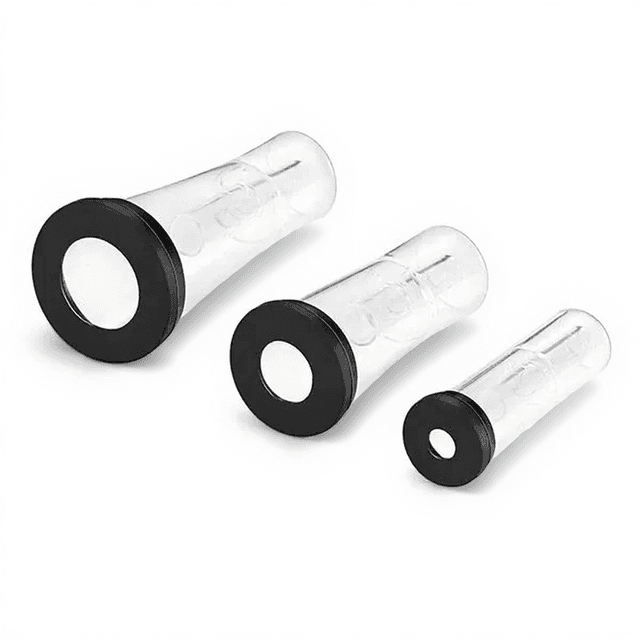
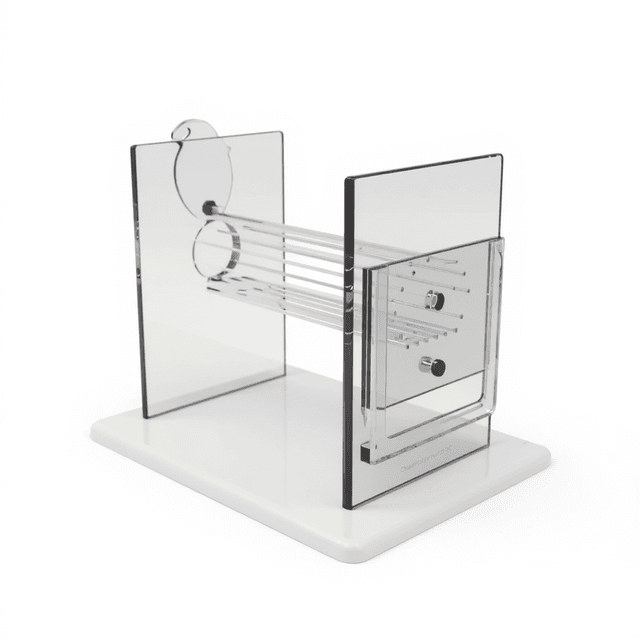
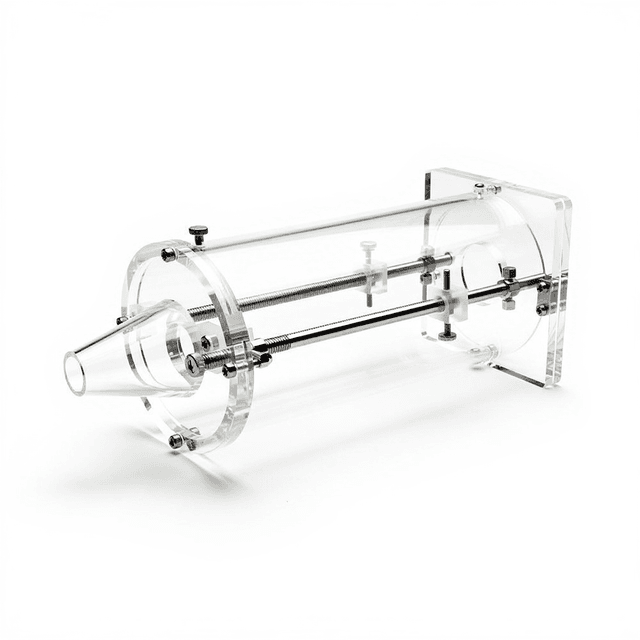
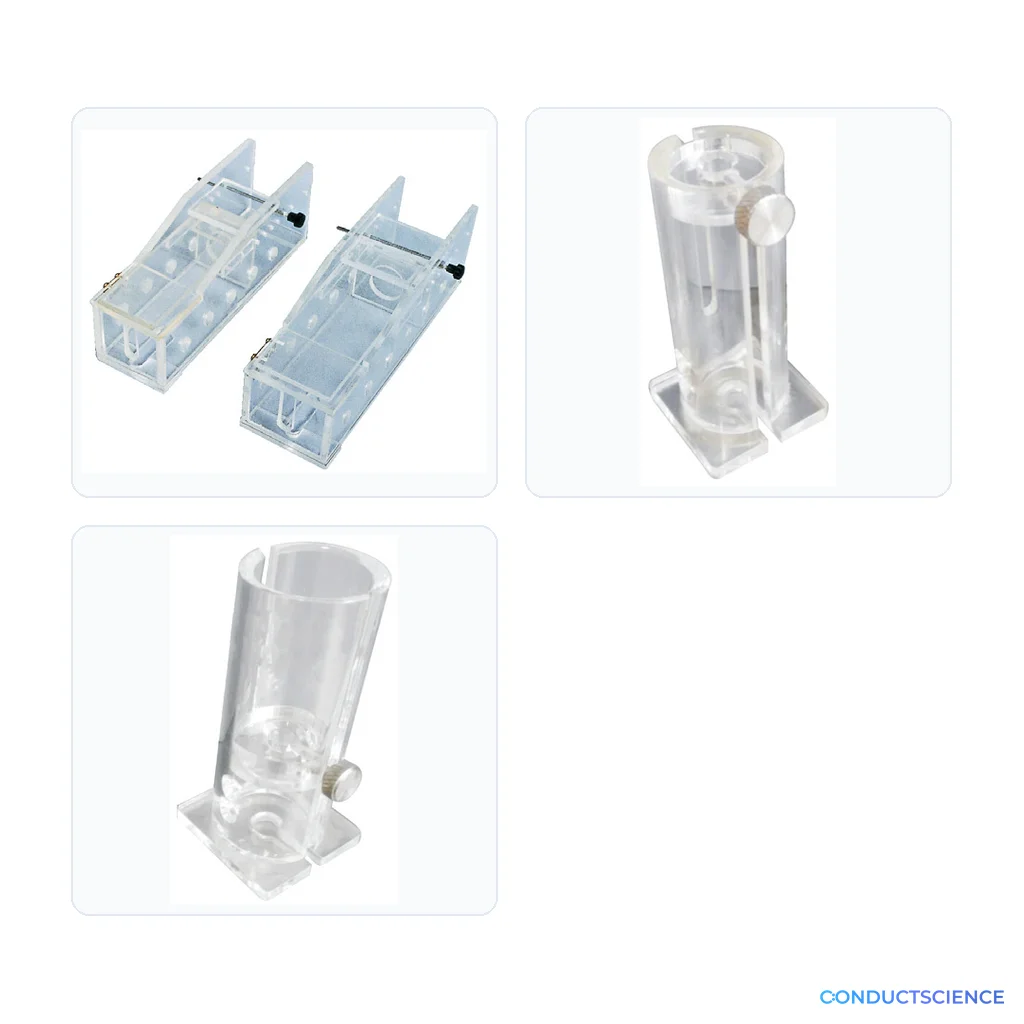
Mouse and rat tubular holders for brief examination, sample collection, drug administration, and other approved procedures requiring controlled positioning.
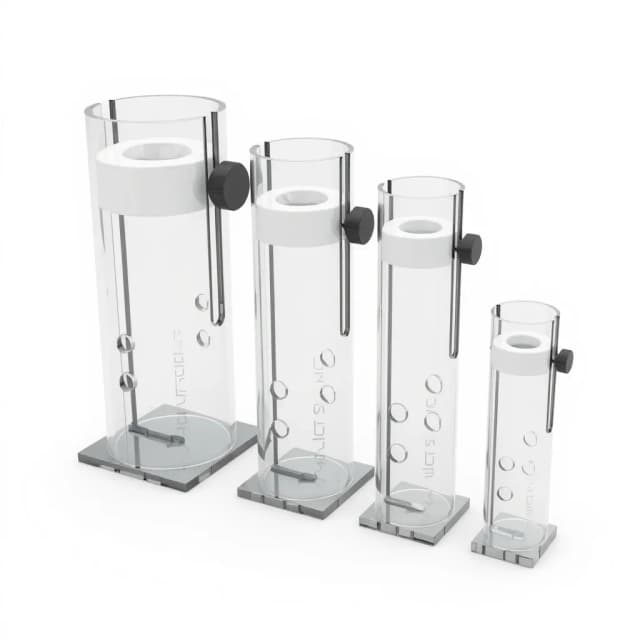
Four species-specific configurations help teams match holder size and procedural access to the animal while preserving visual observation. Quote review confirms the closest fit and order quantity for the planned workflow.

Louise Corscadden, PhD
Director of Science · ConductScience
Ask Louise about Mouse and Rat Tubular Holders fit, setup, configuration, or quote prep.
Already working with us? Sign in to connect this with My Scientist.
Key Specifications
Full details →- Available configurations
- Mouse, 27 mm internal diameter, 20 g, Mouse, 37 mm internal diameter, 30 g, Rat, 200 × 55 × 60 mm, Rat, 220 × 70 × 60 mm
Position mice and rats for brief research procedures
Tubular animal holders support short procedures that require controlled positioning and reliable access to the animal. Common research uses include examination, sample collection, drug administration, and other protocol-approved manipulations where manual holding would make positioning difficult or inconsistent. The holder is a procedural tool, not an animal-housing enclosure.
Fit is the central selection decision. A suitable holder limits movement enough to perform the procedure while avoiding unnecessary compression. Too much internal space can undermine positioning, while an undersized holder can create an unacceptable fit. The clear holder body lets staff observe the animal's position and condition throughout the task and respond according to the approved procedure.
This family keeps each species paired with its recorded size. Mouse configurations use a 27 mm internal diameter with a listed 20 g value or a 37 mm internal diameter with a listed 30 g value. Rat configurations measure 200 × 55 × 60 mm or 220 × 70 × 60 mm. These values provide a comparison point, but the final choice should also reflect body size, posture, required access, and the exact task.
Before study use, confirm how the animal will enter and exit the holder, which part of the body must remain accessible, how staff will monitor positioning, and how quickly the procedure can be completed. Train personnel with the selected configuration and follow the facility's handling and acclimation plan. A consistent setup can reduce avoidable variation in operator position without replacing protocol-specific judgment.
Use the holder only for the brief period required by the approved procedure. Monitor the animal throughout, stop according to institutional criteria, and inspect the holder before reuse. Cleaning and storage should follow the facility's process so visibility, condition, and configuration identity are maintained for the next session.
Choose the mouse or rat configuration closest to the animal and procedural need, then share the required access and order quantity during quote review. ConductScience will confirm the closest listed configuration. The research team remains responsible for animal-fit assessment, personnel training, monitoring, and protocol approval.
How It Works
The tubular restraint system operates through controlled spatial confinement that limits rotational and lateral movement while maintaining the animal in a natural prone position. The tapered geometry creates a progressive diameter reduction from the rear opening to the nose fixator, conforming to the animal's body contours and preventing backward movement once positioned. This design distributes restraint forces along the longitudinal body axis rather than creating pressure points, reducing stress-induced physiological responses.
The integrated ventilation system in the nose fixator maintains adequate airflow and prevents CO2 accumulation during extended procedures. The restraint mechanism allows the animal to maintain normal respiratory patterns while preventing escape behaviors. The tail extends freely through the rear opening, providing unobstructed access for sampling, injection, or measurement procedures while the animal remains conscious and responsive.
Biomechanically, the system reduces the stress response associated with manual restraint by providing consistent, predictable confinement. Research demonstrates that familiarization with restraint tubes prior to experimental use can significantly reduce initial stress responses and improve animal cooperation during procedures.
Features & Benefits
Available configurations
- Mouse, 27 mm internal diameter, 20 g
- Mouse, 37 mm internal diameter, 30 g
- Rat, 200 × 55 × 60 mm
- Rat, 220 × 70 × 60 mm
| Feature | This Product | Typical Alternative | Advantage |
|---|---|---|---|
| Weight Range Coverage | Seven size-specific models covering up to 25g through above 500g | Limited size options often requiring compromise fits | Proper sizing reduces stress and improves restraint effectiveness across diverse animal populations. |
| Ventilation Design | Integrated nose fixator ventilation system | Basic holes or slits for airflow | Engineered airflow prevents CO2 buildup during extended procedures exceeding one hour. |
| Animal Entry Method | Tapered nose design for natural entry pathway | Uniform diameter tubes requiring forced placement | Reduces initial stress response and facilitates voluntary entry after acclimation. |
| Tail Access | Full tail extension through rear opening | Partial tail access or side ports | Enables complete tail vein access for sampling, injection, and physiological measurements. |
| Construction Material | Transparent design for continuous monitoring | Opaque materials limiting visual assessment | Allows real-time monitoring of respiratory patterns and animal condition during procedures. |
This tubular restraint system provides comprehensive size coverage with engineered ventilation and stress-reducing design features. The transparent construction and tapered entry pathway distinguish it from basic restraint tubes by supporting both animal welfare and experimental requirements.
| Model | SKU | Listed price | Status | Shipping box |
|---|---|---|---|---|
| Rat, 220 × 70 × 60 mm | CS-GEN-00006-RAT-220 | Quote | Available | Confirmed during quote |
| Rat, 200 × 55 × 60 mm | CS-GEN-00006-RAT-200 | Quote | Available | Confirmed during quote |
| Mouse, 37 mm internal diameter, 30 g | CS-GEN-00006-MOUSE-37 | Quote | Available | Confirmed during quote |
| Mouse, 27 mm internal diameter, 20 g | CS-GEN-00006-MOUSE-27 | Quote | Available | Confirmed during quote |
Practical Tips
Verify proper tube sizing by ensuring animals can be positioned without excessive compression while preventing escape potential.
Why: Incorrect sizing compromises both restraint effectiveness and animal welfare.
Inspect ventilation holes regularly for blockages and replace tubes showing stress cracks or sharp edges.
Why: Blocked ventilation or damaged surfaces can cause respiratory distress or injury.
Acclimate animals to restraint tubes through voluntary exploration in home cages before experimental procedures.
Why: Familiarization significantly reduces initial stress responses and improves cooperation.
Use cupped hand guidance rather than tail handling when placing animals into restraint tubes.
Why: Tail handling increases stress hormones and risk of degloving injuries.
If animal shows excessive struggling, check for proper sizing, ventilation adequacy, and environmental temperature.
Why: Excessive struggling often indicates sizing issues, overheating, or respiratory difficulty.
Allow 5-10 minutes after restraint placement before collecting physiological measurements.
Why: Initial stress responses can confound cardiovascular and metabolic measurements.
Establish maximum restraint durations based on your institutional guidelines and monitor continuously for distress signs.
Why: Prolonged restraint can cause hyperthermia, dehydration, and significant physiological stress.
Rotate multiple tubes during high-throughput procedures to allow thorough cleaning and drying between animals.
Why: Proper sanitation prevents disease transmission and eliminates odor cues that increase stress.
Setup Guide
What’s in the Box
- Selected tubular holder configuration
Warranty
ConductScience provides a standard one-year manufacturer warranty covering defects in materials and workmanship, with technical support for proper sizing selection and usage protocols.
Compliance
References
Background reading relevant to this product:
What procedures can use a tubular holder?
Typical uses include brief examination, sample collection, drug administration, and other approved manipulations that require controlled positioning.
How should I choose the holder size?
Choose by species and body size, then confirm that the animal can be positioned without excessive space or compression.
Is this intended for housing?
No. A tubular holder is a brief procedural restraint device and should be used only for the time required by the approved task.
How should animals be introduced to the holder?
Follow the facility's handling and acclimation plan, train personnel before use, and monitor the animal throughout the procedure.
Have a question about this product?
Have a question? Just ask.
Send it over and we'll email you a personalized answer — no call, no scheduling.
Prefer to talk it through?
Accessories
Enhance your setup with compatible accessories