![Anesthesia Small Animal Operation Platform [Manifold for Cone & Tubing Mask]](https://conductscience.com/wp-content/uploads/2026/02/kontext/kontext_anesthesia-small-animal-operation-platform-manifold-for-cone-mask.jpg)
Anesthesia Small Animal Operation Platform [Manifold for Cone & Tubing Mask]
This innovative kit is specifically designed to facilitate safe and efficient anesthesia administration for small animals during surgical procedures.
The anesthesia operation platform features a convenient manifold system that allows for the attachment of a single cone mask. This ensures precise and controlled delivery of anesthesia to the animal, minimizing the risk of overdose or underdose. The platform is designed with the comfort and safety of the animal in mind. It provides a stable and secure surface for the animal to rest on during the procedure, allowing for easy access to the surgical site. The non-slip surface helps to prevent any accidental slips or injuries. The kit includes all the necessary components for a complete anesthesia setup, including the manifold, cone mask, and connecting tubing. The components are made from high-quality materials that are durable and easy to clean, ensuring long-term reliability and hygiene. With the Small Animal Anesthesia Operation Platform, veterinarians and researchers can perform anesthesia procedures with confidence and precision. It is an essential tool for small animal surgeries, providing a reliable and efficient solution for anesthesia administration. ConductScience offers the Small Animal Anesthesia Operation Platform.

Louise Corscadden, PhD
Director of Science · ConductScience
Ask Louise about Anesthesia Small Animal Operation Platform [Manifold for Cone & Tubing Mask] fit, setup, configuration, or quote prep.
Already working with us? Sign in to connect this with My Scientist.
Key Specifications
Full details →- Model fit
- Mouse, Rat
- SKU family
- RWD-R510-PGL/ R510-PYZ
- Shipping box
- 34.0 x 39.0 x 33.0 cm
- Ordering
- Online checkout and quote request available
- Category
- Anesthesia & Ventilation
- Build notes
- Confirm accessories, station layout, and support needs before purchase
Specifications
The kit includes all the necessary components for a complete anesthesia setup, including the manifold, cone mask, and connecting tubing. The components are made from high-quality materials that are durable and easy to clean, ensuring long-term reliability and hygiene.
With the Small Animal Anesthesia Operation Platform, veterinarians and researchers can perform anesthesia procedures with confidence and precision. It is an essential tool for small animal surgeries, providing a reliable and efficient solution for anesthesia administration.
The anesthesia operation platform features a convenient manifold system that allows for the attachment of a single cone mask. This ensures precise and controlled delivery of anesthesia to the animal, minimizing the risk of overdose or underdose.
Features
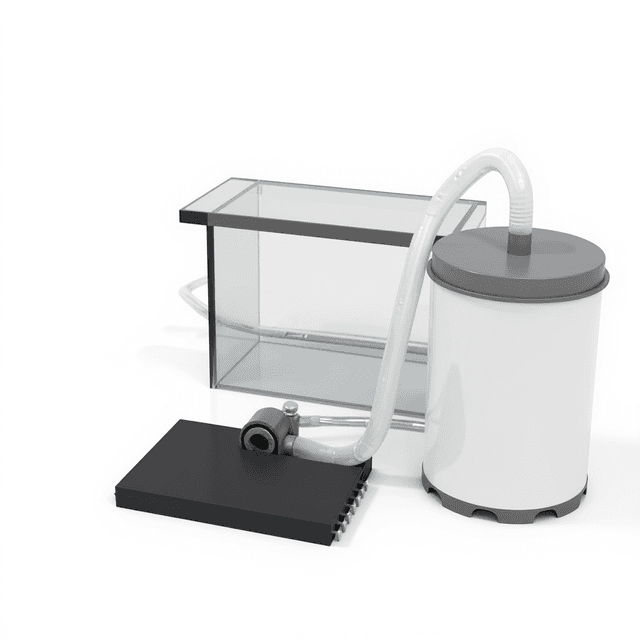
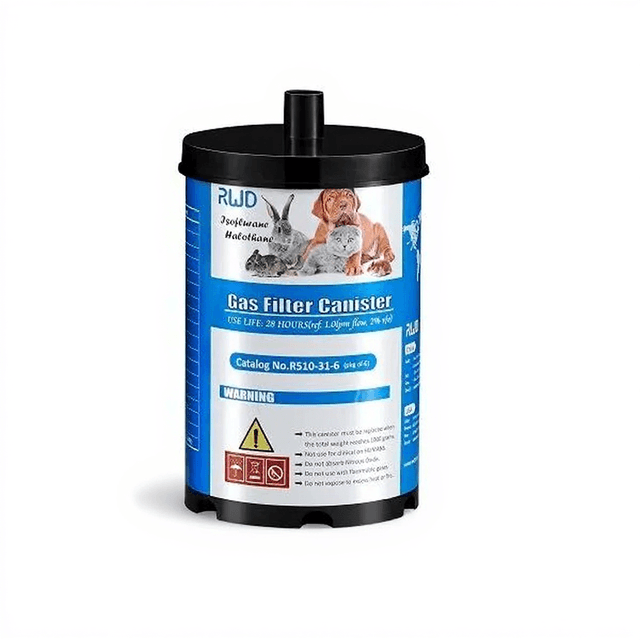
- Special designed with inlet tubing inside make the animal anesthesia exhaust gas can be absorbed by the gas filter canister;
- Allows access to eyes, ears, and top of the head;
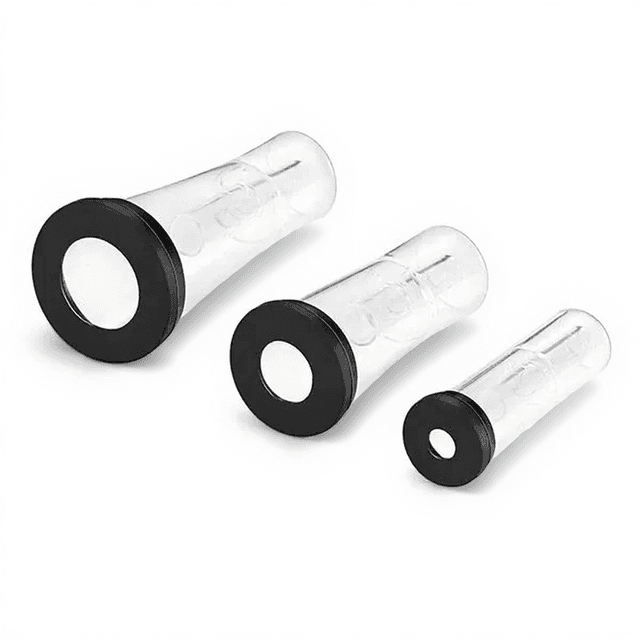
- The cone masks can be installed onto the operation bed for a single cone mask (300*210*75mm) or our manifold for five cone masks.
Manufacturer Source: https://www.rwdstco.com/product-item/multi-function-anesthesia-solutions/
How It Works
The anesthesia platform operates through a manifold-based gas distribution system that delivers volatile anesthetics via cone mask interface. The system connects to standard anesthesia vaporizers, with the manifold controlling gas flow to individual animal positions while maintaining consistent concentration delivery.
The integrated scavenging system utilizes specialized inlet tubing that captures exhaust gases and directs them to activated charcoal filter canisters for absorption. This closed-circuit approach minimizes laboratory exposure to waste anesthetic gases while maintaining precise control over delivered concentrations.
The cone mask design creates a sealed interface around the animal's snout while leaving the cranial and cervical regions accessible for surgical manipulation. The platform's stable base provides consistent positioning throughout procedures, supporting both short-term anesthesia induction and extended surgical protocols.
Features & Benefits
Mask Configurations
- Single cone mask or manifold for five cone masks
Mask Types
- Cone type, Tubing type
Gas Filtration
- Inlet tubing allows exhaust gas absorption by gas filter canister
Access Areas
- Eyes, ears, and top of the head
Included Components
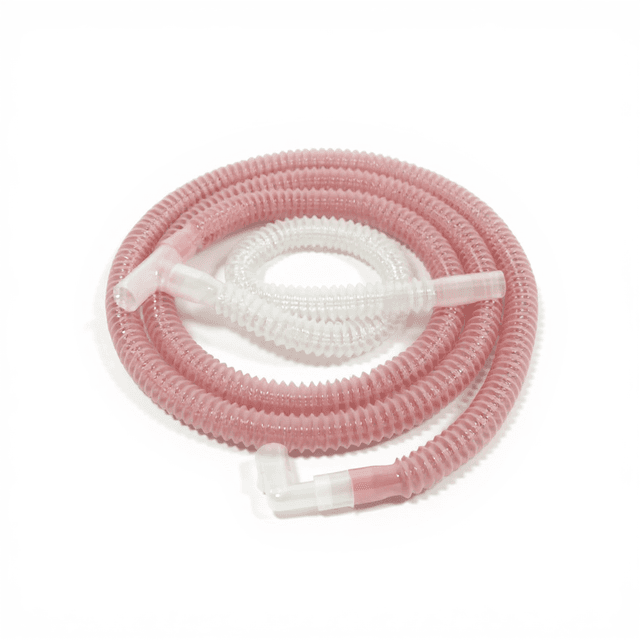
- Manifold, cone mask, connecting tubing
Automation Level
- manual
Species
- Mouse
- Rat
Brand
- RWD
Dimensions
- 300mm x 210mm x 75mm
Research Domain
- Addiction Research
- Behavioral Pharmacology
- Cardiovascular
- Learning and Memory
- Motor Function
- Neuroscience
- Pain Research
- Toxicology
Shipping weight
- 8.27 lb
Shipping box
- L: 34.0 cm
- W: 39.0 cm
- H: 33.0 cm
| Feature | This Product | Typical Alternative | Advantage |
|---|---|---|---|
| Gas Scavenging Integration | Built-in inlet tubing system for direct connection to filter canisters | Basic systems often require separate scavenging setup or external capture devices | Simplifies laboratory setup and ensures consistent waste gas management throughout procedures. |
| Surgical Access Design | Cone mask allows access to eyes, ears, and head regions during anesthesia | Standard nose cones may limit surgical field access or require repositioning | Enables complex cranial procedures without compromising anesthetic delivery or requiring mask adjustments. |
| Platform Configuration | Single mask or expandable to five-mask manifold system | Most basic systems limited to single animal or require complete system duplication | Provides scalability for different experimental protocols without purchasing multiple complete systems. |
| System Completeness | Includes manifold, cone mask, and all connecting tubing | Entry-level systems may require separate purchase of tubing and connections | Reduces setup complexity and ensures component compatibility from initial installation. |
This anesthesia platform combines integrated waste gas management with flexible manifold design and surgical access optimization. The complete system approach provides operational advantages over basic nose cone setups while supporting both individual and multi-animal experimental protocols.
| Model | SKU | Listed price | Status | Shipping box |
|---|---|---|---|---|
| Tubing type | RWD-R510-PGL/ R510-PYZ | $119.00 | Available | 34.0 x 39.0 x 33.0 cm |
| Cone type | RWD-R510-PYZ | $119.00 | Available | 34.0 x 39.0 x 33.0 cm |
Practical Tips
Test gas flow rates with a flowmeter before animal use to ensure proper vaporizer-to-manifold delivery.
Why: Accurate flow calibration ensures consistent anesthetic depth and prevents over- or under-dosing during procedures.
Replace scavenging filter canisters based on usage volume rather than time alone, monitoring for breakthrough odors.
Why: Saturated filters lose absorption capacity and may allow waste gas exposure in the laboratory environment.
Position the cone mask to create a seal around the snout without restricting breathing or causing pressure points.
Why: Proper mask fit maintains anesthetic efficiency while preventing tissue damage from excessive pressure during long procedures.
Keep a backup scavenging system available in case of primary filter saturation during extended procedures.
Why: Continuous waste gas capture is essential for laboratory safety and regulatory compliance throughout all anesthetic procedures.
Check all tubing connections for leaks using soap solution if anesthetic depth seems inconsistent.
Why: Small leaks can reduce delivered concentration and compromise both anesthetic effectiveness and waste gas containment.
Document anesthetic concentrations and flow rates for each procedure to maintain consistent experimental conditions.
Why: Standardized anesthetic protocols improve experimental reproducibility and support regulatory compliance documentation.
Setup Guide
What’s in the Box
- Anesthesia manifold system
- Cone mask
- Connecting tubing
- User manual (typical)
- Assembly hardware (typical)
Warranty
ConductScience provides a standard one-year manufacturer warranty covering defects in materials and workmanship, with technical support available for setup and operational guidance.
Compliance
What anesthetic agents are compatible with this delivery system?
The platform is designed for use with standard volatile anesthetics including isoflurane, sevoflurane, and halothane when delivered through compatible vaporizer systems. Consult your vaporizer specifications for agent compatibility.
How effective is the gas scavenging system for laboratory safety?
The inlet tubing system captures exhaust gases for absorption by activated charcoal filter canisters. Scavenging efficiency depends on proper canister maintenance and replacement according to manufacturer specifications.
Can the manifold accommodate different animal sizes within the mouse/rat range?
The cone mask design accommodates standard laboratory mice (20-40g) and rats (200-500g). For optimal fit and anesthetic efficiency, consider animal size when selecting mask positioning and flow rates.
What maintenance is required for the manifold system?
Regular cleaning with appropriate disinfectants between animals, inspection of tubing connections for leaks, and replacement of filter canisters according to usage protocols. All components should be inspected for wear or damage before each use.
How does this system compare to nose cone-only delivery methods?
The manifold system provides more controlled gas distribution and integrated scavenging compared to simple nose cone setups. The platform design offers better animal positioning stability and surgical access than handheld mask approaches.
What flow rates are appropriate for mouse versus rat procedures?
Flow rates should be adjusted based on animal weight and metabolic requirements. Typical ranges are 0.5-1.0 L/min for mice and 1.0-2.0 L/min for rats, but consult your institutional protocols and vaporizer specifications.
Have a question about this product?
Have a question? Just ask.
Send it over and we'll email you a personalized answer — no call, no scheduling.
Prefer to talk it through?
Accessories
Enhance your setup with compatible accessories
Frequently Bought Together
Upgrade Options
![Anesthesia Small Animal Operation Platform [Manifold for Cone & Tubing Mask]](/_next/image?url=https%3A%2F%2Fconductscience.com%2Fwp-content%2Fuploads%2F2026%2F02%2Fkontext%2Fkontext_anesthesia-small-animal-operation-platform-manifold-for-cone-mask.jpg&w=96&q=75)