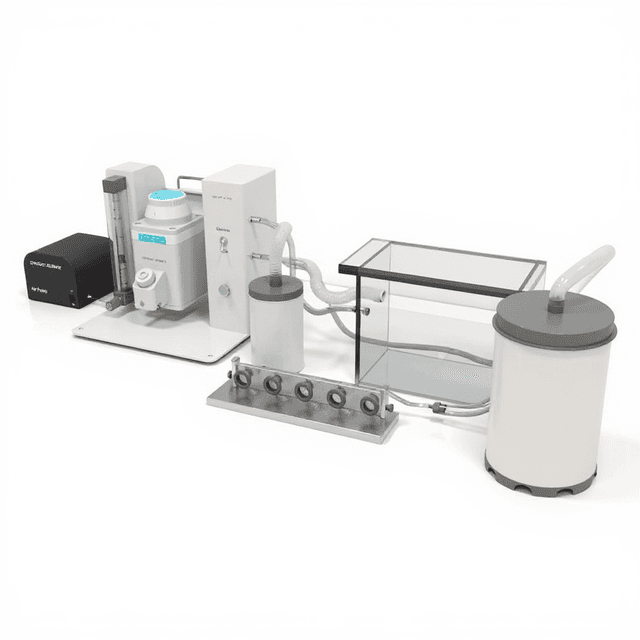
Scavenging Machine - (Gas Evacuation Apparatus)
The Scavenging Machine efficiently removes hazardous chemical fumes, odors and waste anesthetic gases (WAGs) vented during the anesthetization processes.
in laboratories. With advanced filtration technology and powerful suction, it ensures a safe working environment by capturing and neutralizing volatile compounds. Customizable and easy to use, this system offers tailored solutions for any lab setup.

Louise Corscadden, PhD
Director of Science · ConductScience
Ask Louise about Scavenging Machine - (Gas Evacuation Apparatus) fit, setup, configuration, or quote prep.
Already working with us? Sign in to connect this with My Scientist.
Key Specifications
Full details →- Model fit
- Gerbil, Hamster, Rabbit, Mouse, Rat, Guinea pig
- SKU family
- RWD-R546Pro
- Shipping box
- 34.0 x 34.0 x 34.0 cm
- Ordering
- Online checkout and quote request available
- Category
- Anesthesia & Ventilation
- Build notes
- Confirm accessories, station layout, and support needs before purchase
Scavenging machines are used in the collection and removal of waste anesthetic gases (WAGs) vented during the anesthetization processes. These systems comprise collection devices, interfaces, and disposal systems. Scavenging machines also help monitor the gases and prevent barotrauma to the subject resulting from a change in incoming and outgoing gas flow (Braz et al., 2020).
Conduct Science offers Scavenging Machines.
Features
| Features | Remarks |
|---|---|
| Ventilator | Removes the need for ventilator hoods during veterinary anesthesia. |
| Mask capacity | Powerful capture for residual anesthetic from 1 to 5 masks. |
| Mode Options | Multiple modes: “pull” or “draw” adjustable. |
| Connection System | Easy to use. Simply connect to your vaporizer system and insert a canister of activated charcoal. |
| Alarms indicator | Two-level alarm (990g and 1010g), indicator light, and buzzer reminders to change the canister and maintain its effectiveness. |
| Alarm Function | Alarm function: it has a level one (weight 990g), and level two (1010g) overweight alarm (indicator and buzzer), prompting to replace the filter can in time. |
| Certificate | Alarm function: it has a level one (weight 990g), and level two (1010g) overweight alarm (indicator and buzzer), prompting to replace the filter can in time. |
| Pressure Pumping | Negative pressure pumping: The pumping flow is large and the size is adjustable. The adjustment range is 35-60LPM, which can realize the exhaust gas recovery of 1-5 different anesthesia channels. |
| Noise | Noise reduction system within 50dB. One-click set mute to prevent noise. |
| Weighting Function | Weighing function: weigh and display the weight of the gas filter tank at any time to confirm whether its adsorption is saturated |
| Display | A wide range of flow rate-8~60LPM, real-time display through LED screen. |
| Temperature | An automatic temperature compensation system can help to run stably even at 5°C-40°C. |
Introduction
Scavenging machines are used in the collection and removal of waste anesthetic gases (WAGs) vented during the anesthetization processes. These systems comprise collection devices, interfaces, and disposal systems (Lucio et al., 2018). The practice of WAGs scavenging is done to prevent a variety of hazards associated with anesthetic gas pollution of the operating area; this includes risks to personnel resulting from chronic exposure to low levels of some inhalational anesthetics. Scavenging machines also help monitor the gases and prevent barotrauma to the subject resulting from a change in incoming and outgoing gas flow.
Scavenging machines are of two types: active and passive. Active scavenging machines make use of fans or vacuum pumps to create a continuous low pressure in the interface to draw the waste gases into the disposal systems. On the other hand, passive scavenging machines utilize the pressure generated in the breathing circuit to exhaust the gases to the interface. The difference between the two types is that the active systems protect the subject’s airway from suction and build-up of positive pressure while the passive systems protect from the build-up of positive pressure only.
Apparatus and Equipment
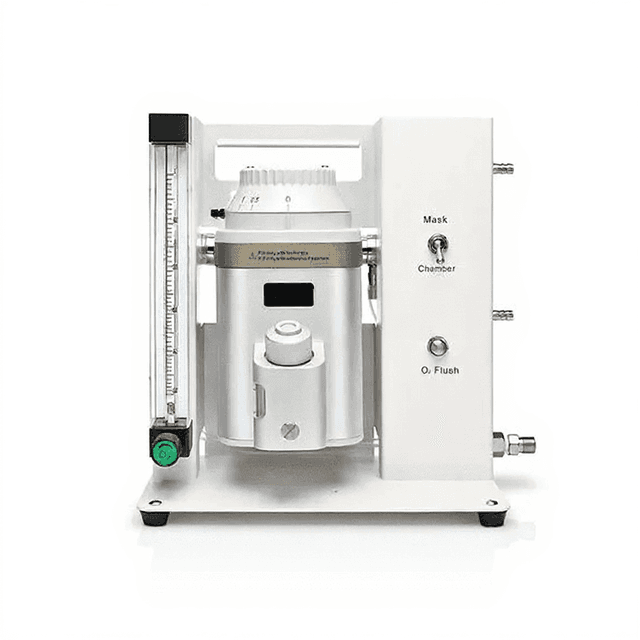
ConductScience's anesthesia scavenging machine (size: 21.5 x 21.5 x17.0 cm) eliminates the need for a ventilator hood and provides multiple modes of functions (adjustable pull or draw feature). The system requires a simple connection to the vaporizer system and a canister of activated charcoal. The machine is also equipped with a two-level alarm, an indicator light, and a buzzer reminder, for notification of canister change. The equipment is capable of capturing residual anesthesia of up to 5 masks.
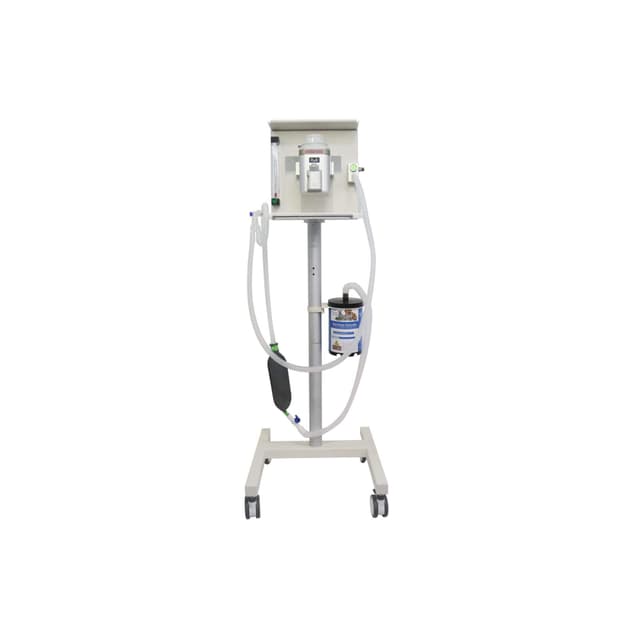
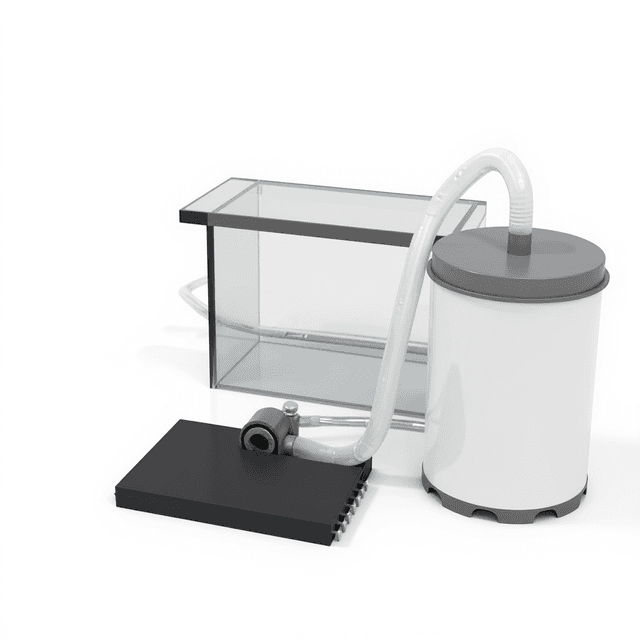
Anesthetic gas scavenging machines comprise a gas collection assembly that contains tubes connected to adjustable pressure limiting (APL) valve and vent relief valve; transfer tubing; scavenging interface; gas disposal tubing, used for carrying gas from interface to disposal assembly; and gas disposal assembly..
The scavenger interface is a critical component of the machine and helps protect the breathing circuit from excessive positive or negative pressure. The scavenger machines can also be distinguished based on the type of interface, which can be either open or closed. The open interface design is often seen in the newer gas machines. These interfaces are open to the room and rely on continuous suction. Closed interfaces, however, make use of valves and are often seen in older machines.
Mode of Operation
The most commonly used scavenging systems are passive scavenging machines. The system takes advantage of the positive pressure of the gas in the anesthetic machine to forward the waste anesthetic gases to the scavenging device. The use of discharge tubing, room ventilation, and activated charcoal adsorption canisters are the commonly found passive configurations in a laboratory setup.
Precautions
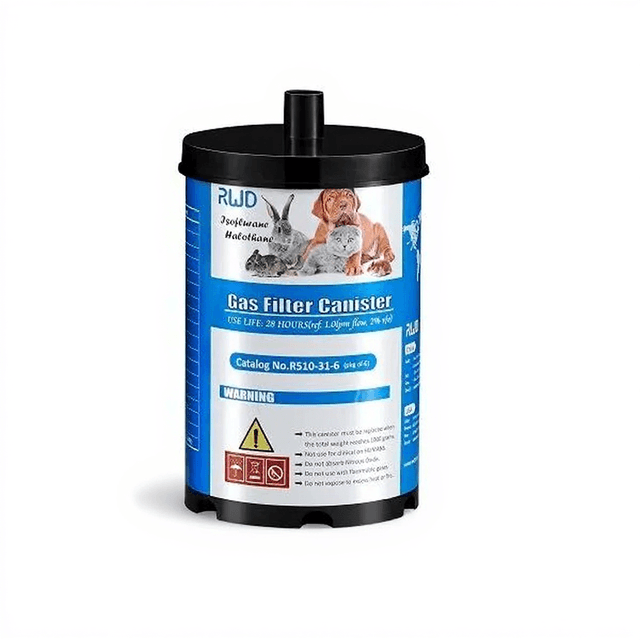
It is important to ensure that the system is correctly set-up and tested for leaks. When using face masks to deliver the anesthetics, it is crucial to ensure that the masks are of the correct fit. In the case of using active scavenging machines, it is recommended that either the system is placed under a fume hood, a local exhaust is used, or an active suction to the charcoal canister is installed . While using passive scavenger systems, ensure that each exhaust port, nose cone, and induction chamber, has a dedicated charcoal canister and that the canister is disposed of once it has expired. Use low flow rates and flush the anesthesia system with oxygen before opening the circuit. It is important to note that activated charcoal is ineffective in the removal of nitrous oxide. Regular service of the scavenger machine is also important to ensure its proper functioning (Smith, 2010).
References
- Braz, M. G., M. Carvalho, L. I., Chen, Y. O., Blumberg, J. B., Souza, K. M., Arruda, N. M., A. Filho, D. A., Resende, L. O., G. Faria, T. B., Canário, A., Corrêa, C. R., C. Braz, J. R., & Braz, L. G. (2020). High concentrations of waste anesthetic gases induce genetic damage and inflammation in physicians exposed for three years: A cross-sectional study. Indoor Air, 30(3), 512-520. https://doi.org/10.1111/ina.12643
- Lucio, L. M. C., Braz, M. G., Nascimento Junior, P. do ., Braz, J. R. C., & Braz, L. G.. (2018). Occupational hazards, DNA damage, and oxidative stress on exposure to waste anesthetic gases. Revista Brasileira De Anestesiologia, 68(1), 33–41.
- Smith F. D. (2010). Management of exposure to waste anesthetic gases. AORN journal, 91(4), 482–494.
Manufacturer Source: https://www.rwdstco.com/product-item/gas-evacuation-apparatus/
How It Works
The gas evacuation apparatus operates through negative pressure generation via an internal pump system that creates controlled airflow across anesthesia mask interfaces. Waste anesthetic gases are drawn through collection tubing into the main unit where they pass through activated charcoal canisters. The charcoal's high surface area and porous structure provide adsorption sites for volatile anesthetic molecules through van der Waals forces and physical entrapment.
Flow control is achieved through adjustable pumping mechanisms that regulate suction pressure between 35-60 LPM. The system can operate in active mode with continuous negative pressure or passive mode relying on breathing circuit pressure differentials. A precision scale mechanism continuously monitors charcoal canister weight, triggering electronic alarms when saturation thresholds are approached.
The dual-level alarm system provides progressive warnings at 990g (level 1) and 1010g (level 2) canister weights. Visual LED indicators and audible buzzers alert operators to impending filter saturation before breakthrough of unscavenged anesthetic vapors occurs.
Features & Benefits
Mask Capacity
- up to 5 masks
Alarm System
- two-level alarm with indicator light and buzzer
Charcoal Canister
- activated charcoal canister required
Scavenging Type
- active and passive modes available
Adjustable Feature
- adjustable pull or draw feature
Automation Level
- semi-automated
Brand
- RWD
Dimensions
- 21.5 cm x 21.5 cm x 17.0 cm
Research Domain
- Behavioral Pharmacology
- Environmental Monitoring
- Industrial Hygiene
- Neuroscience
- Toxicology
Species
- Gerbil
- Hamster
- Rabbit
- Mouse
- Rat
- Guinea pig
Shipping weight
- 9.59 lb
Shipping box
- L: 34.0 cm
- W: 34.0 cm
- H: 34.0 cm
| Feature | This Product | Typical Alternative | Advantage |
|---|---|---|---|
| Multi-mask Capacity | Supports up to 5 anesthesia masks simultaneously | Entry-level units typically handle 1-2 masks maximum | Enables efficient waste gas management in high-throughput surgical suites without requiring multiple scavenging units. |
| Flow Rate Adjustability | Adjustable 35-60 LPM pumping range | Fixed flow rate systems offer limited customization | Allows optimization for different anesthetic delivery rates and breathing patterns across various procedures. |
| Canister Monitoring | Dual-level weight-based alarm system (990g/1010g) | Visual inspection or single-threshold indicators are common | Provides progressive saturation warnings preventing breakthrough while maximizing charcoal utilization efficiency. |
| Operating Modes | Active and passive scavenging modes available | Single-mode operation limits versatility | Accommodates different anesthesia circuit designs and varying procedural flow requirements. |
| Noise Control | Integrated noise reduction system <50 dB | Higher noise levels often interfere with sensitive procedures | Minimizes acoustic disruption to animal monitoring equipment and reduces stress responses during surgery. |
| Compact Design | 21.5 × 21.5 × 17.0 cm footprint | Larger units require more surgical area space | Fits into space-constrained surgical environments without disrupting existing equipment arrangements. |
The RWD-R546Pro offers multi-mask capability with adjustable flow control and progressive alarm monitoring in a compact design. The dual-mode operation and weight-based canister monitoring provide operational flexibility and maintenance optimization for research animal facilities.
Practical Tips
Verify alarm thresholds using known weights before initial use to ensure accurate saturation detection.
Why: Proper alarm calibration prevents premature or delayed canister replacement affecting scavenging effectiveness.
Replace charcoal canisters immediately upon level 2 alarm activation rather than continuing operation.
Why: Oversaturated charcoal allows breakthrough of unscavenged anesthetic vapors into the laboratory environment.
Adjust flow rate to the minimum effective level for your mask configuration to extend charcoal canister life.
Why: Excessive flow rates accelerate charcoal saturation without improving scavenging efficiency for properly sealed circuits.
Check collection tubing connections first if scavenging effectiveness appears reduced during procedures.
Why: Loose connections create air leaks that reduce negative pressure and allow waste gas escape.
Ensure adequate room ventilation even with active scavenging to address any residual anesthetic vapors.
Why: Scavenging systems reduce but may not eliminate all waste anesthetic gas exposure in the work environment.
Monitor pump performance by verifying consistent flow rates during extended procedures.
Why: Declining pump efficiency can reduce scavenging effectiveness before alarm systems detect charcoal saturation.
Use passive mode for low-volume procedures to reduce unnecessary pump operation and extend equipment life.
Why: Matching scavenging mode to procedural requirements optimizes both effectiveness and equipment longevity.
Keep spare activated charcoal canisters available to minimize procedure interruptions during replacement.
Why: Rapid canister exchange maintains continuous scavenging capability during critical surgical procedures.
Setup Guide
What’s in the Box
- Gas evacuation apparatus main unit
- Power cord and adapter
- Collection tubing set (typical)
- Initial activated charcoal canister
- Connection fittings for anesthesia circuits (typical)
- User manual and specifications
- Alarm calibration verification guide (typical)
Warranty
ConductScience provides standard 1-year manufacturer warranty covering defects in materials and workmanship, with technical support for installation and operational guidance.
Compliance
What anesthetic gases are effectively captured by the charcoal filtration system?
The activated charcoal system is designed for volatile anesthetic compounds including isoflurane, sevoflurane, and halothane. Consult product datasheet for specific adsorption capacities and breakthrough times for individual anesthetics.
How is charcoal canister saturation determined and monitored?
The system uses precision weight monitoring with dual-level alarms at 990g (level 1) and 1010g (level 2). Both visual LED indicators and audible buzzers alert operators when replacement is required.
Can the unit handle varying numbers of anesthesia masks simultaneously?
Yes, the adjustable flow system (35-60 LPM) accommodates 1-5 masks with customizable pumping pressure to match different procedural requirements and breathing circuit configurations.
What maintenance schedule is recommended for optimal performance?
Primary maintenance involves charcoal canister replacement based on alarm notifications. Consult product datasheet for recommended inspection intervals for tubing connections and pump mechanisms.
How does the noise level affect sensitive animal procedures?
The integrated noise reduction system maintains operation below 50 dB, minimizing acoustic interference with physiological monitoring equipment and reducing stress responses in research animals.
What connection types are compatible with existing anesthesia equipment?
The system features standard vaporizer connections for easy integration. Consult product specifications for specific connector types and tubing diameter compatibility with your anesthesia circuits.
How do active versus passive scavenging modes differ in application?
Active mode provides continuous negative pressure pumping suitable for high-volume procedures, while passive mode relies on breathing circuit pressure differentials for lower-volume applications.
Have a question about this product?
Have a question? Just ask.
Send it over and we'll email you a personalized answer — no call, no scheduling.
Prefer to talk it through?
Accessories
Enhance your setup with compatible accessories
Frequently Bought Together