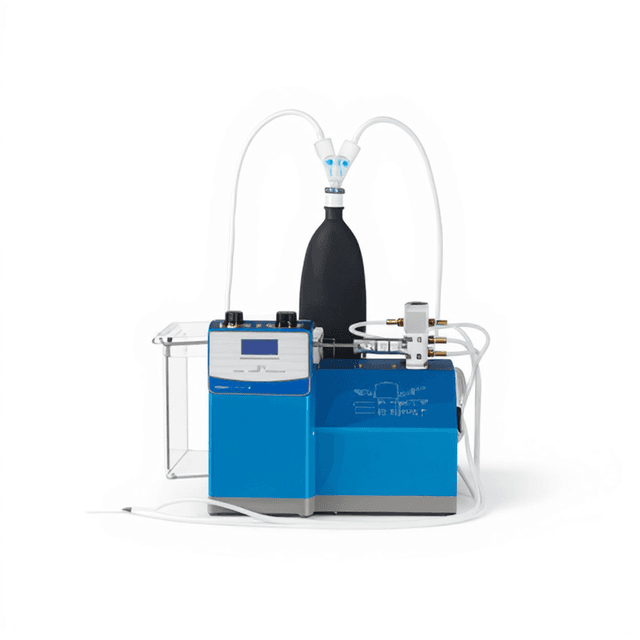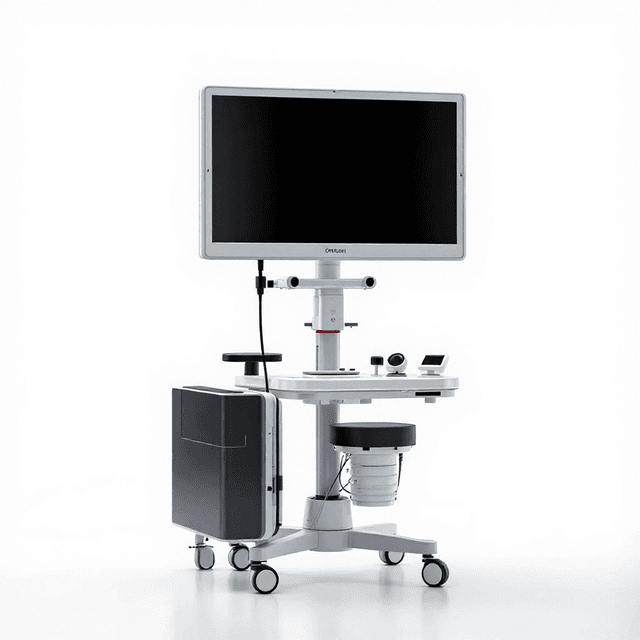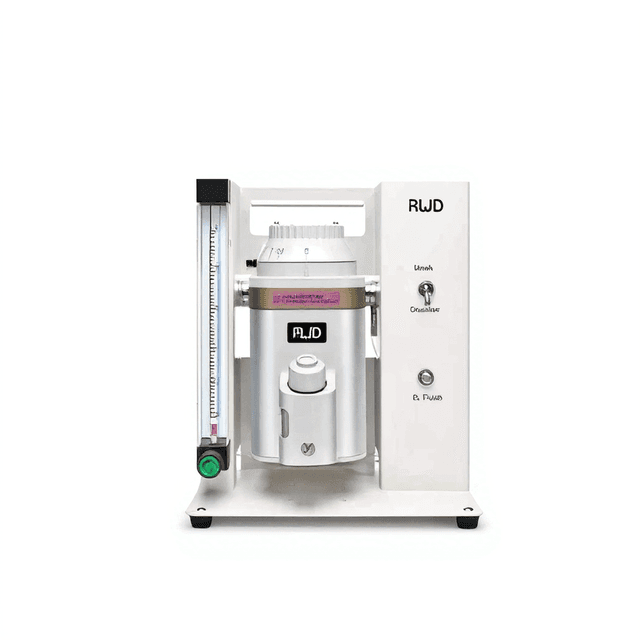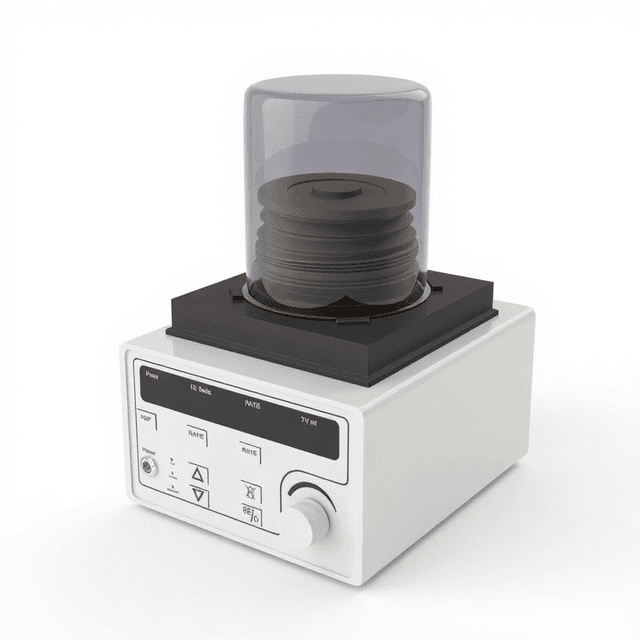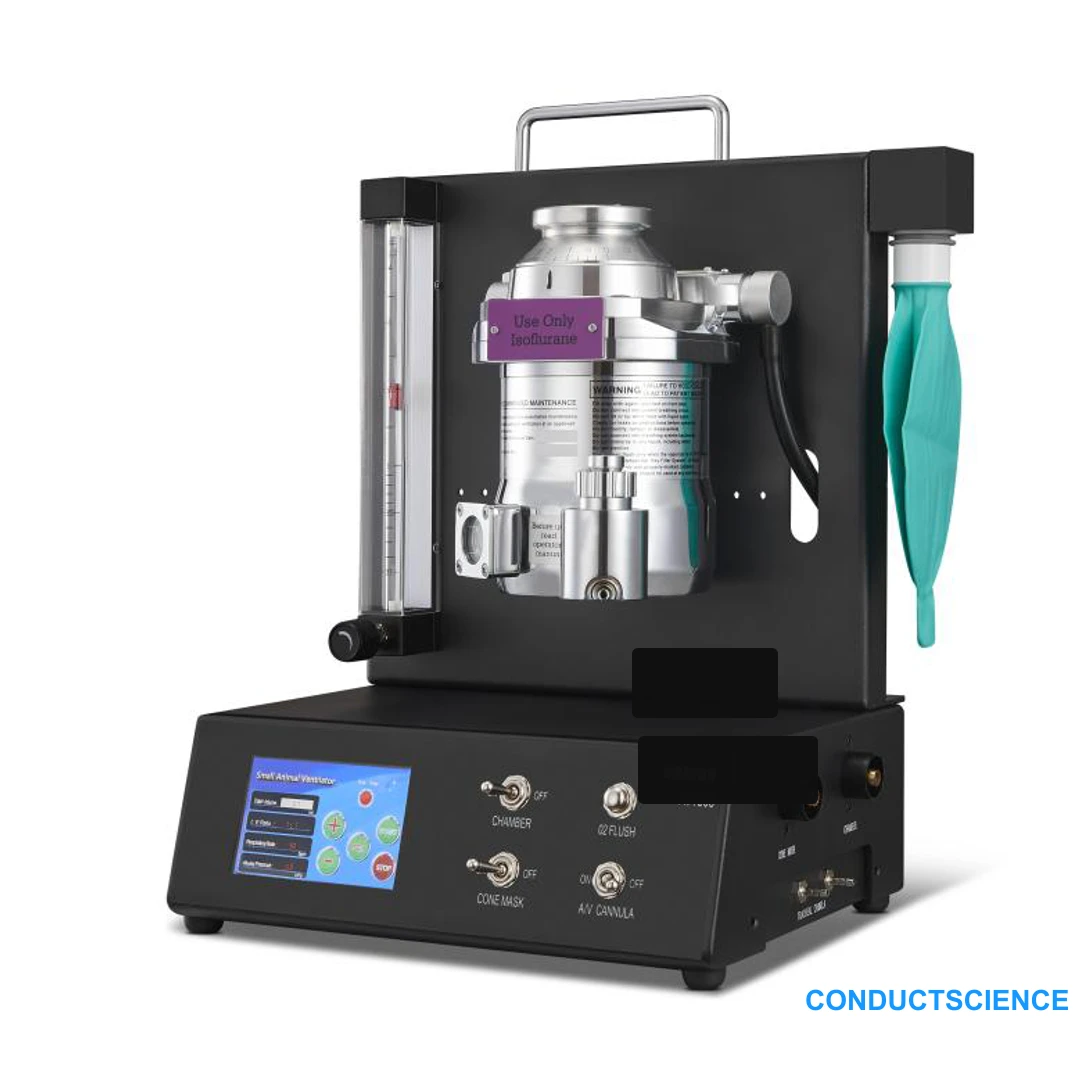
Small Animal Anesthesia Ventilator System
Mouse and rat anesthesia ventilator system that combines vaporizer-based gas anesthesia delivery with auxiliary respiration support, one-key ventilator switching, pressure-release protection, and quote-reviewed tidal-volume configuration for myocardial ischemia, endotracheal intubation, ventilator-assisted surgery, and small-animal respiratory-support workflows.

Louise Corscadden, PhD
Director of Science · ConductScience
Ask Louise about Small Animal Anesthesia Ventilator System fit, setup, configuration, or quote prep.
Already working with us? Sign in to connect this with My Scientist.
Key Specifications
Full details →- Model fit
- Configured during quote
- SKU family
- CS-ANES-VENT-001
- Sizing
- Model-specific dimensions confirmed from the selected configuration
- Ordering
- Online checkout and quote request available
- Category
- Anesthesia & Ventilation
- Build notes
- Confirm accessories, station layout, and support needs before purchase
Overview
The Small Animal Anesthesia Ventilator System is a rodent research anesthesia station for workflows where gas anesthesia and auxiliary respiration need to be planned together. The source machine combines anesthetic gas delivery with pure-oxygen respiratory assistance, allowing the lab to open or close the ventilator function around the procedure instead of building a separate anesthesia machine plus ventilator path from unrelated components.
This buying path is useful for small-animal procedures that require more than mask maintenance alone, including myocardial ischemia preparation, endotracheal intubation, ventilator-assisted surgery, and other mouse or rat procedures where anesthetic depth, breathing support, animal positioning, warming, and scavenging need to be coordinated before the cohort is scheduled.
The source ventilator line specifies small-animal tidal-volume configurations for 0.1-10 ml and 10-100 ml ranges, respiration-rate planning from 1-200 BPM, I:E ratio planning from 1:5 to 5:1, gas-supply flexibility with pure oxygen, air, or anesthetic gases, operation without high-pressure gas, and automatic pressure-release protection above 6 kPa. For a public PDP, those specs are surfaced as selection guidance so the final quote can match the animal size, intubation path, gas source, and procedure duration.
Scientific Use
Ventilator-assisted anesthesia is most relevant when a rodent procedure needs controlled or assisted respiration during surgical exposure, intubation, thoracic or cardiac preparation, respiratory physiology work, or longer anesthesia sessions where mask delivery alone is not the ideal station plan. Pairing the ventilator decision with anesthesia delivery helps the lab align the gas path, breathing support, warming, monitoring, tracheal cannulas, and scavenging workflow before the order is finalized.
Buying Fit
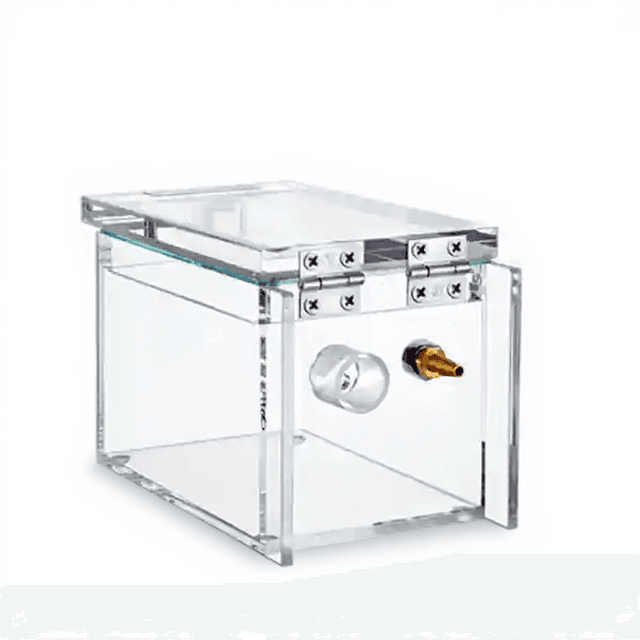
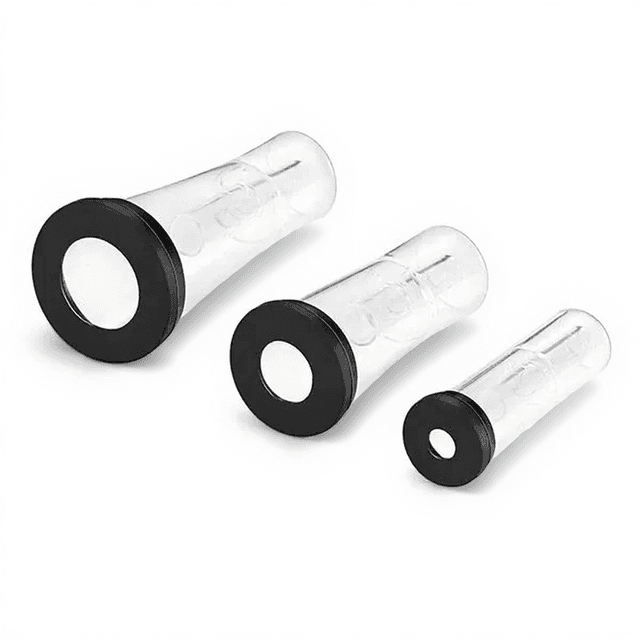
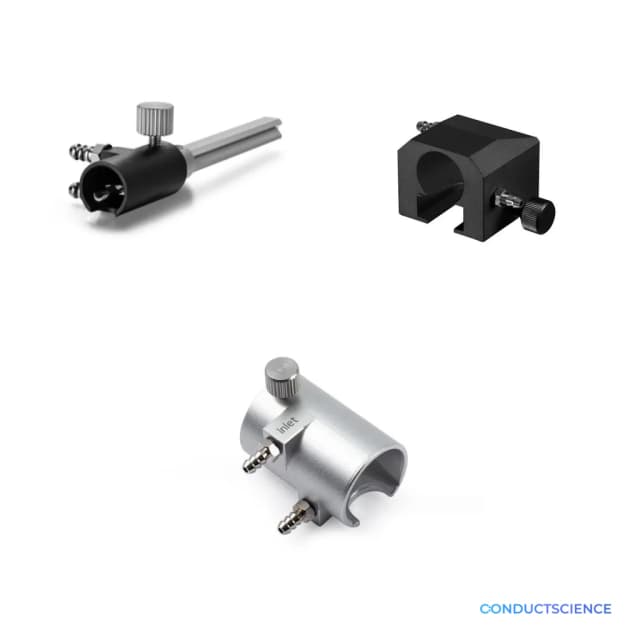
Choose this page when the purchasing question is not only which ventilator to buy, but how to build a combined anesthesia and respiration-support station. ConductScience can configure chambers, mouse or rat masks, stereotaxic masks, tracheal cannulas, tubing, gas-source planning, warming, monitoring, and scavenging accessories with the system so the station matches the actual research workflow.
Features & Benefits
Workflow fit
- Mouse and rat gas anesthesia with auxiliary respiration support
Model planning
- Myocardial ischemia, endotracheal intubation, ventilator-assisted surgery, and respiratory-support workflows
Ventilation range
- 0.1-10 ml or 10-100 ml tidal-volume configuration; 1-200 BPM respiration-rate planning
Gas path
- Pure oxygen, air, or anesthetic gas planning with one-key ventilator function switching
Safety planning
- Automatic pressure-release protection above 6 kPa and no high-pressure gas requirement in the source ventilator line
Plan with
- Induction chamber, cone or stereotaxic masks, tracheal cannulas, tubing, warming, monitoring, gas source, and scavenging
Practical Tips
Include the target species and procedure context in the quote request.
Why: Mouse and rat small-animal gas anesthesia with auxiliary ventilation support workflows may require different handling scale and support components.
Review anesthesia and animal-support equipment alongside the surgical kit.
Why: Surgical instruments are only one part of a reproducible small-animal procedure setup.
Treat exact kit contents as quote-confirmed rather than fixed from the preview page.
Why: This keeps the public listing accurate while allowing the final configuration to match the lab workflow.
Setup Guide
What’s in the Box
- Small-animal anesthesia ventilator system
- Integrated anesthesia gas and auxiliary respiration path
- One-key ventilator function switching for procedure-specific use
- Small-animal ventilator configuration reviewed around 0.1-10 ml or 10-100 ml tidal-volume needs
- Respiration-rate planning range up to 1-200 BPM and I:E ratio planning from 1:5 to 5:1
- Pressure-release protection path specified above 6 kPa
- Tracheal cannula, chamber, mask, tubing, gas source, warming, and scavenging accessories configured during quote review
Warranty
Support, replacement, and fulfillment terms are confirmed with the final quote and institutional purchasing requirements.
Compliance
When should I choose this instead of a standard anesthesia machine?
Choose this system when the station needs gas anesthesia plus auxiliary respiration support, such as myocardial ischemia preparation, intubation workflows, or ventilator-assisted rodent surgery. A standard tabletop anesthesia machine is better when chamber and mask maintenance are the only respiratory-support needs.
What ventilation ranges are used for configuration?
The source ventilator line supports 0.1-10 ml and 10-100 ml tidal-volume configurations, respiration rates from 1-200 BPM, and I:E ratio planning from 1:5 to 5:1. ConductScience reviews the animal size and procedure before finalizing the configuration.
What gas sources can be planned with the system?
The ventilator planning path supports pure oxygen, air, or anesthetic gases depending on the station design. Gas source, vaporizer path, tubing, masks, and scavenging are reviewed together during configuration.
What should be selected with the ventilator system?
Plan induction chamber, mouse or rat cone masks, stereotaxic masks when needed, tracheal cannulas, tubing/connectors, warming, monitoring, gas source, and scavenging or absorber consumables with the final quote.
How does this compare with a standalone ventilator?
A standalone ventilator is a good fit when the lab already has an anesthesia station. This page is for labs that want anesthesia delivery and auxiliary respiration reviewed as one coordinated small-animal station.
Have a question about this product?
Have a question? Just ask.
Send it over and we'll email you a personalized answer — no call, no scheduling.
Prefer to talk it through?
Accessories
Enhance your setup with compatible accessories
Frequently Bought Together
Upgrade Options