Stereotaxic Digital Compatible Active Anesthesia System
A Stereotaxic Digital Compatible Active Anesthesia System is a specialized setup used in small rodent surgical procedures that involve precise manipulation of brain tissues.
It combines a stereotaxic frame (a tool for accurately positioning the animal’s head) with a compatible active anesthesia system. This setup allows for the precise delivery of anesthetic gases and continuous monitoring of the animal’s vital signs during surgery.

Louise Corscadden, PhD
Director of Science · ConductScience
Ask Louise about Stereotaxic Digital Compatible Active Anesthesia System fit, setup, configuration, or quote prep.
Already working with us? Sign in to connect this with My Scientist.
Key Specifications
Full details →- Model fit
- Mouse, Rat
- SKU family
- RWD-SCAAS-DIG
- Shipping box
- 34.0 x 39.0 x 33.0 cm
- Ordering
- Online checkout and quote request available
- Category
- Anesthesia & Ventilation
- Build notes
- Confirm accessories, station layout, and support needs before purchase
Description
This solution is specially used for neuroscience research. Unique stereotaxic frame nosecone masks are designed to combine the anesthesia system and stereotaxic location system, which makes brain-related procedures or research more successful and have much better outcomes, for example, the development of animal neurological diseases models (Alzheimer's and Parkinson's diseases, cerebral and spinal cord injury, etc.), drug injection to the brain, cannula implantation for long-term drug administration, nervous stimulation, physiological signal record, microdialysis probe implantation and so on. Similarly, any leaks around the animal’s nose can be captured by the scavenging system to protect research subjects from being exposed.
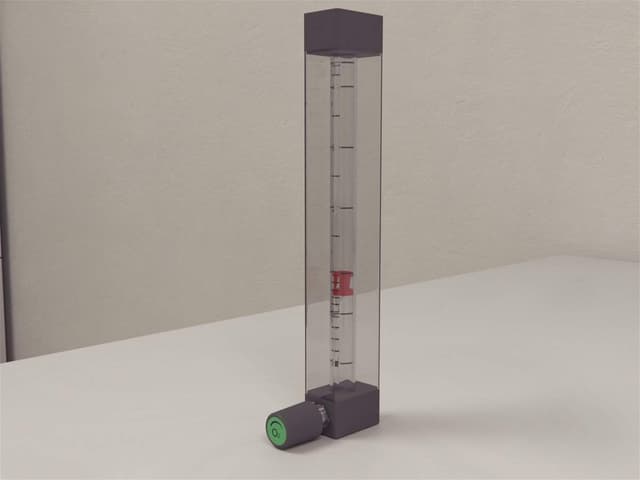
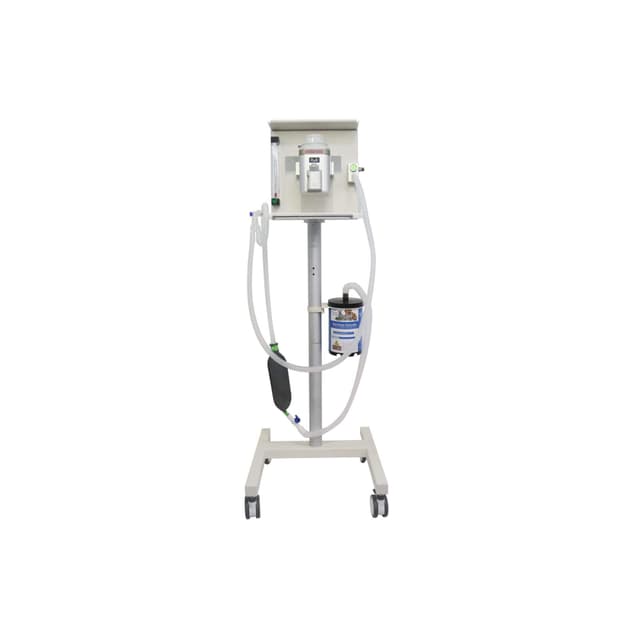
Comes with the following items, the key difference with this system is the active scavenging system as well as the stereotaxic platform inclusion
| SKU | Product Description | QTY |
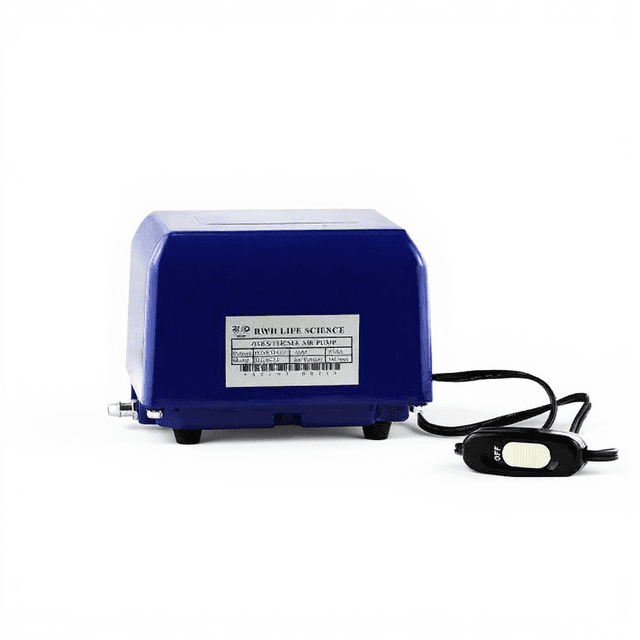
| RWD-R510-30 | Anesthesia Air Pump (HF), 110V-220V | 1 |
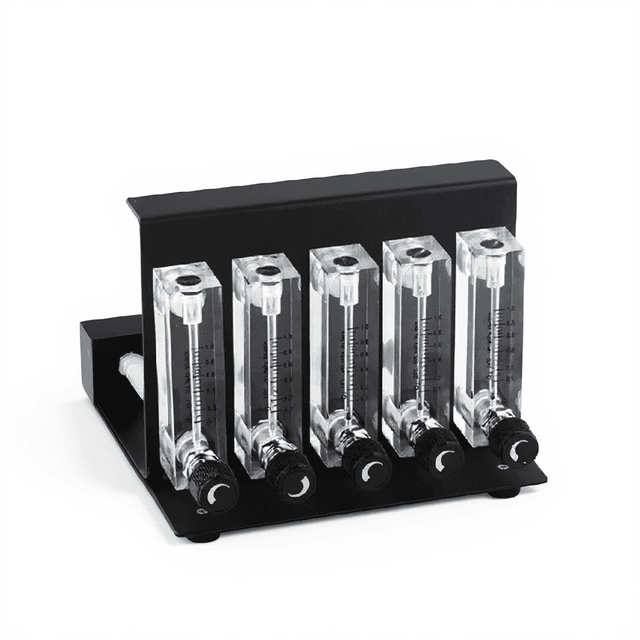
| RWD-R500IE | Compact Small Animal Anesthesia Device-Isoflurane, Easy Fill, 0-4L | 1 |
| RWD-V101 | Anesthesia Induction Chamber - Mouse or Rat | 1 |
| RWD-68538 | Stereotaxic for Rat, SGL M, Digital, 68078 Adaptor, 60 Deg. | 1 |
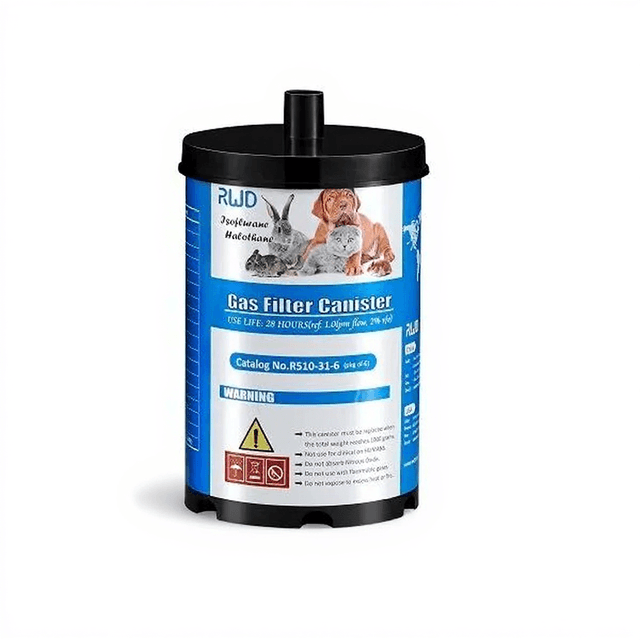
| RWD-R510-31S | Gas Filter Canister, Small, 1pc | 1 |
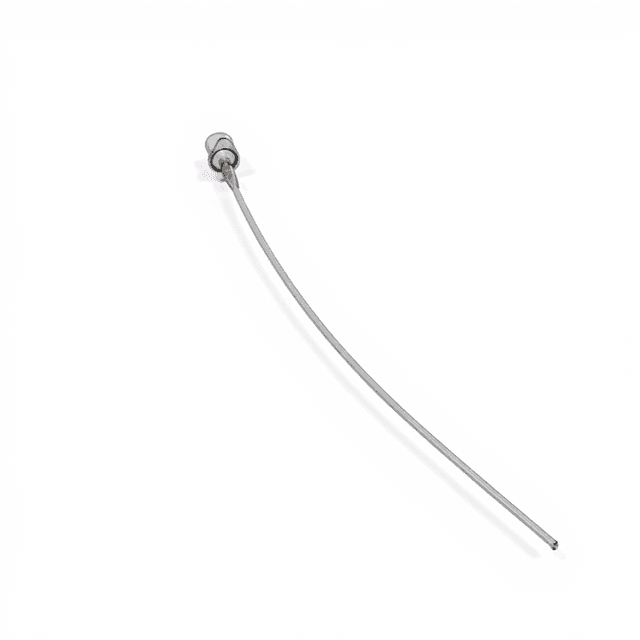
| RWD-68053 | Mouse/Rat Anesthesia Adaptor | 1 |
Manufacturer Source: https://www.rwdstco.com/product-item/multi-function-anesthesia-solutions/
How It Works
The system operates through integrated anesthesia delivery and stereotaxic positioning mechanisms. The compact anesthesia device vaporizes isoflurane using precision flow controls (0-4L capacity), mixing the anesthetic with carrier gas from the high-frequency air pump. The resulting anesthetic mixture is delivered through specialized nosecone masks designed to maintain seal integrity while allowing stereotaxic frame access to the animal's head.
The digital stereotaxic frame utilizes precision micrometers and digital readouts to position the animal's head according to standardized brain atlas coordinates. The 60-degree ear bar configuration aligns the skull to match common atlas references, with digital displays providing real-time coordinate feedback during positioning. The active scavenging system continuously removes waste anesthetic gases through the filter canister, maintaining environmental safety while preventing anesthetic concentration buildup around the surgical field.
During procedures, the induction chamber initially establishes anesthesia before transferring the animal to the stereotaxic nosecone for maintenance anesthesia. This workflow ensures smooth transitions while maintaining anesthetic depth throughout positioning and surgical procedures.
Features & Benefits
Automation Level
- semi-automated
Research Domain
- Addiction Research
- Anxiety and Depression
- Behavioral Pharmacology
- Learning and Memory
- Motor Function
- Neurodegeneration
- Neuroscience
- Pain Research
Species
- Mouse
- Rat
Shipping weight
- 8.27 lb
Shipping box
- L: 34.0 cm
- W: 39.0 cm
- H: 33.0 cm
| Feature | This Product | Typical Alternative | Advantage |
|---|---|---|---|
| Scavenging System | Active waste gas removal with dedicated filter canister | Many systems rely on passive scavenging or require separate waste gas management | Reduces environmental anesthetic exposure during extended procedures and improves operator safety |
| System Integration | Complete stereotaxic-anesthesia integration with compatible nosecone design | Separate systems often require animal transfers between anesthesia and positioning equipment | Eliminates workflow interruptions and maintains consistent anesthetic depth throughout procedures |
| Digital Positioning | Digital coordinate readouts with 60-degree ear bar configuration | Basic stereotaxic frames may use analog measurements with limited angular options | Provides precise coordinate feedback and standardized atlas alignment for targeting accuracy |
| Species Compatibility | Dedicated mouse and rat adaptors with appropriate sizing | Universal systems may compromise fit quality for specific species | Ensures optimal anesthetic delivery and positioning stability for each species type |
| Anesthetic Capacity | 0-4L isoflurane vaporizer capacity | Entry-level systems often have smaller reservoir capacities | Supports extended procedures and multiple animal sessions without frequent refilling interruptions |
This system provides integrated stereotaxic positioning and anesthesia delivery with active waste gas management, offering procedural continuity and safety features that streamline neuroscience research workflows. The digital coordinate system and species-specific adaptors ensure precise targeting and optimal animal interface.
Practical Tips
Verify digital coordinate zero points before each experimental session using standardized reference points.
Why: Ensures consistent targeting accuracy across multiple procedures and different operators
Replace the gas filter canister when flow restriction becomes apparent or after extended high-usage periods.
Why: Maintains scavenging efficiency and prevents anesthetic gas accumulation in the work environment
Pre-warm the anesthesia system and verify gas flow rates before animal induction to ensure stable delivery.
Why: Prevents anesthetic concentration fluctuations that could affect procedure success and animal welfare
Monitor scavenging system airflow regularly and ensure proper ventilation in the procedure area.
Why: Prevents occupational exposure to waste anesthetic gases during extended surgical sessions
Check all tubing connections if anesthetic concentration appears inconsistent between induction and maintenance phases.
Why: Loose connections can cause concentration drops that compromise anesthetic depth and procedure success
Record both initial and final stereotaxic coordinates for each procedure to document targeting precision.
Why: Enables procedure validation and troubleshooting if experimental results suggest targeting errors
Use the induction chamber for initial anesthetization rather than attempting induction through the nosecone.
Why: Provides more efficient anesthetic uptake and reduces stress associated with restraint during induction
Clean nosecone interfaces between animals and inspect for proper seal integrity before each use.
Why: Prevents cross-contamination and ensures optimal anesthetic delivery efficiency
Setup Guide
What’s in the Box
- Anesthesia Air Pump (HF), 110V-220V (RWD-R510-30)
- Compact Small Animal Anesthesia Device-Isoflurane, Easy Fill, 0-4L (RWD-R500IE)
- Anesthesia Induction Chamber - Mouse or Rat (RWD-V101)
- Stereotaxic for Rat, SGL M, Digital, 68078 Adaptor, 60 Deg. (RWD-68538)
- Gas Filter Canister, Small, 1pc (RWD-R510-31S)
- Mouse/Rat Anesthesia Adaptor (RWD-68053)
- System interconnect tubing and fittings
- Operating manual and setup documentation (typical)
- Basic tools for assembly (typical)
Warranty
ConductScience provides standard manufacturer warranty coverage including technical support for system integration and troubleshooting assistance for component optimization.
Compliance
What anesthetic concentrations can this system deliver for different procedure types?
The isoflurane vaporizer supports concentration ranges appropriate for both induction (2-3%) and maintenance (1-2%) anesthesia, with flow rate control through the 0-4L capacity system for procedure-specific requirements.
How does the active scavenging system prevent anesthetic exposure during long procedures?
The integrated scavenging system continuously removes waste gases through the filter canister, capturing leakage around the nosecone interface to maintain environmental safety throughout extended surgical sessions.
What coordinate accuracy can be achieved with the digital stereotaxic frame?
The digital positioning system provides precise coordinate readouts for stereotaxic targeting; consult product datasheet for specific measurement resolution and positioning accuracy specifications.
Can this system accommodate both acute and chronic implantation procedures?
Yes, the system supports both acute experimental procedures and chronic implantation surgeries including cannula placement and electrode positioning with stable anesthetic maintenance throughout.
How do you transition animals from induction to maintenance anesthesia?
Animals are initially anesthetized in the induction chamber, then transferred to the stereotaxic nosecone for maintenance delivery, maintaining anesthetic depth during the positioning process.
What maintenance is required for the scavenging system components?
The gas filter canister requires periodic replacement based on usage frequency, and scavenging lines should be inspected regularly for proper airflow and connection integrity.
How does this system compare to separate anesthesia and stereotaxic setups?
The integrated design eliminates animal transfers between systems, reducing handling stress and procedure time while maintaining consistent anesthetic depth during positioning and surgical procedures.
Have a question about this product?
Have a question? Just ask.
Send it over and we'll email you a personalized answer — no call, no scheduling.
Prefer to talk it through?
Accessories
Enhance your setup with compatible accessories
Replacement Parts & Consumables
Frequently Bought Together
Upgrade Options