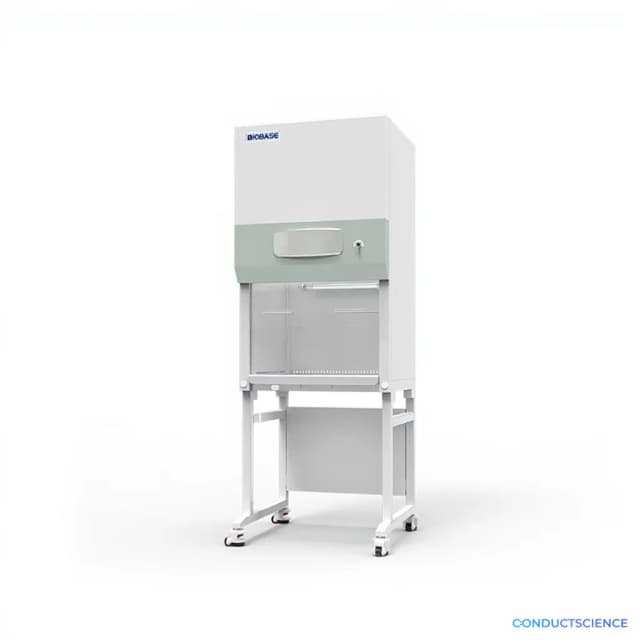
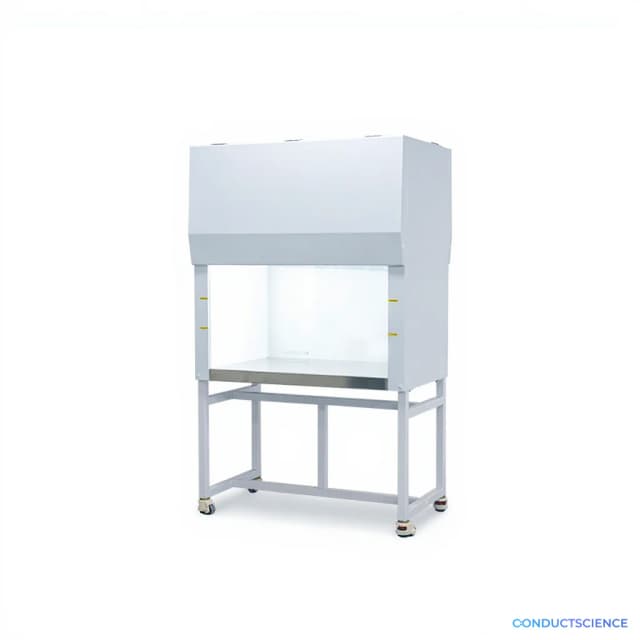
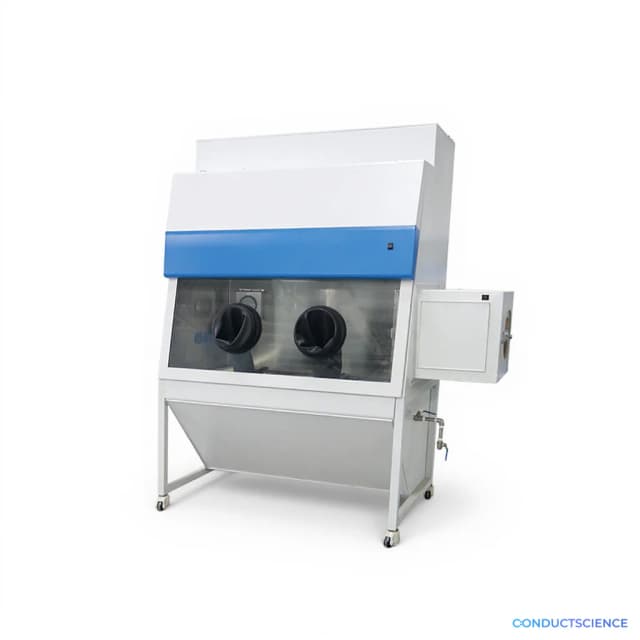
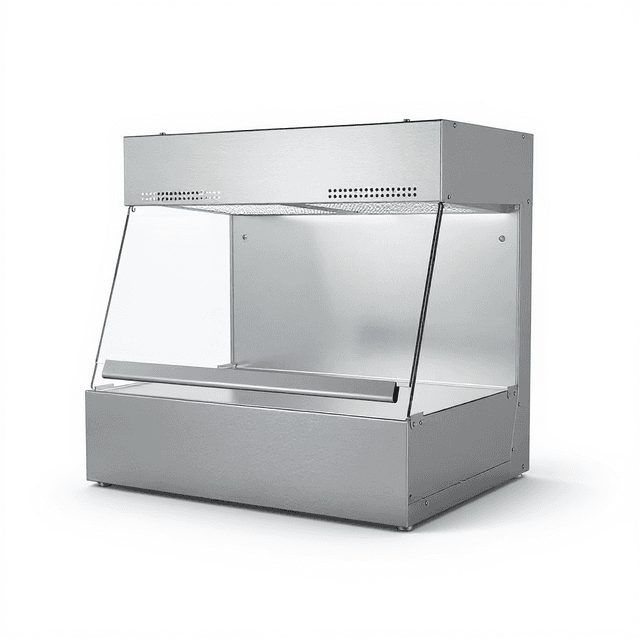
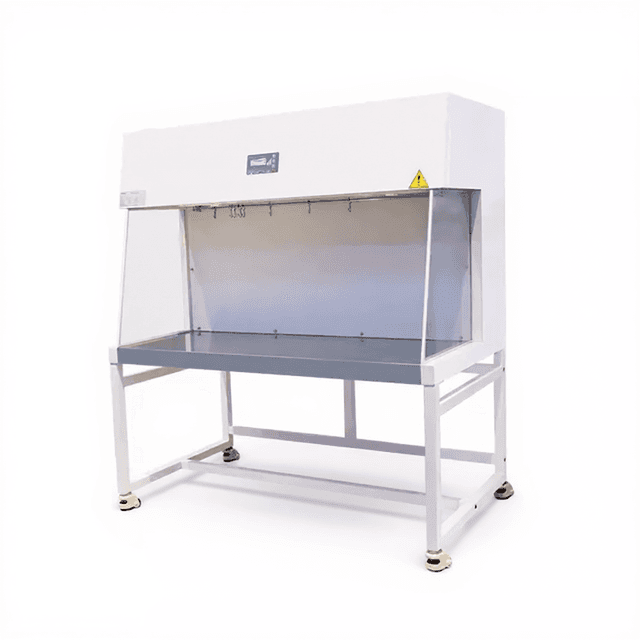
Class II B2 Biological Safety Cabinet - 4ft
Class II Type B2 biological safety cabinet with 100% exhaust and dual ULPA filtration for maximum containment of hazardous biological agents and volatile chemicals.
| Automation Level | manual |
The Class II B2 Biological Safety Cabinet provides maximum containment for research involving hazardous biological agents, volatile chemicals, and radionuclides. This 4-foot model features 100% total exhaust with dual ULPA filtration, eliminating recirculation of potentially contaminated air back into the laboratory environment.
Engineered for BSL-2 and BSL-3 applications, the cabinet maintains precise airflow velocities with 0.53 m/s inflow and 0.33 m/s downflow to ensure proper containment while providing sterile working conditions. The dual ULPA filter system achieves 99.9995% efficiency at 0.12 micrometers, capturing submicron particles and aerosols generated during microbiological procedures.
How It Works
The Class II B2 cabinet operates through a laminar airflow system that provides both product and personnel protection. Ambient air is drawn into the cabinet through the front opening at 0.53 m/s inflow velocity, creating a barrier that prevents contaminated air from escaping the work zone. This incoming air mixes with ULPA-filtered downflow air moving at 0.33 m/s to maintain sterile conditions within the work area.
Unlike Type A cabinets, the B2 design exhausts 100% of the air, with no recirculation. All air passes through dual ULPA filters before being discharged from the laboratory through the building exhaust system. The supply ULPA filter provides sterile downflow air for product protection, while the exhaust ULPA filter captures all particles and aerosols generated within the cabinet before discharge.
The dual filtration system utilizes ULPA (Ultra-Low Penetration Air) filters with 99.9995% efficiency at 0.12 micrometers, effectively removing bacteria, viruses, and submicron particles. This configuration makes the B2 type suitable for work with volatile toxic chemicals and radionuclides, as these materials are completely exhausted rather than recirculated.
Features & Benefits
Automation Level
- manual
Research Domain
- Cell Biology
- Clinical Diagnostics
- Environmental Monitoring
- Immunology
- Microbiology
- Pharmaceutical QC
Weight
- 320.0 lbs
Dimensions
- L: 42.0 in
- W: 43.6 in
- H: 38.0 in
Comparison Guide
| Feature | This Product | Typical Alternative | Advantage |
|---|---|---|---|
| Exhaust Design | 100% total exhaust with no recirculation | Type A cabinets recirculate 70% of filtered air | Complete removal of volatile chemicals and radionuclides that cannot be captured by filtration alone. |
| Filter Efficiency | 99.9995% at 0.12 micrometers (ULPA) | HEPA filters typically offer 99.97% at 0.3 micrometers | Enhanced capture of submicron particles and aerosols for superior containment performance. |
| Work Area Dimensions | 1150 x 600 x 660 mm internal workspace | Varies by model, with some offering reduced height clearance | Adequate vertical and horizontal space for standard laboratory equipment and multi-sample processing. |
| Airflow Control | 0.53 m/s inflow, 0.33 m/s downflow | Variable depending on design, some with less precise control | Optimized velocities balance containment effectiveness with ease of manipulation during delicate procedures. |
| Chemical Compatibility | Suitable for volatile chemicals and radionuclides | Type A designs limited to biological agents only | Expanded capability for mixed biological and chemical work without separate fume hood requirements. |
This Class II B2 cabinet offers complete exhaust design with dual ULPA filtration for maximum containment. The 4-foot width provides practical workspace dimensions while the 100% exhaust capability enables work with volatile compounds and radionuclides beyond the scope of recirculating designs.
Practical Tips
Perform airflow velocity measurements at multiple points across the work area opening, not just at the center, to ensure uniform containment.
Why: Non-uniform airflow can create dead zones where containment is compromised.
Schedule ULPA filter replacement based on airflow decline rather than arbitrary time intervals to optimize filter utilization.
Why: Filter lifespan varies significantly with usage patterns and contamination levels.
Allow equipment and materials to equilibrate inside the cabinet for 2-3 minutes before beginning work to minimize airflow disruption.
Why: Temperature differences can create convection currents that interfere with laminar flow patterns.
Check exhaust ductwork for restrictions if airflow velocities consistently read low during routine monitoring.
Why: Back pressure from blocked or undersized exhaust systems is a common cause of performance degradation.
Verify proper function of airflow alarms and interlocks monthly to ensure immediate notification of containment failures.
Why: Early detection of airflow problems prevents exposure incidents and maintains laboratory safety.
Document all airflow measurements, filter changes, and maintenance activities to maintain certification compliance and troubleshoot performance trends.
Why: Complete records enable predictive maintenance and demonstrate compliance during safety inspections.
Position frequently used items within easy reach but away from airflow measurement points to avoid interference during certification testing.
Why: Objects near measurement locations can create local flow disturbances that affect velocity readings.
Setup Guide
What’s in the Box
- Class II B2 Biological Safety Cabinet main unit
- Power cord and electrical connections
- User manual and operation guide
- Installation and certification documentation
- ULPA filter performance certificates (typical)
- Airflow measurement ports and accessories (typical)
Warranty
ConductScience provides a comprehensive 1-year manufacturer warranty covering all components and technical support for installation guidance and operational troubleshooting.
Compliance
What is the difference between Type A and Type B2 biological safety cabinets?
Type B2 cabinets provide 100% exhaust with no recirculation, making them suitable for volatile chemicals and radionuclides. Type A cabinets recirculate 70% of the air, limiting their use to biological agents only.
How often should airflow velocities be verified?
Inflow and downflow velocities should be measured during annual NSF/ANSI 49 certification and whenever filter changes or maintenance may affect airflow performance.
Can this cabinet be used for sterile compounding of pharmaceuticals?
While it provides sterile conditions, pharmaceutical compounding typically requires ISO Class 5 horizontal laminar flow hoods. Consult USP 797 requirements for specific compounding applications.
What exhaust requirements are needed for installation?
The cabinet requires connection to a building exhaust system capable of handling 100% of the cabinet airflow without excessive back pressure that would compromise performance.
How do I know when ULPA filters need replacement?
Filter replacement is indicated by airflow velocity decline, increased motor load, or filter integrity test failure during annual certification. Typical lifespan varies with usage and contamination levels.
Is this cabinet suitable for work with radioactive materials?
The 100% exhaust design makes it appropriate for work with radionuclides, but additional radiation safety protocols and monitoring equipment are required per institutional guidelines.
What electrical requirements are needed for this cabinet?
The 1300W power requirement necessitates appropriate electrical service with proper grounding and circuit protection. Consult local electrical codes for specific installation requirements.
Have a question about this product?
Upgrade Options