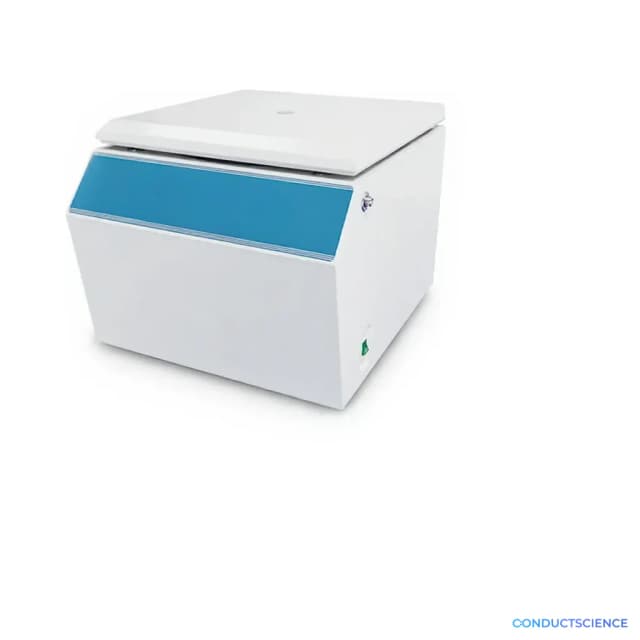
Immune Blood Centrifuge
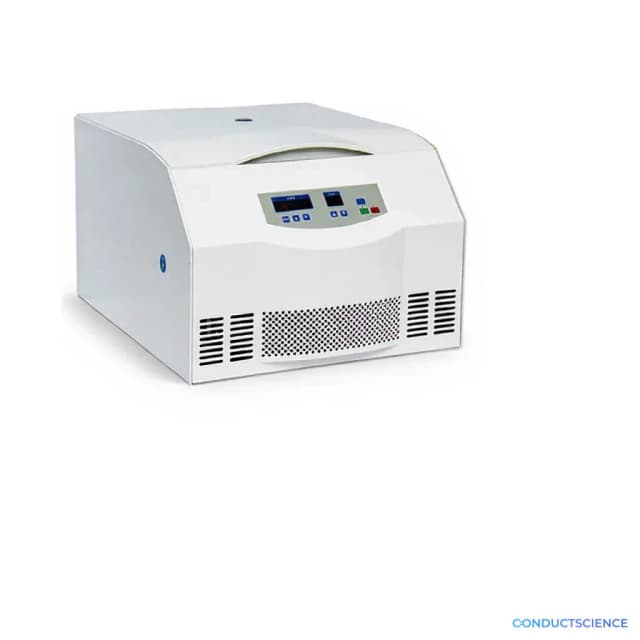
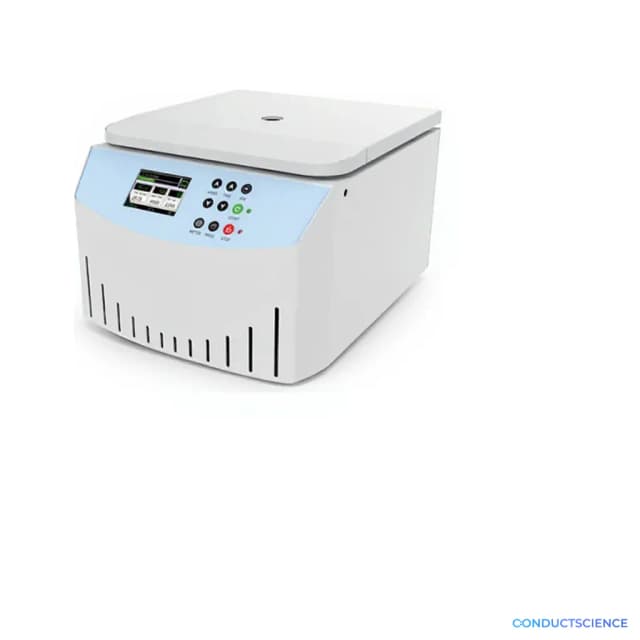
Benchtop blood centrifuge with 12×15ml capacity, 4040 rpm maximum speed, and quiet operation for routine cellular separation procedures.

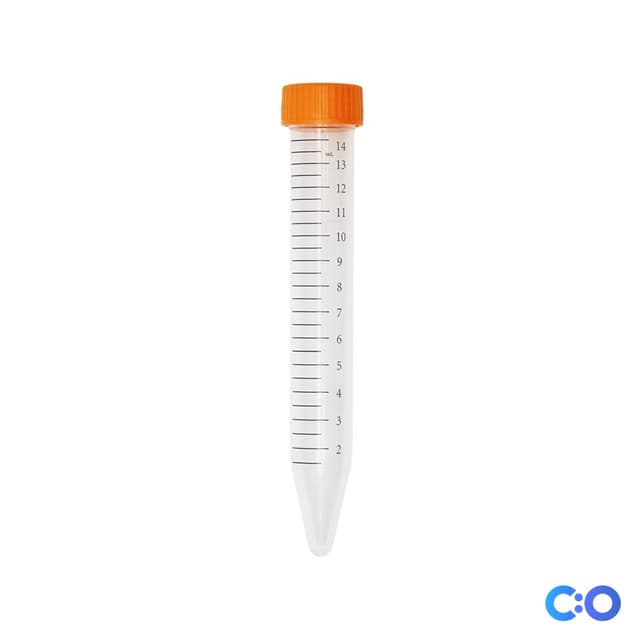
The Immune Blood Centrifuge is a benchtop laboratory centrifuge designed for routine blood processing and cellular separation procedures. This fixed-angle rotor system accommodates up to twelve 15 ml tubes simultaneously, operating at a maximum speed of 4040 rpm with ±10 rpm (±1%) precision. The unit features a timing range from 1 second to 99 minutes, enabling precise control over separation protocols.
Operating at ≤62 dB noise levels, this centrifuge provides quiet operation suitable for laboratory environments. The compact footprint of 340×430×278 mm makes it appropriate for benchtop placement in clinical laboratories, research facilities, and blood processing centers. Power consumption of 150W ensures efficient operation with dual voltage compatibility (AC220V or 110V, 50/60Hz).
How It Works
Centrifugal separation operates on the principle of differential sedimentation under applied gravitational force. When samples are subjected to centrifugal acceleration, particles and cellular components separate based on their density differences and sedimentation coefficients. Denser components migrate toward the bottom of the tube, while lighter components remain in the supernatant.
The fixed-angle rotor design positions tubes at a specific angle relative to the axis of rotation, creating optimal conditions for pelleting cellular material while maintaining clear separation interfaces. The controlled deceleration and precise timing ensure reproducible separation without sample remixing.
Features & Benefits
Weight
- 20.0 kg
Dimensions
- L: 27.8 mm
- W: 34.0 mm
- H: 43.0 mm
Comparison Guide
| Feature | This Product | Typical Alternative | Advantage |
|---|---|---|---|
| Tube Capacity | 12×15ml tubes | Entry-level models often accommodate 6-8 tubes | Higher sample throughput reduces processing time in busy laboratory environments |
| Speed Precision | ±10 rpm (±1%) | Basic centrifuges may have ±2-3% precision | Enhanced reproducibility ensures consistent separation results across experiments |
| Noise Level | ≤62 dB operation | Standard models often produce 65-70 dB | Quieter operation allows use in shared laboratory spaces without disruption |
| Timing Range | 1 second to 99 minutes | Limited timing options on basic models | Flexible timing accommodates both quick spins and extended separation protocols |
| Power Requirements | 150W consumption with dual voltage | Higher power consumption on comparable models | Energy efficiency reduces operating costs while maintaining performance |
| Physical Footprint | 340×430×278mm compact design | Larger dimensions common in similar capacity units | Space-efficient design maximizes benchtop utilization in crowded laboratories |
This centrifuge provides enhanced sample capacity and precision control in a compact, energy-efficient design. The combination of quiet operation, flexible timing, and dual voltage compatibility makes it suitable for diverse laboratory environments requiring reliable blood processing capabilities.
Practical Tips
Verify speed accuracy periodically using a tachometer or strobe light to ensure the displayed speed matches actual rotor rotation.
Why: Speed accuracy directly affects separation efficiency and experimental reproducibility.
Clean the rotor and tube holders after each use with appropriate disinfectants to prevent cross-contamination.
Why: Residual biological material can compromise sample integrity and equipment performance.
Always balance tubes by weight rather than volume, using a precision balance for accurate load distribution.
Why: Proper balancing prevents excessive vibration and extends centrifuge lifespan while ensuring safe operation.
If excessive noise occurs during operation, check for proper tube balancing and inspect rotor for damage or debris.
Why: Early identification of mechanical issues prevents equipment damage and ensures operator safety.
Document centrifugation parameters (speed, time, temperature) for each sample batch to ensure protocol reproducibility.
Why: Complete documentation enables method validation and troubleshooting of separation issues.
Inspect tubes for cracks before centrifugation and never exceed the maximum rated speed for your tube type.
Why: Tube failure during centrifugation can cause sample loss, contamination, and potential injury.
Allow the rotor to come to a complete stop before opening the lid to prevent sample resuspension.
Why: Premature lid opening can disturb separated components and compromise separation quality.
Keep spare rotor seals and gaskets available for routine replacement according to usage frequency.
Why: Regular seal maintenance prevents contamination and maintains optimal separation performance.
Setup Guide
What’s in the Box
- Immune Blood Centrifuge main unit
- Fixed-angle rotor for 12×15ml tubes
- Power cord
- User manual and operation guide
- Warranty documentation (typical)
- Rotor installation tools (typical)
Warranty
ConductScience provides a standard one-year manufacturer warranty covering parts and labor, with technical support available for installation and operational questions.
Compliance
What maximum relative centrifugal force (RCF) can this centrifuge generate?
Consult product datasheet for RCF calculations based on rotor radius and maximum speed of 4040 rpm.
Can this centrifuge accommodate different tube sizes besides 15ml?
The fixed-angle rotor is specifically designed for 12×15ml tubes. Alternative rotor configurations would need to be verified with the manufacturer.
How precise is the temperature control during centrifugation?
Temperature control specifications are not provided in the standard configuration. Consult product datasheet for thermal management details.
What maintenance schedule is recommended for optimal performance?
Regular rotor cleaning, annual calibration verification, and periodic inspection of mechanical components are typical maintenance requirements for laboratory centrifuges.
Is the centrifuge suitable for density gradient separations?
The fixed-angle rotor design can support density gradient separations, though specific protocols should be validated for the target separation requirements.
What safety features are included to prevent operation with imbalanced loads?
Consult product manual for specific safety interlock features and imbalance detection systems.
Can the centrifuge be connected to laboratory information systems?
Data connectivity options are not specified in the basic configuration. Contact manufacturer for integration capabilities.
Have a question about this product?
Replacement Parts & Consumables