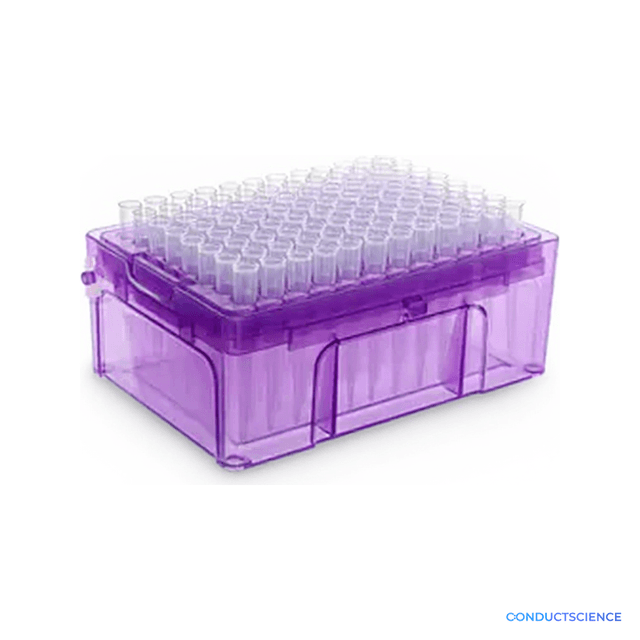
ConductScience Conical Centrifuge Tubes 50mL, Sterile (Pack of 10)
$68.00 per unit | 10 units per pack Bulk pricing: Pack of 10 at $680.00 ($68.00 per unit)

Louise Corscadden, PhD
Director of Science · ConductScience
Ask Louise about ConductScience Conical Centrifuge Tubes 50mL, Sterile (Pack of 10) fit, setup, configuration, or quote prep.
Already working with us? Sign in to connect this with My Scientist.
Key Specifications
Full details →- Model fit
- Configured during quote
- SKU family
- CS-CCT-50-300
- Shipping box
- 22.6 x 18.8 x 15.1 cm
- Ordering
- Online checkout and quote request available
- Category
- Centrifuge Tubes
- Build notes
- Confirm accessories, station layout, and support needs before purchase
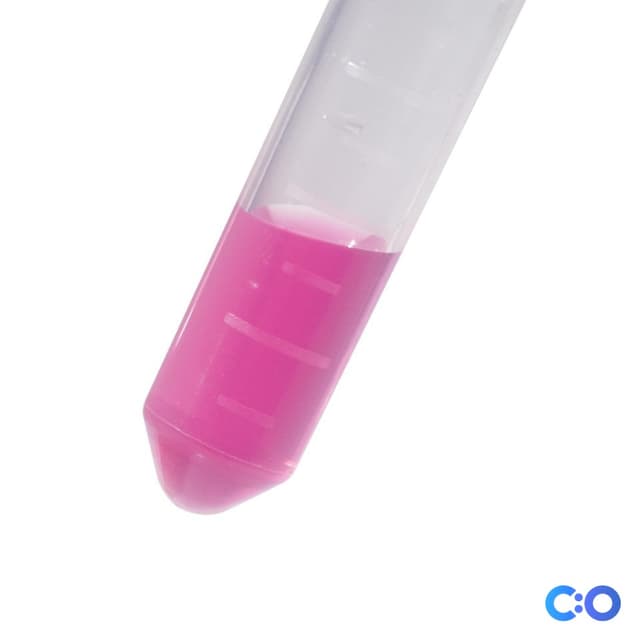
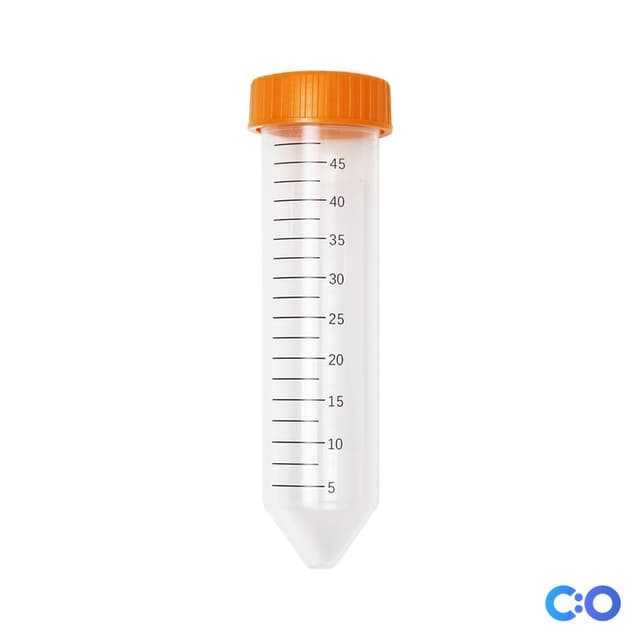
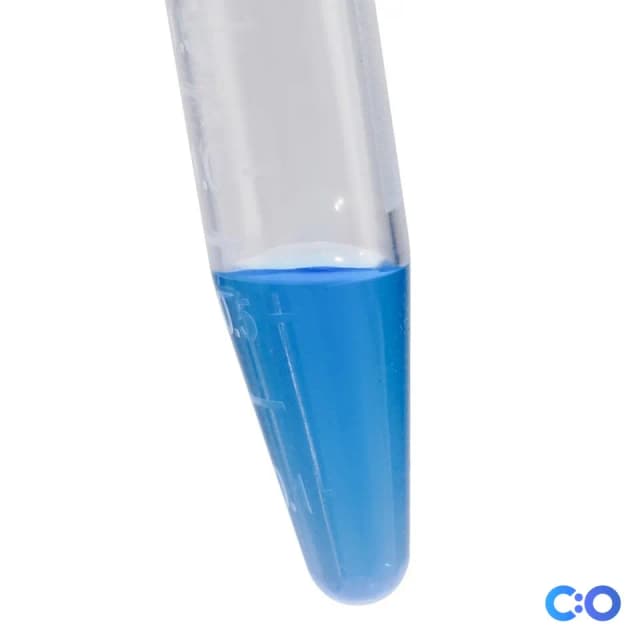
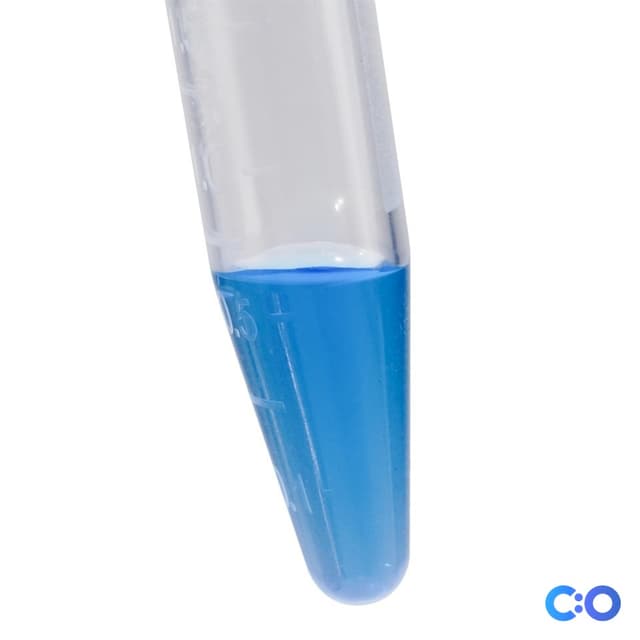
ConductScience 50mL conical centrifuge tubes are medical-grade polypropylene vessels designed for high-speed centrifugation applications. Each tube features a secure screw cap closure and self-standing base design for laboratory bench stability. The tubes are manufactured sterile and certified DNase/RNase-free to prevent nucleic acid contamination in molecular biology applications.
These tubes are rated for centrifugal forces up to 12,000 x g, making them suitable for standard cell pelleting, protein precipitation, and sample concentration protocols. The conical geometry facilitates complete sample recovery and pellet visualization, while the graduations provide accurate volume measurements for quantitative workflows.
How It Works
Centrifugal separation operates on the principle that particles of different densities sediment at different rates when subjected to centrifugal force. When samples are spun in a centrifuge, the applied force (measured in relative centrifugal force or RCF) causes denser particles to migrate toward the bottom of the tube while less dense components remain in suspension or form distinct layers.
The conical tube geometry concentrates separated particles into a tight pellet at the tube bottom, minimizing the surface area and facilitating complete supernatant removal. The RCF is calculated as 1.118 × 10^-5 × radius (cm) × (RPM)^2, where the radius represents the distance from the centrifuge rotor axis to the tube bottom.
Polypropylene construction provides chemical resistance and maintains structural integrity under high centrifugal forces, while the screw cap design creates a secure seal to prevent sample loss during high-speed rotation.
Features & Benefits
Automation Level
- manual
Research Domain
- Analytical Chemistry
- Cell Biology
- Environmental Monitoring
- Immunology
- Microbiology
- Pharmaceutical QC
Shipping weight
- 4.41 lb
Shipping box
- L: 22.6 cm
- W: 18.8 cm
- H: 15.1 cm
| Feature | This Product | Typical Alternative | Advantage |
|---|---|---|---|
| Maximum RCF Rating | 12,000 x g | Entry-level tubes often rated for lower forces | Higher force tolerance enables more efficient separation of dense particles and faster protocol completion. |
| Sterility Certification | Sterile, DNase/RNase-free certified | Non-sterile tubes require laboratory sterilization | Eliminates sterilization steps and reduces contamination risk in molecular biology applications. |
| Material Grade | Medical-grade polypropylene | Standard laboratory grade materials | Higher purity material reduces extractables and leachables that could interfere with sensitive assays. |
| Tube Design | Self-standing conical with screw cap | Some models require tube racks for stability | Self-standing design improves bench organization and reduces risk of sample spillage. |
These tubes offer high RCF tolerance with sterile, nuclease-free certification in a self-standing conical design. The medical-grade polypropylene construction provides reliable performance for demanding centrifugation applications.
Practical Tips
Fill tubes to no more than 80% capacity to prevent overflow during centrifugation acceleration.
Why: Headspace prevents sample loss and maintains proper tube balance during high-speed rotation.
Always balance tubes within 0.1g when using high RCF settings to prevent rotor damage.
Why: Unbalanced loads create dangerous vibrations that can damage centrifuge rotors and compromise sample integrity.
Inspect tubes for stress cracks before each use, especially after exposure to temperature extremes.
Why: Stress cracks can lead to catastrophic tube failure during centrifugation, potentially damaging equipment and losing samples.
Use consistent centrifugation time and temperature for replicate samples to ensure reproducible separations.
Why: Standardized conditions minimize variation in pellet compaction and supernatant clarity between samples.
Pre-cool tubes and centrifuge rotor when processing temperature-sensitive samples like proteins or enzymes.
Why: Temperature control prevents thermal denaturation and maintains biological activity during separation.
If pellets appear loose or easily resuspended, increase centrifugation time rather than RCF to improve compaction.
Why: Extended centrifugation allows better particle packing without risking tube damage from excessive force.
Setup Guide
What’s in the Box
- 50mL conical centrifuge tubes (quantity varies by pack size)
- Individual screw caps for each tube
- Certificate of sterility and nuclease-free status (typical)
- Product documentation and handling instructions (typical)
Warranty
ConductScience provides standard quality assurance on sterile consumables with replacement for manufacturing defects. Technical support available for application guidance and protocol optimization.
Compliance
References
Background reading relevant to this product:
What is the maximum centrifugal force these tubes can withstand?
The tubes are rated for maximum RCF of 12,000 x g, suitable for most standard laboratory centrifugation protocols including cell pelleting and protein precipitation.
Are these tubes compatible with both swinging bucket and fixed angle rotors?
Yes, the standard 50mL conical design fits most centrifuge rotors. Verify tube dimensions with your specific rotor specifications before use.
How do I maintain sterility when opening tubes?
Use aseptic technique in a sterile environment such as a laminar flow hood. Minimize exposure time and avoid touching the inner surfaces or cap threads.
Can these tubes be autoclaved for reuse?
While polypropylene can withstand autoclaving temperatures, these are designed as single-use sterile consumables. Consult product datasheet for specific reuse guidelines.
What temperature range can these tubes tolerate?
Polypropylene typically withstands -80°C to +121°C. Consult product datasheet for specific temperature specifications and any limitations during centrifugation.
How accurate are the volume graduations?
Graduation accuracy varies by manufacturer standards. Consult product datasheet for specific measurement tolerances and calibration information.
Are there any chemical compatibility restrictions?
Polypropylene is compatible with most aqueous solutions and common organic solvents. Avoid strong acids, bases, and aromatic hydrocarbons that may degrade the material.
Have a question about this product?
Have a question? Just ask.
Send it over and we'll email you a personalized answer — no call, no scheduling.
Prefer to talk it through?
Accessories
Enhance your setup with compatible accessories
Frequently Bought Together
Upgrade Options