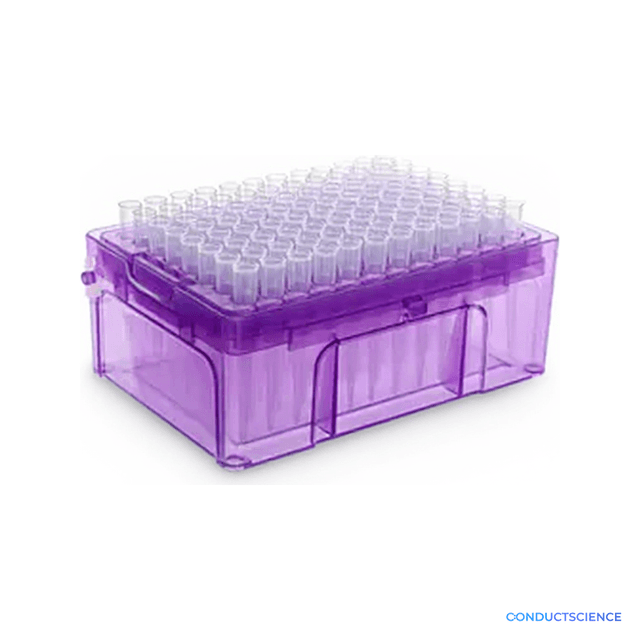
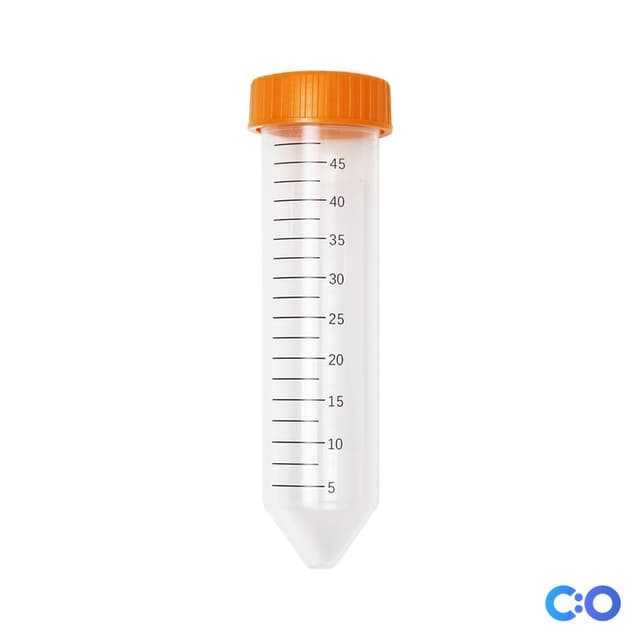
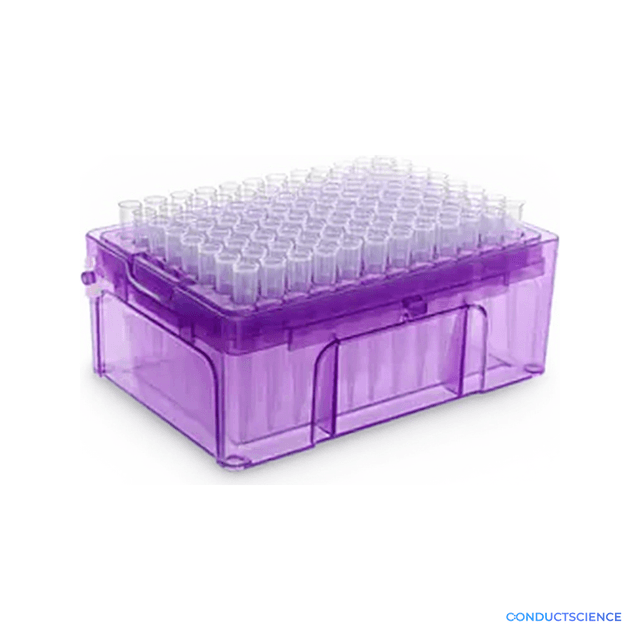
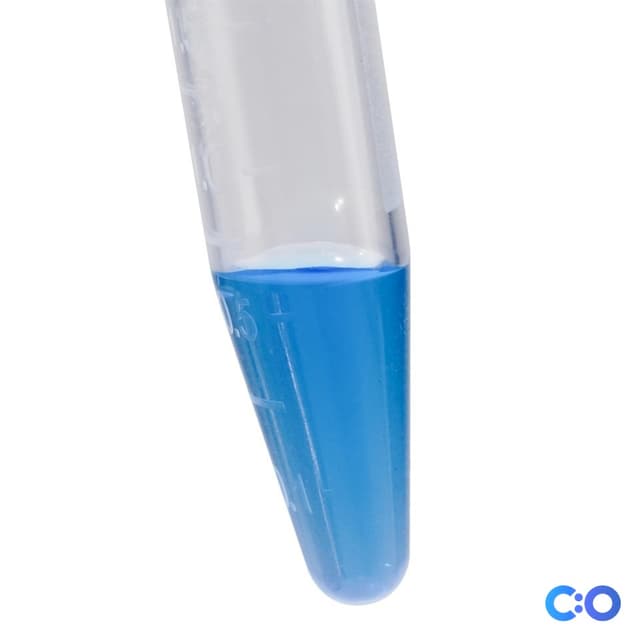
ConductScience Microcentrifuge Tubes 0.2mL, Clear (Pack of 25)
$22.00 per unit | 25 units per pack Bulk pricing: Pack of 25 at $550.00 ($22.00 per unit)

Louise Corscadden, PhD
Director of Science · ConductScience
Ask Louise about ConductScience Microcentrifuge Tubes 0.2mL, Clear (Pack of 25) fit, setup, configuration, or quote prep.
Already working with us? Sign in to connect this with My Scientist.
Key Specifications
Full details →- Model fit
- Configured during quote
- SKU family
- CS-MCT-02-1K
- Shipping box
- 22.6 x 18.8 x 15.1 cm
- Ordering
- Online checkout and quote request available
- Category
- Centrifuge Tubes
- Build notes
- Confirm accessories, station layout, and support needs before purchase
The ConductScience Microcentrifuge Tubes 0.2mL provide thin-wall construction optimized for rapid thermal cycling and efficient heat transfer in molecular biology applications. Manufactured from high-clarity polypropylene, these tubes offer excellent chemical resistance and optical clarity for visual sample monitoring. The flat cap design ensures secure closure while maintaining low profile for centrifuge rotor compatibility.
Certified DNase and RNase-free, these tubes eliminate nucleic acid contamination risks in sensitive molecular applications. Maximum centrifugal force rating of 20,000×g supports high-speed processing protocols. Autoclavable construction enables sterilization for sterile technique requirements.
How It Works
Microcentrifuge tubes function as precision containment vessels designed to withstand high centrifugal forces during sample separation and processing. The thin-wall construction minimizes thermal mass, enabling rapid temperature equilibration during thermal cycling protocols. Heat transfer coefficient is optimized through reduced wall thickness, critical for PCR applications requiring precise temperature control.
The polypropylene polymer matrix provides chemical inertness across pH ranges from 1-14 and temperatures from -80°C to +121°C. Flat cap geometry distributes stress uniformly during centrifugation, preventing deformation at maximum rated forces. The conical tube bottom concentrates samples into minimal volumes, facilitating complete recovery of precious samples and reagents.
DNase and RNase-free certification ensures absence of contaminating nucleases that could degrade nucleic acid samples. This is achieved through controlled manufacturing processes that eliminate enzyme contamination sources during polymer processing and molding operations.
Features & Benefits
Research Domain
- Analytical Chemistry
- Cell Biology
- Food Science
- Materials Science
- Microbiology
- Pharmaceutical QC
Shipping weight
- 4.41 lb
Shipping box
- L: 22.6 cm
- W: 18.8 cm
- H: 15.1 cm
| Feature | This Product | Typical Alternative | Advantage |
|---|---|---|---|
| Tube Capacity | 0.2mL volume | Standard formats often range from 0.5mL to 2.0mL | Reduces sample volume requirements for cost-effective processing of precious samples |
| Wall Construction | Thin-wall design | Standard tubes may have thicker walls for durability | Enhanced thermal conductivity enables faster temperature equilibration in thermal cycling applications |
| Centrifugal Force Rating | 20,000×g maximum | Entry-level tubes often rated for lower speeds | Supports high-speed separation protocols for efficient sample processing |
| Material Clarity | High-clarity polypropylene | Standard tubes may have reduced optical clarity | Improved sample visualization for monitoring reaction progress and sample quality |
| Contamination Control | DNase/RNase-free certified | Basic tubes may lack nuclease-free certification | Critical for molecular biology applications requiring nucleic acid integrity |
These 0.2mL tubes combine small-volume efficiency with high-speed centrifugation capability and nuclease-free certification. The thin-wall construction optimizes thermal performance while maintaining structural integrity at maximum rated forces.
Practical Tips
Pre-chill tubes to 4°C before loading temperature-sensitive samples to minimize thermal shock during processing.
Why: Reduces sample degradation and maintains enzyme activity in biochemical assays
Use calibrated micropipettes to verify tube volume markings if precise measurements are critical for quantitative assays.
Why: Tube molding tolerances may affect volume accuracy in high-precision applications
Inspect tube integrity before each use, particularly after autoclave cycles or freeze-thaw storage.
Why: Thermal stress can cause microscopic cracks that compromise sample containment
Always balance centrifuge loads symmetrically and verify tube caps are securely closed before high-speed runs.
Why: Prevents catastrophic failure and sample loss during centrifugation
Use fresh tubes for nucleic acid work rather than cleaning and reusing to maintain DNase/RNase-free status.
Why: Contaminating nucleases can degrade samples and compromise experimental results
If caps become difficult to remove after centrifugation, cool tubes briefly to reduce thermal expansion effects.
Why: Heat generation during spinning can cause thermal expansion and cap binding
Label tubes on the side rather than the cap to prevent label loss during processing and storage.
Why: Maintains sample identification throughout experimental workflows
Setup Guide
What’s in the Box
- 1000 × 0.2mL microcentrifuge tubes
- 1000 × Flat caps
- Product certificate of analysis (typical)
- DNase/RNase-free documentation (typical)
Warranty
ConductScience provides a 1-year manufacturer warranty covering material defects and manufacturing quality. Technical support is available for application guidance and compatibility questions.
Compliance
References
Background reading relevant to this product:
What is the wall thickness specification and how does it affect thermal cycling performance?
Thin-wall construction reduces thermal mass for rapid temperature equilibration during PCR cycling. Consult product datasheet for specific wall thickness measurements and thermal conductivity values.
Can these tubes withstand freeze-thaw cycles for sample storage applications?
Polypropylene construction supports temperature ranges from -80°C to +121°C, making them suitable for multiple freeze-thaw cycles. However, repeated thermal stress may affect mechanical properties over extended use.
What is the maximum volume recommendation for centrifugation at 20,000×g?
Maximum rated force of 20,000×g is for properly filled tubes. Consult centrifuge manufacturer guidelines for volume-specific speed limitations and ensure adequate tube support.
Are these tubes compatible with real-time PCR thermal cyclers?
Thin-wall design and 0.2mL capacity are optimized for thermal cycler compatibility. Verify specific instrument requirements for tube height and cap clearance before use.
What cleaning protocols are recommended for reusable applications?
While designed as single-use consumables, tubes can be cleaned with standard laboratory detergents followed by autoclave sterilization. DNase/RNase-free status may not be maintained after cleaning.
How do these compare to standard 1.5mL microcentrifuge tubes for small-volume work?
0.2mL tubes provide better thermal contact for PCR applications and reduce sample volume requirements. Standard tubes offer greater volume capacity but may have slower thermal equilibration.
Have a question about this product?
Have a question? Just ask.
Send it over and we'll email you a personalized answer — no call, no scheduling.
Prefer to talk it through?
Accessories
Enhance your setup with compatible accessories
Frequently Bought Together
Related Products