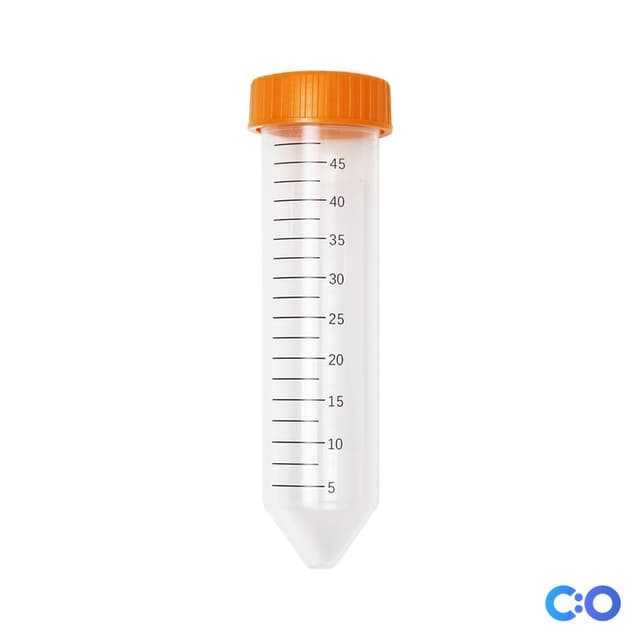
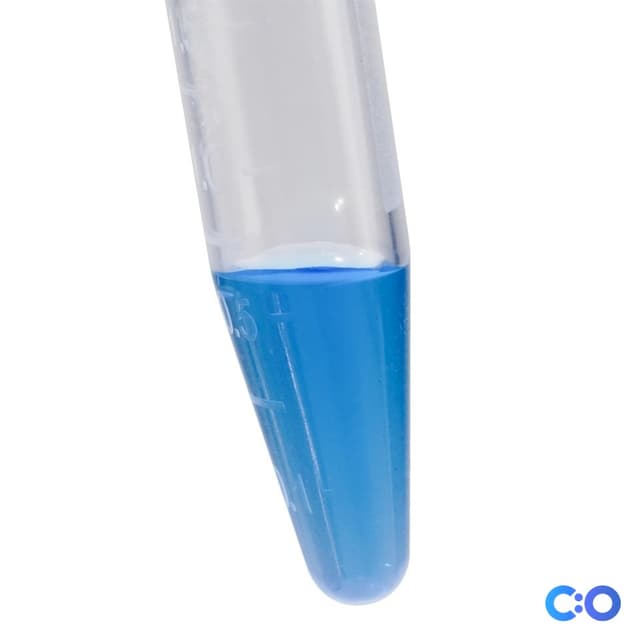
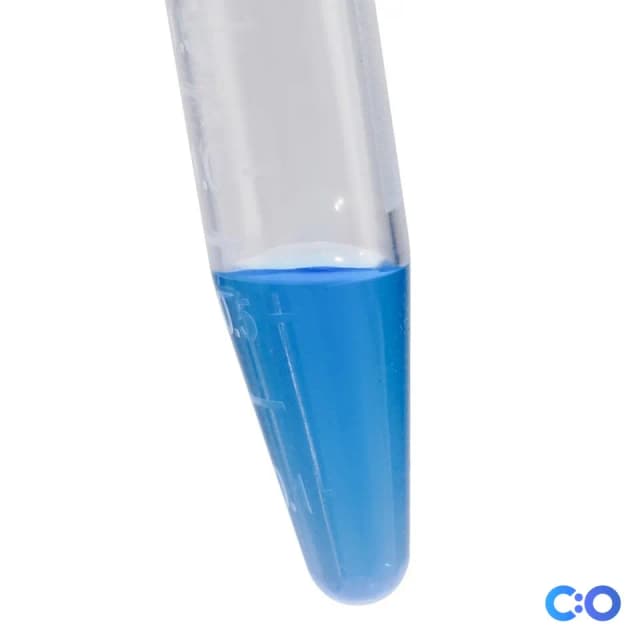
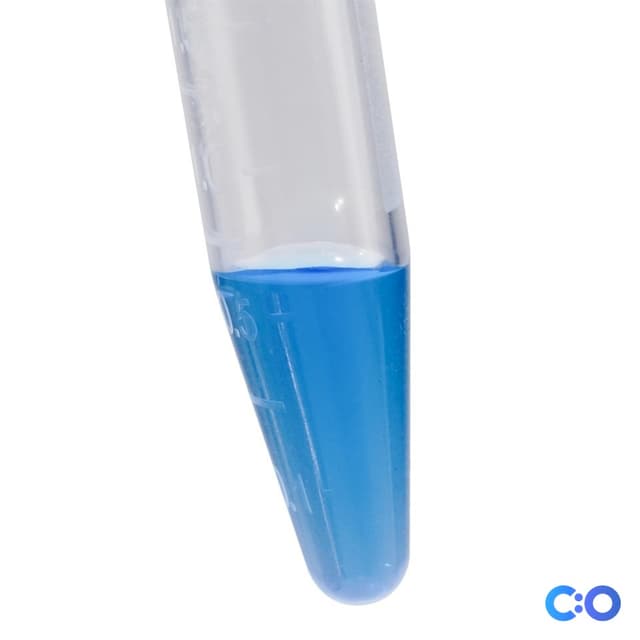
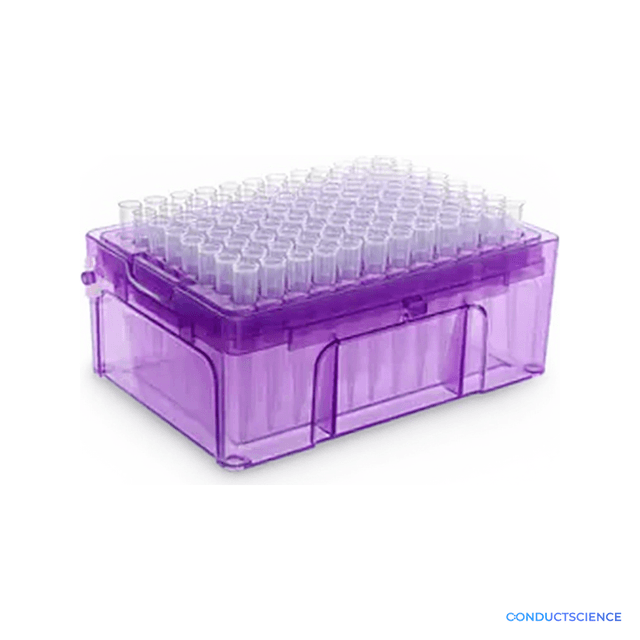
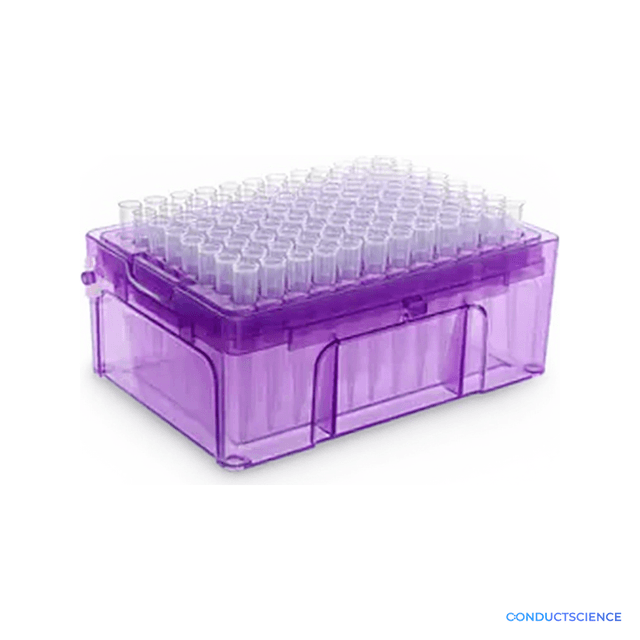
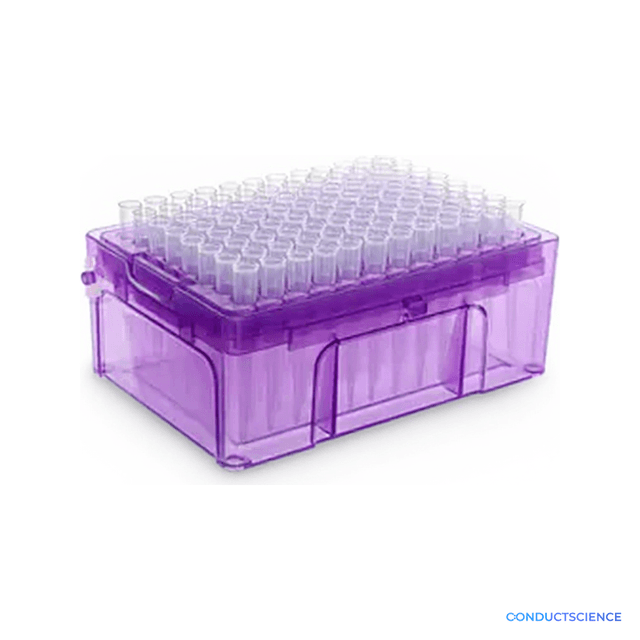
ConductScience Screw Cap Microtubes 2.0mL, Sterile (Case of 20)
$38.00 per unit | 20 units per pack Bulk pricing: Case of 20 at $760.00 ($38.00 per unit)

Louise Corscadden, PhD
Director of Science · ConductScience
Ask Louise about ConductScience Screw Cap Microtubes 2.0mL, Sterile (Case of 20) fit, setup, configuration, or quote prep.
Already working with us? Sign in to connect this with My Scientist.
Key Specifications
Full details →- Model fit
- Configured during quote
- SKU family
- CS-SCT-20-500
- Shipping box
- 22.6 x 18.8 x 15.1 cm
- Ordering
- Online checkout and quote request available
- Category
- Centrifuge Tubes
- Build notes
- Confirm accessories, station layout, and support needs before purchase
ConductScience Screw Cap Microtubes provide secure sample containment for microcentrifuge applications requiring leak-proof sealing. These 2.0mL capacity tubes feature threaded caps with integrated O-ring seals, constructed from medical-grade polypropylene for chemical compatibility and thermal resistance. The screw-cap design offers superior sealing performance compared to snap-cap alternatives, particularly important for transport, storage, and high-speed centrifugation applications.
The autoclavable construction enables sterilization protocols while maintaining dimensional stability and sealing integrity. Each tube arrives sterile, eliminating pre-use sterilization steps for immediate use in sterile workflows. The 2.0mL volume accommodates standard microcentrifuge protocols while fitting all standard microcentrifuge rotors with 1.5-2.0mL tube capacity.
How It Works
Screw cap microtubes operate on a threaded closure system that provides mechanical compression of an elastomeric O-ring against the tube rim. When the cap is tightened, the threads create consistent downward pressure, compressing the O-ring to form a hermetic seal around the tube opening. This sealing mechanism prevents sample loss during centrifugation, even at forces exceeding 20,000 x g typical in microcentrifuge applications.
The medical-grade polypropylene construction provides chemical resistance to most laboratory solvents, acids, and bases while maintaining dimensional stability across the temperature range from -80°C to +121°C. The material's low protein binding characteristics minimize sample loss during storage, particularly important for dilute protein solutions and enzymatic preparations. The autoclavable properties allow steam sterilization at 121°C for 15-20 minutes without compromising structural integrity or sealing performance.
The O-ring seal creates positive pressure containment, preventing evaporation of volatile components and maintaining sample concentration during extended storage periods. This sealing system proves particularly effective for samples containing organic solvents or requiring transport between laboratory locations where vibration and temperature fluctuations could compromise less secure closure systems.
Features & Benefits
Automation Level
- manual
Research Domain
- Analytical Chemistry
- Cell Biology
- Clinical Diagnostics
- Environmental Monitoring
- Microbiology
- Pharmaceutical QC
Shipping weight
- 4.41 lb
Shipping box
- L: 22.6 cm
- W: 18.8 cm
- H: 15.1 cm
| Feature | This Product | Typical Alternative | Advantage |
|---|---|---|---|
| Closure Mechanism | O-ring sealed screw cap with threaded closure | Snap-cap designs offer faster operation but less secure sealing | Provides leak-proof transport and prevents accidental opening during handling and centrifugation |
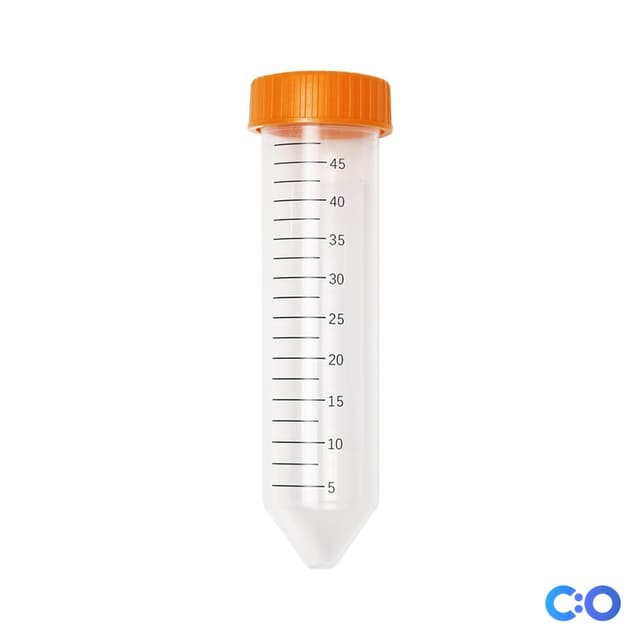
| Capacity | 2.0mL nominal volume with graduated markings | Common sizes range from 0.5mL to 2.0mL with varying graduation precision | Accommodates standard microcentrifuge protocols while enabling volume estimation during sample preparation |
| Material Construction | Medical-grade polypropylene with autoclavable properties | Standard polypropylene may not meet medical-grade specifications | Ensures chemical compatibility and low protein binding for sensitive biological samples |
| Sterility | Pre-sterilized tubes ready for immediate use | Many tubes require pre-use sterilization or are sold non-sterile | Eliminates sterilization workflow steps and reduces contamination risk in sterile applications |
| Temperature Range | Operating range from -80°C to +121°C | Limited temperature ranges may exclude ultra-low or autoclave temperatures | Supports both ultra-low temperature storage and steam sterilization protocols |
| Sealing Performance | Integrated O-ring creates hermetic seal under compression | Basic designs rely on friction fit without elastomeric sealing | Prevents evaporation of volatile components and maintains sample integrity during extended storage |
These screw cap microtubes offer superior sealing security through O-ring design and medical-grade construction suitable for demanding laboratory applications. The pre-sterilized format and broad temperature compatibility provide workflow flexibility for both routine and specialized protocols requiring secure sample containment.
Practical Tips
Tighten caps to finger-tight resistance only - over-tightening can deform the O-ring and compromise sealing performance.
Why: Proper O-ring compression requires consistent pressure, and excessive force can permanently deform the elastomeric seal.
Inspect O-rings for nicks or deformation before reuse, especially after autoclaving or chemical exposure.
Why: Damaged O-rings cannot maintain proper sealing pressure and will result in sample loss during centrifugation.
Always balance tubes in the centrifuge rotor and ensure caps are properly seated before high-speed centrifugation.
Why: Improperly sealed or unbalanced tubes can open during centrifugation, creating safety hazards and sample loss.
Leave adequate headspace when filling tubes to prevent sample overflow during cap installation and thermal expansion.
Why: Overfilled tubes can contaminate threads and prevent proper O-ring sealing, compromising sample containment.
If caps become difficult to remove after freezing, warm tubes to room temperature before attempting to open.
Why: Thermal contraction can increase sealing pressure, and forcing frozen caps can damage threads or O-rings.
Do not rely on tube graduations for precise volume measurements - use calibrated pipettes for quantitative work.
Why: Tube graduations are intended for visual estimation and lack the accuracy required for quantitative analytical protocols.
Record lot numbers when using tubes for regulatory or publication-quality work to ensure traceability.
Why: Lot-to-lot variations in manufacturing can affect experimental reproducibility in sensitive applications.
Store opened packages in a clean, dry environment and use tubes within reasonable timeframes to maintain sterility.
Why: Exposure to laboratory environments can compromise sterility even if tubes are handled with aseptic technique.
Setup Guide
What’s in the Box
- 500 sterile 2.0mL screw cap microtubes
- Integrated O-ring seals (pre-installed)
- Sterile packaging with lot identification
- Certificate of sterility (typical)
- Product specification sheet (typical)
Warranty
ConductScience provides standard manufacturer warranty covering material defects and sterility integrity. Technical support available for application-specific protocols and troubleshooting tube performance issues.
Compliance
What centrifugation forces can these tubes withstand without seal failure?
The O-ring seal design provides secure closure for typical microcentrifuge applications. Consult product datasheet for specific RCF ratings and testing conditions to ensure compatibility with your centrifugation protocols.
Can these tubes be reused after autoclaving for non-sterile applications?
Yes, the polypropylene construction maintains integrity through multiple autoclave cycles at 121°C. However, O-ring sealing performance may degrade after repeated thermal cycling, so inspect seals before reuse.
Are these tubes compatible with organic solvents used in extraction protocols?
Medical-grade polypropylene provides good chemical resistance to most laboratory solvents including alcohols, acetone, and chloroform. However, prolonged exposure to aggressive solvents may affect sealing performance.
How do screw caps compare to snap caps for sample transport?
Screw caps provide superior sealing security during transport and handling compared to snap caps, which can separate under vibration or temperature changes. The threaded mechanism ensures consistent closure pressure.
What is the maximum recommended fill volume to prevent overflow during cap installation?
Recommended maximum fill is 1.8mL to provide adequate headspace for cap threading and O-ring compression without sample overflow or compromised sealing.
Can these tubes be used for PCR applications requiring thermal cycling?
While the polypropylene construction tolerates typical PCR temperatures, the larger volume and cap design are not optimized for PCR thermal cycling. Consider dedicated PCR tubes for thermal cycling applications.
How should tubes be stored to maintain sterility before use?
Maintain tubes in original sterile packaging in a clean, dry environment away from direct sunlight. Once opened, handle with aseptic technique and use within the recommended timeframe.
Are volume markings accurate enough for quantitative pipetting applications?
Graduated markings provide visual volume estimation but are not certified for quantitative accuracy. Use calibrated pipettes for precise volume measurements rather than relying on tube graduations.
Have a question about this product?
Have a question? Just ask.
Send it over and we'll email you a personalized answer — no call, no scheduling.
Prefer to talk it through?
Accessories
Enhance your setup with compatible accessories
Frequently Bought Together