Portable Digital Auto 4 Vials Reactor
Compact 4-vial thermal reactor with 20-180°C temperature range and programmable timing for standardized digestion protocols in analytical chemistry applications.
| Warm-up Time | 10 - 15 minutes, depending on selectedtemperature |
| Heating period | 0-120mins |
| Environment temperature | (0ï½40)â |
| Environment relative humidity | <=85% |
| Automation Level | semi-automated |
| Brand | ConductScience |

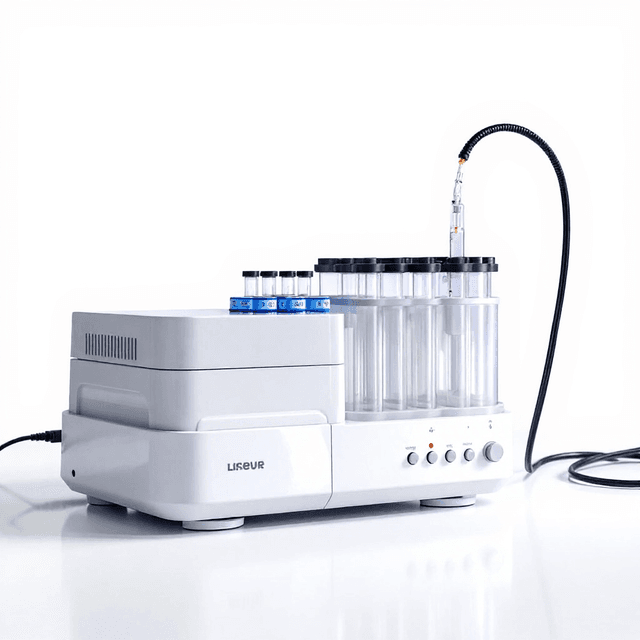
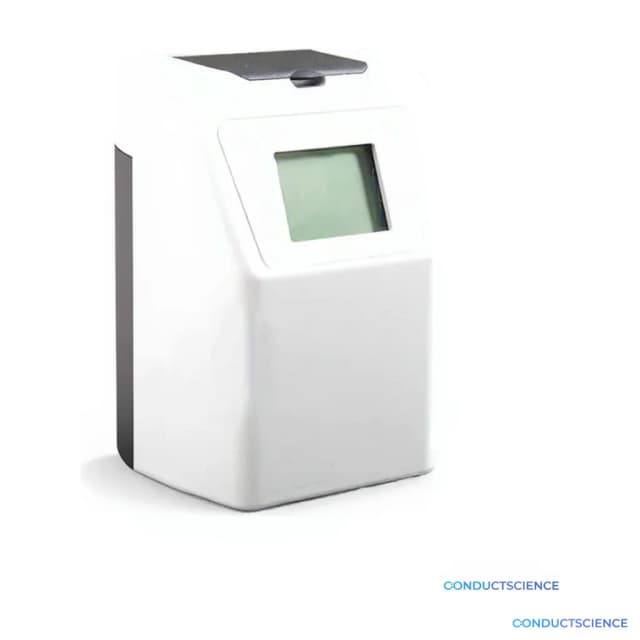
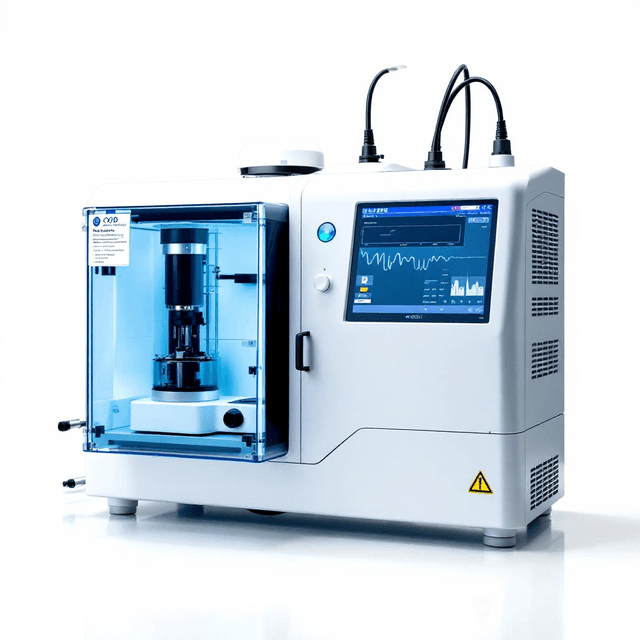
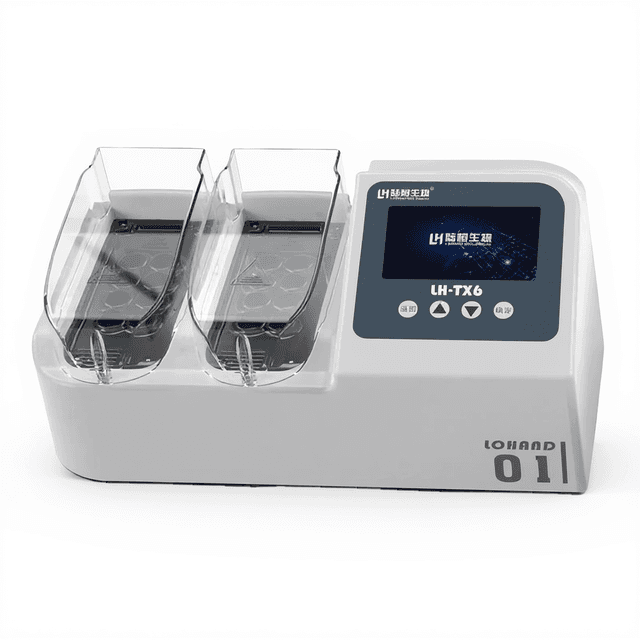
The Portable Digital Auto 4 Vials Reactor is a compact thermal digestion system designed for simultaneous processing of four sample vials. This reactor utilizes sealed vessel technology with micro-return line design to prevent condensed water interference during digestion processes. The system provides precise temperature control from 20-180°C with ±3°C accuracy at 25°C, and programmable heating periods from 0-120 minutes with automatic shutoff and audible notification.
The reactor incorporates a transparent plastic protection shield for operator safety and features pressure-tested vials designed for high-temperature digestion protocols. With dimensions of 110×170×135 mm and DC 12V/10A power requirements, this portable unit enables standardized thermal digestion procedures in laboratory and field environments. The 10-15 minute warm-up time allows rapid deployment for routine analytical workflows.
How It Works
The reactor operates through controlled thermal digestion using sealed vessel technology. Samples are loaded into pressure-tested vials and subjected to precise temperature control between 20-180°C. The sealed design with micro-return line prevents water loss during digestion while maintaining consistent reaction conditions. Temperature accuracy of ±3°C at 25°C ensures reproducible thermal treatment across all four sample positions simultaneously.
The programmable heating system allows reaction times from 0-120 minutes with automatic temperature regulation and shutoff. The thermal fuse prevents overheating, while the transparent protection shield provides operator safety during high-temperature operations. The compact design enables uniform heat distribution across all four vial positions, ensuring consistent thermal treatment for analytical reproducibility.
Features & Benefits
Research Domain
- Analytical Chemistry
- Environmental Monitoring
- Food Science
- Industrial Hygiene
- Pharmaceutical QC
Warm-up Time
- 10 - 15 minutes, depending on selectedtemperature
Heating period
- 0-120mins
Environment temperature
- (0ï½40)â
Environment relative humidity
- <=85%
Automation Level
- semi-automated
Brand
- ConductScience
Temperature Range
- 20-180â
Accuracy
- ±3°C (@ 25°C)
Capacity
- 4 vials
Power/Voltage
- DC 12V/10A
Dimensions
- 110Ã170Ã135 mm
Weight
- 1.19 kg
Dimensions
- L: 6.69 mm
- W: 5.31 mm
- H: 4.33 mm
Comparison Guide
| Feature | This Product | Typical Alternative | Advantage |
|---|---|---|---|
| Sample Capacity | 4 vials simultaneously | Entry-level models often process 1-2 samples at a time | Higher throughput reduces analysis time and ensures identical treatment conditions across sample batches. |
| Temperature Range | 20-180°C with ±3°C accuracy | Basic heating blocks may offer narrower ranges with lower precision | Wide temperature range accommodates diverse analytical protocols while precision ensures reproducible results. |
| Sealed Vessel Design | Micro-return line prevents condensation interference | Open systems require manual condensation management | Prevents sample contamination and volume loss during high-temperature digestion processes. |
| Programmable Timing | 0-120 minutes with automatic shutoff | Manual timing systems require constant monitoring | Enables unattended operation with consistent reaction times across all samples. |
| Portability | 110×170×135 mm compact design | Laboratory digesters often require permanent bench installation | Enables field analysis and flexible laboratory placement while maintaining full functionality. |
This reactor combines simultaneous 4-sample processing with precise temperature control and sealed vessel technology in a portable format. The programmable timing and automatic safety features enable unattended operation while the compact design supports both laboratory and field applications.
Practical Tips
Verify temperature accuracy using certified thermometer at multiple points across the 20-180°C range before initial use.
Why: Temperature precision directly affects analytical reproducibility and method validation requirements.
Allow complete temperature equilibration during the 10-15 minute warm-up period before loading samples.
Why: Uniform starting temperature ensures consistent reaction kinetics across all four sample positions.
Inspect vial seals and micro-return lines regularly for damage or blockage that could affect sealed digestion.
Why: Compromised sealing leads to sample contamination and volume loss during high-temperature operations.
Always ensure transparent protection shield is properly positioned before initiating heating cycles.
Why: High-temperature operations pose burn hazards and pressurized vials require containment for operator protection.
If heating cycles exceed programmed times, check power supply voltage and environmental temperature conditions.
Why: Power fluctuations and extreme ambient conditions can affect heating performance and timing accuracy.
Document vial position for each sample to identify any position-specific temperature variations during method development.
Why: Position-dependent heating patterns could introduce systematic errors in analytical results.
Program heating periods with 5-minute buffer beyond minimum required time to account for temperature stabilization.
Why: Ensures complete reaction at target temperature rather than during temperature ramp periods.
Clean vials and reactor surfaces with appropriate solvents after each use to prevent cross-contamination.
Why: Residual chemicals from previous analyses can interfere with subsequent sample digestion and analysis.
Setup Guide
What’s in the Box
- Portable Digital Auto 4 Vials Reactor main unit
- DC 12V/10A power adapter
- 4 pressure-tested sample vials (typical)
- Transparent plastic protection shield
- User manual and operation guide (typical)
- Temperature calibration certificate (typical)
Compliance
References
Background reading relevant to this product:
Warranty & ConductCare
ConductScience provides standard 1-year manufacturer warranty covering defects in materials and workmanship. Technical support includes troubleshooting assistance and replacement part availability for continued operation.
What is the temperature uniformity across all four vial positions during digestion?
The reactor maintains ±3°C accuracy at 25°C across all positions through compact design and uniform heat distribution, though specific inter-position variability should be verified through calibration.
Can this reactor handle samples requiring temperatures above 150°C for extended periods?
Yes, the system supports temperatures up to 180°C with programmable heating periods up to 120 minutes, suitable for high-temperature digestion protocols.
How does the sealed vessel design prevent sample contamination?
The micro-return line design prevents condensed water interference while maintaining sealed conditions, eliminating external contamination and sample volume loss during digestion.
What safety features protect against overheating during unattended operation?
The reactor includes thermal fuse protection, automatic shutoff after programmed heating periods, and audible completion notification for safe unattended operation.
Can the reactor operate in field conditions outside standard laboratory environments?
Yes, with environmental operating range of 0-40°C and ≤85% humidity, plus compact portable design and DC power requirements suitable for field deployment.
How long does temperature equilibration take when switching between different digestion temperatures?
Initial warm-up time is 10-15 minutes depending on target temperature, though specific equilibration times for temperature changes should be determined empirically.
Are the sample vials compatible with standard analytical procedures requiring sealed digestion?
The vials are pressure-tested for heating applications, though specific pressure ratings and chemical compatibility should be confirmed for particular analytical protocols.
Have a question about this product?