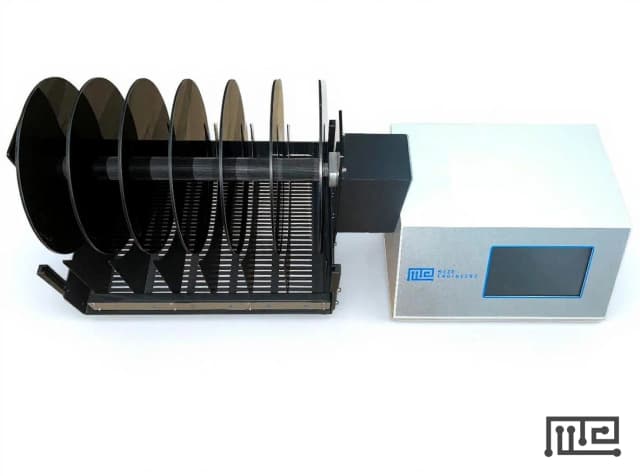
Rodent Treadmill
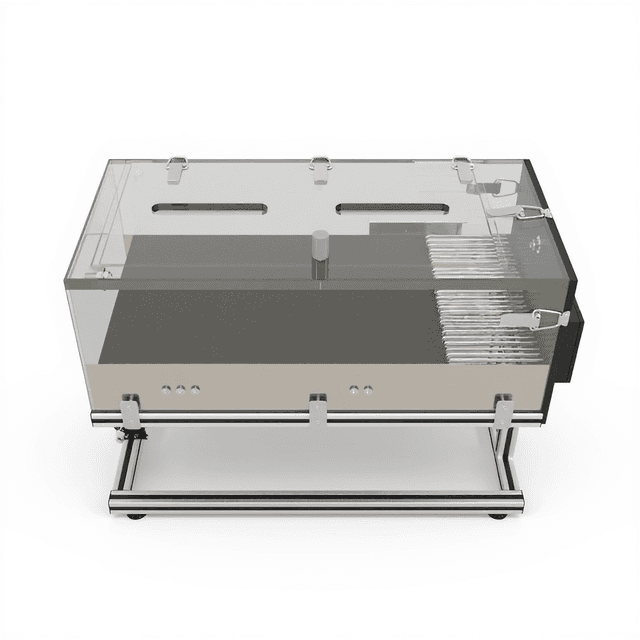
Motorized treadmill system for rodent exercise training and motor function assessment, featuring variable speed (0-80 m/min), adjustable slope (0-25°), and optional shock grid motivation with single or 5-lane configurations.
| speed_range | 0-80 meters per minute |
| acceleration_increments | 0.1 meter/minute increments |
| slope_range | 0 to 25 degrees |
| shock_current_range | 0 – 4mA adjustable in 0.1mA units |
| power_system | Single-phase power system |
| lane_options | ['1 lane', '5 lane'] |
The Treadmill is a specialized motor activity assessment system designed for controlled locomotion studies in laboratory research. This equipment enables precise evaluation of motor function, endurance capacity, and exercise responses in experimental subjects under standardized conditions.
The system provides a controlled platform for investigating gait patterns, motor coordination, and cardiovascular responses to exercise stimuli. Researchers utilize this equipment to assess baseline motor function, monitor disease progression in neurological models, and evaluate therapeutic interventions affecting locomotor performance.
How It Works
The Rodent Treadmill operates through a motorized belt system that forces animals to maintain locomotion at predetermined speeds and inclines. The ultra-quiet motor drives a textured belt surface that provides adequate grip while minimizing noise interference that could affect animal behavior. Speed control is achieved through precise electronic regulation, allowing researchers to implement graduated exercise protocols or maintain constant velocities for endurance testing.
The optional shock grid system employs mild electrical stimulation (0-4mA) to motivate continued locomotion when animals attempt to remain stationary. Current intensity is correlated with LED indicators for visual confirmation of stimulation levels. Individual lane separation using clear acrylic walls and non-reflective dividers prevents animal interaction while maintaining visual monitoring capabilities. The adjustable slope mechanism (0-25 degrees) enables investigation of exercise intensity effects and simulation of varied terrain conditions.
Independent lane control allows simultaneous testing of multiple subjects under identical or varied protocols, with separate counting systems tracking individual performance metrics. The system's construction materials (aluminum alloy frame with acrylic components) provide durability while enabling easy cleaning and maintenance between experimental sessions.
Features & Benefits
speed_range
- 0-80 meters per minute
acceleration_increments
- 0.1 meter/minute increments
slope_range
- 0 to 25 degrees
shock_current_range
- 0 – 4mA adjustable in 0.1mA units
power_system
- Single-phase power system
lane_options
- ['1 lane', '5 lane']
independent_lane_control
- Each lane can be counted separately
motor_type
- Ultra Quiet
belt_texture
- Single Belt texture facilitates animal grip
shock_grid
- Optional, removable for cleaning
shock_led_correlation
- Adjustable shock intensity correlated to LED lamp
conversion_option
- 5-lane mouse to 3-lane rat conversion available
Device Type
- 1 lane
- 5 lane
Size
- Mouse
- Rat
Behavioral Construct
- Motor Learning
- Locomotion
- Endurance
- Exercise Capacity
Automation Level
- semi-automated
Material
- Aluminum alloy
- Black non-reflective separators
- Clear Acrylic
Color
- Black
Power/Voltage
- 163V
Species
- Mouse
- Rat
Research Domain
- Aging Research
- Behavioral Pharmacology
- Cardiovascular
- Motor Function
- Neurodegeneration
- Neuroscience
Weight
- 50.0 lbs
Dimensions
- L: 80.0 in
- W: 75.0 in
- H: 45.0 in
Comparison Guide
| Feature | This Product | Typical Alternative | Advantage |
|---|---|---|---|
| Speed Range and Precision | 0-80 m/min with 0.1 m/min increments | Basic models often provide 5-50 m/min with 1 m/min steps | Fine speed control enables gradual conditioning protocols and precise exercise intensity studies. |
| Slope Adjustment | 0-25 degree adjustable slope | Fixed horizontal position or limited 0-15 degree range | Extended slope range allows investigation of varied exercise intensities and terrain simulation. |
| Multi-Lane Configuration | 1 or 5-lane options with independent control | Single lane or fixed multi-lane without individual control | Simultaneous testing increases throughput while maintaining individual protocol flexibility. |
| Motivation System Precision | 0-4mA adjustable in 0.1mA increments with LED correlation | Fixed current levels or manual adjustment without indicators | Precise shock control enables standardized motivation protocols across animals and studies. |
| Species Flexibility | Mouse and rat configurations with conversion capability | Species-specific designs without conversion options | Laboratory flexibility accommodates different research models within one system investment. |
| Motor Noise Level | Ultra-quiet motor design | Standard motors with variable noise characteristics | Reduced acoustic interference prevents stress artifacts that could confound behavioral measurements. |
This treadmill system offers precise speed and slope control with multi-lane flexibility for high-throughput motor function assessment. The combination of fine speed increments, standardized shock motivation, and species conversion capabilities provides comprehensive exercise protocol implementation for diverse research applications.
Practical Tips
Verify belt speed accuracy monthly using external measurement tools, particularly at commonly used protocol speeds.
Why: Speed drift can introduce systematic errors in exercise dosing and experimental reproducibility.
Clean the textured belt surface with mild detergent between animal sessions and inspect for wear patterns.
Why: Accumulated debris reduces grip effectiveness and wear patterns can create uneven running surfaces affecting gait analysis.
Begin new animals with 5-10 minute habituation sessions at low speeds without shock activation before implementing experimental protocols.
Why: Acclimation reduces stress-related confounds and establishes consistent baseline locomotor patterns for accurate assessment.
If animals consistently avoid specific lane areas, check for belt alignment issues or shock grid irregularities.
Why: Spatial avoidance often indicates mechanical problems that can bias locomotor measurements and compromise data quality.
Record environmental temperature and humidity alongside locomotor data, as thermal conditions affect animal exercise performance.
Why: Environmental variables significantly influence cardiovascular responses and exercise capacity, requiring documentation for proper data interpretation.
Always start shock current at minimum levels (0.1mA) and increase gradually while monitoring animal responses for signs of distress.
Why: Excessive stimulation can induce stress responses that confound motor function measurements and violate animal welfare guidelines.
Use consistent time-of-day testing schedules to control for circadian influences on locomotor activity and exercise performance.
Why: Circadian rhythms significantly affect motor coordination and cardiovascular responses, requiring temporal standardization for reproducible results.
Lubricate slope adjustment mechanisms quarterly and verify angle accuracy using precision measurement tools.
Why: Mechanical wear in slope systems can introduce angle errors that affect exercise intensity calculations and experimental validity.
Setup Guide
What’s in the Box
- Treadmill main unit with motor system
- Lane dividers and acrylic walls
- Shock grid components (if applicable)
- Power cable and electrical connections
- User manual and operation guide
- Speed calibration documentation (typical)
- Cleaning and maintenance kit (typical)
Warranty
ConductScience provides a standard 1-year manufacturer warranty covering defects in materials and workmanship, with technical support for operation and maintenance procedures. Extended service plans and calibration services are available for long-term research applications.
Compliance
References
Background reading relevant to this product:
What is the maximum weight capacity for each lane configuration?
Consult product datasheet for specific weight limits. The system is designed for standard laboratory mice (20-40g) and rats (200-500g) with appropriate safety margins for dynamic loading during locomotion.
Can the shock intensity be synchronized with speed changes during protocols?
The shock current (0-4mA) is manually adjustable with LED correlation, but automatic synchronization with speed changes requires external control systems or manual adjustment during protocols.
How do you convert between mouse and rat configurations?
The 5-lane mouse system can be converted to accommodate 3 rats by replacing lane dividers and shock grids with appropriate dimensions. Conversion hardware is available separately.
What data outputs are available for automated recording?
The system includes independent lane counting capabilities, but integration with data acquisition systems requires additional interface hardware for automated parameter logging.
How frequently should the belt surface be replaced?
Belt replacement frequency depends on usage intensity and cleaning protocols. Monitor for texture wear that could affect animal grip, typically requiring replacement after 6-12 months of regular use.
Can alternative motivation methods replace the shock grid system?
Yes, the shock grids are removable to accommodate alternative motivation such as air puffs, gentle mechanical stimulation, or positive reinforcement protocols while maintaining lane separation.
What is the minimum speed resolution for gradual acceleration protocols?
The system provides 0.1 meter/minute increments across the full 0-80 m/min range, enabling gradual acceleration protocols with fine speed control for exercise conditioning studies.
Have a question about this product?
Frequently Bought Together
Upgrade Options