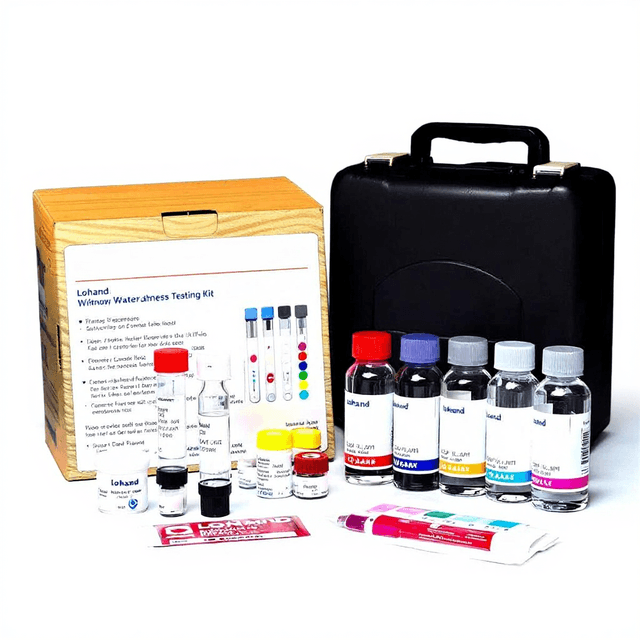
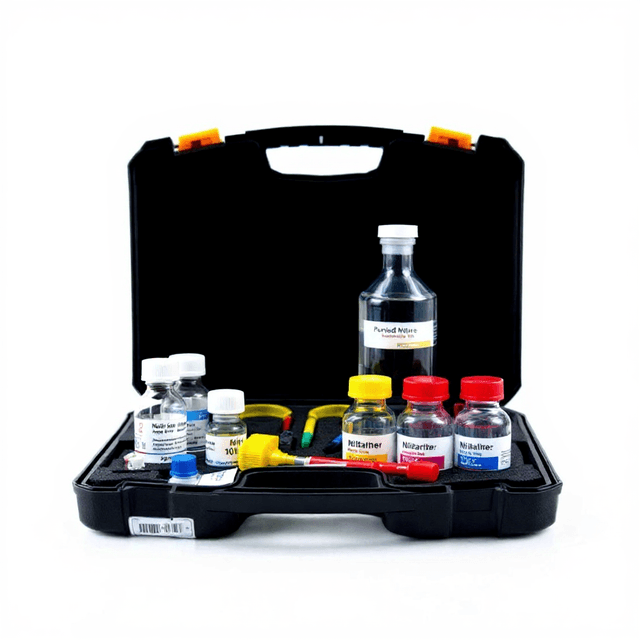
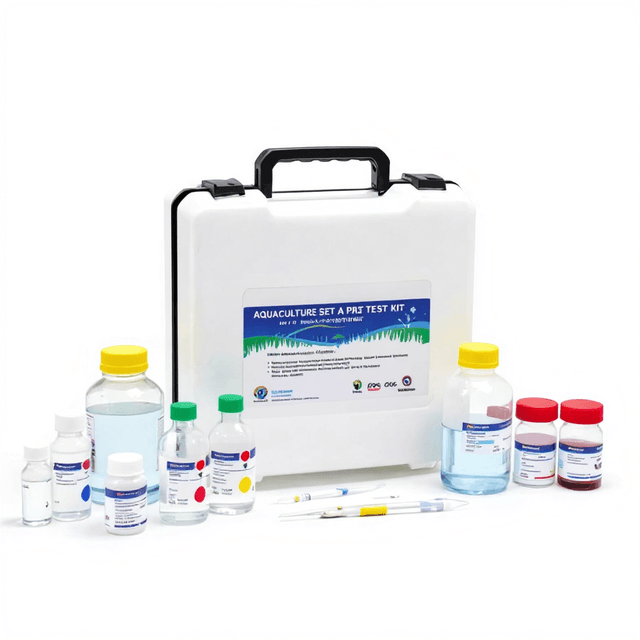
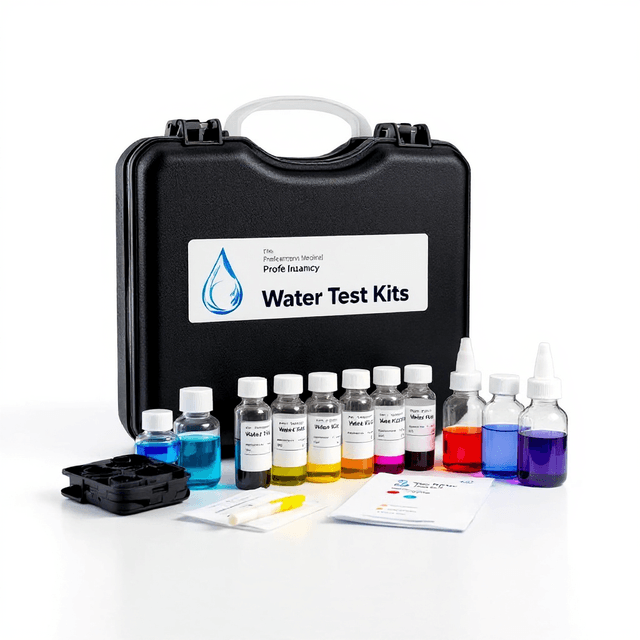
Ammonia Test Kit
Colorimetric test kit for quantitative ammonia and ammonium nitrogen analysis in water samples, supporting standard analytical protocols for environmental and laboratory applications.
| Product name | Model No. |
| Ammonia test kit | LH2007 |
| Automation Level | manual |
| Brand | ConductScience |

The ConductScience Ammonia Test Kit (Model LH2007) provides colorimetric analysis capabilities for quantitative ammonia and ammonium nitrogen determination in water samples. This test kit employs established colorimetric principles commonly used in environmental monitoring, pharmaceutical quality control, and laboratory water analysis applications.
The kit supports standard colorimetric ammonia detection protocols used across multiple analytical workflows. The colorimetric approach enables visual and spectrophotometric quantification of ammonia concentrations in aqueous samples, making it suitable for routine water quality assessment in research and industrial settings.
How It Works
The ammonia test kit utilizes colorimetric detection principles based on chemical reactions that produce measurable color changes proportional to ammonia concentration. The most commonly employed methods include the Nessler reaction, which produces yellow to brown coloration, and the phenate (Berthelot) reaction, which generates blue indophenol complexes.
In colorimetric ammonia analysis, the sample is treated with specific reagents that react selectively with ammonia or ammonium ions to form colored complexes. These complexes exhibit characteristic absorption spectra that can be measured spectrophotometrically or compared visually to standard color charts. The intensity of color development correlates directly with the concentration of ammonia present in the sample.
The analytical procedure typically involves sample preparation, reagent addition, reaction development time, and colorimetric measurement. Results can be obtained through visual comparison with provided color standards or through spectrophotometric measurement at specific wavelengths for quantitative analysis.
Features & Benefits
Product name
- Model No.
Ammonia test kit
- LH2007
Automation Level
- manual
Brand
- ConductScience
Research Domain
- Analytical Chemistry
- Environmental Monitoring
- Food Science
- Industrial Hygiene
- Microbiology
- Pharmaceutical QC
Weight
- 0.26 kg
Dimensions
- L: 30.0 mm
- W: 20.0 mm
- H: 10.0 mm
Comparison Guide
| Feature | This Product | Typical Alternative | Advantage |
|---|---|---|---|
| Detection Method | Colorimetric analysis with visual and spectrophotometric options | Electronic probes typically offer continuous monitoring capabilities | Provides flexibility for both field testing and laboratory quantification without requiring electronic instrumentation |
| Sample Throughput | Manual batch testing of multiple samples | Automated systems often provide higher throughput for routine analysis | Enables simultaneous processing of multiple samples with operator control over timing and quality checks |
| Portability | Portable kit format for field applications | Benchtop analyzers typically require laboratory infrastructure | Allows on-site testing in remote locations without electrical power or laboratory facilities |
| Operating Costs | Consumable reagent-based analysis | Electronic instruments often have higher initial costs but lower per-test expenses | Lower initial investment suitable for occasional testing applications without long-term maintenance contracts |
The LH2007 ammonia test kit provides colorimetric analysis capabilities suitable for manual testing applications where portability and visual assessment are priorities. The kit supports standard analytical protocols commonly used in water quality assessment and environmental monitoring applications.
Practical Tips
Use certified ammonia standards to prepare fresh calibration curves for each analytical session.
Why: Colorimetric reactions can be affected by reagent age and environmental conditions, requiring regular calibration verification.
Store reagents according to manufacturer specifications and check expiration dates before each use.
Why: Degraded reagents can lead to poor color development and inaccurate results in colorimetric analysis.
Allow adequate time for color development and read results within the specified timeframe.
Why: Color intensity changes over time, and timing consistency is critical for reproducible quantitative measurements.
If color development is weak or inconsistent, check reagent quality and sample pH conditions.
Why: Colorimetric reactions are pH-sensitive and require proper reagent activity for reliable color formation.
Include blank samples and quality control standards in each analytical batch.
Why: Systematic quality checks detect reagent contamination and analytical drift that could compromise data integrity.
Work in well-ventilated areas and use appropriate personal protective equipment when handling reagents.
Why: Some colorimetric reagents may contain hazardous chemicals requiring proper safety precautions during handling and disposal.
Setup Guide
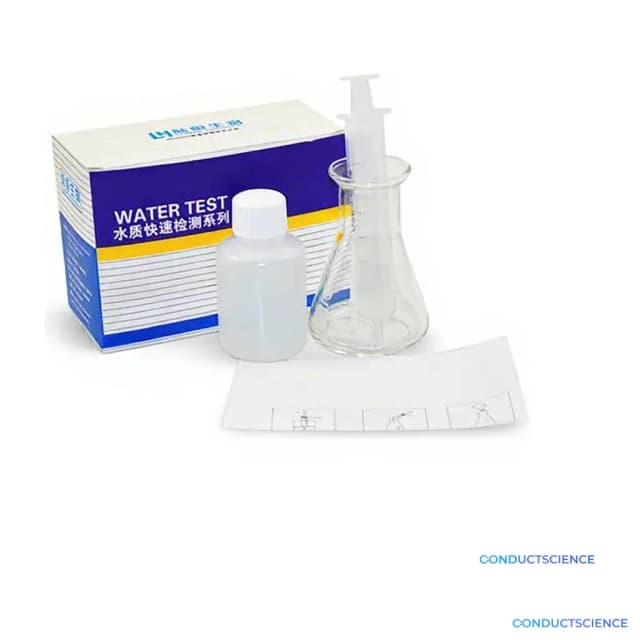
What’s in the Box
- Test reagent bottles (typical)
- Color comparison chart (typical)
- Sample collection containers (typical)
- Measurement accessories (typical)
- Instruction manual with protocols
- Quality control materials (typical)
Compliance
References
Background reading relevant to this product:
Warranty & ConductCare
ConductScience provides a one-year manufacturer warranty covering material defects and manufacturing issues. Technical support is available for analytical protocol questions and troubleshooting assistance.
What is the typical detection range for ammonia analysis with this kit?
Detection range specifications should be consulted in the product datasheet. Most colorimetric ammonia kits provide detection capabilities in the mg/L range suitable for water quality assessment.
How does this kit compare to automated ammonia analyzers?
This kit offers manual colorimetric analysis suitable for batch testing and field applications, while automated analyzers provide continuous monitoring capabilities with higher throughput for routine laboratory use.
What interferences affect ammonia colorimetric analysis?
Common interferences include turbidity, color, and certain metal ions. Sample pretreatment protocols in the kit documentation address interference mitigation strategies.
Can this kit be used for seawater samples?
Salt content and matrix effects in seawater may require sample dilution or matrix modification. Consult the kit documentation for guidance on high-salinity sample analysis.
What is the shelf life of the reagents?
Reagent stability varies by component. Check individual reagent bottle labels for expiration dates and storage requirements to maintain analytical performance.
How do I validate the kit's analytical performance?
Use certified reference materials and quality control standards to verify accuracy and precision. Implement regular check standard analysis as part of quality assurance protocols.
What sample preservation is required for ammonia analysis?
Ammonia in water samples is unstable and should be analyzed promptly or preserved according to standard methods, typically through acidification and refrigeration.
Have a question about this product?
Accessories
Enhance your setup with compatible accessories
Frequently Bought Together