Ant Binary Tree Maze
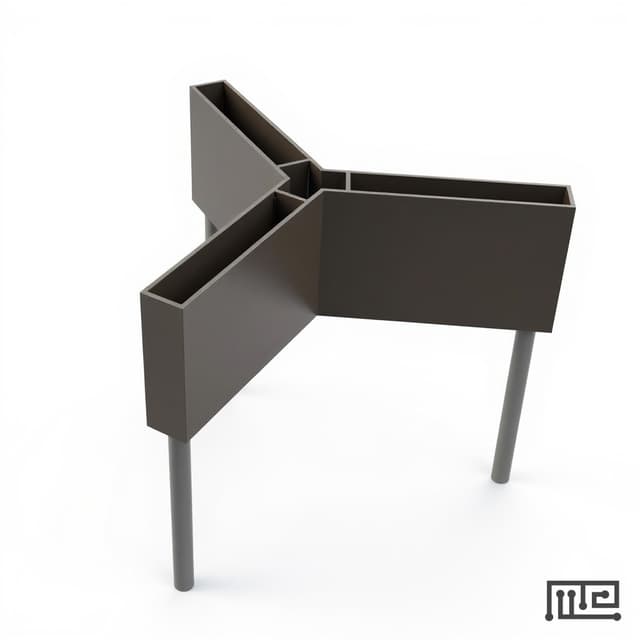
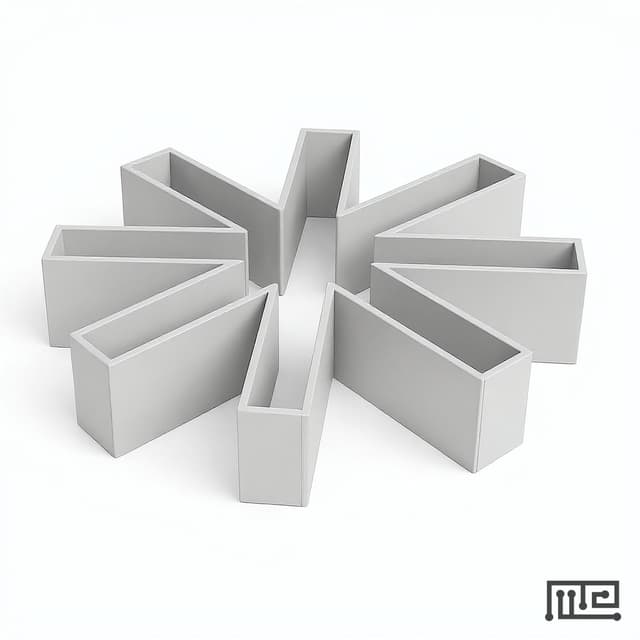
Binary tree maze apparatus (150 × 50 cm) for studying ant spatial navigation, decision-making, and foraging behavior in controlled laboratory environments.
| Automation Level | manual |
| Species | Ant |

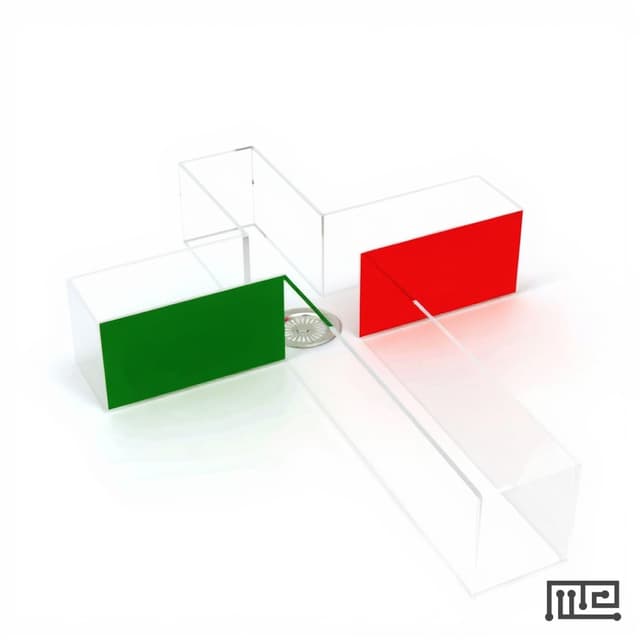
The Ant Binary Tree Maze is a specialized behavioral apparatus designed for studying spatial navigation, decision-making, and foraging behavior in ant colonies and individual ants. This maze features a binary branching structure where ants encounter sequential choice points, allowing researchers to examine spatial memory formation, route optimization, and collective foraging strategies in controlled laboratory conditions.
The apparatus measures 150 cm in length by 50 cm in width with 15 cm rim height, providing sufficient space for ant movement while containing subjects within the experimental arena. The binary tree configuration enables systematic investigation of navigation algorithms employed by ants, including path integration, landmark use, and trail-following behaviors. Researchers can manipulate environmental cues, food placement, and maze complexity to study how ants adapt their navigation strategies under varying conditions.
How It Works
The binary tree maze operates on the principle of sequential decision-making, where ants encounter a series of T-junction choice points arranged in a branching tree structure. At each node, subjects must select between two pathways, creating a systematic framework for studying spatial decision algorithms. The maze geometry forces ants to commit to directional choices, enabling quantitative analysis of path selection patterns and route optimization strategies.
Researchers can manipulate environmental variables including food placement, chemical trail deposition, and visual landmarks to examine how ants integrate multiple information sources during navigation. The apparatus allows for both individual tracking studies and colony-level experiments, where multiple ants may interact through pheromone deposition and social facilitation. Video tracking systems can record movement patterns, choice latencies, and path efficiency metrics for detailed behavioral analysis.
Features & Benefits
Behavioral Construct
- spatial navigation
- decision-making
- foraging behavior
- spatial memory
- path optimization
Automation Level
- manual
Research Domain
- Behavioral Pharmacology
- Developmental Biology
- Learning and Memory
- Neuroscience
- Social Behavior
Species
- Ant
Weight
- 21.0 kg
Dimensions
- L: 43.2 mm
- W: 38.0 mm
- H: 27.9 mm
Comparison Guide
| Feature | This Product | Typical Alternative | Advantage |
|---|---|---|---|
| Maze Dimensions | 150 × 50 cm testing area | Smaller arena designs often limit natural movement patterns | Adequate space allows expression of natural foraging behaviors while maintaining experimental control |
| Decision Point Structure | Binary tree configuration with systematic choice points | Open field or simple linear designs offer fewer controlled decision opportunities | Enables quantitative analysis of sequential decision-making processes and route optimization strategies |
| Containment Height | 15 cm rim height | Variable containment designs may be insufficient or excessive for different species | Optimized height prevents escape while allowing clear observation and video tracking capabilities |
| Experimental Flexibility | Modular design supporting protocol variations | Fixed maze configurations limit experimental adaptability | Researchers can modify food placement and environmental cues to test diverse behavioral hypotheses |
The apparatus provides a systematic framework for studying ant spatial cognition through standardized binary choice points. The 150 × 50 cm dimensions and 15 cm containment height optimize the balance between natural behavior expression and experimental control.
Practical Tips
Acclimate ants to the maze environment for 10-15 minutes before data collection to reduce novelty-induced behavioral artifacts.
Why: Initial exploration behavior can confound measurements of spatial learning and navigation performance.
Clean maze surfaces with 70% ethanol between subjects and inspect for structural damage after every 10 experimental sessions.
Why: Chemical contamination and physical damage can introduce uncontrolled variables affecting ant behavior.
Record environmental conditions including temperature, humidity, and lighting for each experimental session.
Why: These parameters significantly influence ant activity levels and navigation performance.
Validate video tracking system accuracy by measuring known distances within the maze before each experiment.
Why: Tracking accuracy directly affects spatial navigation metrics and choice point analysis.
If ants show wall-following behavior instead of exploring choice points, increase motivation by extending pre-trial food deprivation.
Why: Low motivation levels can result in stereotyped movement patterns that obscure spatial learning abilities.
Ensure adequate ventilation when using cleaning solvents and allow complete evaporation before introducing subjects.
Why: Solvent vapors can affect ant behavior and may pose health risks in enclosed experimental spaces.
Setup Guide
What’s in the Box
- Binary tree maze apparatus (typical)
- Assembly instructions (typical)
- Cleaning protocol guidelines (typical)
Warranty
ConductScience provides a 1-year manufacturer warranty covering structural defects and material quality. Technical support includes protocol guidance and troubleshooting assistance for behavioral applications.
Compliance
References
Background reading relevant to this product:
What ant species are compatible with this maze design?
The maze accommodates most common laboratory ant species including Camponotus, Formica, and Lasius species. Consult species-specific behavioral literature for optimal experimental parameters.
How do I prevent chemical contamination between trials?
Clean maze surfaces with 70% ethanol between subjects and allow complete evaporation. For pheromone studies, consider using disposable surface coverings or extended cleaning protocols.
What tracking equipment is recommended for behavioral analysis?
High-resolution cameras with 30+ fps capability positioned above the maze provide optimal tracking data. Software packages like EthoVision or custom tracking algorithms can analyze movement patterns.
How many trials are typically needed for reliable spatial learning data?
Most protocols employ 10-20 trials per subject with appropriate inter-trial intervals. Consult published behavioral protocols for species-specific trial requirements.
Can the maze be modified for different experimental designs?
The basic structure supports various modifications including food placement manipulation, barrier additions, and sensory cue integration depending on research objectives.
What environmental controls are critical for reproducible results?
Maintain consistent temperature (20-25°C), humidity (40-60%), and lighting conditions. Minimize vibrations and external stimuli that could influence navigation behavior.
Have a question about this product?