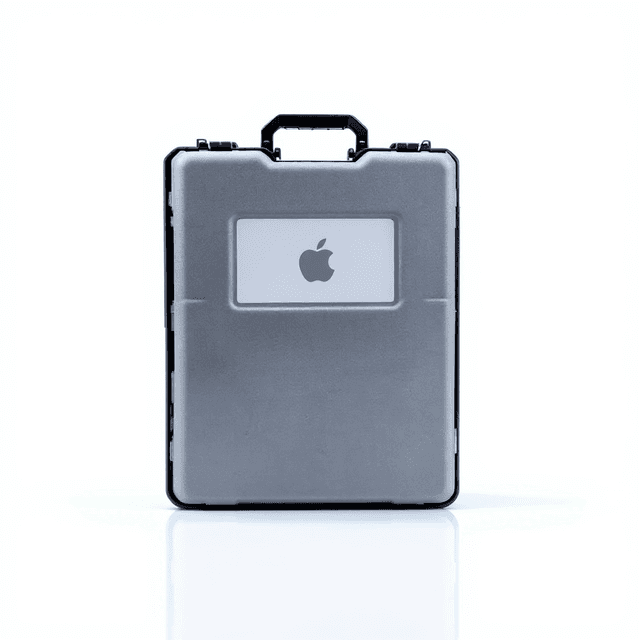
Cadmium Pack Test
Portable colorimetric test kit for rapid field detection of cadmium in water samples, providing semi-quantitative results in 3-5 minutes without laboratory equipment.

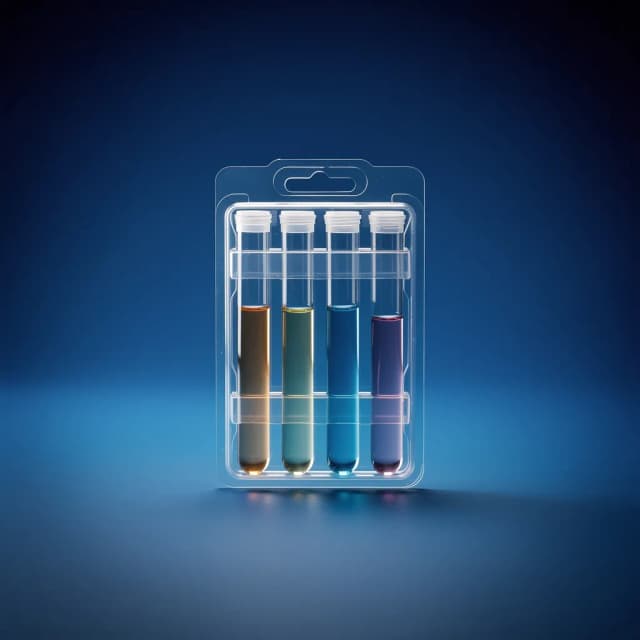
The Cadmium Pack Test is a colorimetric field testing kit designed for rapid detection and semi-quantitative analysis of cadmium contamination in water samples. This portable testing system utilizes a reaction-based color change mechanism contained within sealed PE plastic tubes, enabling researchers to conduct cadmium analysis without laboratory infrastructure or specialized analytical equipment.
The test kit employs standardized colorimetric chemistry to produce visible color changes proportional to cadmium concentration, with results interpreted against a provided color reference card. Each test requires 3-5 minutes for completion and provides immediate semi-quantitative results suitable for screening applications, environmental monitoring, and field research where rapid cadmium assessment is required.
How It Works
The Cadmium Pack Test operates through a colorimetric reaction mechanism where cadmium ions in solution interact with specific reagents contained within the sealed test tube. When the water sample is introduced into the tube, cadmium ions form colored complexes with the reagent system, producing a visible color change whose intensity correlates with cadmium concentration.
The reaction chemistry relies on the formation of cadmium-ligand complexes that absorb light in the visible spectrum. The sealed tube format ensures consistent reagent concentrations and prevents contamination, while the standardized reaction conditions provide reproducible color development. Results are interpreted by visual comparison with a calibrated colorimetric reference card that corresponds to specific cadmium concentration ranges.
The test methodology follows established principles of field colorimetry, where the human eye serves as the detector for color intensity changes. This approach enables semi-quantitative analysis without requiring spectrophotometric instrumentation, making it suitable for field applications where laboratory access is limited.
Features & Benefits
Pack Size
- 25-Pack
- 50-Pack
Weight
- 0.26 kg
Dimensions
- L: 8.8 mm
- W: 7.3 mm
- H: 5.9 mm
Comparison Guide
| Feature | This Product | Typical Alternative | Advantage |
|---|---|---|---|
| Testing Time | 3-5 minutes | Laboratory methods require hours to days for sample processing and analysis | Enables immediate decision-making for environmental sampling and process monitoring applications. |
| Equipment Requirements | No additional laboratory equipment needed | Instrumental methods require expensive spectrometers and laboratory infrastructure | Reduces analysis costs and enables testing at remote locations without laboratory access. |
| Shelf Stability | 18 months at room temperature | Liquid reagents often require refrigeration and have shorter stability periods | Simplifies storage logistics and reduces reagent replacement frequency in field applications. |
| Result Type | Semi-quantitative colorimetric | Quantitative instrumental methods provide precise numerical concentrations | Sufficient precision for screening applications while offering immediate visual interpretation. |
| Sample Volume | Half tube volume required | Instrumental methods typically require larger sample volumes | Conserves sample when limited volumes are available from environmental or process sources. |
The Cadmium Pack Test provides rapid field screening capabilities with 18-month reagent stability and minimal equipment requirements. The 3-5 minute reaction time and visual interpretation system offer immediate results suitable for environmental monitoring and process control applications where laboratory access is limited.
Practical Tips
Perform tests under consistent lighting conditions and use the same observer for color comparison to minimize variability.
Why: Human color perception varies with lighting conditions and between individuals, affecting result reproducibility.
Test samples at room temperature and allow refrigerated samples to equilibrate before analysis.
Why: Temperature affects reaction kinetics and color development, potentially altering result interpretation.
Store unopened tubes in a cool, dry location away from direct sunlight to maximize reagent stability.
Why: Heat and UV exposure can degrade colorimetric reagents and reduce the 18-month shelf life.
Include duplicate tests on 10% of samples and maintain records of color comparisons for quality assurance.
Why: Duplicate analysis helps identify operator variability and ensures consistent application of the color comparison method.
If no color change occurs, verify sample introduction was successful and check tube seal integrity.
Why: Inadequate sample volume or reagent exposure to air can prevent proper color development reactions.
Dispose of used tubes according to local regulations for chemical waste and avoid contact with reagent contents.
Why: Colorimetric reagents may contain chemicals requiring proper disposal and skin contact should be minimized.
Periodically verify color card accuracy by comparing results with known cadmium standards analyzed by instrumental methods.
Why: Color card fading or operator drift can affect result accuracy over time without external verification.
Setup Guide
What’s in the Box
- Cadmium test tubes with sealed reagents
- Colorimetric reference card
- Instruction manual
- Safety data sheet (typical)
Warranty
ConductScience provides standard warranty coverage for manufacturing defects and reagent stability under proper storage conditions. Technical support is available for test methodology and result interpretation questions.
Compliance
What is the detection limit and measurement range for cadmium?
Specific detection limits and quantitative ranges should be consulted from the product datasheet. The colorimetric method provides semi-quantitative results suitable for screening applications.
How does sample pH or ionic strength affect the test results?
The reagent system is designed for typical environmental water samples. Extreme pH conditions or high ionic strength may interfere with color development. Consult technical specifications for sample conditioning requirements.
Can this test be used for cadmium speciation or only total cadmium?
This colorimetric method measures total reactive cadmium species in solution. It does not differentiate between cadmium oxidation states or complexed forms.
What is the precision and accuracy compared to instrumental methods?
As a semi-quantitative field test, precision is limited by visual color comparison. For quantitative analysis requiring high precision, follow up with ICP-MS or AAS instrumentation.
How should samples be preserved if testing cannot be performed immediately?
Follow standard water sampling preservation protocols for metals analysis. Acidification and refrigeration may be required depending on matrix and holding time.
Are there known interferences from other heavy metals?
Other metals present at high concentrations may cause interference. Consult the technical specifications for a complete list of potential interfering substances.
What quality control measures should be implemented?
Include blank samples, duplicate tests on selected samples, and periodic comparison with instrumental methods to verify test performance and operator consistency.
Is a Safety Data Sheet (SDS) available for the reagents in this kit?
A Safety Data Sheet (SDS) for the reagents and chemicals included in the Cadmium Pack Test is available upon request. Contact ConductScience through the Request a Quote form on the product page to receive the SDS documentation along with your quotation.
What is the testing procedure for field use?
The Cadmium Pack Test uses a colorimetric reaction-based method contained within sealed PE plastic tubes. To perform a test: collect a water sample, introduce it to the sealed reagent tube according to the included instructions, allow the reaction to develop for 3 to 5 minutes, then compare the resulting color against the provided reference color card for semi-quantitative cadmium concentration readings. No laboratory equipment or power source is required for field deployment.
Have a question about this product?
Accessories
Enhance your setup with compatible accessories