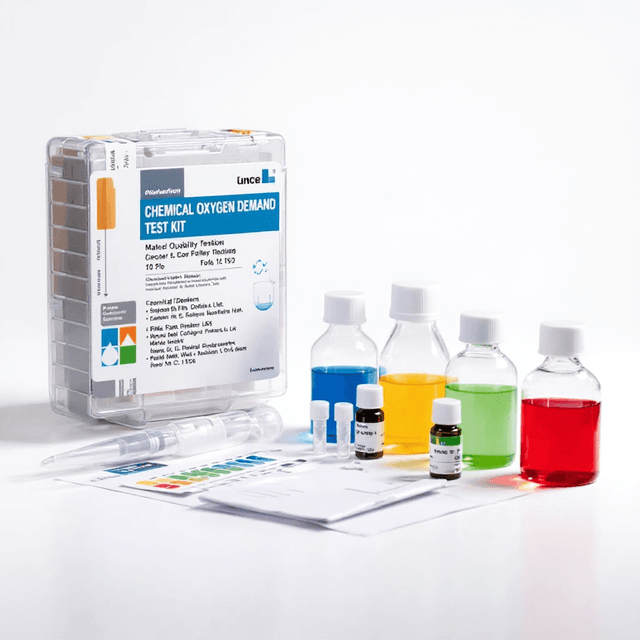
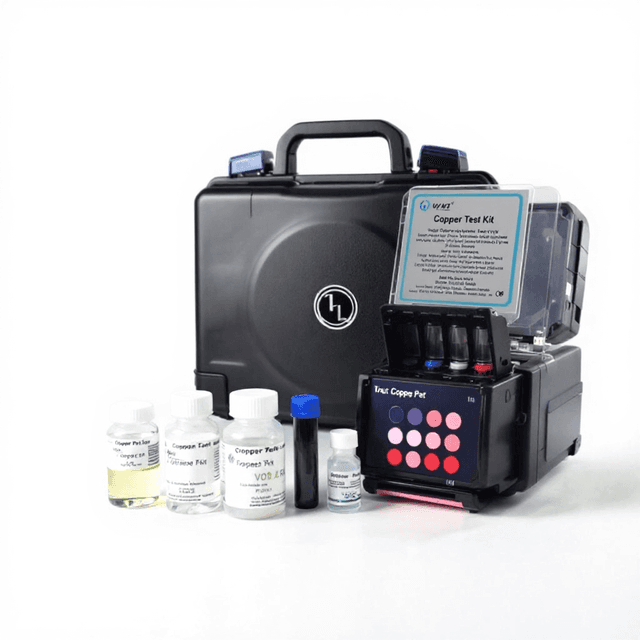
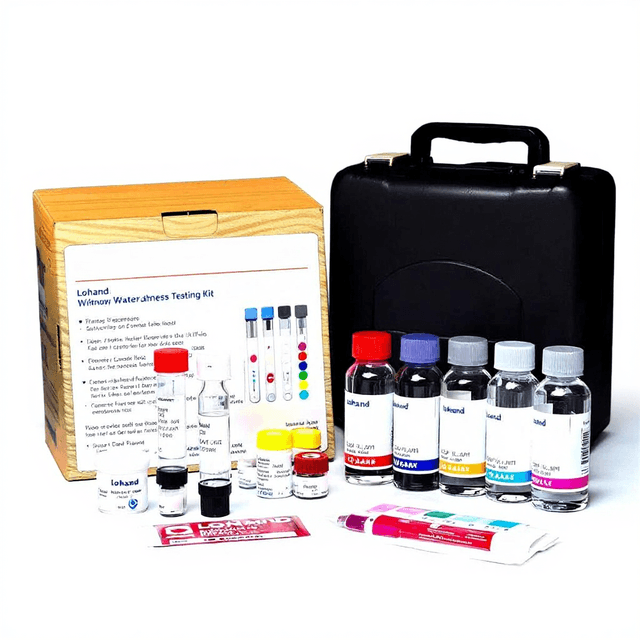
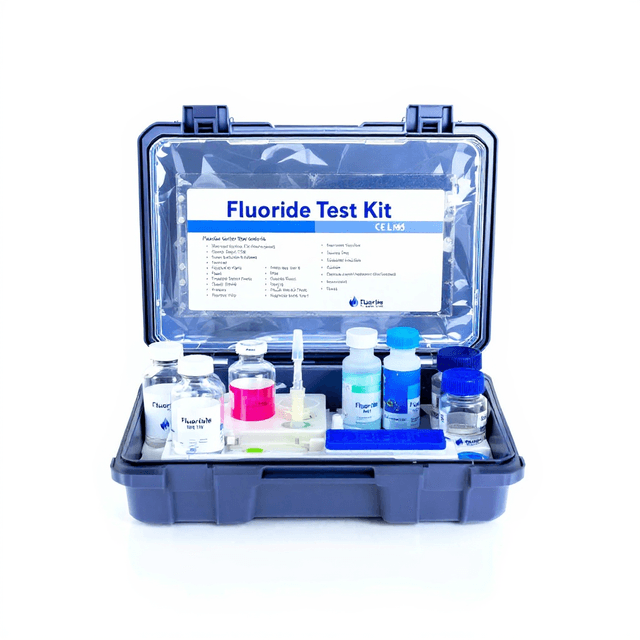
Tap Water Test Kit
Portable colorimetric test kit for measuring free chlorine (0.05-1 mg/L) in water samples using DPD method.
Provides 50 tests per kit with visual color comparison analysis.

Louise Corscadden, PhD
Director of Science · ConductScience
Ask Louise about Tap Water Test Kit fit, setup, configuration, or quote prep.
Already working with us? Sign in to connect this with My Scientist.
Key Specifications
Full details →- Model fit
- 2 selectable configurations
- SKU family
- CS-LH-WTK014
- Shipping box
- 30.0 x 20.0 x 10.0 cm
- Ordering
- Online checkout and quote request available
- Category
- Water Test Kits
- Build notes
- Confirm accessories, station layout, and support needs before purchase
The Water Test Kit (Model LH2002) provides rapid colorimetric analysis of free chlorine concentrations in aqueous samples using the DPD (N,N-diethyl-p-phenylenediamine) method. This field-portable testing system enables quantitative measurement of chlorine residuals from 0.05-1 mg/L without requiring external instrumentation or specialized training.
The kit utilizes visual colorimetry for analyte detection, where sample preparation involves reagent addition followed by color comparison against a standardized colorimetric chart. Each test box contains 50 individual analyses with a 2-year shelf life, making it suitable for routine water quality monitoring in laboratory, field, and industrial settings.
How It Works
The test kit employs the DPD (N,N-diethyl-p-phenylenediamine) colorimetric method, an internationally recognized standard for free chlorine determination. When DPD reagent contacts free chlorine in solution, it undergoes oxidation to form a magenta-colored complex with absorbance proportional to chlorine concentration.
The reaction follows first-order kinetics with rapid color development occurring within minutes of reagent addition. Color intensity is evaluated through visual comparison against a calibrated colorimetric chart containing reference standards spanning the 0.05-1 mg/L measurement range.
Sample preparation involves adding pre-measured reagent packets to a fixed volume of test sample, ensuring consistent stoichiometry. The colorimetric chart provides discrete concentration intervals for quantitative determination, with color matching performed under adequate lighting conditions to minimize observer variation.
Features & Benefits
Brand
- ConductScience
Research Domain
- Analytical Chemistry
- Environmental Monitoring
- Food Science
- Industrial Hygiene
- Microbiology
- Pharmaceutical QC
Shipping weight
- 0.26 lb
Shipping box
- L: 30.0 cm
- W: 20.0 cm
- H: 10.0 cm
| Feature | This Product | Typical Alternative | Advantage |
|---|---|---|---|
| Detection Method | Visual colorimetry with DPD reagent | Digital meters often use electrochemical sensors | Provides chemical specificity for free chlorine without sensor drift or calibration requirements |
| Measurement Range | 0.05-1 mg/L | Entry-level meters typically offer 0-2 mg/L range | Optimized range covers typical drinking water chlorine residual levels |
| Test Capacity | 50 tests per kit | Digital meters provide unlimited tests but require calibration | Known test quantity enables accurate cost-per-analysis planning |
| Power Requirements | No power required | Digital instruments require batteries or AC power | Enables testing in remote locations without power infrastructure |
| Shelf Life | 2-year reagent stability | Digital sensors may require replacement annually | Extended storage capability reduces inventory management requirements |
This colorimetric test kit offers field-portable chlorine analysis without instrumentation, making it particularly suitable for remote monitoring and screening applications where immediate results are prioritized over high precision measurement.
| Model | SKU | Listed price | Status | Shipping box |
|---|---|---|---|---|
| 50 | CS-LH-WTK014 | $1,199.99 | Available | 30.0 x 20.0 x 10.0 cm |
| 25 | CS-LH-WTK014 | $649.99 | Available | 30.0 x 20.0 x 10.0 cm |
Practical Tips
Perform color comparison under consistent lighting conditions, preferably natural daylight or full-spectrum artificial lighting.
Why: Lighting quality significantly affects color perception and measurement accuracy.
Verify colorimetric chart accuracy by testing known chlorine standards when available.
Why: Confirms chart stability and identifies potential degradation or contamination issues.
Store reagent packets in original packaging with desiccant until use.
Why: Moisture exposure can degrade DPD reagent and affect color development intensity.
Record testing conditions including temperature, lighting, and time of color development.
Why: Environmental factors can influence colorimetric measurements and aid in result interpretation.
If colors appear faded or inconsistent, check reagent expiration date and storage conditions.
Why: Degraded reagents produce weak or abnormal color development patterns.
Mix samples thoroughly after reagent addition and allow complete dissolution before color comparison.
Why: Incomplete mixing leads to heterogeneous color development and inaccurate measurements.
Wear protective eyewear when handling reagent packets and avoid direct skin contact.
Why: DPD reagent can cause irritation and proper handling prevents exposure incidents.
Setup Guide
What’s in the Box
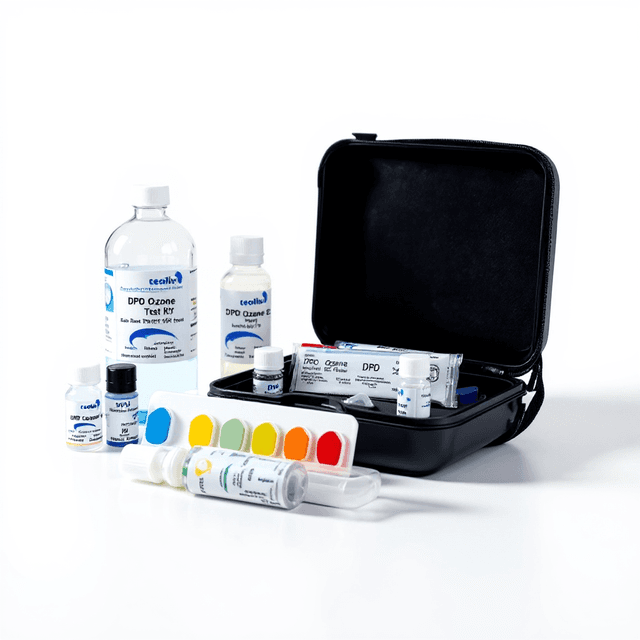
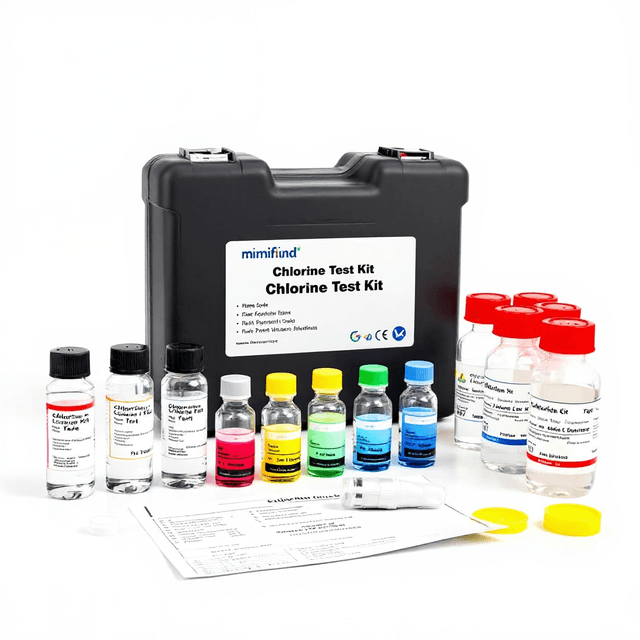
- Test tubes for sample preparation
- DPD reagent packets (50 tests)
- Colorimetric comparison chart
- Instruction manual
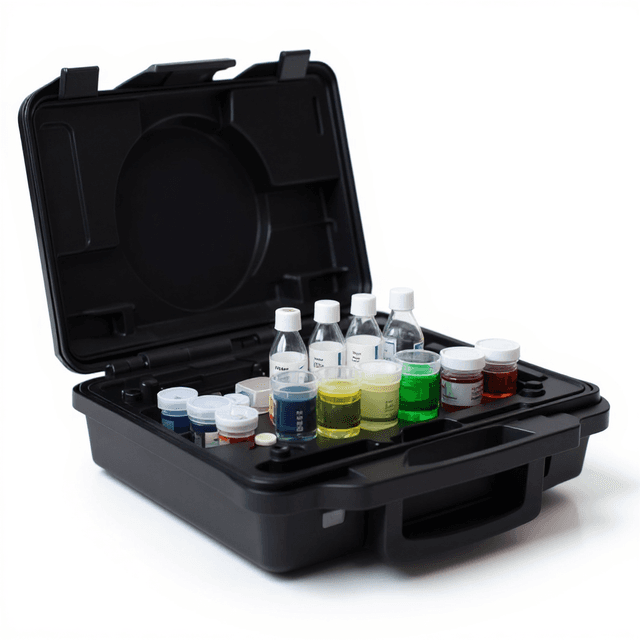
- Storage container (typical)
Warranty
ConductScience provides a 1-year manufacturer warranty covering material defects and reagent stability under proper storage conditions. Technical support is available for method questions and troubleshooting.
Compliance
References
Background reading relevant to this product:
What is the detection limit and accuracy of the DPD method?
The kit measures free chlorine from 0.05-1 mg/L. Detection limit is 0.05 mg/L. Accuracy depends on lighting conditions and observer interpretation; consult product datasheet for specific precision data.
How do interfering substances affect the measurement?
Combined chlorine, chloramines, and oxidizing agents can cause positive interference. High levels of turbidity or color may affect visual interpretation. Pre-treat samples if interference is suspected.
What storage conditions are required for reagent stability?
Store reagent packets in a cool, dry location away from direct sunlight. Avoid temperature extremes. The 2-year shelf life assumes proper storage conditions.
Can this method be used for different water matrices?
The kit is suitable for drinking water, surface water, and treated wastewater. Performance may vary in complex matrices containing high organic content or interfering species.
How does this compare to instrumental methods?
Offers rapid field deployment advantages but lower precision than spectrophotometric methods. Suitable for screening applications where immediate results are more important than high precision.
What quality control procedures are recommended?
Run duplicate analyses, use known chlorine standards when available, and ensure consistent lighting conditions. Replace reagents before expiration date.
Is the method suitable for regulatory compliance monitoring?
The DPD method is widely accepted, but verify specific regulatory requirements. Some applications may require instrumental confirmation of colorimetric results.
Have a question about this product?
Have a question? Just ask.
Send it over and we'll email you a personalized answer — no call, no scheduling.
Prefer to talk it through?
Accessories
Enhance your setup with compatible accessories
Frequently Bought Together