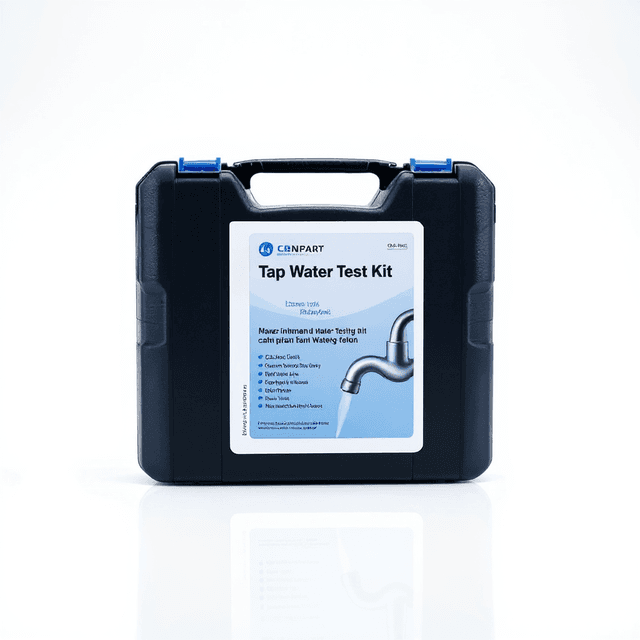
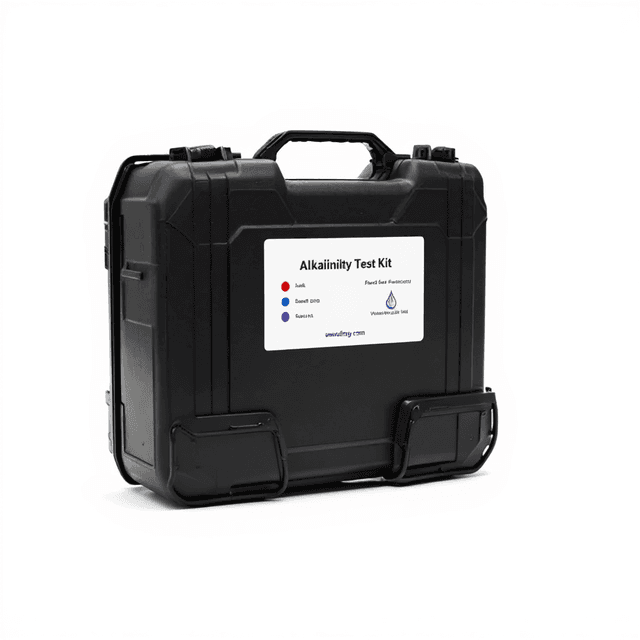
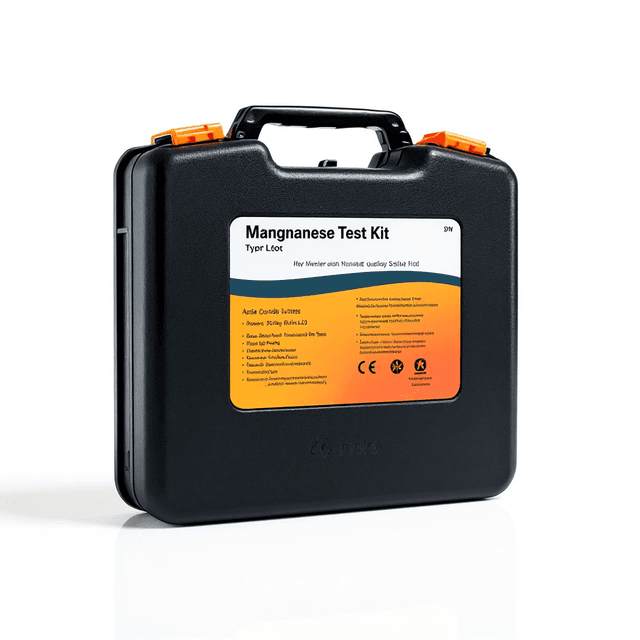
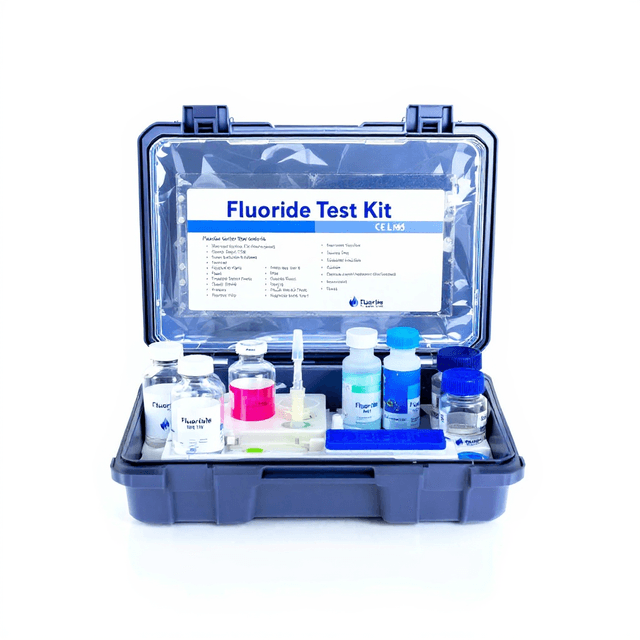
Fish Tank Water Test Kit
Multi-parameter water testing kit for aquatic research applications, providing comprehensive analysis of water chemistry conditions in fish habitat studies and aquaculture research.

Louise Corscadden, PhD
Director of Science · ConductScience
Ask Louise about Fish Tank Water Test Kit fit, setup, configuration, or quote prep.
Already working with us? Sign in to connect this with My Scientist.
Key Specifications
Full details →- Model fit
- Fish (general aquatic species), Zebrafish
- SKU family
- CS-LH-WTK007
- Shipping box
- 30.0 x 20.0 x 10.0 cm
- Ordering
- Online checkout and quote request available
- Category
- Water Test Kits
- Build notes
- Confirm accessories, station layout, and support needs before purchase
The Fish Tank Water Test Kit provides comprehensive water quality analysis for aquatic research environments, enabling researchers to monitor critical parameters in fish habitat studies, aquaculture research, and aquatic toxicology experiments. This multi-parameter testing system supports routine assessment of water chemistry conditions that directly impact fish physiology and behavior in laboratory and field settings.
The kit facilitates standardized water quality monitoring protocols commonly required in marine biology research, environmental studies, and aquatic organism health assessments. Researchers can evaluate key water chemistry parameters to ensure consistent experimental conditions and document environmental variables that may influence study outcomes.
How It Works
Water quality test kits typically employ colorimetric analysis methods where specific chemical reagents react with target analytes in water samples to produce measurable color changes. The intensity of color development correlates with the concentration of the parameter being measured, allowing for quantitative determination through visual comparison with standardized color charts or photometric analysis.
Common parameters assessed include pH through indicator dyes that change color at specific hydrogen ion concentrations, dissolved oxygen via reagents that form colored complexes proportional to oxygen levels, and various ionic species through precipitation or complexation reactions. Each test parameter utilizes specific chemical reactions optimized for aquatic sample matrices.
The testing process involves collecting representative water samples, adding predetermined volumes of reagents according to standardized protocols, allowing sufficient reaction time for color development, and comparing results against calibrated reference standards to determine parameter concentrations.
Features & Benefits
Brand
- ConductScience
Research Domain
- Aquaculture Research
- Developmental Biology
- Environmental Monitoring
- Marine Biology
- Toxicology
Species
- Fish (general aquatic species)
- Zebrafish
Shipping weight
- 0.26 lb
Shipping box
- L: 30.0 cm
- W: 20.0 cm
- H: 10.0 cm
| Feature | This Product | Typical Alternative | Advantage |
|---|---|---|---|
| Parameter Coverage | Multi-parameter analysis capability in single kit format | Entry-level kits often focus on 2-3 basic parameters | Comprehensive water chemistry assessment reduces the need for multiple testing systems and ensures consistent analytical protocols. |
| Detection Method | Colorimetric analysis with visual comparison standards | Digital meters provide electronic readouts but limited parameter scope | Visual comparison methods are less dependent on battery power and electronic calibration requirements in field conditions. |
| Portability | Compact kit design suitable for field applications | Laboratory instruments offer higher precision but require fixed installation | Field testing capability enables on-site analysis and immediate decision-making in remote research locations. |
| Training Requirements | Standardized protocols with visual interpretation guides | Electronic systems may require calibration training and maintenance expertise | Simplified operation allows multiple researchers to obtain consistent results with minimal specialized training. |
This water test kit provides comprehensive multi-parameter analysis in a portable format optimized for aquatic research applications. The colorimetric detection methods offer reliable quantification without requiring complex instrumentation or extensive calibration procedures.
| Model | SKU | Listed price | Status | Shipping box |
|---|---|---|---|---|
| 50 | CS-LH-WTK007 | $999.99 | Available | 30.0 x 20.0 x 10.0 cm |
| 25 | CS-LH-WTK007 | $549.99 | Available | 30.0 x 20.0 x 10.0 cm |
Practical Tips
Collect water samples from multiple locations within the test system to ensure representative analysis, especially in tanks with circulation patterns or stratification.
Why: Spatial variation in water chemistry can significantly affect research results and organism health assessments.
Verify color standards under consistent lighting conditions and replace comparison charts if they show signs of fading or discoloration.
Why: Accurate color matching is critical for reliable quantitative results in colorimetric analysis methods.
Store reagent bottles in their original containers with tight seals and monitor expiration dates regularly to maintain analytical accuracy.
Why: Reagent degradation leads to poor color development and inaccurate results that can compromise research data quality.
Test samples immediately after collection or preserve according to protocol specifications to prevent parameter changes during storage.
Why: Many water quality parameters are sensitive to temperature, pH changes, and microbial activity that occur during sample storage.
If color development is weak or inconsistent, check reagent mixing procedures and verify that sample pH is within the acceptable range for the test method.
Why: Incomplete reagent mixing or extreme pH conditions can interfere with colorimetric reactions and lead to analytical errors.
Work in well-ventilated areas and avoid direct skin contact with reagents, as some chemicals may cause irritation or have specific handling requirements.
Why: Proper safety procedures protect researchers and prevent contamination that could affect analytical results.
Record environmental conditions such as temperature and time of day during sampling, as these factors can influence water chemistry parameters.
Why: Environmental variables help interpret results and identify patterns in water quality that may affect experimental outcomes.
Setup Guide
What’s in the Box
- Water test kit with reagent bottles (typical)
- Sample collection containers (typical)
- Color comparison charts (typical)
- Testing instruction manual (typical)
- Graduated measuring tools (typical)
- Parameter-specific reagents (typical)
Warranty
ConductScience provides a 12-month manufacturer warranty covering defects in materials and workmanship from the date of purchase. Technical support is available for analytical protocol questions and troubleshooting during the warranty period.
Compliance
What water quality parameters can this kit measure?
The specific parameters included vary by kit configuration, but typically include pH, dissolved oxygen, ammonia, nitrites, nitrates, and hardness. Consult the product datasheet for the complete parameter list and measurement ranges for this specific model.
What is the measurement precision for each parameter?
Analytical precision varies by parameter and is typically expressed as coefficient of variation or standard deviation. Consult the product datasheet for specific precision values and detection limits for each included test.
How long are the reagents stable after opening?
Reagent stability varies by chemistry, but most are stable for 6-12 months when stored properly in cool, dry conditions away from light. Check individual reagent labels for specific expiration dates and storage requirements.
Can this kit be used for saltwater samples?
Compatibility with saltwater depends on the specific test chemistry. Some parameters may require dilution or matrix adjustment for marine samples. Consult the protocol manual for guidance on saltwater applications.
What sample volume is required for testing?
Sample volume requirements vary by parameter, typically ranging from 5-25 mL per test. Consult the protocol manual for specific volume requirements for each parameter of interest.
How does this compare to electronic water quality meters?
Colorimetric kits provide broader parameter coverage in a single system but require manual interpretation, while electronic meters offer continuous monitoring with digital readouts but typically measure fewer parameters simultaneously.
Can results be quantified beyond the color comparison method?
Yes, colored solutions can be analyzed using spectrophotometry for increased precision and objective quantification, though this requires additional instrumentation beyond the basic kit components.
What quality control measures should be implemented?
Include blank samples, duplicate analyses, and known standards when available. Document all test conditions and maintain reagent inventory logs to ensure analytical quality throughout the testing program.
Have a question about this product?
Have a question? Just ask.
Send it over and we'll email you a personalized answer — no call, no scheduling.
Prefer to talk it through?
Accessories
Enhance your setup with compatible accessories

Frequently Bought Together