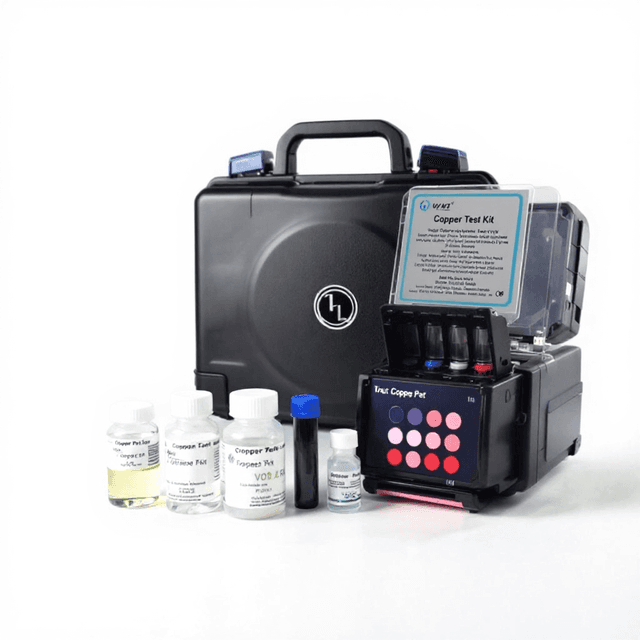
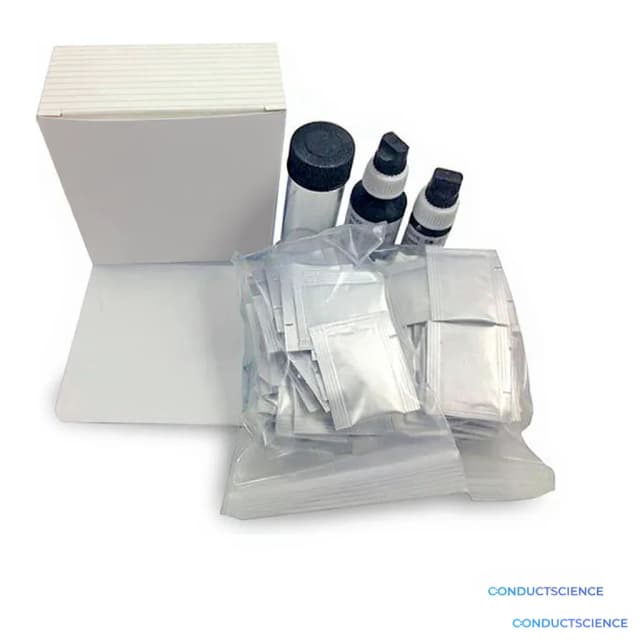
Chemical Oxygen Demand Test Kit
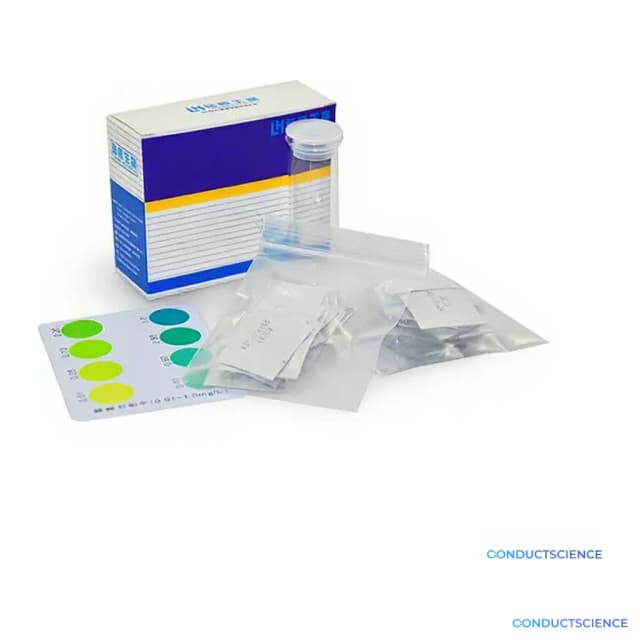
Laboratory test kit for measuring chemical oxygen demand in water samples using closed reflux spectrophotometric methodology.

Louise Corscadden, PhD
Director of Science · ConductScience
Ask Louise about Chemical Oxygen Demand Test Kit fit, setup, configuration, or quote prep.
Already working with us? Sign in to connect this with My Scientist.
Key Specifications
Full details →- Model fit
- 2 selectable configurations
- SKU family
- CS-LH-WTK009
- Shipping box
- 30.0 x 20.0 x 10.0 cm
- Ordering
- Online checkout and quote request available
- Category
- Water Test Kits
- Build notes
- Confirm accessories, station layout, and support needs before purchase
The Chemical Oxygen Demand Test Kit provides analytical testing capabilities for measuring COD levels in water samples using standardized laboratory protocols. This kit enables quantitative assessment of organic pollutant load in wastewater, environmental samples, and industrial effluents through spectrophotometric analysis following closed reflux methodology.
The system utilizes potassium dichromate oxidation chemistry to determine oxygen demand, providing researchers with reliable data for water quality characterization and treatment efficacy monitoring. The kit supports routine analytical workflows in environmental laboratories and industrial testing facilities requiring COD measurement capabilities.
How It Works
Chemical oxygen demand testing operates through controlled chemical oxidation of organic matter present in water samples. The closed reflux method employs potassium dichromate as a strong oxidizing agent in acidic solution, converting organic compounds to carbon dioxide and water while reducing dichromate to chromic ion.
The reaction proceeds at elevated temperature (approximately 150°C) for a specified digestion period, ensuring complete oxidation of biodegradable and non-biodegradable organic matter. Following digestion, the extent of dichromate reduction correlates directly with the oxygen equivalent of organic material present in the original sample.
Spectrophotometric analysis measures the absorbance change, typically monitoring chromic ion formation or residual dichromate concentration. The COD value, expressed as milligrams of oxygen per liter, provides a quantitative measure of organic pollution load and treatment requirements for the tested water sample.
Features & Benefits
Brand
- ConductScience
Research Domain
- Analytical Chemistry
- Environmental Monitoring
- Industrial Hygiene
Shipping weight
- 0.26 lb
Shipping box
- L: 30.0 cm
- W: 20.0 cm
- H: 10.0 cm
| Feature | This Product | Typical Alternative | Advantage |
|---|---|---|---|
| Digestion Method | Closed reflux methodology with temperature-controlled digestion | Some kits use open reflux or microwave digestion approaches | Closed reflux minimizes sample loss and provides more reproducible oxidation conditions for accurate COD determination. |
| Detection Method | Spectrophotometric analysis of dichromate consumption | Entry-level kits may use colorimetric tubes or titrimetric endpoints | Spectrophotometric detection enables precise quantification with established analytical protocols and calibration curves. |
| Reagent System | Complete kit with potassium dichromate and catalyst reagents | Some systems require separate reagent preparation from bulk chemicals | Pre-formulated reagents ensure consistent analytical conditions and reduce preparation time in routine testing workflows. |
| Sample Processing | Standard 2-hour digestion at 150°C with closed reflux | Alternative methods may use different temperatures or digestion times | Standardized conditions ensure complete organic matter oxidation and enable comparison with established analytical databases. |
This COD test kit provides standardized closed reflux methodology with spectrophotometric detection, offering complete reagent systems for routine water quality analysis. The kit supports established analytical protocols while minimizing reagent preparation requirements in environmental testing laboratories.
| Model | SKU | Listed price | Status | Shipping box |
|---|---|---|---|---|
| 50 | CS-LH-WTK009 | $1,499.99 | Available | 30.0 x 20.0 x 10.0 cm |
| 25 | CS-LH-WTK009 | $849.99 | Available | 30.0 x 20.0 x 10.0 cm |
Practical Tips
Prepare fresh calibration standards for each analytical batch using certified reference materials or potassium hydrogen phthalate solutions.
Why: Fresh standards ensure accurate quantification and account for reagent aging or contamination effects over time.
Clean digestion vials thoroughly with chromic acid cleaning solution between uses to remove organic residues.
Why: Residual organic matter from previous samples can cause positive bias in subsequent COD measurements.
Include duplicate analyses and blank determinations with each sample batch to assess analytical precision and contamination.
Why: Quality control samples provide real-time assessment of analytical performance and data reliability.
Handle dichromate reagents in fume hood with appropriate personal protective equipment including gloves and eye protection.
Why: Potassium dichromate is a known carcinogen and strong oxidizer requiring proper safety precautions during handling.
If COD values appear unusually low, verify digestion temperature and time, and check for reagent degradation or dilution errors.
Why: Incomplete oxidation due to inadequate reaction conditions is a common source of analytical bias in COD testing.
Document sample collection time, preservation method, and analysis delay to ensure results reflect original sample conditions.
Why: Sample degradation or preservation effects can significantly alter organic content and COD measurements over time.
Setup Guide
What’s in the Box
- Potassium dichromate reagent solution (typical)
- Sulfuric acid catalyst reagent (typical)
- COD standard reference materials (typical)
- Digestion vials and caps (typical)
- Analytical protocol instructions (typical)
- Safety handling guidelines (typical)
Warranty
ConductScience provides standard 1-year manufacturer warranty covering reagent quality and kit components, with technical support for analytical protocols and troubleshooting assistance.
Compliance
What is the analytical range and detection limit for COD measurement with this kit?
Consult product datasheet for specific range and detection limits. Typical closed reflux methods cover 0-1000 mg/L COD with lower detection limits around 5-10 mg/L depending on spectrophotometer sensitivity.
How do sample matrix effects influence COD measurement accuracy?
High chloride concentrations can interfere with dichromate oxidation. The kit protocol typically includes mercury sulfate addition to complex chloride ions and minimize analytical interference in saline samples.
What quality control measures are recommended for COD testing?
Run duplicate analyses, include blank determinations, analyze certified reference materials with each batch, and maintain control charts to monitor analytical precision and accuracy over time.
Can this kit analyze samples with high suspended solids content?
Samples with significant particulates may require homogenization or filtration depending on analytical objectives. Unfiltered COD includes both dissolved and particulate organic matter.
What is the shelf life and storage requirement for kit reagents?
Dichromate solutions typically remain stable for 1-2 years when stored in dark conditions at room temperature. Consult individual reagent labels for specific expiration dates and storage requirements.
How does this closed reflux method compare to dichromate titrimetric COD analysis?
Closed reflux spectrophotometric analysis requires smaller sample volumes and provides faster results than titrimetric methods, while maintaining comparable accuracy for most water sample types.
Have a question about this product?
Have a question? Just ask.
Send it over and we'll email you a personalized answer — no call, no scheduling.
Prefer to talk it through?
Accessories
Enhance your setup with compatible accessories
Frequently Bought Together