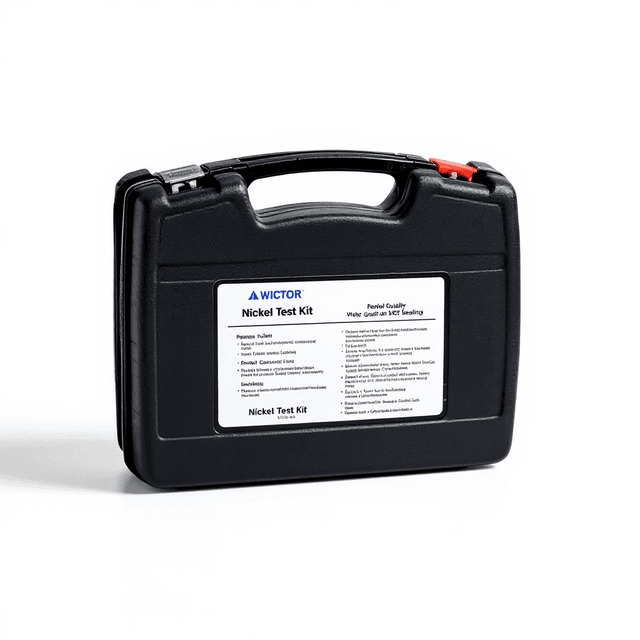
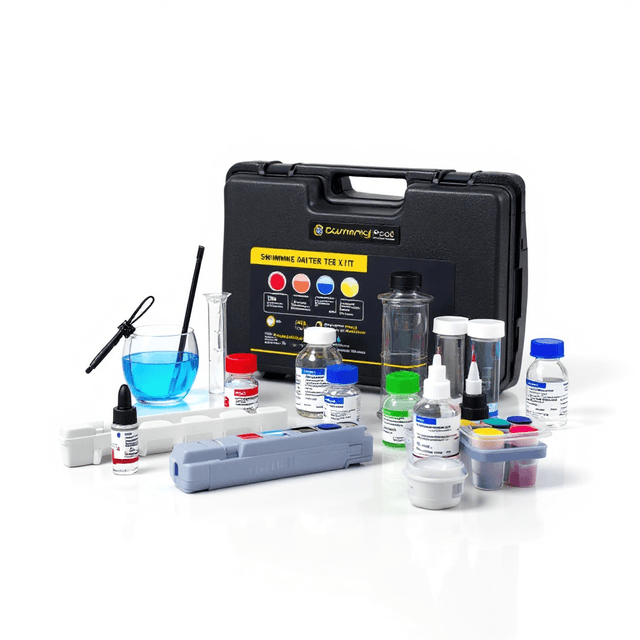
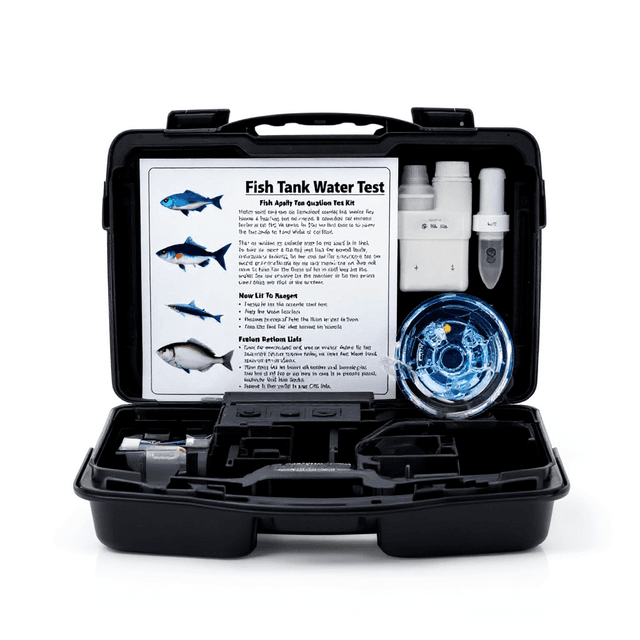
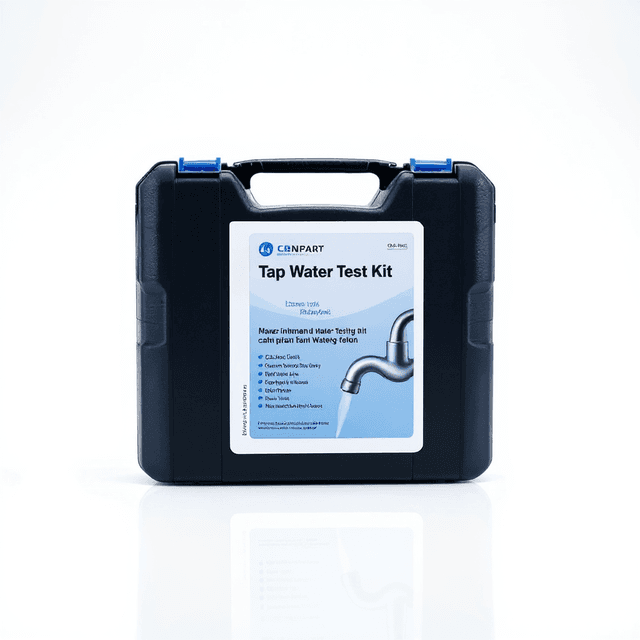
Urea Test Kit
Colorimetric test kit for quantitative determination of urea concentrations in aqueous samples, supporting water quality analysis and biochemical research applications.

Louise Corscadden, PhD
Director of Science · ConductScience
Ask Louise about Urea Test Kit fit, setup, configuration, or quote prep.
Already working with us? Sign in to connect this with My Scientist.
Key Specifications
Full details →- Model fit
- 2 selectable configurations
- SKU family
- CS-LH-WTK011
- Shipping box
- 30.0 x 20.0 x 10.0 cm
- Ordering
- Online checkout and quote request available
- Category
- Water Test Kits
- Build notes
- Confirm accessories, station layout, and support needs before purchase
The Urea Test Kit provides quantitative determination of urea concentrations in aqueous samples through colorimetric analysis. This analytical tool enables researchers to measure urea levels in water samples, biological fluids, and industrial process streams using established spectrophotometric principles. The kit includes reagents and protocols for reliable nitrogen compound analysis in laboratory and field testing applications.
The system utilizes enzymatic or chemical colorimetric methods to convert urea to measurable chromophoric products, enabling precise quantification across relevant concentration ranges. Designed for routine analytical work in environmental monitoring, water quality assessment, and biochemical research requiring accurate nitrogen content determination.
How It Works
The Urea Test Kit employs colorimetric analysis based on the enzymatic hydrolysis of urea or direct chemical reaction with specific chromogenic reagents. In enzymatic methods, urease converts urea to ammonia and carbon dioxide, with the ammonia subsequently reacting with phenol-hypochlorite reagents to produce indophenol blue, whose absorbance is proportional to urea concentration.
Alternative chemical methods utilize diacetylmonoxime reactions under acidic conditions with heating, producing yellow-colored complexes measurable at specific wavelengths. The reaction intensity correlates directly with urea concentration, enabling quantitative analysis through spectrophotometric measurement at the appropriate absorption maximum.
Sample preparation involves dilution to bring concentrations within the linear range of the assay, typically 0.1-10 mg/L depending on the specific methodology. Results are calculated using standard curves prepared with known urea concentrations, ensuring accuracy and reproducibility across different sample types and testing conditions.
Features & Benefits
Brand
- ConductScience
Research Domain
- Analytical Chemistry
- Clinical Diagnostics
- Environmental Monitoring
- Food Science
- Industrial Hygiene
- Pharmaceutical QC
Shipping weight
- 0.26 lb
Shipping box
- L: 30.0 cm
- W: 20.0 cm
- H: 10.0 cm
| Feature | This Product | Typical Alternative | Advantage |
|---|---|---|---|
| Detection Method | Colorimetric analysis using spectrophotometric measurement | Automated analyzers often use ion-selective electrodes or enzymatic methods | Compatible with existing laboratory spectrophotometers without requiring specialized instrumentation investments. |
| Sample Processing | Manual batch processing with multi-sample capability | Automated systems offer continuous sampling but at higher equipment costs | Provides flexibility in sample scheduling and batch sizes to match laboratory workflow requirements. |
| Reagent Format | Kit-based reagents with standardized formulations | Individual reagent preparation varies by laboratory protocols | Ensures consistent reagent quality and simplifies inventory management compared to individual component sourcing. |
| Cost Structure | Per-kit pricing with defined number of analyses | Automated systems require significant capital investment plus ongoing maintenance | Enables predictable testing costs without long-term equipment commitments or service contracts. |
This urea test kit provides reliable colorimetric analysis using established spectrophotometric principles. The manual format offers analytical flexibility and cost control for laboratories requiring periodic urea determinations without automated analyzer investments.
| Model | SKU | Listed price | Status | Shipping box |
|---|---|---|---|---|
| 50 | CS-LH-WTK011 | $999.99 | Available | 30.0 x 20.0 x 10.0 cm |
| 25 | CS-LH-WTK011 | $549.99 | Available | 30.0 x 20.0 x 10.0 cm |
Practical Tips
Prepare fresh standard curves for each analytical run using the provided reference standards.
Why: Standard curve stability varies with reagent conditions and environmental factors affecting colorimetric response.
Store reagents at specified temperatures and protect from light exposure to maintain analytical performance.
Why: Colorimetric reagents can degrade under improper storage conditions, leading to reduced sensitivity and accuracy.
Process samples and standards under identical timing and temperature conditions for optimal precision.
Why: Colorimetric reactions are time and temperature dependent, requiring consistent incubation protocols for reliable results.
If absorbance readings are unusually high or low, check reagent preparation and spectrophotometer calibration.
Why: Systematic errors often result from incorrect reagent concentrations or instrumental drift affecting baseline measurements.
Include duplicate analyses and quality control samples in each analytical batch to verify precision and accuracy.
Why: Replicate measurements identify random errors while QC samples detect systematic biases in the analytical process.
Use appropriate personal protective equipment and work in ventilated areas when handling chemical reagents.
Why: Colorimetric reagents may contain chemicals requiring standard laboratory safety precautions to prevent exposure.
Setup Guide
What’s in the Box
- Urea test reagents (typical)
- Urea standard solutions (typical)
- Sample preparation vials (typical)
- Analytical protocol manual (typical)
- Calibration reference materials (typical)
- Quality control standards (typical)
Warranty
ConductScience provides a one-year manufacturer warranty covering reagent quality and kit completeness, with technical support available for analytical protocol questions and troubleshooting.
Compliance
References
Background reading relevant to this product:
What is the detection limit and linear range of the urea test kit?
Consult the product datasheet for specific detection limits and linear range, which vary depending on the colorimetric method employed and sample matrix effects.
How do I handle samples with high turbidity or color interference?
Pre-filter turbid samples and use sample blanks to correct for color interference. Dilution may be necessary for highly concentrated or colored samples.
What spectrophotometer wavelength should I use for measurements?
The optimal wavelength depends on the specific colorimetric chemistry used in the kit. Refer to the protocol manual for the recommended measurement wavelength.
How long are the reagents stable once reconstituted?
Reagent stability varies by component and storage conditions. Follow the kit instructions for preparation and storage of working solutions to maintain analytical performance.
Can this kit analyze urea in biological samples like serum or urine?
The kit can analyze biological samples with appropriate dilution and sample preparation. Consider protein precipitation or sample cleanup for complex biological matrices.
What quality control measures should I implement?
Run duplicate analyses, include blank and spiked samples, and use certified reference materials when available to validate analytical performance and identify systematic errors.
How does sample pH affect the analysis?
pH can significantly affect colorimetric reactions. The kit protocol includes pH adjustment steps if required, and samples should be processed according to the specified conditions.
Have a question about this product?
Have a question? Just ask.
Send it over and we'll email you a personalized answer — no call, no scheduling.
Prefer to talk it through?
Accessories
Enhance your setup with compatible accessories
Frequently Bought Together