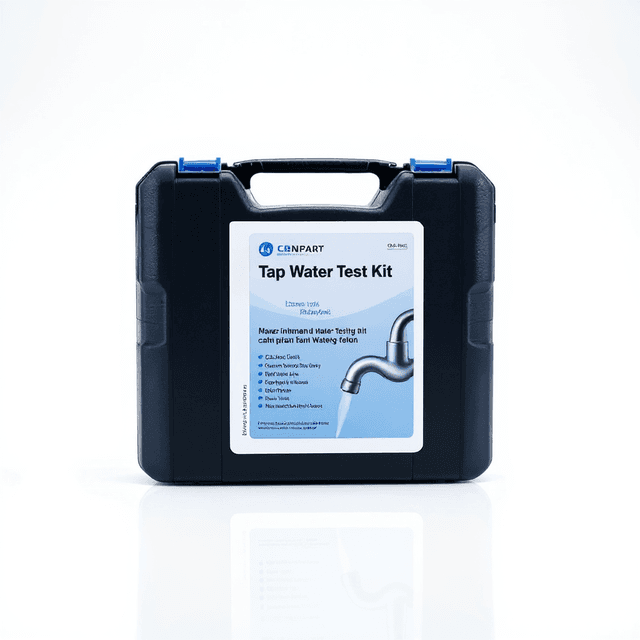
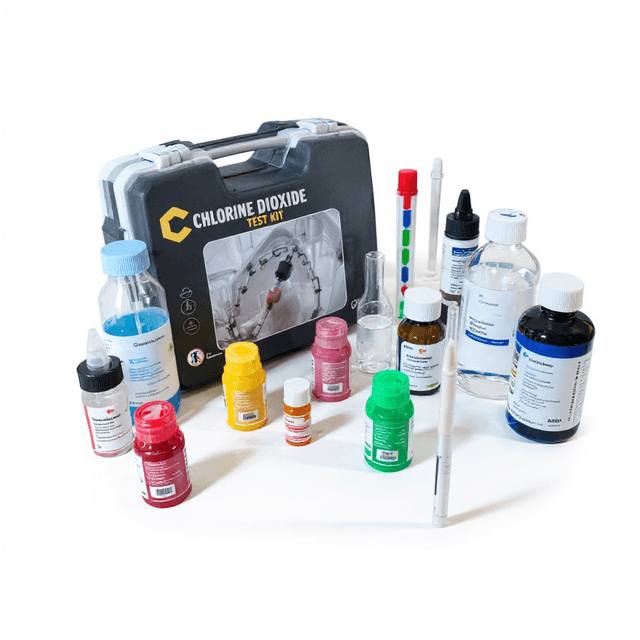
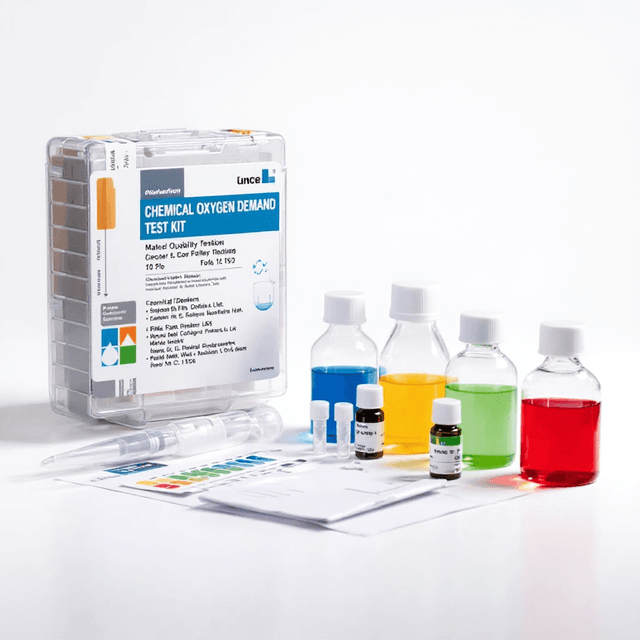
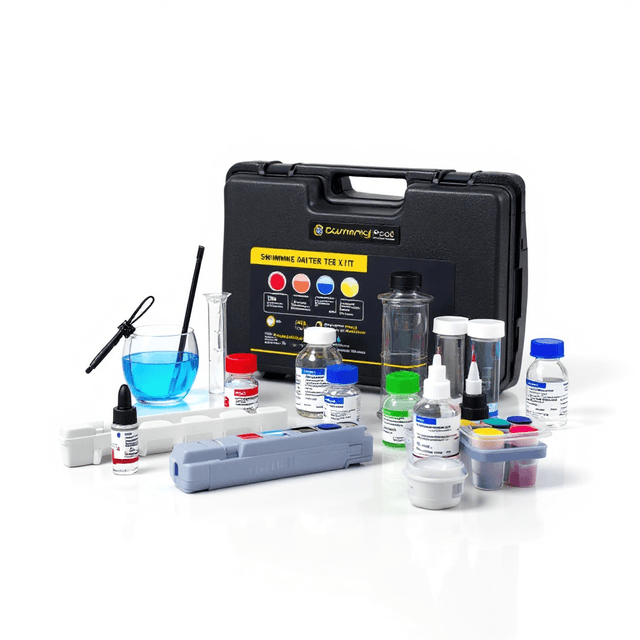
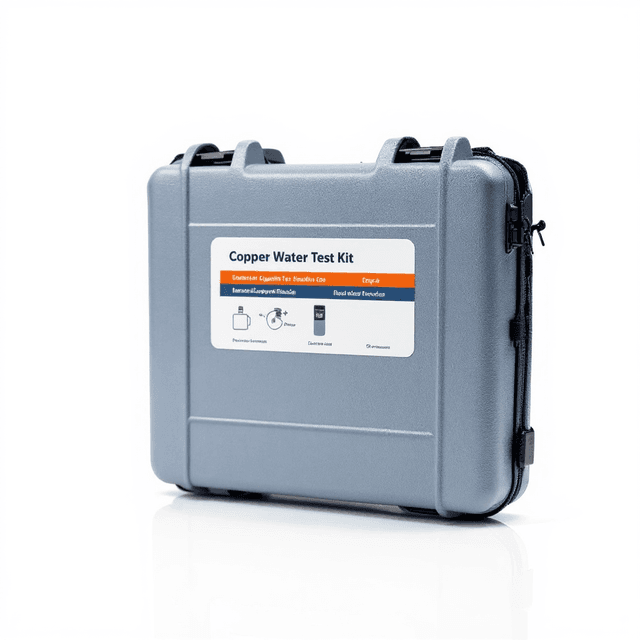
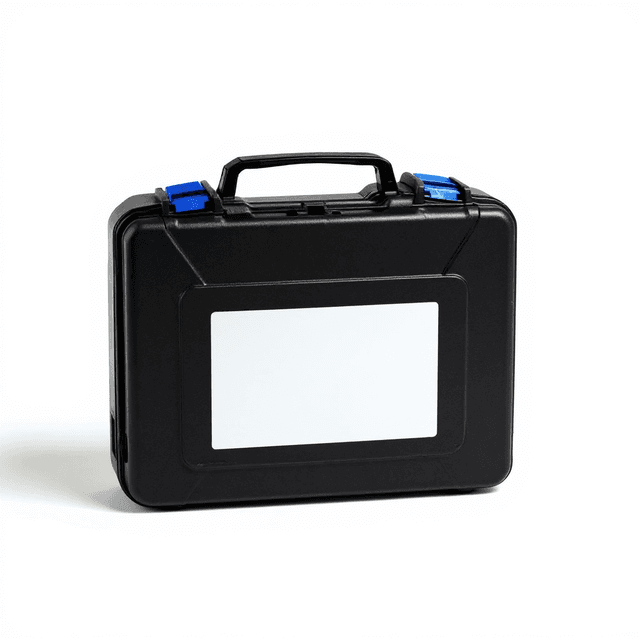
Dpd Ozone Test Kit
Colorimetric ozone test kit utilizing DPD chemistry for rapid field measurement of ozone concentrations in water samples through visual color comparison.

Louise Corscadden, PhD
Director of Science · ConductScience
Ask Louise about Dpd Ozone Test Kit fit, setup, configuration, or quote prep.
Already working with us? Sign in to connect this with My Scientist.
Key Specifications
Full details →- Model fit
- 2 selectable configurations
- SKU family
- CS-LH-WTK036
- Shipping box
- 30.0 x 20.0 x 10.0 cm
- Ordering
- Online checkout and quote request available
- Category
- Water Test Kits
- Build notes
- Confirm accessories, station layout, and support needs before purchase
The DPD Ozone Test Kit provides colorimetric analysis of ozone concentrations in water samples using the established DPD (N,N-diethyl-p-phenylenediamine) methodology. This field-portable kit enables rapid ozone quantification through visual color comparison against a standardized colorimetric chart, eliminating the need for electronic instrumentation or specialized training.
The method operates through a two-step chemical reaction where ozone first reacts with potassium iodide to form iodine, which subsequently reacts with DPD reagent to produce a pink-colored complex. Color intensity correlates directly with ozone concentration, allowing quantitative determination within minutes. The kit includes pre-measured reagent packets and colorimetric standards for consistent, reproducible results across multiple sampling events.
This approach offers particular value for field monitoring applications where electronic ozone analyzers may be impractical due to power requirements, calibration complexity, or environmental conditions. The visual colorimetric method provides immediate results without data logging or computer interfaces, making it suitable for routine monitoring programs in water treatment facilities, environmental assessment, and process control applications.
How It Works
The DPD colorimetric method operates through a well-established two-step oxidation-reduction chemistry. Ozone does not react directly with DPD and requires an intermediate reaction with potassium iodide (KI). When the water sample contacts KI, dissolved ozone oxidizes iodide ions to form molecular iodine (I₂). The liberated iodine then reacts with N,N-diethyl-p-phenylenediamine (DPD) to form a pink-colored oxidation product.
The intensity of the resulting pink coloration is directly proportional to the original ozone concentration in the sample, following Beer's law principles. Color development occurs rapidly at room temperature, typically reaching maximum intensity within 2-3 minutes. The analyst compares the sample color against a standardized colorimetric chart under adequate lighting conditions to determine ozone concentration.
This method measures total oxidizing capacity rather than ozone specifically, as other oxidizers present in the sample (such as chlorine, chlorine dioxide, or permanganate) will also react with the KI/DPD system. Therefore, results represent total available oxidants rather than selective ozone measurement. The detection mechanism is based on visual spectrophotometry principles, with the pink chromophore absorbing light at approximately 515 nm wavelength.
Features & Benefits
Brand
- ConductScience
Research Domain
- Environmental Monitoring
- Food Science
- Industrial Hygiene
- Pharmaceutical QC
Shipping weight
- 0.26 lb
Shipping box
- L: 30.0 cm
- W: 20.0 cm
- H: 10.0 cm
| Feature | This Product | Typical Alternative | Advantage |
|---|---|---|---|
| Detection Method | Visual colorimetric comparison using DPD chemistry | Electronic analyzers use UV photometry, electrochemical sensors, or continuous monitors | Eliminates power requirements and calibration complexity for field applications |
| Analysis Time | 2-3 minutes for complete analysis | Electronic methods provide continuous or near-instantaneous readings | Rapid results without instrument warm-up time or complex sampling systems |
| Portability | Compact kit design with no power requirements | Electronic analyzers require power sources and may have larger footprints | Enables testing in remote locations without infrastructure support |
| Maintenance Requirements | Minimal maintenance, consumable reagent replacement only | Electronic instruments require calibration, sensor replacement, and periodic service | Reduces operational costs and technical expertise requirements |
| Measurement Precision | Semi-quantitative colorimetric comparison | Electronic methods typically offer higher precision and resolution | Adequate precision for many field monitoring applications where exact values are less critical |
| Data Recording | Manual recording of visual readings | Electronic systems often include data logging and connectivity features | Simple documentation without software complexity or data management requirements |
This DPD ozone test kit prioritizes operational simplicity and field portability over analytical precision. The colorimetric approach provides adequate quantification for many applications while eliminating the power, calibration, and maintenance requirements of electronic analyzers.
| Model | SKU | Listed price | Status | Shipping box |
|---|---|---|---|---|
| 50 | CS-LH-WTK036 | $1,099.99 | Available | 30.0 x 20.0 x 10.0 cm |
| 25 | CS-LH-WTK036 | $599.99 | Available | 30.0 x 20.0 x 10.0 cm |
Practical Tips
Verify colorimetric chart accuracy periodically using standard ozone solutions of known concentration when available.
Why: Color chart fading or damage can introduce systematic errors in concentration readings.
Store reagent packets in sealed containers with desiccant to prevent moisture absorption and reagent degradation.
Why: DPD reagents are hygroscopic and lose activity when exposed to humidity, leading to weak color development.
Analyze samples immediately after collection to minimize ozone decomposition during storage or transport.
Why: Dissolved ozone is unstable and decomposes rapidly, particularly in the presence of organics or at elevated temperatures.
Use consistent lighting conditions for all colorimetric readings, preferably natural daylight or full-spectrum artificial illumination.
Why: Color perception varies significantly under different light sources, affecting measurement reproducibility and accuracy.
If color development is weak or absent, check reagent expiration dates and storage conditions before assuming low ozone concentration.
Why: Degraded reagents produce poor color response even with adequate ozone levels, leading to false negative results.
Have multiple operators read the same sample independently and average the results to reduce subjective interpretation errors.
Why: Visual color comparison introduces operator-dependent variability that can be minimized through multiple readings.
Handle all reagents according to SDS protocols and dispose of used materials following local environmental regulations.
Why: Chemical reagents may pose health or environmental risks if not managed according to established safety procedures.
If results appear inconsistently high, consider interference from chlorine or other oxidants in the sample matrix.
Why: The DPD method responds to total oxidizing capacity rather than ozone specifically, leading to overestimation in mixed oxidant systems.
Setup Guide
What’s in the Box
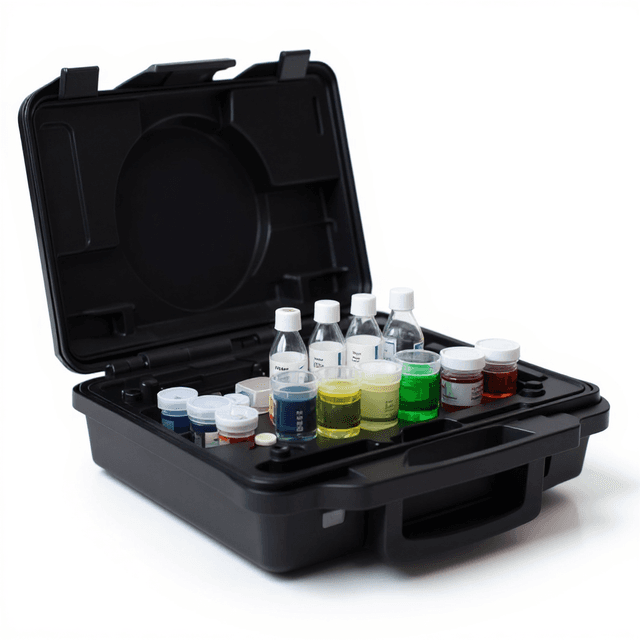
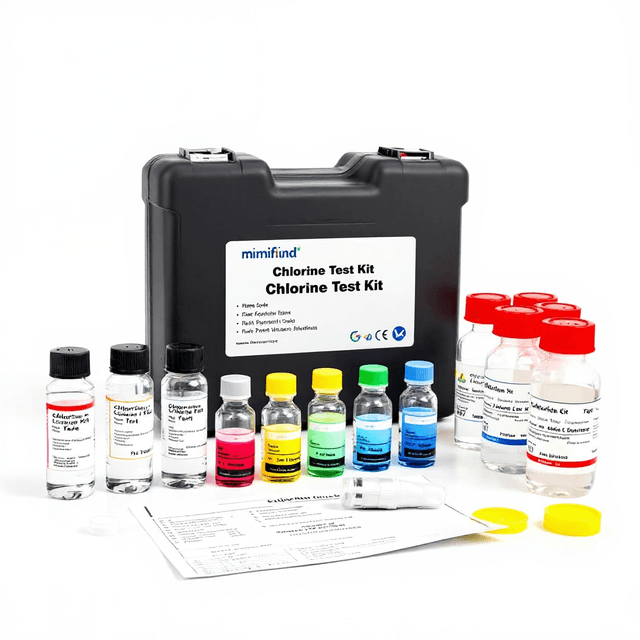
- Test tubes with volume graduation marks
- DPD reagent packets (quantity varies by kit size)
- Potassium iodide reagent packets
- Colorimetric comparison chart
- Instruction manual with procedural protocols
- Storage container or carrying case (typical)
Warranty
ConductScience provides a 1-year warranty covering reagent stability and colorimetric chart accuracy under proper storage conditions. Technical support includes method guidance and troubleshooting assistance.
Compliance
What is the detection limit and measurement range for this ozone test kit?
Consult the product datasheet for specific detection limits and measurement ranges, as these vary by kit configuration. Typical colorimetric ozone kits provide ranges from 0.05-2.0 mg/L with resolution determined by color chart graduations.
How does temperature affect the DPD color development and accuracy?
Color development is optimized for room temperature (20-25°C). Higher temperatures may accelerate reaction kinetics but could affect color stability, while lower temperatures may slow development. Maintain consistent temperature conditions for reproducible results.
What interferences should be considered when using this method?
The DPD method responds to total oxidizing capacity, including chlorine, chlorine dioxide, permanganate, and other oxidants. Results represent total available oxidants rather than ozone specifically. Pre-treatment or selective inhibition may be required for ozone-specific measurement.
How should reagents be stored and what is their shelf life?
Store reagent packets in cool, dry conditions away from direct sunlight. DPD reagents are sensitive to moisture and oxidation. Check expiration dates before use, as degraded reagents may produce weak or inconsistent color development.
What is the recommended sampling protocol to minimize ozone loss?
Minimize sample exposure to air and UV light, as ozone is unstable and decomposes rapidly. Analyze immediately after sampling when possible. Use clean sampling containers and avoid sample agitation that could promote ozone decomposition.
Can this method be used for gaseous ozone measurement?
This kit is designed for dissolved ozone in aqueous samples. Gaseous ozone requires different sampling methods, typically involving bubbling through reagent solutions or absorption into water before analysis.
How does lighting affect colorimetric readings and what conditions are optimal?
Adequate natural daylight or full-spectrum artificial lighting is essential for accurate color comparison. Avoid fluorescent lighting with poor color rendering. Consistent lighting conditions improve reproducibility between analysts and measurement sessions.
What quality control measures should be implemented when using this test kit?
Run blank samples with distilled water, use positive controls with known ozone concentrations when available, and have multiple analysts read the same sample to assess inter-operator variability. Document all results with sampling conditions and reagent lot numbers.
Have a question about this product?
Have a question? Just ask.
Send it over and we'll email you a personalized answer — no call, no scheduling.
Prefer to talk it through?
Accessories
Enhance your setup with compatible accessories
Frequently Bought Together