Chlorine Dioxide Test Kit
Field-portable colorimetric test kit for rapid quantification of chlorine dioxide concentrations in water samples using visual color comparison methodology.

Louise Corscadden, PhD
Director of Science · ConductScience
Ask Louise about Chlorine Dioxide Test Kit fit, setup, configuration, or quote prep.
Already working with us? Sign in to connect this with My Scientist.
Key Specifications
Full details →- Model fit
- 2 selectable configurations
- SKU family
- CS-LH-WTK031
- Shipping box
- 30.0 x 20.0 x 10.0 cm
- Ordering
- Online checkout and quote request available
- Category
- Water Test Kits
- Build notes
- Confirm accessories, station layout, and support needs before purchase
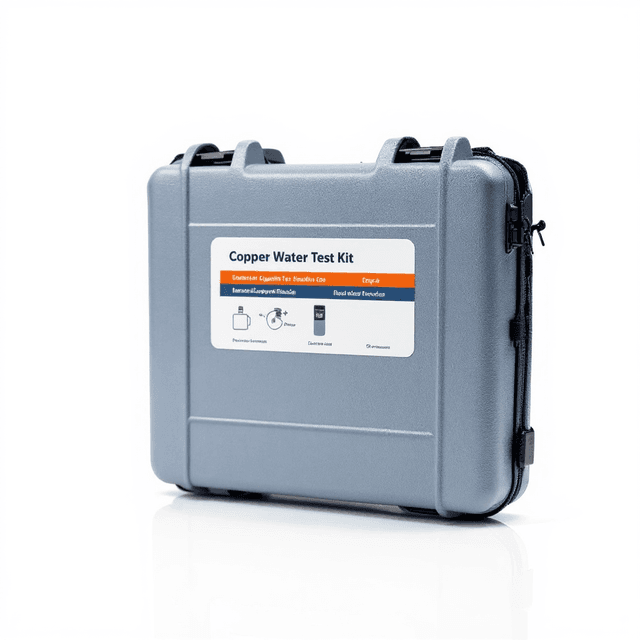
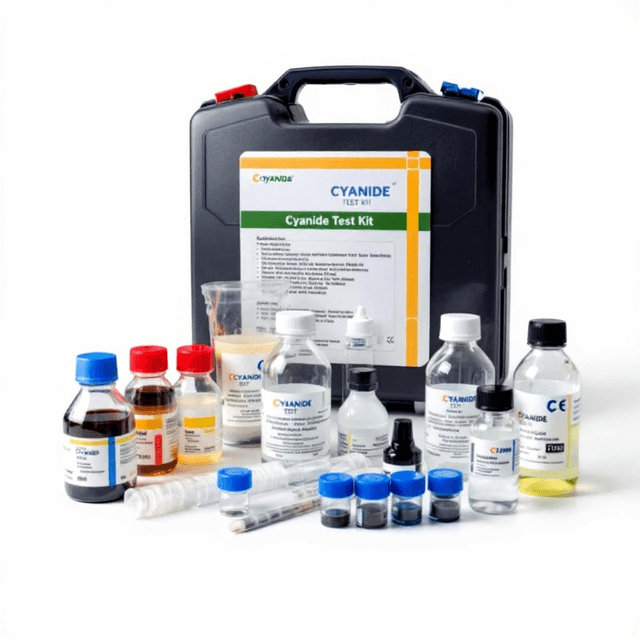
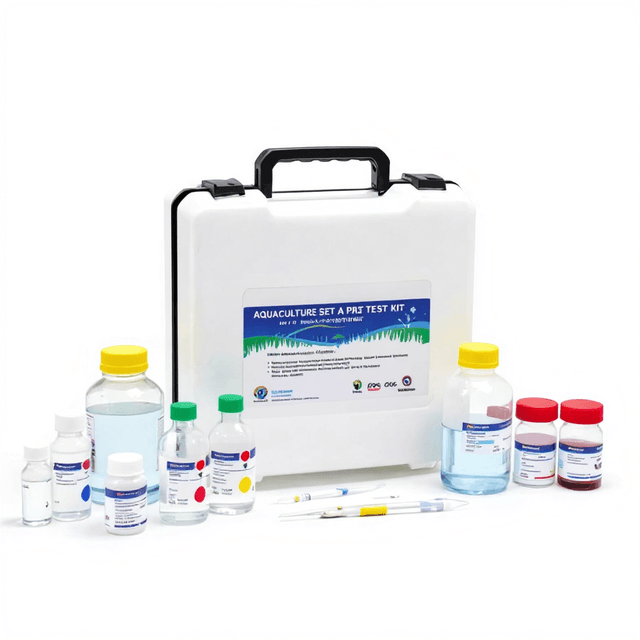
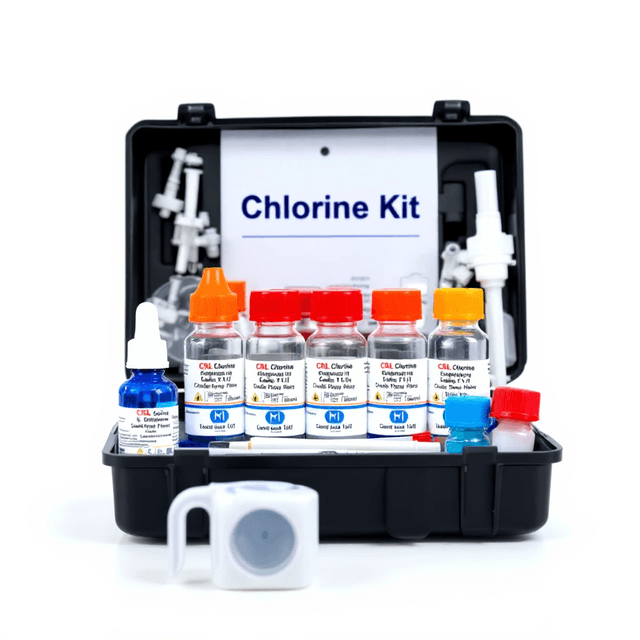
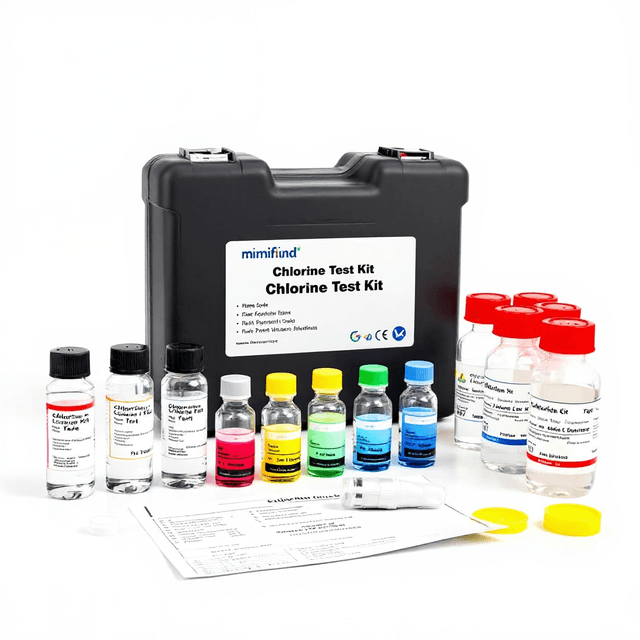
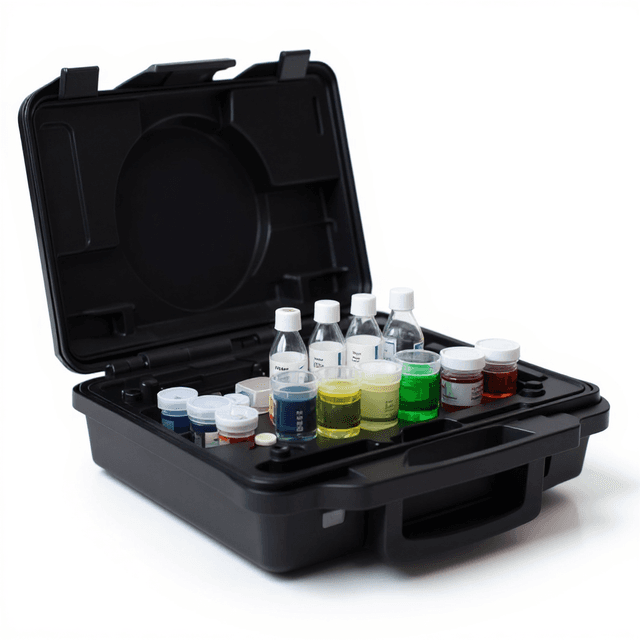
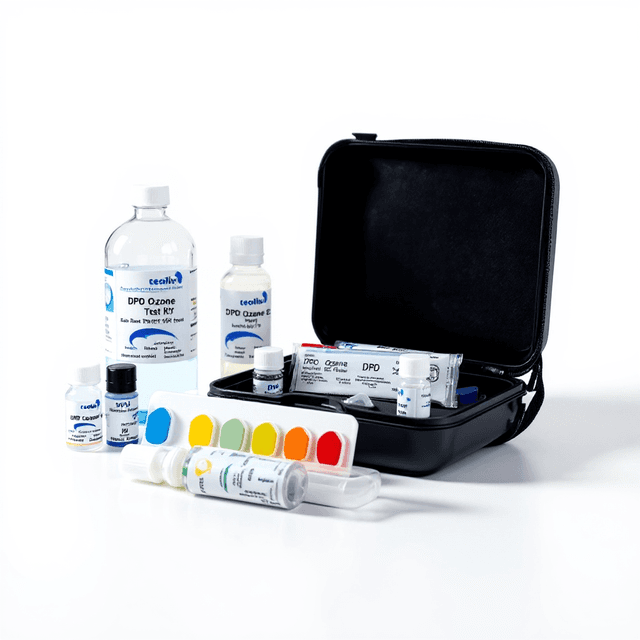
The Chlorine Dioxide Test Kit (Model LH2006) provides rapid, field-portable analysis of chlorine dioxide concentrations in water samples using visual colorimetric methodology. This kit enables researchers and technicians to quantify ClO2 levels without specialized laboratory instrumentation, delivering results within minutes through standardized color comparison techniques. The system is designed for routine monitoring applications where immediate on-site analysis is required.
The kit employs established analytical chemistry principles for chlorine dioxide detection, suitable for applications ranging from water treatment verification to environmental monitoring. The colorimetric approach provides visual confirmation of ClO2 presence and concentration through characteristic color development, allowing users to perform quantitative analysis in field conditions or laboratory settings where rapid turnaround is essential.
How It Works
The test kit utilizes colorimetric analysis based on the selective reaction between chlorine dioxide and specific chromogenic reagents. When ClO2 is present in the water sample, it reacts with the indicator chemicals to produce a characteristic color change proportional to the concentration. The intensity of the resulting color is compared against standardized color charts or reference standards to determine the exact ClO2 concentration.
The methodology relies on the oxidizing properties of chlorine dioxide, which selectively reacts with the chromogenic substrate under controlled pH conditions. This reaction produces a stable colored complex that can be visually assessed or measured using simple photometric techniques. The reaction kinetics are optimized to provide rapid color development while maintaining analytical specificity for ClO2 over other chlorine species.
Sample preparation involves adding the reagent system to a measured water sample volume, allowing for reaction completion, and comparing the resulting color to the provided reference scale. The visual colorimetry approach eliminates the need for expensive analytical instrumentation while maintaining acceptable accuracy for field and routine monitoring applications.
Features & Benefits
Brand
- ConductScience
Research Domain
- Analytical Chemistry
- Clinical Diagnostics
- Environmental Monitoring
- Food Science
- Industrial Hygiene
- Microbiology
- Pharmaceutical QC
Shipping weight
- 0.26 lb
Shipping box
- L: 30.0 cm
- W: 20.0 cm
- H: 10.0 cm
| Feature | This Product | Typical Alternative | Advantage |
|---|---|---|---|
| Analysis Method | Visual colorimetric comparison with standardized color charts | Entry-level alternatives may use less standardized color comparison or require instrumental measurement | Enables immediate visual assessment without requiring calibrated instruments or electronic systems. |
| Portability | Complete portable kit design for field deployment | Laboratory-based methods require fixed instrumentation and controlled environment | Allows on-site analysis eliminating sample transport time and potential analyte degradation. |
| Analysis Time | Several minutes per sample analysis | Instrumental methods may require longer sample preparation and measurement cycles | Provides rapid results for immediate process monitoring and corrective action decisions. |
| Training Requirements | Minimal specialized training required for operation | Instrumental methods often require analytical chemistry expertise and method validation | Enables routine personnel to perform accurate ClO2 monitoring without extensive technical background. |
This colorimetric test kit provides immediate field analysis capabilities with standardized methodology derived from international standards. The portable design and visual comparison approach enable rapid ClO2 monitoring without specialized instrumentation while maintaining analytical reliability for routine water treatment applications.
| Model | SKU | Listed price | Status | Shipping box |
|---|---|---|---|---|
| 50 | CS-LH-WTK031 | $999.99 | Available | 30.0 x 20.0 x 10.0 cm |
| 25 | CS-LH-WTK031 | $549.99 | Available | 30.0 x 20.0 x 10.0 cm |
Practical Tips
Verify color comparison accuracy using known ClO2 standards when available, and ensure consistent lighting conditions for visual assessment.
Why: Standardized comparison conditions ensure reproducible results across different operators and testing environments.
Store reagents according to manufacturer specifications and check expiration dates before each use.
Why: Reagent degradation can lead to poor color development and inaccurate concentration determinations.
Perform duplicate analyses on critical samples and document environmental conditions during testing.
Why: Duplicate analysis provides quality assurance while environmental documentation helps interpret any unusual results.
If color development is weak or inconsistent, check sample pH and potential interfering substances in the water matrix.
Why: pH extremes and competing oxidants can inhibit proper color development or cause analytical interference.
Run blank samples with each analysis batch to verify reagent quality and detect potential contamination.
Why: Blank analysis confirms reagent integrity and helps identify systematic errors in the analytical procedure.
Work in well-ventilated areas when analyzing ClO2 samples and avoid direct contact with reagents.
Why: Chlorine dioxide can be volatile and reagents may contain chemicals requiring appropriate handling precautions.
Setup Guide
What’s in the Box
- Reagent bottles for colorimetric analysis
- Color comparison chart or reference standards
- Sample collection containers
- Measuring devices or graduated cylinders
- Analysis instruction manual
- Safety data sheets for reagents
Warranty
ConductScience provides standard manufacturer warranty coverage including replacement of defective reagents and technical support for analytical procedures. Extended technical support is available for method validation and troubleshooting applications.
Compliance
What is the detection range and sensitivity of the colorimetric method for chlorine dioxide?
The colorimetric methodology provides visual detection suitable for routine water treatment monitoring. Specific detection limits, linear range, and sensitivity parameters should be confirmed from the analytical datasheet to ensure compatibility with your monitoring requirements.
How does sample matrix composition affect the colorimetric analysis accuracy?
Common water matrix components may influence color development or interfere with visual comparison. The standardized methodology accounts for typical interferences, but high turbidity, color, or competing oxidants may require sample pretreatment or alternative analytical approaches.
What is the shelf life and stability of the reagent system?
Reagent stability depends on storage conditions and chemical composition. Follow manufacturer storage recommendations and check expiration dates before use. Some reagents may require refrigeration or protection from light to maintain analytical performance.
Can this kit distinguish chlorine dioxide from other chlorine species in water?
The colorimetric chemistry is designed for selective ClO2 detection, but cross-reactivity with free chlorine or chloramines may occur depending on concentration ratios. Consult the analytical method details for specificity information and potential interference corrections.
How does temperature affect the colorimetric reaction and result interpretation?
Reaction kinetics and color intensity can vary with sample temperature. Perform analysis at consistent temperatures when possible, and allow samples to equilibrate to room temperature for optimal color comparison accuracy.
What quality control procedures should be implemented with this test kit?
Run blank samples, duplicate analyses, and known standard solutions when available. Document color comparison conditions including lighting and observer. Regular proficiency testing with certified reference materials enhances analytical reliability.
How does this colorimetric approach compare to instrumental ClO2 analysis methods?
Visual colorimetry provides rapid, portable analysis suitable for field monitoring and routine screening. Instrumental methods like spectrophotometry or amperometric detection offer higher precision and automated data collection but require specialized equipment and controlled laboratory conditions.
Have a question about this product?
Have a question? Just ask.
Send it over and we'll email you a personalized answer — no call, no scheduling.
Prefer to talk it through?
Accessories
Enhance your setup with compatible accessories
Frequently Bought Together