Phosphorus Test Kit
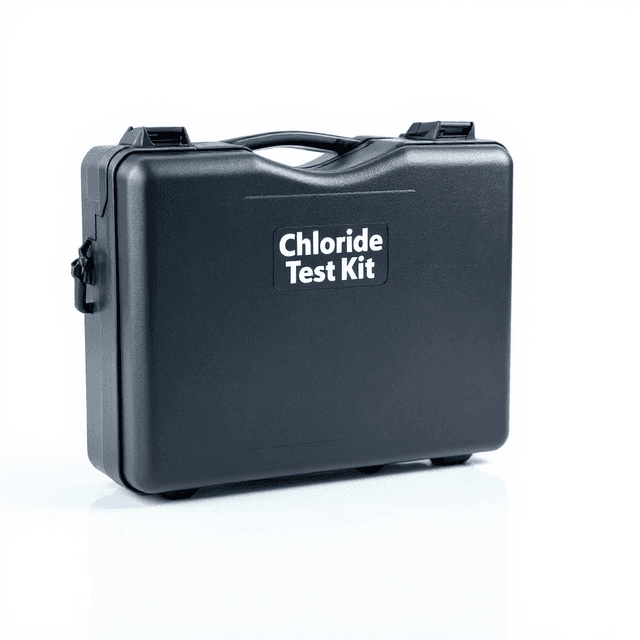
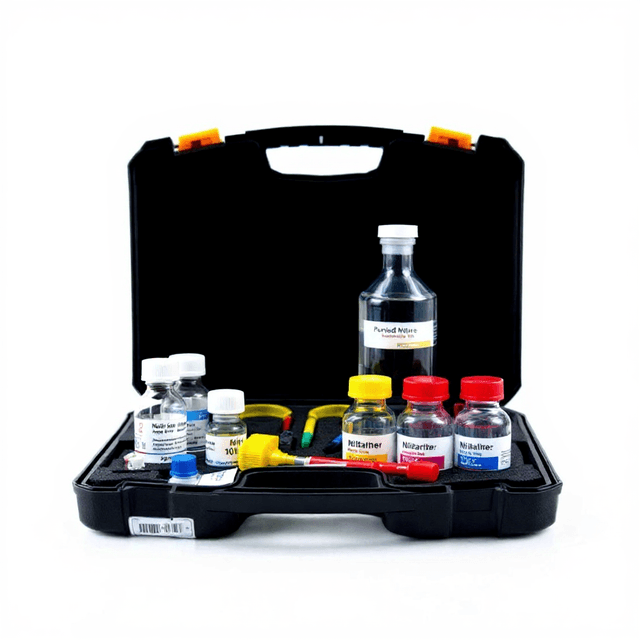
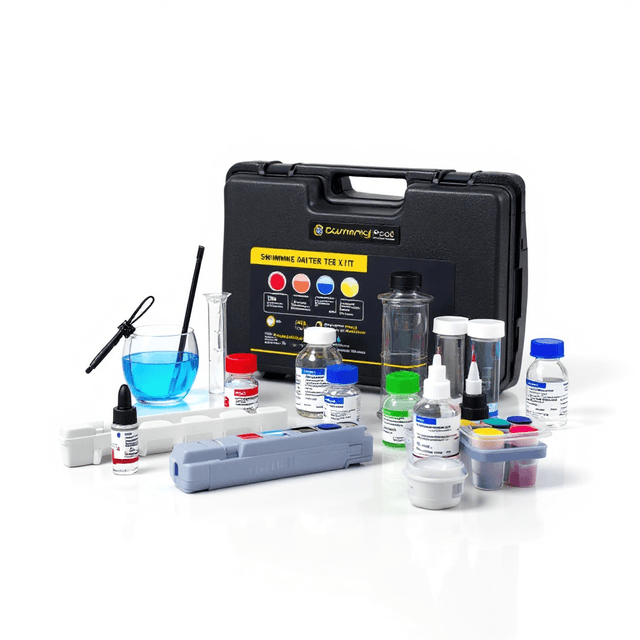
Portable colorimetric test kit for quantitative phosphorus analysis in water samples, supporting environmental monitoring and water quality research applications.

Louise Corscadden, PhD
Director of Science · ConductScience
Ask Louise about Phosphorus Test Kit fit, setup, configuration, or quote prep.
Already working with us? Sign in to connect this with My Scientist.
Key Specifications
Full details →- Model fit
- 2 selectable configurations
- SKU family
- CS-LH-WTK021
- Shipping box
- 30.0 x 20.0 x 10.0 cm
- Ordering
- Online checkout and quote request available
- Category
- Water Test Kits
- Build notes
- Confirm accessories, station layout, and support needs before purchase
The Phosphorus Test Kit (Model LH2020) provides quantitative analysis of phosphorus content in water samples through colorimetric detection methods. This portable testing system enables field and laboratory measurement of total phosphorus, orthophosphate, and polyphosphate concentrations in environmental and industrial water samples.
The kit utilizes standard analytical chemistry principles for phosphorus determination, typically employing molybdenum blue methodology or ascorbic acid reduction techniques. Designed for researchers conducting water quality assessments, environmental monitoring studies, and industrial process control applications where phosphorus levels impact system performance or regulatory compliance workflows.
How It Works
Phosphorus test kits typically employ colorimetric analysis based on the molybdenum blue method or ascorbic acid reduction chemistry. In the standard procedure, orthophosphate ions react with molybdate and antimony compounds under acidic conditions to form a phosphomolybdate complex. This complex is then reduced by ascorbic acid to produce an intensely colored molybdenum blue compound with maximum absorbance around 880 nm.
Total phosphorus analysis requires acid digestion to convert organic phosphorus and polyphosphates to orthophosphate before colorimetric detection. The intensity of the resulting blue color is directly proportional to phosphorus concentration, enabling quantitative measurement through visual comparison with color standards or spectrophotometric analysis.
Detection limits and measurement ranges depend on the specific reagent formulation and analytical protocol. Sample pH adjustment and temperature control during reaction development ensure reproducible results across different water matrices.
Features & Benefits
Brand
- ConductScience
Research Domain
- Analytical Chemistry
- Environmental Monitoring
- Food Science
- Industrial Hygiene
- Materials Science
- Pharmaceutical QC
Shipping weight
- 0.26 lb
Shipping box
- L: 30.0 cm
- W: 20.0 cm
- H: 10.0 cm
| Feature | This Product | Typical Alternative | Advantage |
|---|---|---|---|
| Detection Method | Colorimetric analysis with visual or spectrophotometric readout | Laboratory methods often use ICP-MS or ion chromatography | Enables immediate on-site results without laboratory transport delays or complex instrumentation requirements. |
| Portability | Complete portable test kit format | Benchtop analyzers require laboratory infrastructure | Allows field testing at sampling locations for immediate decision-making and reduced sample handling. |
| Sample Preparation | Minimal sample pretreatment requirements | Advanced methods may require extensive sample digestion | Simplifies analytical workflow and reduces preparation time for routine monitoring applications. |
| Operating Cost | Low per-test consumable costs | Instrumental methods have higher operational expenses | Provides cost-effective analysis for high-volume screening and routine quality control applications. |
This phosphorus test kit offers portable, cost-effective analysis capabilities for field and laboratory applications. The colorimetric methodology provides reliable quantification without complex instrumentation requirements, making it suitable for routine monitoring and screening applications where immediate results are valued.
| Model | SKU | Listed price | Status | Shipping box |
|---|---|---|---|---|
| 50 | CS-LH-WTK021 | $999.99 | Available | 30.0 x 20.0 x 10.0 cm |
| 25 | CS-LH-WTK021 | $549.99 | Available | 30.0 x 20.0 x 10.0 cm |
Practical Tips
Verify kit accuracy using certified phosphorus reference standards before critical analyses.
Why: Reference standards establish measurement traceability and identify any systematic bias in results.
Store reagents in cool, dry conditions and check expiration dates before each use.
Why: Proper storage maintains reagent stability and prevents analytical errors from degraded chemicals.
Filter turbid samples before analysis to prevent particulate interference with color development.
Why: Suspended solids can scatter light and cause positive bias in colorimetric measurements.
Include blank and duplicate analyses with each analytical batch for quality control.
Why: Blanks detect contamination while duplicates assess measurement precision and identify procedural errors.
If colors develop too rapidly or slowly, check reagent temperature and mixing thoroughness.
Why: Reaction kinetics are temperature-dependent and incomplete mixing leads to non-uniform color development.
Use appropriate personal protective equipment and work in well-ventilated areas when handling reagents.
Why: Chemical reagents may contain acids or other hazardous components requiring proper safety precautions.
Setup Guide
What’s in the Box
- Phosphorus test reagents (typical)
- Color comparison standards (typical)
- Sample collection containers (typical)
- Analytical protocol documentation (typical)
- Measurement accessories (typical)
- User manual and safety information (typical)
Warranty
ConductScience provides standard manufacturer warranty coverage for materials and workmanship. Technical support available for analytical protocol questions and troubleshooting assistance.
Compliance
References
Background reading relevant to this product:
What is the detection limit and measurement range for phosphorus analysis?
Detection limits and measurement ranges vary by specific kit formulation and analytical protocol. Consult product datasheet for precise specifications including minimum detectable concentration and upper measurement limit.
Can this kit distinguish between different phosphorus species?
Most phosphorus test kits can measure orthophosphate directly and total phosphorus after acid digestion. Polyphosphate is typically calculated as the difference between total phosphorus and orthophosphate measurements.
What sample volume is required for analysis?
Sample volume requirements depend on the specific analytical protocol and expected phosphorus concentration. Typical colorimetric methods require 10-50 mL sample aliquots per analysis.
How do water matrix effects influence measurement accuracy?
High turbidity, color, and certain ions can interfere with colorimetric analysis. Sample filtration and matrix-matched standards help minimize these effects for accurate quantification.
What is the shelf life of the reagents?
Reagent stability varies by chemical formulation and storage conditions. Store reagents as specified and check expiration dates before use to ensure analytical reliability.
Can results be validated against certified reference materials?
Yes, certified phosphorus standards from NIST or other recognized sources can verify kit accuracy and establish measurement traceability for quality assurance purposes.
Is spectrophotometric measurement more accurate than visual color comparison?
Spectrophotometric measurement typically provides better precision and lower detection limits compared to visual color comparison, especially for samples with low phosphorus concentrations.
Have a question about this product?
Have a question? Just ask.
Send it over and we'll email you a personalized answer — no call, no scheduling.
Prefer to talk it through?
Accessories
Enhance your setup with compatible accessories
Frequently Bought Together