Catalepsy Bar Test
4-lane catalepsy testing apparatus with adjustable bar height and automated timing for quantitative assessment of extrapyramidal motor effects in mice and rats.
| number_of_lanes | 4 |
| lane_width_mice | 10 cm |
| lane_width_rats | 15 cm |
| bar_diameter | 0.7 cm |
| bar_height_adjustable | 3-8 cm |
| bar_height_average | 6 cm |

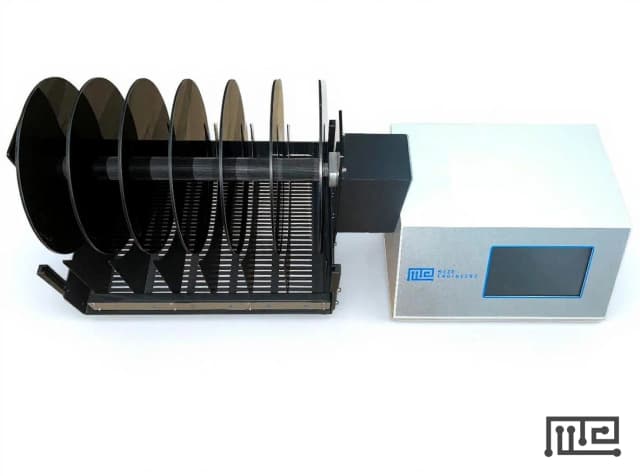
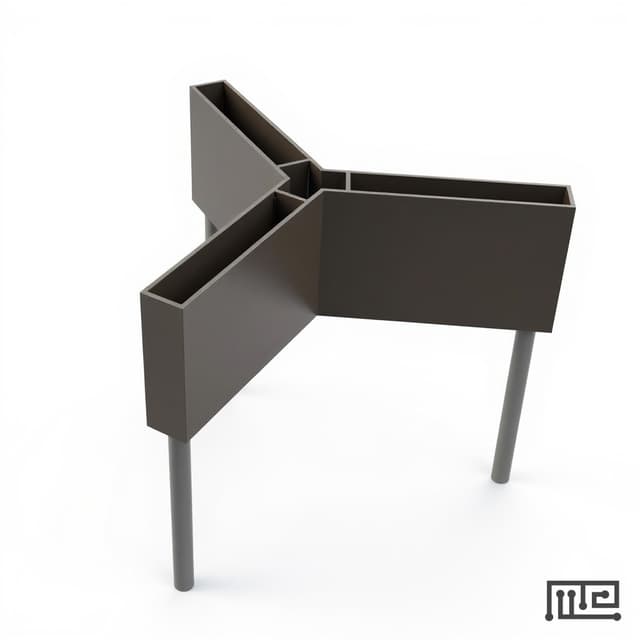
The Catalepsy Bar Test is a specialized apparatus for quantitative assessment of cataleptic behavior in rodents, commonly used in neuropharmacological research to evaluate extrapyramidal motor effects of dopaminergic agents and antipsychotic compounds. The system features a 4-lane configuration with adjustable horizontal bars positioned 3-8 cm above the floor, allowing simultaneous testing of multiple subjects with species-specific lane widths (10 cm for mice, 15 cm for rats).
Each lane incorporates paired infrared sensors positioned directly above the 0.7 cm diameter metal bar to detect animal placement and removal. The integrated control system features a capacitive HD LCD touchscreen (16 x 9 cm) for protocol management and real-time data recording, with automated timing capabilities that track per-lane start and stop times. Data export via USB drive enables direct integration with statistical analysis software for quantitative assessment of cataleptic duration and severity.
How It Works
The catalepsy bar test operates on the principle of measuring waxy flexibility, a neurological symptom characterized by the maintenance of imposed postures for extended periods. When animals are placed with their forepaws on the horizontal bar, normal rodents will immediately attempt to escape this unnatural position. However, animals with impaired dopaminergic function or those treated with dopamine receptor antagonists exhibit cataleptic behavior, maintaining the imposed posture for measurable durations.
Infrared sensor pairs positioned directly above each bar automatically detect when an animal is placed on the bar and when it removes its paws, eliminating observer bias and enabling precise timing measurements. The adjustable bar height (3-8 cm) allows optimization for different species and experimental protocols, while the 4-lane configuration provides statistical power through simultaneous testing of multiple subjects.
The touchscreen control system manages experimental protocols, records individual lane timing data, and exports results for statistical analysis. This automated approach ensures consistent methodology and reduces variability associated with manual timing methods, providing quantitative data on cataleptic duration as an objective measure of motor dysfunction.
Features & Benefits
number_of_lanes
- 4
lane_width_mice
- 10 cm
lane_width_rats
- 15 cm
bar_diameter
- 0.7 cm
bar_height_adjustable
- 3-8 cm
bar_height_average
- 6 cm
touch_screen_dimensions
- 16 x 9 cm
touch_screen_type
- capacitive HD LCD
sensor_array_location
- right above the bar
sensors_per_lane
- one pair
connection_type
- single wire
data_export
- USB drive
manual_start_buttons
- 4 (not used)
timer_recording
- per lane start and stop time
Behavioral Construct
- Motor coordination
- Catalepsy
- Extrapyramidal symptoms
- Postural maintenance
Automation Level
- semi-automated
Species
- Mouse
- Rat
Material
- Black acrylic
- Metal
Color
- Black
Display Type
- LCD
Research Domain
- Behavioral Pharmacology
- Motor Function
- Neurodegeneration
- Neuroscience
- Toxicology
Weight
- 6.06 kg
Dimensions
- L: 65.0 mm
- W: 36.0 mm
- H: 27.0 mm
Comparison Guide
| Feature | This Product | Typical Alternative | Advantage |
|---|---|---|---|
| Number of Testing Lanes | 4 simultaneous testing positions | Entry-level models typically offer 1-2 lanes | Increases statistical power and reduces testing time by evaluating multiple subjects under identical conditions. |
| Timing Method | Automated infrared sensor detection with millisecond precision | Manual timing methods subject to human reaction time variability | Eliminates observer bias and provides consistent, objective measurements across all test sessions. |
| Bar Height Adjustment | Adjustable from 3-8 cm with 6 cm standard position | Fixed height systems offer limited protocol flexibility | Allows optimization for different species, genetic backgrounds, and specific experimental requirements. |
| Control Interface | 16 x 9 cm capacitive HD LCD touchscreen | Basic button interfaces or computer-dependent systems | Provides intuitive protocol setup and real-time monitoring without requiring external computer connections. |
| Species Accommodation | Optimized lane widths for both mice (10 cm) and rats (15 cm) | Single-species designs require separate apparatus for different animals | Maximizes equipment utilization across diverse research programs studying multiple rodent species. |
| Data Export Method | Direct USB drive export with per-lane timing data | Manual data recording or computer-dependent systems | Enables immediate statistical analysis without transcription errors or computer network dependencies. |
This apparatus combines automated precision timing with multi-lane throughput capabilities and species-flexible design. The touchscreen interface and adjustable parameters provide protocol optimization while maintaining standardized methodology for catalepsy assessment across diverse neuropharmacological research applications.
Practical Tips
Verify sensor accuracy weekly by testing known objects of consistent size above each bar and comparing response times across lanes.
Why: Ensures measurement consistency and identifies potential sensor drift that could affect data quality.
Clean acrylic separators with mild detergent between test sessions and inspect for scratches that might affect animal behavior.
Why: Maintains visual isolation between lanes and prevents odor contamination that could influence cataleptic responses.
Allow 10-15 minutes for animals to acclimate to the testing room temperature and lighting before beginning measurements.
Why: Reduces stress-related variables that can confound cataleptic measurements and improves data reproducibility.
Record environmental conditions (temperature, humidity, lighting) for each test session alongside timing data.
Why: Environmental factors can influence cataleptic responses and should be controlled or accounted for in statistical analyses.
If sensors fail to detect animal placement, check for debris or condensation on infrared emitter/detector pairs.
Why: Physical obstructions can block sensor beams and prevent accurate timing, leading to invalid measurements.
Monitor animals continuously during testing and establish maximum test durations to prevent excessive stress in severely cataleptic subjects.
Why: Ensures animal welfare compliance and prevents potential injury from prolonged immobility in unnatural positions.
Randomize lane assignments across treatment groups and test sessions to eliminate potential positional bias effects.
Why: Controls for subtle environmental differences between lanes that could systematically influence cataleptic duration measurements.
Document bar height settings and verify positioning accuracy using precision measuring tools before each experimental series.
Why: Small variations in bar height can significantly affect test sensitivity and reproducibility across experiments.
Setup Guide
What’s in the Box
- Catalepsy bar test apparatus with 4 lanes
- Control box with capacitive LCD touchscreen
- Connection cable between apparatus and control box
- Power adapter for control system
- User manual with protocol guidelines
- USB cable for data export
- Calibration verification tools (typical)
Warranty
ConductScience provides a standard 1-year manufacturer warranty covering defects in materials and workmanship, with technical support for setup, calibration, and troubleshooting assistance.
Compliance
What is the optimal bar height for detecting drug-induced catalepsy in C57BL/6 mice?
The standard 6 cm height is recommended for most mouse strains, though the adjustable range of 3-8 cm allows optimization for specific protocols or genetic backgrounds that may require modified positioning.
How does the automated timing compare to manual stopwatch methods in terms of accuracy?
Infrared sensor detection eliminates human reaction time variability and observer bias, providing millisecond-accurate measurements compared to typical 100-200 ms variability in manual timing methods.
Can the system handle different cutoff times for terminating tests in non-responsive animals?
Yes, the touchscreen interface allows configuration of maximum test duration parameters to prevent excessive stress in severely cataleptic animals while maintaining data integrity.
What is the recommended inter-test interval to prevent habituation effects?
Consult established protocols for your specific experimental design, as intervals typically range from 30 minutes to 24 hours depending on the pharmacological agent and research objectives.
How should animals be positioned on the bar for consistent measurements?
Gently place both forepaws on the bar with the animal's body perpendicular to the bar, ensuring the infrared sensors can detect paw removal when catalepsy resolves.
What data format is exported for statistical analysis?
The system exports timing data via USB drive in formats compatible with standard statistical software, recording individual lane start times, stop times, and cataleptic duration for each test subject.
Can the apparatus be used for repeated testing of the same animals over time?
Yes, the non-invasive nature allows longitudinal studies, though consider potential learning effects and ensure adequate washout periods between pharmacological treatments.
How does lane width affect test sensitivity between mice and rats?
The 10 cm mouse lanes and 15 cm rat lanes are optimized to prevent escape behaviors while allowing natural postural adjustments, maintaining test validity across species.
Have a question about this product?
Upgrade Options