ConductScience Microcentrifuge Tubes 0.5mL, Clear (Pack of 20)
$25.00 per unit | 20 units per pack Bulk pricing: Pack of 20 at $500.00 ($25.00 per unit)

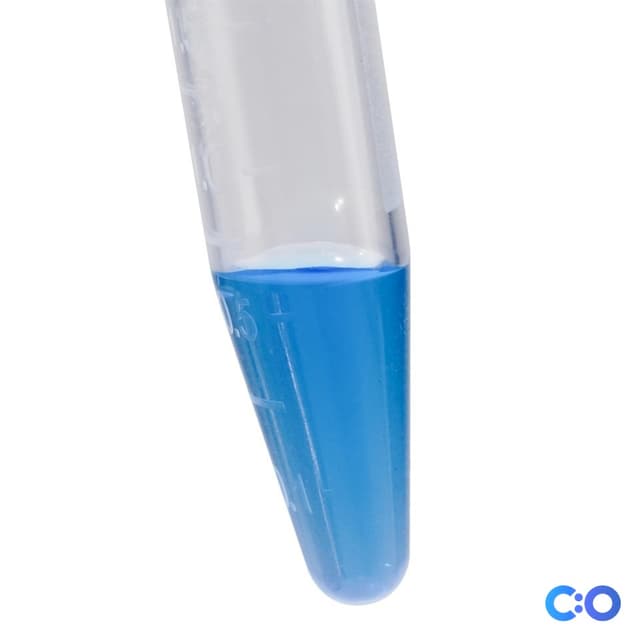
ConductScience 0.5mL microcentrifuge tubes are medical-grade polypropylene consumables designed for high-speed centrifugation applications up to 20,000×g. These clear tubes feature snap-cap closures and are manufactured DNase/RNase-free to prevent nucleic acid contamination in molecular biology workflows.
The autoclavable construction allows for sterilization between uses, while the clear polypropylene material provides visual sample monitoring throughout centrifugation protocols. These tubes are essential consumables for sample preparation, cell pelleting, and molecular biology applications requiring reliable containment under high centrifugal forces.
How It Works
Microcentrifuge tubes function as sample containers that withstand the mechanical stresses generated during high-speed centrifugation. The conical bottom design facilitates complete pellet formation by concentrating separated materials at the tube's apex, while the snap-cap closure maintains sample integrity under centrifugal forces up to 20,000×g.
The medical-grade polypropylene construction provides chemical resistance and thermal stability for autoclaving at 121°C. The material's low protein binding characteristics minimize sample loss, while the DNase/RNase-free manufacturing process eliminates enzymatic contamination that could degrade nucleic acid samples during processing.
During centrifugation, denser materials migrate toward the tube bottom while lighter components remain in the supernatant, enabling phase separation, cell pelleting, and sample concentration protocols essential for molecular biology and analytical chemistry workflows.
Features & Benefits
Research Domain
- Analytical Chemistry
- Cancer Research
- Cell Biology
- Clinical Diagnostics
- Developmental Biology
- Immunology
- Microbiology
- Pharmaceutical QC
Weight
- 4.41 kg
Dimensions
- L: 22.6 mm
- W: 18.8 mm
- H: 15.1 mm
Comparison Guide
| Feature | This Product | Typical Alternative | Advantage |
|---|---|---|---|
| Maximum RCF Rating | 20,000×g | Entry-level tubes often rated for 12,000-16,000×g | Higher centrifugal force capability enables more complete phase separation and cell pelleting efficiency. |
| Material Grade | Medical-grade polypropylene | Standard laboratory-grade plastics with higher impurity levels | Medical-grade specification ensures lower extractables and consistent performance in critical applications. |
| Contamination Control | DNase/RNase-free manufacturing | Basic tubes without nuclease contamination testing | Prevents enzymatic degradation of nucleic acid samples during molecular biology protocols. |
| Sterilization Compatibility | Autoclavable at 121°C | Single-use only designs or limited heat tolerance | Enables cost-effective reuse after steam sterilization for non-critical applications. |
| Closure System | Snap-cap design | Screw caps or friction-fit closures | One-handed operation improves workflow efficiency during multi-sample processing protocols. |
These tubes provide reliable 20,000×g performance with medical-grade polypropylene construction and DNase/RNase-free manufacturing. The autoclavable design and snap-cap closure system offer practical advantages for routine laboratory applications requiring contamination control and efficient sample processing.
Practical Tips
Fill tubes to maximum 80% capacity (0.4mL) to prevent sample overflow during high-speed centrifugation.
Why: Overfilling can cause sample loss and rotor contamination due to centrifugal forces exceeding tube capacity.
Always balance tubes in opposing positions within the centrifuge rotor using matched weights or water-filled tubes.
Why: Unbalanced loads create dangerous vibrations that can damage equipment and compromise sample integrity.
Inspect snap-caps for cracks or deformation before each use, especially after autoclaving cycles.
Why: Damaged caps can fail during centrifugation, leading to sample loss and cross-contamination.
Allow centrifuge to come to complete stop before removing tubes to prevent pellet resuspension.
Why: Premature tube removal can disturb separated phases and compromise separation efficiency.
Use solvent-resistant labeling methods compatible with your specific application chemicals.
Why: Standard labels may dissolve or detach when exposed to organic solvents used in extraction protocols.
If caps pop open during centrifugation, check for overfilling or verify maximum RCF does not exceed 20,000×g.
Why: Excessive force or volume can overcome snap-cap retention force, causing sample loss and contamination.
Store autoclaved tubes in clean, dry conditions to prevent moisture accumulation that could affect cap sealing.
Why: Moisture can interfere with proper cap closure and potentially introduce contamination to sterile tubes.
Setup Guide
What’s in the Box
- 1000x 0.5mL microcentrifuge tubes with snap caps
- Product documentation (typical)
- Certificate of analysis (typical)
Warranty
ConductScience provides standard manufacturing warranty coverage against defects in materials and workmanship. Technical support is available for product specification questions and application guidance.
Compliance
References
Background reading relevant to this product:
What is the maximum centrifugal force these tubes can withstand?
The tubes are rated for maximum 20,000×g, suitable for most microcentrifuge applications including cell pelleting and protein precipitation protocols.
Are these tubes compatible with organic solvents?
The medical-grade polypropylene construction provides good chemical resistance to most common laboratory solvents, though compatibility should be verified for specific harsh chemicals.
Can these tubes be autoclaved multiple times?
Yes, the tubes can be autoclaved at 121°C, though repeated sterilization cycles may affect cap sealing performance over time.
What is the actual working volume capacity?
While the tubes hold 0.5mL total volume, maximum recommended working volume is 0.4mL (80% capacity) to prevent overflow during centrifugation.
Are these tubes certified DNase and RNase-free?
Yes, the tubes are manufactured under DNase/RNase-free conditions to prevent nucleic acid degradation during molecular biology applications.
How should tubes be balanced in the centrifuge rotor?
Tubes must be balanced opposite each other in the rotor, using water-filled tubes as counterweights when processing odd numbers of samples.
What temperature range can these tubes withstand?
The polypropylene construction is stable from -80°C for frozen storage up to 121°C for autoclaving, covering most laboratory temperature requirements.
Are replacement caps available separately?
Consult product datasheet for availability of replacement components, as snap-caps are typically integrated with the tube design.
Have a question about this product?
Accessories
Enhance your setup with compatible accessories
Frequently Bought Together
Related Products