ConductScience Serological Pipettes 10mL, Sterile (Bulk 15-Pack)
$48.00 per unit | 15 units per pack Bulk pricing: Bulk 15-Pack at $720.00 ($48.00 per unit)
| Automation Level | manual |
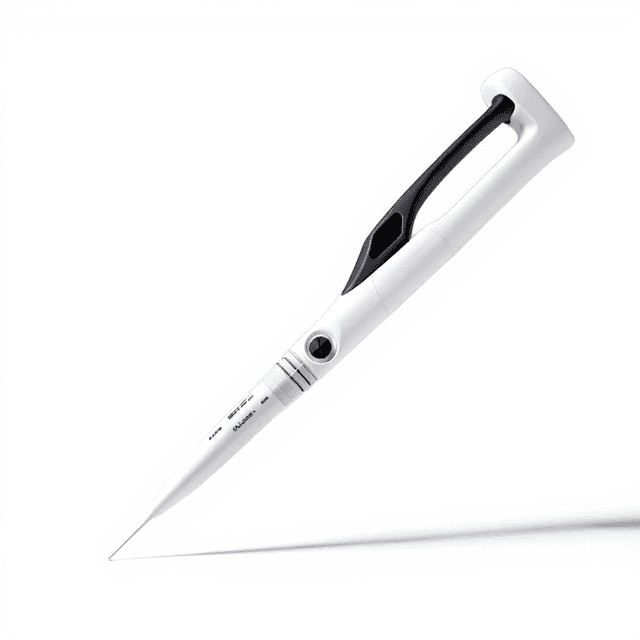
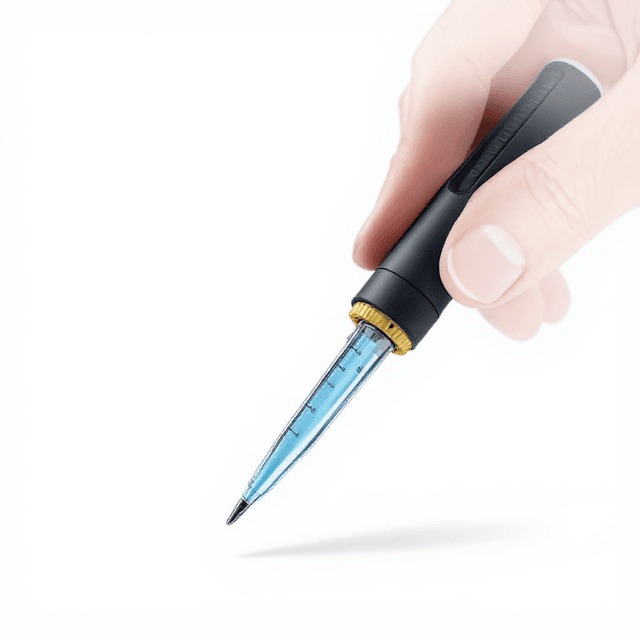
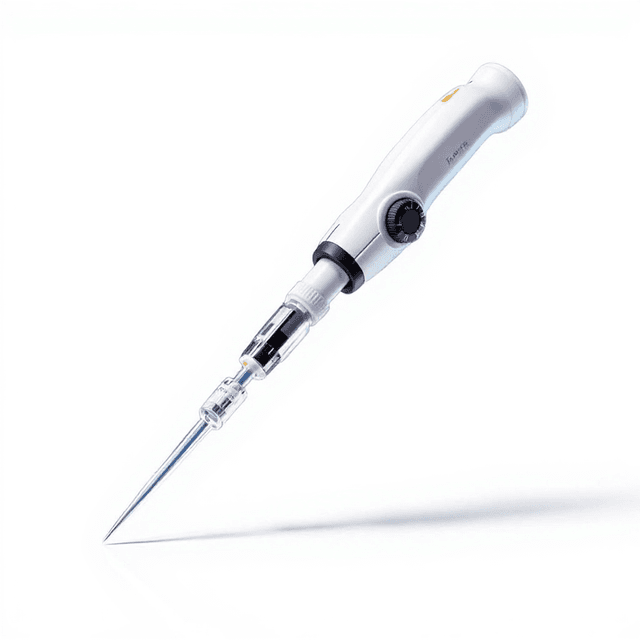
The ConductScience Serological Pipettes 10mL are precision-molded polystyrene instruments designed for accurate liquid handling in cell culture applications. These sterile, single-use pipettes feature electron beam sterilization and are manufactured to be non-pyrogenic, DNase-free, and RNase-free to prevent contamination of sensitive biological samples.
Each pipette incorporates a distinctive orange color-coded band for rapid volume identification and includes graduated markings for precise measurement. The polystyrene construction provides chemical resistance while maintaining optical clarity for visual confirmation of liquid levels during aspiration and dispensing operations.
How It Works
Serological pipettes operate on the principle of controlled liquid aspiration and dispensing through graduated volume displacement. The pipette creates a vacuum seal when connected to a pipetting aid or manual pipettor, allowing precise liquid uptake through the sterile tip opening. Graduated markings along the pipette body provide visual reference points for accurate volume measurement during aspiration and dispensing operations.
The polystyrene construction ensures chemical inertness while maintaining optical clarity for volume verification. The electron beam sterilization process disrupts DNA and protein structures of potential contaminants without introducing chemical sterilizing agents that could interfere with biological assays. The orange color-coding system enables rapid identification of the 10mL volume capacity, reducing selection errors in multi-volume pipette sets.
Features & Benefits
Automation Level
- manual
Research Domain
- Cancer Research
- Cell Biology
- Developmental Biology
- Immunology
- Microbiology
- Pharmaceutical QC
Weight
- 0.66 kg
Dimensions
- L: 30.0 mm
- W: 5.0 mm
- H: 5.0 mm
Comparison Guide
| Feature | This Product | Typical Alternative | Advantage |
|---|---|---|---|
| Sterilization Method | Electron beam sterilization | Gamma irradiation or ethylene oxide sterilization | Electron beam sterilization eliminates chemical residues and minimizes polymer degradation compared to chemical methods |
| Nuclease Contamination | DNase and RNase-free certified | Standard sterile pipettes without nuclease testing | Certified nuclease-free status protects sensitive molecular biology samples from degradation |
| Endotoxin Content | Non-pyrogenic construction | Standard sterile pipettes without pyrogen testing | Non-pyrogenic certification prevents immune activation in cell culture applications |
| Volume Identification | Orange color-coded band | Text marking or no color coding | Color coding enables rapid volume identification and reduces selection errors in multi-pipette workflows |
| Package Quantity | 200 pipettes per case | Varies by manufacturer, often 50-200 per case | Bulk packaging reduces reordering frequency for high-throughput laboratories |
These pipettes combine electron beam sterilization with certified nuclease-free and non-pyrogenic construction, offering enhanced contamination control for sensitive biological applications. The orange color-coding system and bulk packaging provide operational convenience for research laboratories.
Practical Tips
Always use a fresh pipette for each different solution or sample type to prevent cross-contamination.
Why: Cross-contamination can compromise experimental results and invalidate sterility requirements.
Pre-wet the pipette with the solution being transferred before making final measurements for improved accuracy.
Why: Pre-wetting eliminates meniscus formation errors and ensures consistent liquid film on pipette walls.
Never pipette by mouth and always use appropriate pipetting aids or controllers for aspiration.
Why: Mouth pipetting poses serious health risks from accidental ingestion of hazardous materials.
Check pipetting aid filters regularly and replace when discolored or after potential contamination events.
Why: Contaminated filters can compromise sterility and affect pipetting accuracy through flow restriction.
Read volume measurements at eye level with the meniscus aligned to graduation marks for consistent accuracy.
Why: Parallax errors from incorrect viewing angle can introduce systematic measurement bias.
If liquid flows slowly or erratically, check for proper seal between pipette and pipetting aid.
Why: Poor sealing reduces vacuum pressure and affects liquid control and measurement accuracy.
Setup Guide
What’s in the Box
- 200 individually wrapped sterile 10mL serological pipettes
- Product certificate of analysis (typical)
- Usage instructions and specifications (typical)
Warranty
ConductScience provides standard quality assurance for sterile consumables with replacement guarantee for manufacturing defects. Technical support available for application guidance and product specifications.
Compliance
References
Background reading relevant to this product:
What is the accuracy specification for volume measurement with these pipettes?
Consult product datasheet for specific accuracy tolerances. Accuracy depends on proper technique and calibrated pipetting aid connection.
Are these pipettes compatible with organic solvents commonly used in extraction procedures?
Polystyrene construction provides compatibility with most aqueous solutions and mild organic solvents. Test compatibility with specific solvents before critical applications.
How should unused pipettes be stored to maintain sterility?
Store in original sealed packaging at room temperature in a clean, dry environment. Avoid exposure to direct sunlight or temperature extremes.
Can these pipettes be used with automated liquid handling systems?
These are manual serological pipettes designed for use with pipetting aids. Automated systems typically require specialized pipette tips rather than serological pipettes.
What is the shelf life of the sterile packaging?
Consult package labeling for expiration date. Electron beam sterilized products typically maintain sterility for 2-5 years when stored properly.
Are the graduation markings permanent and chemical-resistant?
Markings are molded into the polystyrene during manufacturing, providing permanent volume indicators that resist common laboratory chemicals and cleaning agents.
Have a question about this product?
Upgrade Options