Dissolved Oxygen DO Meter
Waterproof pen-type dissolved oxygen meter with 0-19.9 mg/L range, automatic calibration, and temperature compensation for aquatic research and educational applications.
| Model | LH-D20 |
| Automation Level | semi-automated |
| Brand | ConductScience |

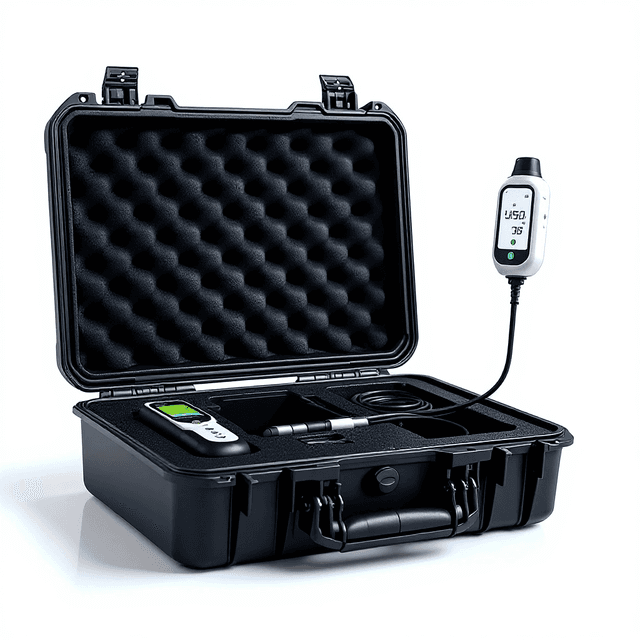
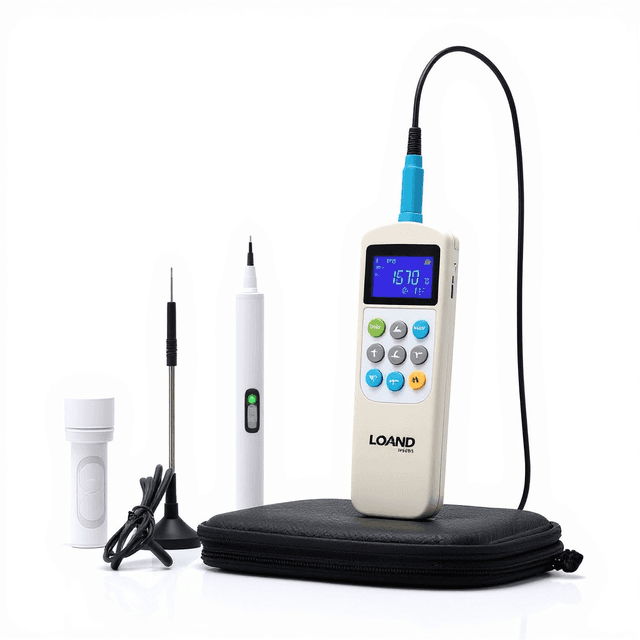
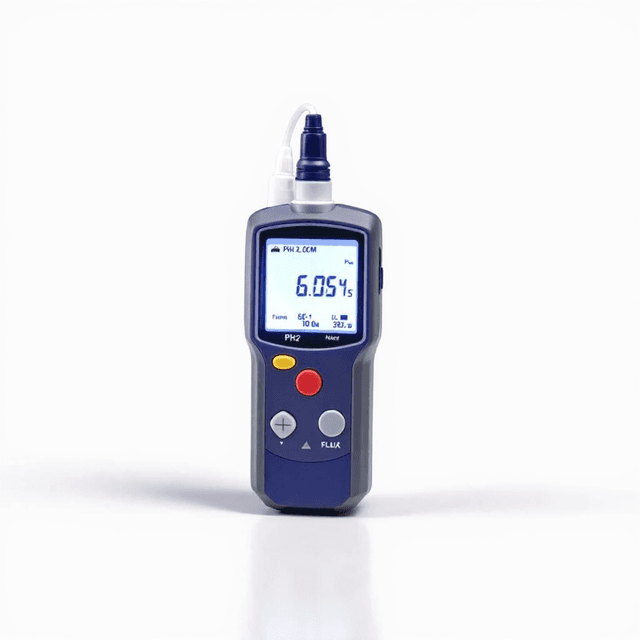
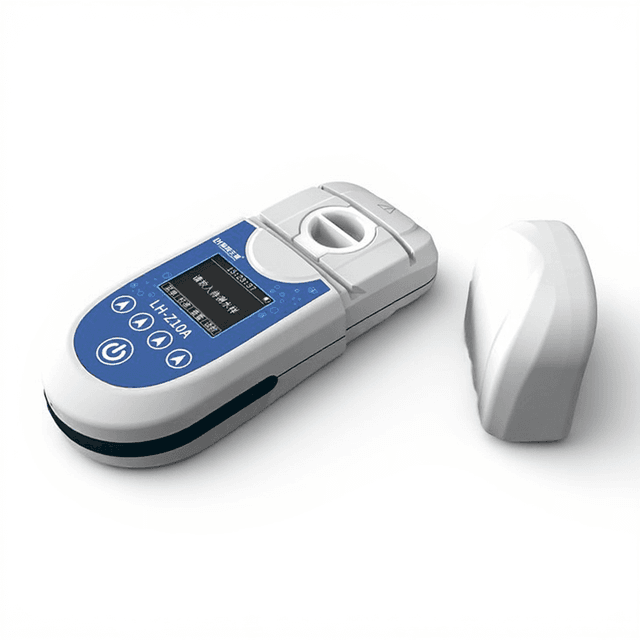
The ConductScience LH-D20 is a pen-type dissolved oxygen meter designed for aquatic environment monitoring and educational applications. This waterproof instrument features microcomputer-based circuitry with automatic calibration, automatic temperature compensation, and 10-minute auto-shutdown functionality. The meter measures dissolved oxygen concentrations from 0-19.9 mg/L, making it suitable for water quality assessment in research and teaching environments.
The compact pen-style form factor enables convenient field measurements while the waterproof design ensures reliable operation in aquatic settings. The integrated microcomputer provides automated functions that reduce operator intervention and improve measurement consistency across users and applications.
How It Works
The LH-D20 utilizes microcomputer-based circuitry to process dissolved oxygen measurements and provide automated calibration and temperature compensation functions. The instrument's waterproof design allows direct immersion in aquatic samples for real-time measurement of dissolved oxygen concentrations.
The integrated microcomputer automatically adjusts readings based on temperature variations, which is critical since oxygen solubility decreases as water temperature increases. The automatic calibration feature reduces manual calibration requirements, while the 10-minute auto-shutdown conserves battery life during field use.
The pen-type form factor houses the sensing components and display in a compact, portable unit suitable for single-handed operation in field and laboratory environments.
Features & Benefits
Model
- LH-D20
Automation Level
- semi-automated
Brand
- ConductScience
Research Domain
- Analytical Chemistry
- Environmental Monitoring
- Microbiology
- Water Quality & Environmental Monitoring
Weight
- 0.26 kg
Dimensions
- L: 20.0 mm
- W: 10.0 mm
- H: 5.0 mm
Comparison Guide
| Feature | This Product | Typical Alternative | Advantage |
|---|---|---|---|
| Form Factor | Pen-type waterproof design | Separate meter and probe configurations are common | Enables single-handed operation and reduces component loss risk in field environments. |
| Temperature Compensation | Automatic temperature compensation | Manual temperature correction often required | Eliminates calculation errors and provides immediate temperature-corrected readings. |
| Calibration | Automatic calibration functionality | Manual calibration procedures are typical | Reduces operator error and ensures consistent measurement protocols across users. |
| Measurement Range | 0-19.9 mg/L range | Varies by model | Covers supersaturated conditions and full range of natural water oxygen levels. |
| Power Management | 10-minute auto-shutdown | Manual power control is common | Prevents battery drain during field work and extends operational time between battery changes. |
The LH-D20 combines automated functions with waterproof portability for field dissolved oxygen measurements. The microcomputer-based design provides temperature compensation and calibration automation in a single pen-type unit suitable for educational and research applications.
Practical Tips
Perform calibration verification before each field session using known standard solutions.
Why: Ensures measurement accuracy throughout the sampling period.
Store the meter according to manufacturer specifications between uses to preserve sensor function.
Why: Proper storage maintains sensor stability and extends instrument life.
Allow readings to stabilize before recording measurements, particularly in samples with different temperatures.
Why: Temperature compensation requires equilibration time for accurate readings.
Record sample temperature along with DO readings for documentation and quality control purposes.
Why: Provides context for data interpretation and enables verification of temperature compensation function.
Ensure the waterproof sealing is intact before immersing in samples.
Why: Prevents water damage to internal electronics and maintains measurement accuracy.
If readings appear inconsistent, verify the automatic calibration has completed successfully.
Why: Calibration errors can cause systematic measurement bias across all readings.
Use gentle agitation during measurement to ensure proper sample contact with the sensing elements.
Why: Improves measurement response time and reduces boundary layer effects around the sensor.
Setup Guide
What’s in the Box
- LH-D20 dissolved oxygen meter (typical)
- User manual and calibration instructions (typical)
- Calibration solutions (typical)
- Carrying case (typical)
- Batteries (typical)
Warranty
ConductScience provides a standard 1-year manufacturer warranty covering defects in materials and workmanship, with technical support for calibration and operation questions.
Compliance
References
Background reading relevant to this product:
What is the measurement range and accuracy of the dissolved oxygen readings?
The LH-D20 measures from 0-19.9 mg/L. Consult the product datasheet for specific accuracy specifications at different concentration ranges.
How does the automatic temperature compensation function work?
The microcomputer automatically adjusts DO readings based on sample temperature, correcting for the inverse relationship between temperature and oxygen solubility.
What calibration procedures are required?
The meter features automatic calibration functionality. Consult the user manual for specific calibration protocols and frequency recommendations.
Can this meter be used in saltwater applications?
The waterproof design allows aquatic measurements, but consult the product specifications for salinity limitations and calibration requirements for different water types.
What is the response time for measurements?
Response time specifications are not provided in the basic product information. Consult the technical datasheet for stabilization time requirements.
How long does the battery last during field use?
The 10-minute auto-shutdown feature conserves battery life. Consult the product datasheet for specific battery life specifications under various usage patterns.
What maintenance is required for optimal performance?
Regular calibration verification and proper storage procedures are typically required. Consult the user manual for specific maintenance schedules and procedures.
Have a question about this product?
Accessories
Enhance your setup with compatible accessories