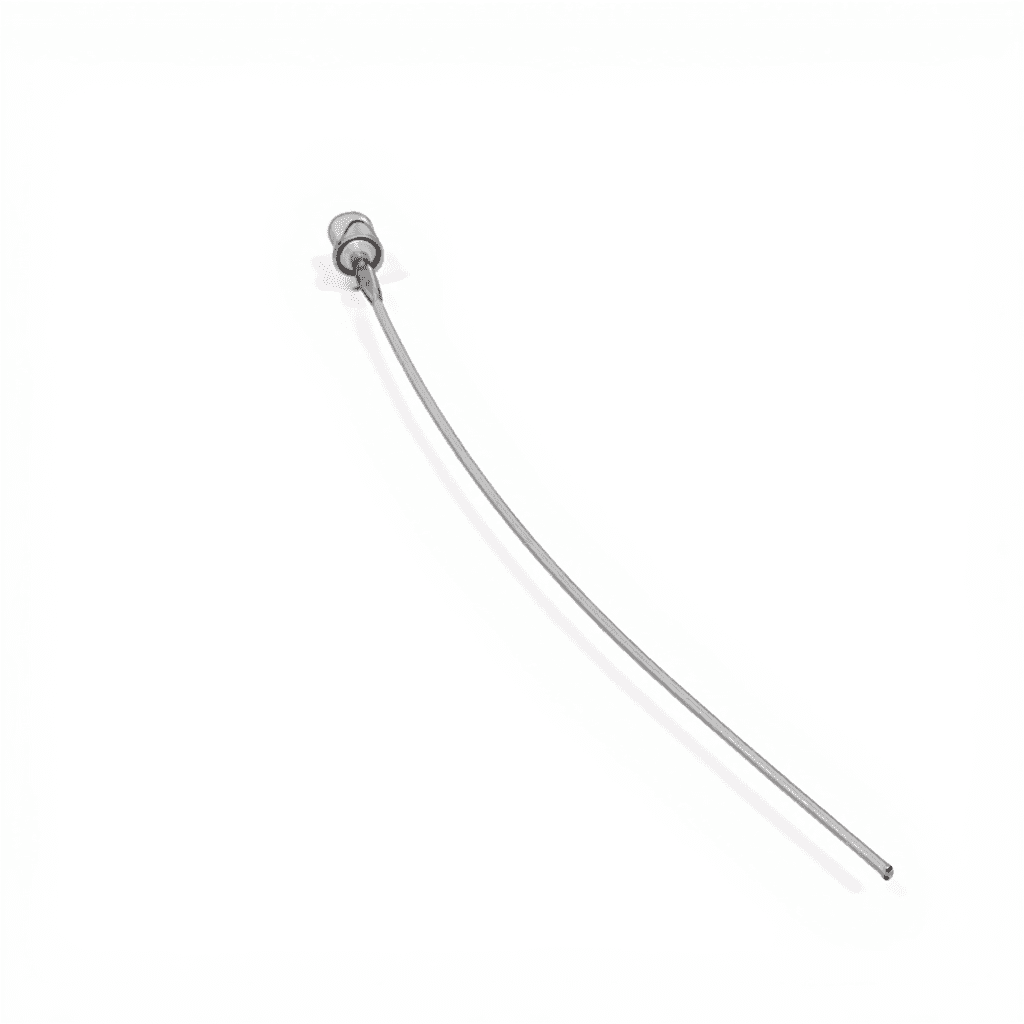
Endotracheal Tubes
Endotracheal tubes for laboratory animal airway management during anesthesia and ventilation procedures, available in multiple materials and sizes with cuffed or uncuffed configurations.
| cuff_types | Cuffed or Uncuffed |
| cuff_volume_pressure_types | Low-volume high-pressure or High-volume low-pressure |
| inflation_syringe_volume | 2 to 5 ml |
| inflation_gases | nitrous oxide |
| silicone_tube_inflation | saline solution recommended |
| distal_end_type | beveled |
Endotracheal tubes provide secure airway access for laboratory animals during anesthetic procedures, mechanical ventilation, and respiratory research protocols. Available in multiple materials including PVC, polyethylene, polyurethane, silicone rubber, and red rubber, these tubes feature beveled distal ends and optional Murphy eyes for reliable gas flow. The preformed curve facilitates laryngeal visualization during intubation procedures.
These tubes are manufactured in both cuffed and uncuffed configurations to accommodate different experimental requirements. Cuffed variants provide airway sealing to prevent anesthetic gas leakage and aspiration, while uncuffed tubes offer unrestricted airflow for specific protocols. Size options range from 2.0mm to 10.0mm internal diameter, supporting procedures across multiple species including cats, dogs, and sheep.
How It Works
Endotracheal intubation establishes a direct conduit between the external environment and the trachea, bypassing upper airway structures that contribute to anatomical dead space. The beveled distal end facilitates insertion through the vocal cords, while the preformed curve aligns with natural airway anatomy for optimal positioning. The Murphy eye provides an alternate gas flow path if the primary bevel becomes occluded against the tracheal wall.
Cuffed tubes utilize an inflatable balloon mechanism that expands against the tracheal wall when inflated with air or saline solution through a pilot balloon system. This creates a pneumatic seal preventing gas leakage around the tube and protecting against aspiration. The cuff can be inflated using 2-5ml syringes, with silicone tubes requiring saline solution for optimal performance. Uncuffed tubes rely on size-matching to the tracheal diameter for positioning without active sealing.
Material selection affects tube characteristics: PVC, polyethylene, and polyurethane offer transparency for visual confirmation of proper placement through condensation patterns, while silicone provides enhanced flexibility and kink resistance. Armored tubes incorporate wire coil reinforcement for procedures requiring extreme head and neck positioning while maintaining airway patency.
Features & Benefits
cuff_types
- Cuffed or Uncuffed
cuff_volume_pressure_types
- Low-volume high-pressure or High-volume low-pressure
inflation_syringe_volume
- 2 to 5 ml
inflation_gases
- nitrous oxide
silicone_tube_inflation
- saline solution recommended
distal_end_type
- beveled
murphy_eye
- small opening opposite the bevel
preformed_curve
- yes, for better laryngeal visualization
armored_tube_reinforcement
- wire coil available
lubrication
- lidocaine gel
pre_oxygenation_time
- 2 minutes
Cuff
- Cuffed
- Uncuffed
Size
- I.D.6.0mm*O.D.8.0mm
- I.D.6.5mm*O.D.8.7mm
- I.D.10.0mm*O.D.13.3mm
- I.D.7.0mm*O.D.9.3mm
- I.D.2.0mm*O.D.3.3mm
- I.D.7.5mm*O.D.10.0mm
- I.D.2.5mm*O.D.3.7mm
- I.D.8.0mm*O.D.10.7mm
- I.D.3.0mm*O.D.4.0mm
- I.D.8.5mm*O.D.11.3mm
- I.D.3.5mm*O.D.4.7mm
- I.D.9.0mm*O.D.12.0mm
- I.D.4.0mm*O.D.5.3mm
- I.D.9.5mm*O.D.12.7mm
- I.D.4.5mm*O.D.6.0mm
- I.D.5.0mm*O.D.6.7mm
- I.D.5.5mm*O.D.7.3mm
Automation Level
- manual
Material
- polyethylene
- polyurethane
- PVC
- red rubber
- silicone rubber
Species
- Cat
- Dog
- Sheep
Display Type
- None
Research Domain
- Anesthesia Research
- Cardiovascular Research
- Emergency Medicine Research
- Toxicology
Weight
- 12.57 lbs
Dimensions
- L: 65.0 in
- W: 36.0 in
- H: 27.0 in
Comparison Guide
| Feature | This Product | Typical Alternative | Advantage |
|---|---|---|---|
| Material Options | Five material choices: PVC, polyethylene, polyurethane, silicone rubber, and red rubber | Limited to 2-3 material options in most product lines | Allows researchers to select optimal material for specific experimental requirements and biocompatibility needs |
| Size Range Coverage | 17 size configurations from 2.0mm to 10.0mm internal diameter | Standard lines often offer 8-12 size options | Provides precise sizing for optimal fit across diverse species and individual subject variation |
| Cuff Configuration Options | Both low-volume high-pressure and high-volume low-pressure cuff types available | Usually limited to single cuff design per product line | Enables selection based on ventilation requirements and tracheal pressure considerations |
| Species Compatibility | Specifically sized for cats, dogs, and sheep with appropriate size ranges | Generic sizing without species-specific optimization | Ensures proper fit and safety for common research animal models |
| Design Features | Beveled distal end, Murphy eye, and preformed curve standard on all tubes | Basic designs may lack Murphy eye or optimal curve geometry | Reduces intubation difficulty and provides backup ventilation path for enhanced safety |
| Reinforcement Options | Wire coil armored tubes available for kink resistance | Standard flexibility without reinforcement options | Maintains airway patency during head and neck manipulation procedures |
This endotracheal tube line offers comprehensive material selection, extensive size range, and multiple cuff configurations to support diverse research applications. The combination of standard safety features, species-specific sizing, and reinforcement options provides researchers with tools for both routine and specialized airway management protocols.
Practical Tips
Pre-oxygenate subjects for 2 minutes before intubation attempts to maximize oxygen reserves during the procedure.
Why: Provides safety margin if multiple intubation attempts are needed or if temporary hypoxemia occurs during laryngoscopy.
Test cuff integrity before each procedure by inflating and deflating while submerged in water to check for leaks.
Why: Ensures cuff will provide adequate seal and prevents intraoperative airway management failures.
Inspect reusable rubber tubes for brittleness, cracks, or permanent kinking before each use and replace when deterioration is evident.
Why: Prevents airway obstruction or tube failure during critical procedures when tube integrity is compromised.
Apply lidocaine gel lubrication to tube exterior to reduce laryngeal trauma and facilitate smooth insertion.
Why: Minimizes tissue damage and reduces post-procedural airway inflammation that could affect recovery.
If condensation is not visible in transparent tubes, verify placement with capnography rather than relying solely on visual confirmation.
Why: Condensation patterns can be unreliable in low humidity environments or with certain anesthetic agents.
Monitor cuff pressure with manometer during long procedures as gas diffusion can cause pressure changes over time.
Why: Maintains consistent airway seal and prevents excessive tracheal pressure that could compromise circulation or cause tissue damage.
Use silicone tubes with saline solution inflation rather than air to prevent cuff expansion when nitrous oxide is used.
Why: Nitrous oxide diffuses into air-filled cuffs causing over-inflation, while saline prevents this gas exchange.
If tube displacement occurs frequently, verify correct size selection and consider using bite blocks for conscious or lightly anesthetized subjects.
Why: Proper sizing and bite protection prevent mechanical displacement that could compromise airway security during procedures.
Setup Guide
What’s in the Box
- Endotracheal tubes in selected sizes and configurations
- Pilot balloons and inflation lines (cuffed tubes) (typical)
- User instructions for proper sizing and insertion (typical)
Warranty
ConductScience provides a standard 1-year manufacturer warranty covering material defects and construction quality, with technical support for sizing recommendations and procedural guidance.
Compliance
References
Background reading relevant to this product:
How do I select the appropriate tube size for my research subjects?
Tube size selection is based on subject species, weight, and tracheal diameter. Start with manufacturer size charts for your species, then select a tube that passes easily through the glottis without excessive dead space. The tube should create a seal (for cuffed) or fit snugly (for uncuffed) without causing tracheal trauma.
What are the advantages of cuffed versus uncuffed tubes for research applications?
Cuffed tubes provide positive pressure ventilation capability, prevent anesthetic gas leakage, and protect against aspiration - essential for longer procedures and mechanical ventilation. Uncuffed tubes offer lower airway resistance and are preferred for spontaneous ventilation or when cuff pressure might interfere with physiological measurements.
Which tube material is best for different experimental protocols?
PVC, polyethylene, and polyurethane offer transparency for visual placement confirmation and are suitable for most procedures. Silicone provides superior flexibility and biocompatibility for longer-term intubation. Red rubber is durable but opaque and increasingly avoided due to latex allergy concerns.
How should cuff inflation be managed during experiments?
Inflate cuffs with minimal pressure needed for seal - typically 15-25 cmH2O. Use air for most applications, but saline solution for silicone tubes to prevent cuff expansion with nitrous oxide. Monitor cuff pressure regularly during long procedures as anesthetic gases can cause cuff volume changes.
What maintenance and sterilization protocols are recommended?
Single-use tubes should be discarded after each procedure. Reusable rubber tubes require inspection for cracks, brittleness, or kinks before each use. Sterilization methods depend on material - consult manufacturer guidelines for compatibility with steam, ethylene oxide, or chemical sterilization.
How can I prevent tube displacement during procedures?
Secure tubes with tape or ties at the commissure of the mouth, avoiding excessive tension that could cause pressure necrosis. Use bite blocks to prevent damage from conscious subjects. Monitor tube position with capnography and observe for bilateral chest rise throughout the procedure.
When should I use armored tubes versus standard tubes?
Armored tubes with wire coil reinforcement are indicated when head and neck manipulation is required during procedures, preventing kinking while maintaining flexibility. However, avoid armored tubes during MRI procedures due to metal content, and use standard tubes for routine anesthesia where positioning is stable.
Have a question about this product?
Accessories
Enhance your setup with compatible accessories
Upgrade Options