Anesthesia Machine Pole Mount
Pole-mounted veterinary anesthesia system delivering controlled isoflurane or sevoflurane anesthesia for small laboratory animals with precision vaporizer and dual breathing circuit options.

Louise Corscadden, PhD
Director of Science · ConductScience
Ask Louise about Anesthesia Machine Pole Mount fit, setup, configuration, or quote prep.
Already working with us? Sign in to connect this with My Scientist.
Key Specifications
Full details →- Model fit
- Cat, Dog, Non-human Primate, Rabbit, Mouse, Rat
- SKU family
- CS-958418
- Shipping box
- 65.0 x 36.0 x 27.0 cm
- Ordering
- Online checkout and quote request available
- Category
- Anesthesia & Ventilation
- Build notes
- Confirm accessories, station layout, and support needs before purchase
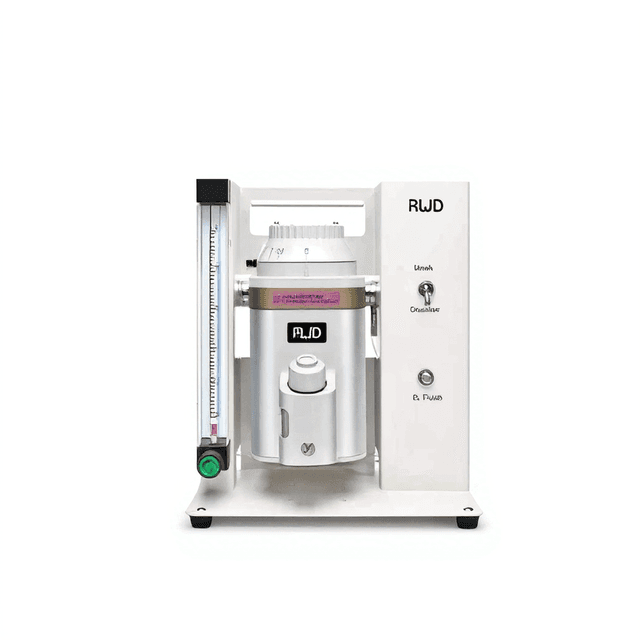
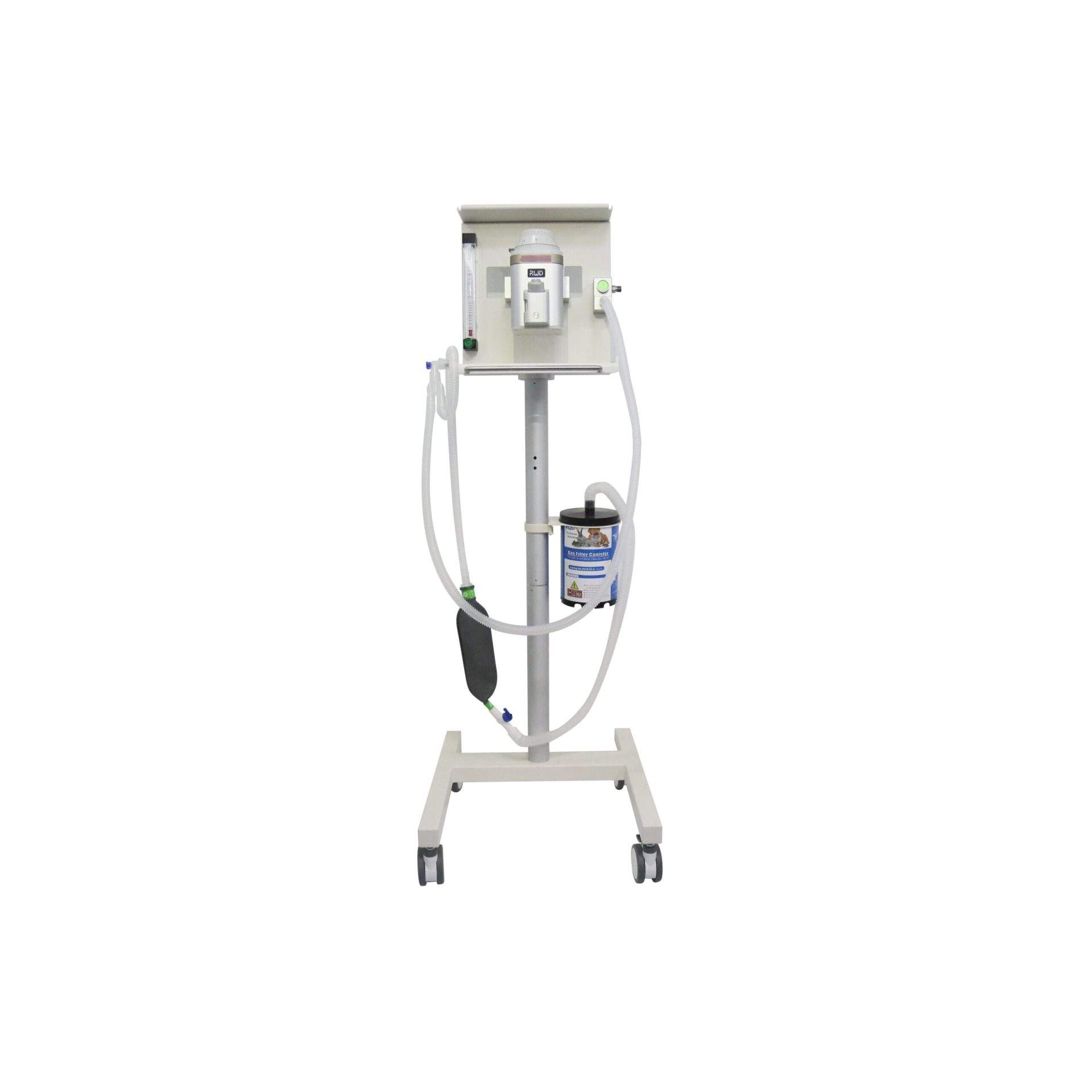
The RWD-R620 Anesthesia Machine Pole Mount is a veterinary anesthesia system designed for small animal research applications. The system integrates a precision vaporizer, oxygen flowmeter, and breathing circuits to deliver controlled inhalation anesthesia for laboratory animals including small dogs, cats, rabbits, and non-human primates. The vaporizer delivers isoflurane concentrations from 0-5% or sevoflurane concentrations from 0-8% with accuracy of ±0.1% at low concentrations and ±0.15% above 1%.
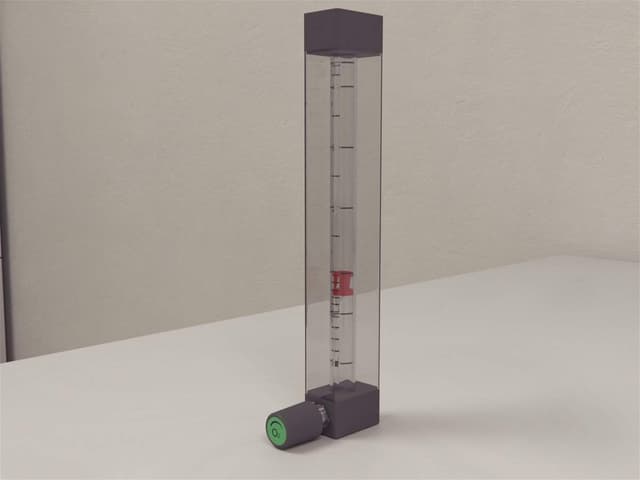
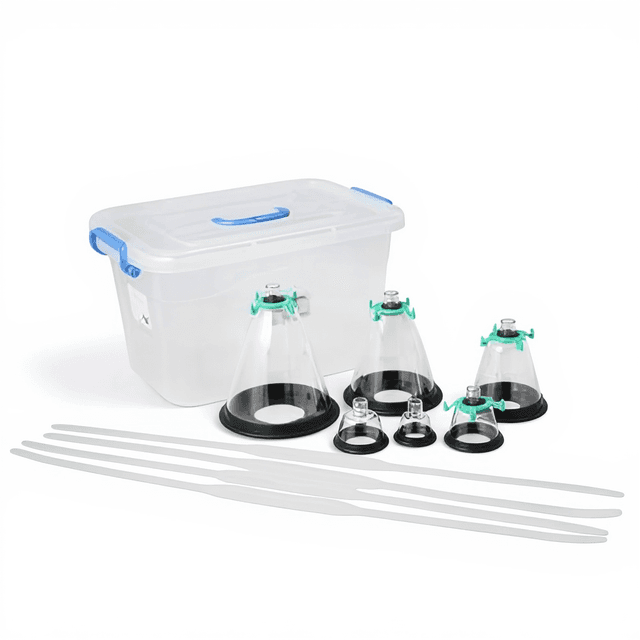
The system features dual mounting options for laboratory flexibility and includes both circulating and non-circulating breathing circuits. The oxygen flowmeter provides precise gas delivery from 0.1-4 L/min, while multiple breathing bag sizes (0.5L, 1L, 2L) accommodate different animal weights. The integrated CO2 absorption system includes a 2.1L absorption bag and filter tank with built-in scale monitoring for sorbent replacement tracking.
How It Works
The anesthesia machine operates through controlled vaporization of volatile anesthetic agents mixed with oxygen carrier gas. The precision vaporizer uses temperature-compensated flow splitting to deliver accurate anesthetic concentrations. As oxygen flows through the vaporizer chamber, it becomes saturated with anesthetic vapor at a controlled ratio determined by the concentration dial setting.
The breathing circuit delivers the anesthetic mixture to the animal through either a circulating rebreathing system or non-circulating Mapleson F circuit. In the rebreathing mode, exhaled gases pass through the CO2 absorption canister containing soda lime, which removes carbon dioxide while conserving anesthetic vapor and oxygen. The system includes pressure relief valves and reservoir bags to accommodate varying respiratory patterns and provide manual ventilation capability when needed.
Continuous monitoring of the CO2 absorption system occurs through an integrated scale that tracks sorbent weight increase, providing alerts when the absorption capacity approaches saturation and requires replacement.
Features & Benefits
Automation Level
- manual
Research Domain
- Cancer Research
- Cardiovascular
- Developmental Biology
- Neuroscience
- Pain Research
- Toxicology
Species
- Cat
- Dog
- Non-human Primate
- Rabbit
- Mouse
- Rat
Shipping weight
- 6.06 lb
Shipping box
- L: 65.0 cm
- W: 36.0 cm
- H: 27.0 cm
| Feature | This Product | Typical Alternative | Advantage |
|---|---|---|---|
| Vaporizer Accuracy | ±0.1% at low concentrations, ±0.15% above 1% | Entry-level systems often provide ±0.25% or lower accuracy specifications | Higher precision enables more consistent anesthetic depth control critical for physiological parameter stability during research procedures. |
| Dual Agent Compatibility | Supports both isoflurane (0-5%) and sevoflurane (0-8%) | Many basic units support only single agent or require separate vaporizers | Protocol flexibility allows researchers to select optimal anesthetic agent based on study requirements and animal characteristics. |
| CO2 Absorption Monitoring | Integrated scale with 1g resolution and automated alerts | Basic systems rely on manual weight monitoring or color change indicators | Continuous monitoring prevents hypercapnia and reduces manual monitoring workload during procedures. |
| Breathing Circuit Options | Both circulating and Mapleson F non-rebreathing circuits included | Entry systems typically include only one circuit type | Circuit selection flexibility optimizes gas economy and procedural requirements for different experimental protocols. |
| Mounting Configuration | Dual options for pole mounting or portable use | Fixed mounting configurations limit laboratory setup flexibility | Adaptable setup configurations accommodate various laboratory layouts and procedural locations. |
This anesthesia system combines precision vaporizer control with comprehensive monitoring features and flexible circuit options. The dual agent compatibility and integrated CO2 absorption monitoring provide research-grade functionality for diverse laboratory animal protocols.
| Model | SKU | Listed price | Status | Shipping box |
|---|---|---|---|---|
| Sevoflurane | RWD-R620-S1-SECS | $4,640.00 | Available | 65.0 x 36.0 x 27.0 cm |
| Isoflurane | RWD-R620-S1-IECS | $4,480.00 | Available | 65.0 x 36.0 x 27.0 cm |
Practical Tips
Verify vaporizer output accuracy using an anesthetic agent analyzer before critical experiments, especially after agent refilling or extended storage.
Why: Temperature changes and agent evaporation can affect calibration accuracy over time.
Replace CO2 absorbent when the integrated scale indicates weight increase approaching 200g above baseline filter weight.
Why: Saturated soda lime becomes ineffective at CO2 removal and may generate excessive heat.
Select breathing bag size based on animal tidal volume requirements: 0.5L for mice/small rats, 1L for larger rats/small rabbits, 2L for large rabbits/small primates.
Why: Proper bag sizing ensures adequate reservoir capacity without excessive dead space that could affect ventilation efficiency.
Perform leak testing of all connections before each use by occluding the circuit and observing pressure retention.
Why: Gas leaks can result in inadequate anesthesia delivery and exposure of personnel to anesthetic vapors.
If flowmeter accuracy appears compromised, check for upstream pressure fluctuations and clean the flowmeter tube of any debris.
Why: Pressure variations and contamination can affect float position accuracy and gas delivery precision.
Document anesthetic concentration settings, flow rates, and circuit type for each procedure to ensure experimental reproducibility.
Why: Anesthetic parameters significantly influence physiological responses and experimental outcomes.
Drain the vaporizer completely if the system will be unused for more than 30 days to prevent agent degradation and component corrosion.
Why: Prolonged exposure to anesthetic vapors can damage internal seals and affect calibration accuracy.
Setup Guide
What’s in the Box
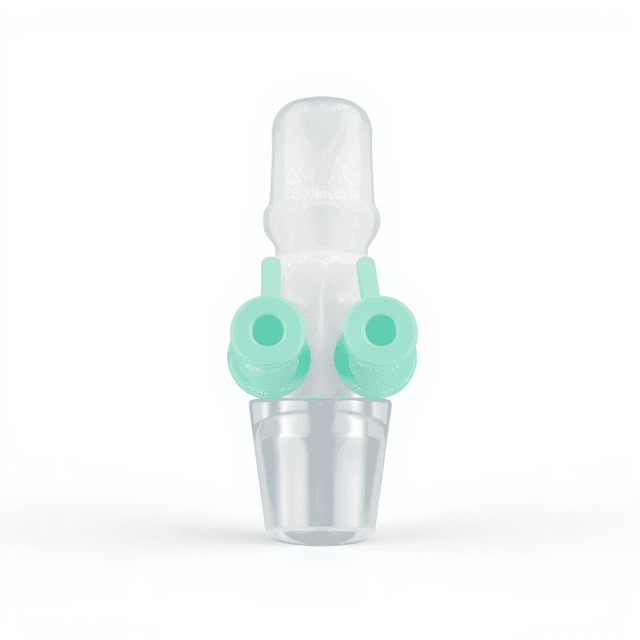
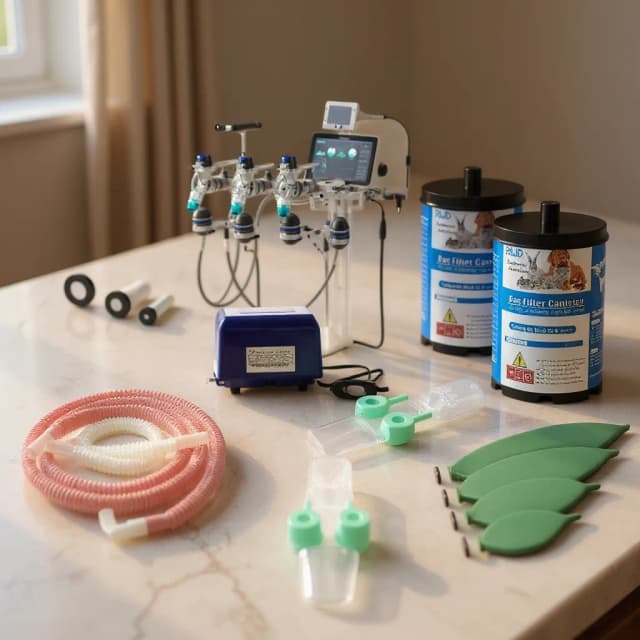
- RWD-R620 Anesthesia Machine with vaporizer
- Oxygen flowmeter assembly
- Circulating breathing circuit (1.5m)
- Mapleson F non-rebreathing circuit
- Three breathing bags (0.5L, 1L, 2L)
- CO2 absorption bag (2.1L)
- Filter tank with integrated scale
- Pole mounting hardware
- User manual and safety documentation (typical)
- Calibration certificate (typical)
Warranty
ConductScience provides a standard one-year manufacturer warranty covering defects in materials and workmanship, with technical support available for installation, calibration, and operational guidance.
Compliance
What is the warm-up time required for the vaporizer to reach stable output concentrations?
The vaporizer should be allowed to reach operating temperature before use. Consult product datasheet for specific warm-up time requirements, which typically vary with ambient temperature and target concentration.
How frequently should the vaporizer accuracy be verified?
Vaporizer calibration should be verified according to institutional protocols, typically annually or semi-annually using certified anesthetic agent analyzers to ensure output accuracy remains within ±0.1-0.15% specifications.
What factors determine the choice between circulating and non-circulating circuits?
Non-circulating circuits are preferred for short procedures or when CO2 monitoring is critical, while circulating circuits conserve anesthetic agent and provide better humidity retention for longer procedures.
How is the CO2 absorption capacity monitored during procedures?
The integrated scale continuously monitors sorbent weight increase with 1g resolution, providing visual and audible alerts when the filter weight exceeds 1000g indicating approaching saturation.
What oxygen purity and pressure requirements does the system need?
The system requires medical grade oxygen with appropriate supply pressure. Consult product datasheet for specific purity specifications and pressure range requirements for optimal flowmeter performance.
Can the system accommodate larger animals like pigs or dogs?
The system is designed for small animals with maximum oxygen flow of 4 L/min and largest breathing bag of 2L. Larger animals may require higher flow rates and breathing circuit modifications.
How should anesthetic agents be stored and handled with this system?
Store isoflurane and sevoflurane according to manufacturer recommendations in original containers. The vaporizer should be drained when not in use for extended periods to prevent agent degradation and component damage.
Have a question about this product?
Have a question? Just ask.
Send it over and we'll email you a personalized answer — no call, no scheduling.
Prefer to talk it through?
Frequently Bought Together
Upgrade Options