Grip Strength Test
Precision grip strength measurement system for rodents featuring dual-sized stainless steel plates, 50 N force range, and 0.1g resolution with LED touchscreen display.
| gripping-plate-area | 20×20 cm, 25x25cm |
| maximum-tensile-force | 0 – 50 N (5kgf) |
| gripping_plate_area | 20×20 cm, 25x25cm |
| maximum_tensile_force | 0 – 50 N (5kgf) |
| frequency | 50HZ |
| grip_plate_sizes | large and small |

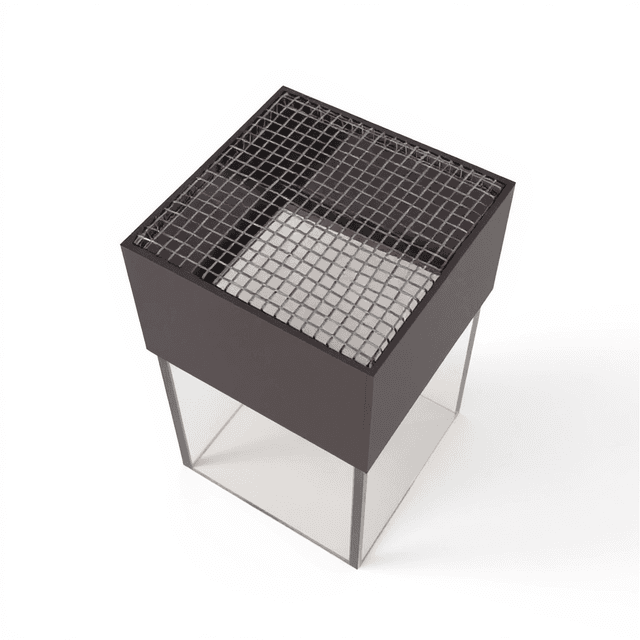
The Grip Strength Test apparatus quantifies neuromuscular function by measuring the maximum tensile force required to induce grip release in rodents. This precision instrument features dual-sized stainless steel gripping plates (20×20 cm for mice, 25×25 cm for rats) coupled with a force sensor capable of detecting forces up to 50 N with 0.1g resolution. The system records both peak force generation and grip release time with 0.1-second precision, providing comprehensive assessment of forelimb and hindlimb strength parameters.
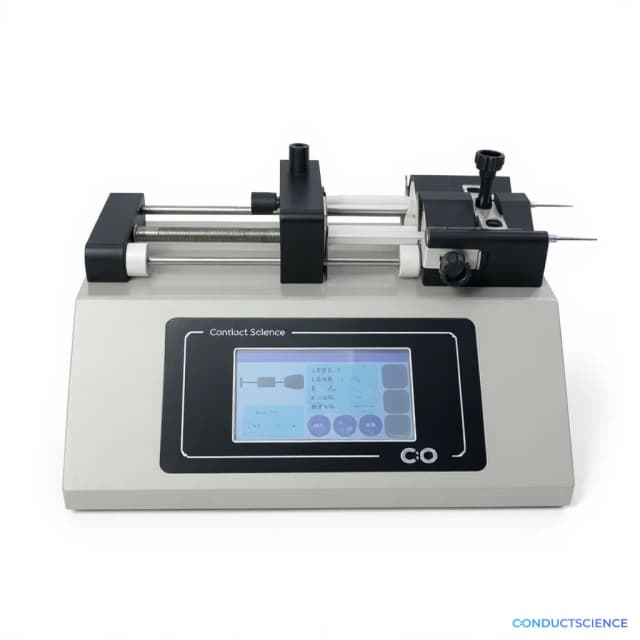
The apparatus incorporates an LED touchscreen display for real-time monitoring and data visualization. Measurements are recorded through integrated force transduction with measurement error ≤ 0.3g, enabling detection of subtle changes in neuromuscular performance. The detachable gripping plate design allows rapid switching between species-specific configurations, while optional custom grids accommodate specialized experimental protocols requiring modified grip surfaces.
How It Works
The grip strength measurement principle relies on the natural grasping reflex of rodents when lifted by the tail. As the animal is gently pulled away from the gripping surface, it instinctively maintains grip until the applied tensile force exceeds its maximum voluntary muscle contraction capacity. The force sensor integrated beneath the gripping plate continuously monitors applied tension, recording the peak force value at the moment of grip release.
Force transduction occurs through a calibrated load cell system with digital signal processing, converting mechanical tension into electrical signals with 0.1g resolution across the 0-50 N measurement range. The LED touchscreen interface displays real-time force curves and automatically captures peak values and release timing. The stainless steel gripping surface provides consistent friction characteristics while the detachable plate design enables rapid cleaning and species-specific configuration changes.
Time resistance measurement tracks the duration from initial tension application to grip release, providing additional neuromuscular performance parameters. The combination of peak force and hold duration enables comprehensive assessment of both strength generation capacity and sustained muscle contraction endurance, distinguishing between different types of neuromuscular dysfunction.
Features & Benefits
gripping-plate-area
- 20×20 cm
- 25x25cm
maximum-tensile-force
- 0 – 50 N (5kgf)
gripping_plate_area
- 20×20 cm, 25x25cm
maximum_tensile_force
- 0 – 50 N (5kgf)
frequency
- 50HZ
grip_plate_sizes
- large and small
components
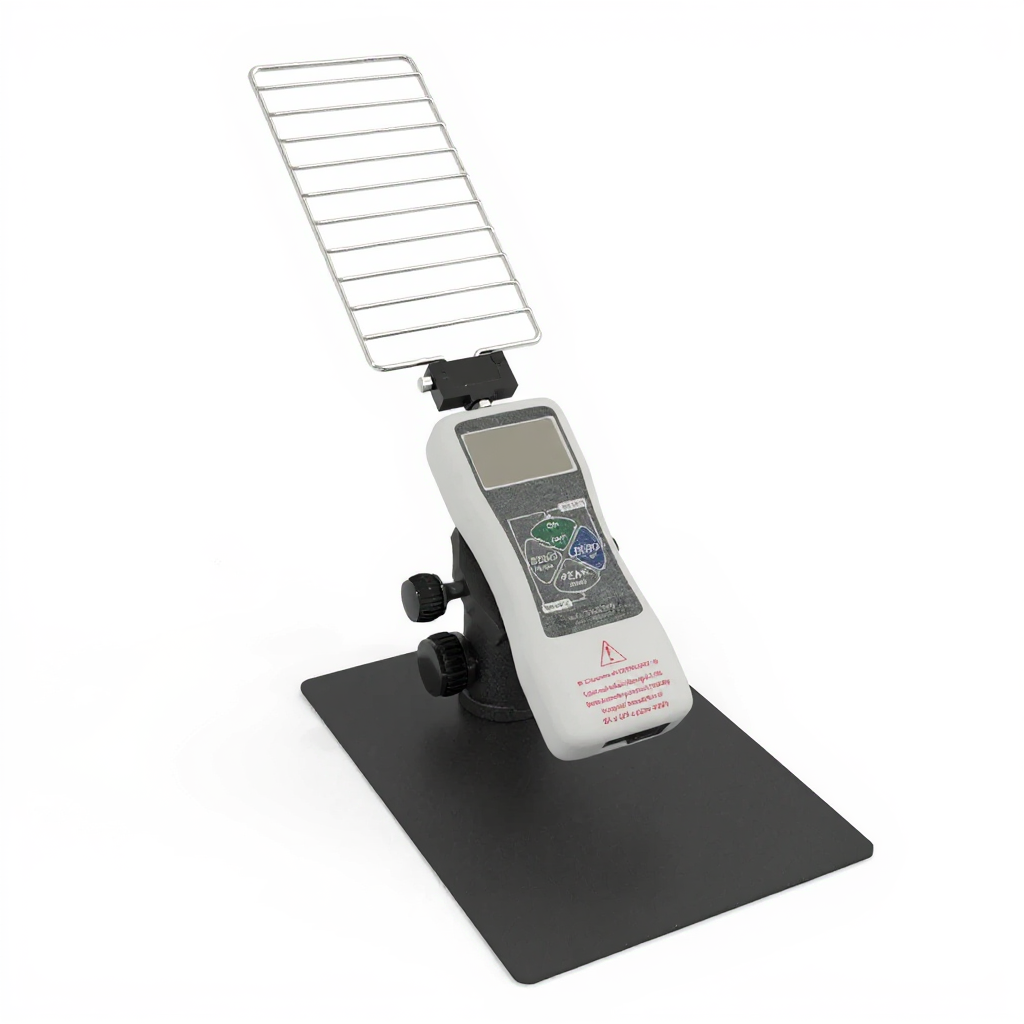
- baseplate, trapezoidal stainless-steel grip, force sensor
Behavioral Construct
- Motor strength
- Neuromuscular function
- Grip endurance
- Motor coordination
Automation Level
- semi-automated
Accuracy
- 0.1g steps
Power/Voltage
- 20W
- AC 190V-230V
- AC 190V-230V 50HZ
Species
- Mouse
- Rat
Material
- Stainless Steel
Research Domain
- Aging Research
- Behavioral Pharmacology
- Motor Function
- Neurodegeneration
- Neuroscience
- Toxicology
Weight
- 15.0 kg
Dimensions
- L: 33.02 mm
- W: 33.02 mm
- H: 17.78 mm
Comparison Guide
| Feature | This Product | Typical Alternative | Advantage |
|---|---|---|---|
| Force Measurement Range | 0-50 N with 0.1g resolution | Entry-level models often provide 0-20 N range with 1g resolution | Extended range accommodates larger rats and aged animals while high resolution detects subtle therapeutic effects in pharmacological studies. |
| Gripping Plate Configuration | Dual-sized plates (20×20 cm mouse, 25×25 cm rat) with detachable design | Single fixed-size plates require separate instruments for different species | Species-optimized testing eliminates the need for multiple instruments and ensures appropriate grip surface area for accurate measurements. |
| Measurement Accuracy | ≤0.3g error across full measurement range | Basic models typically specify ±1-2g accuracy | Exceptional precision enables detection of small changes critical for dose-response studies and longitudinal disease progression monitoring. |
| Time Measurement Capability | Time resistance measurement in 0.1-second increments | Many systems provide only peak force without grip duration analysis | Dual-parameter assessment distinguishes between strength generation and sustained muscle contraction for comprehensive neuromuscular characterization. |
| Display Interface | LED touchscreen with real-time force curve visualization | Basic digital readouts or analog displays without curve monitoring | Visual feedback during testing enables immediate quality assessment and protocol optimization for more reliable data collection. |
| Construction Materials | Stainless steel gripping plates with detachable mounting | Fixed plastic or coated metal surfaces | Durable stainless steel ensures consistent friction characteristics and enables thorough sterilization between animals for contamination control. |
The apparatus combines extended force range capability with exceptional measurement precision and dual-parameter recording in a species-adaptable configuration. The LED touchscreen interface and stainless steel construction provide professional-grade functionality for demanding research applications requiring precise neuromuscular assessment.
Practical Tips
Verify zero-point calibration before each testing session and perform monthly accuracy checks using certified reference weights across the measurement range.
Why: Force sensor drift over time can introduce systematic measurement errors that compromise data validity in longitudinal studies.
Clean gripping plates with 70% ethanol between animals and inspect force sensor alignment weekly for any mechanical displacement.
Why: Contamination affects grip surface friction while sensor misalignment introduces measurement artifacts that reduce data reliability.
Standardize animal handling technique with consistent tail grip position and vertical pull direction, allowing 2-3 seconds for proper gripping before initiating the test.
Why: Handling variability is a major source of measurement inconsistency that can mask true treatment effects or disease progression changes.
Record multiple measurements per animal (typically 3-5 trials) with 30-60 second rest intervals and use the peak value for analysis.
Why: Individual trial variation due to motivation and fatigue effects requires multiple measurements to obtain representative grip strength values.
If force readings appear inconsistent, check gripping plate attachment security and verify that animals are making full contact with the surface before testing.
Why: Loose plate mounting or incomplete grip contact creates measurement artifacts that appear as unusual force distribution patterns.
Ensure animals are properly acclimated to handling procedures and avoid excessive force application that could cause injury during grip release.
Why: Stressed or injured animals exhibit altered grip behavior that confounds neuromuscular assessment while compromising animal welfare standards.
Test animals at consistent times of day and maintain standardized environmental conditions including room temperature and lighting.
Why: Circadian rhythms and environmental factors significantly influence motor performance and grip strength measurements in rodents.
Document animal body weight, age, and sex alongside grip strength measurements to enable proper normalization and statistical analysis.
Why: Grip strength correlates with body size parameters, requiring normalization to detect treatment effects independent of physical development changes.
Setup Guide
What’s in the Box
- Grip strength test base unit with integrated force sensor
- Mouse gripping plate (20×20 cm, stainless steel)
- Rat gripping plate (25×25 cm, stainless steel)
- AC power adapter (190-230V, 50Hz)
- User manual and calibration documentation
- USB cable for data transfer (typical)
- Calibration verification weights (typical)
Warranty
ConductScience provides a standard one-year manufacturer warranty covering defects in materials and workmanship, with comprehensive technical support for calibration, troubleshooting, and protocol optimization throughout the warranty period.
Compliance
What is the minimum detectable change in grip strength that can be reliably measured?
The system resolution of 0.1g with measurement error ≤0.3g enables detection of grip strength changes as small as 0.5-1g, sufficient for identifying subtle therapeutic effects or early disease progression in longitudinal studies.
How should animals be positioned and handled during grip strength testing?
Animals are lifted by the tail base and allowed to grasp the appropriate gripping plate, then gently pulled in a consistent vertical direction until grip release occurs. Standardized handling technique and pull angle are critical for reproducible measurements.
What factors can influence grip strength measurement variability?
Key variables include animal age, sex, body weight, time of day, housing conditions, and prior handling experience. Environmental factors such as room temperature and gripping surface cleanliness also affect measurement consistency.
How frequently should the force sensor be calibrated?
Monthly calibration verification using certified reference weights is recommended for research applications, with full recalibration annually or following any mechanical impact to maintain measurement accuracy within specification.
Can the system accommodate species other than standard laboratory mice and rats?
Custom gripping plate configurations are available for other rodent species, though plate dimensions and force range should be verified against the 50 N maximum capacity for larger animals or specialized experimental requirements.
What data output formats are supported for integration with analysis software?
The LED touchscreen displays peak force and time resistance values in real-time. Consult the product datasheet for specific digital data export formats and software compatibility for automated data collection workflows.
How does grip strength correlate with other motor function assessments?
Grip strength typically correlates with rotarod performance, gait analysis parameters, and muscle histology findings, providing complementary information when used as part of comprehensive motor function test batteries.
What maintenance procedures are required for optimal performance?
Regular cleaning of gripping plates with appropriate disinfectants, periodic calibration verification, and inspection of force sensor alignment ensure consistent measurement performance and prevent cross-contamination between test sessions.
Have a question about this product?