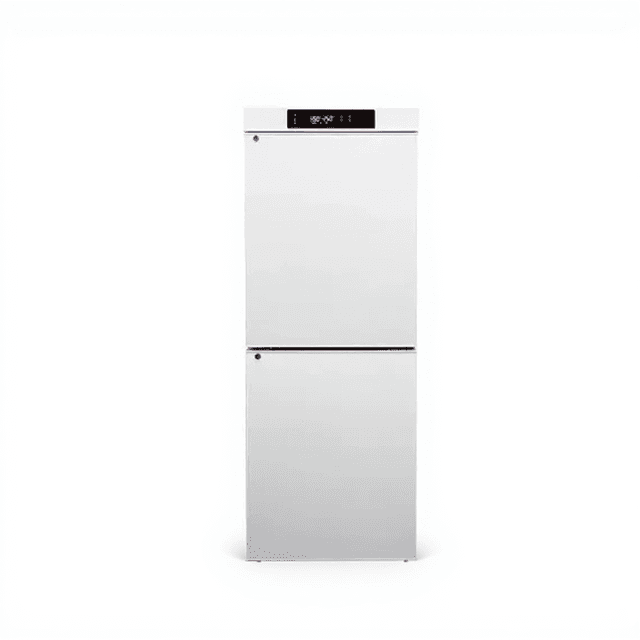
Multi-Color Tissue Cassette Laser Printer
Automated laser printer for tissue embedding cassettes with touchscreen interface, high-speed printing (2.5s per box), and integrated air purification system for histopathology laboratories.
| pa_equipment-type | 4959 |
| pa_automation-level | fully-automated |
| pa_pathology-application | 4968 |
| pa_tissue-compatibility | 4984 |
| display_size | 8 inch touch screen |
| printing_speed | 2.5s/box (fastest) |

The Labs Tissue Embedding Cassette Laser Printer is a specialized histopathology instrument designed for automated labeling of tissue processing cassettes. This system combines laser printing technology with intelligent workflow management to streamline specimen identification in pathology laboratories. The unit features an 8-inch LED touchscreen interface, built-in air purification system, and supports multiple cassette types including 35 degree and 45 degree angle boxes with various cover configurations.
The printer operates at high speed (2.5s per box at fastest setting) with capacity for 450-600 embedding cassettes and a 100-box loading tray. Integration capabilities include PC connectivity, pathology system interface, and standalone operation modes. The system incorporates RGB color recognition, intelligent voice interaction, and both built-in and external scanner support for comprehensive specimen tracking workflows.
How It Works
The tissue embedding cassette laser printer utilizes focused laser technology to create permanent, high-resolution markings directly on plastic cassette surfaces. The laser system generates controlled thermal energy that ablates or chemically alters the cassette material, creating contrast marks that resist chemical processing solutions used in histology protocols.
The integrated workflow begins with cassette loading into the 100-box capacity tray. RGB color recognition sensors identify cassette types and orientations, while the built-in or external scanner can read existing barcodes or identifiers. The 8-inch touchscreen interface allows protocol selection and print queue management. Voice recognition system provides hands-free operation confirmation and status updates.
Air purification systems manage particulates and vapors generated during laser marking. The unit supports three operational modes: standalone printing with manual data entry, PC interface for laboratory information system integration, and direct pathology system connectivity for automated specimen tracking workflows.
Features & Benefits
pa_equipment-type
- 4959
pa_automation-level
- fully-automated
pa_pathology-application
- 4968
pa_tissue-compatibility
- 4984
display_size
- 8 inch touch screen
printing_speed
- 2.5s/box (fastest)
tray_capacity
- 100 embedding boxes
cassette_tube_slots
- 6 slots
laser_head_lifespan
- more than 5 years (8 hours daily use)
scanner_type
- built-in/external scanner support
voice_system
- intelligent voice wake up and interactive voice recognition
color_recognition
- RGB color recognition system
box_compatibility
- 35 degree and 45 degree angle boxes
box_types_supported
- no cover box, cover box, split cover box
operating_systems
- PC, pathology system, and stand-alone
air_purification
- built-in air purification system
filter_system
- built-in filter
Capacity
- 450-600 embedding cassettes
Accuracy
- high print resolution
Display Type
- LED
Research Domain
- Cancer Research
- Clinical Diagnostics
- Developmental Biology
- Histopathology
- Neurodegeneration
- Pharmaceutical QC
Weight
- 6.06 kg
Dimensions
- L: 65.0 mm
- W: 36.0 mm
- H: 27.0 mm
Comparison Guide
| Feature | This Product | Typical Alternative | Advantage |
|---|---|---|---|
| Printing Speed | 2.5 seconds per box at fastest setting | Entry-level systems often require 5-10 seconds per cassette | Higher throughput maintains laboratory workflow efficiency during peak processing periods. |
| Cassette Capacity | 450-600 embedding cassettes with 100-box loading tray | Basic models typically handle 50-200 cassettes per loading | Extended operation periods reduce workflow interruptions and operator intervention requirements. |
| Interface Technology | 8-inch LED touchscreen with voice recognition | Most systems rely on basic LCD displays or computer interfaces only | Intuitive operation and hands-free control maintains sterile technique during specimen handling. |
| Air Management | Built-in air purification and filtration system | Many models lack integrated emission control systems | Maintains laboratory air quality standards without requiring external ventilation modifications. |
| Cassette Compatibility | 35° and 45° angle boxes with multiple cover types | Limited models support fewer cassette configurations | Accommodates diverse tissue processing protocols without hardware changes or additional adapters. |
| System Integration | PC, pathology system, and standalone operation modes | Basic systems often support limited connectivity options | Flexible integration adapts to existing laboratory information system architectures. |
This tissue embedding cassette printer combines high-speed laser technology with comprehensive workflow integration features including touchscreen control, voice recognition, and air purification. The system's multi-mode operation and extensive cassette compatibility provide versatile laboratory integration options for histopathology workflows.
Practical Tips
Perform laser power calibration weekly using sample cassettes from current stock to maintain optimal print quality across different material lots.
Why: Cassette material variations can affect laser absorption and print contrast consistency.
Replace air filtration components according to usage schedule and monitor filter indicators on the touchscreen display.
Why: Proper filtration maintains laboratory air quality and prevents laser particulate accumulation.
Load cassette trays with consistent orientation and verify RGB recognition accuracy before starting large batch runs.
Why: Proper cassette alignment prevents print positioning errors and reduces waste during high-volume processing.
If voice recognition accuracy decreases, recalibrate voice patterns in quiet laboratory conditions away from equipment noise.
Why: Background noise and equipment vibrations can interfere with voice recognition system performance.
Verify scanner functionality regularly with known barcode standards to ensure accurate specimen identification reading.
Why: Scanner performance degradation can compromise specimen tracking accuracy in integrated laboratory workflows.
Ensure proper ventilation clearances around air purification exhaust ports and never obstruct airflow during operation.
Why: Adequate ventilation maintains safe operating conditions and prevents laser emission accumulation.
Schedule routine laser head cleaning during low-activity periods to prevent print quality degradation.
Why: Accumulated debris on laser optics can reduce print resolution and increase processing times.
Monitor cassette tray wear patterns and rotate loading positions to ensure even mechanical wear distribution.
Why: Consistent tray condition maintains proper cassette feeding and prevents mechanical failures.
Setup Guide
What’s in the Box
- Laser printer main unit
- Power adapter and cables
- 8-inch touchscreen interface
- 100-box capacity loading tray
- Air purification system components
- USB and network interface cables
- User manual and setup guide
- Sample embedding cassettes for testing (typical)
- Installation software and drivers (typical)
Warranty
ConductScience provides standard one-year manufacturer warranty covering parts and labor with comprehensive technical support. Extended warranty options available for high-volume laboratory environments requiring enhanced service coverage.
Compliance
What cassette materials are compatible with the laser printing system?
The system accommodates standard plastic embedding cassettes in both 35-degree and 45-degree configurations. Consult product datasheet for specific material compatibility and recommended laser power settings for different cassette manufacturers.
How does the printer integrate with existing pathology information systems?
The unit supports three integration modes: PC connectivity via USB/network, direct pathology system interface, and standalone operation. Built-in and external scanner support enables barcode reading for specimen tracking workflows.
What maintenance is required for the laser printing system?
Routine maintenance includes air filter replacement, cassette tray cleaning, and periodic laser power calibration. The laser head maintains over 5-year operational lifespan under typical 8-hour daily use conditions.
Can the system handle different print formats and font sizes?
The high-resolution laser system supports multiple print formats optimized for embedding cassette surfaces. Specific font options and sizing capabilities should be verified in the system software documentation.
How does the air purification system manage operational emissions?
Built-in air purification system includes filtration components that capture laser-generated particulates and vapors. The system maintains laboratory air quality standards during continuous operation periods.
What is the maximum throughput capacity for high-volume laboratories?
The system processes up to 600 cassettes per loading cycle at 2.5 seconds per box fastest speed setting. Actual throughput depends on print complexity and integration with laboratory information systems.
Does the voice recognition system require specific training or setup?
The intelligent voice system includes wake-up and interactive recognition features that require initial calibration for laboratory environment and user voice patterns. Setup procedures are included in the user manual.
Have a question about this product?
Accessories
Enhance your setup with compatible accessories