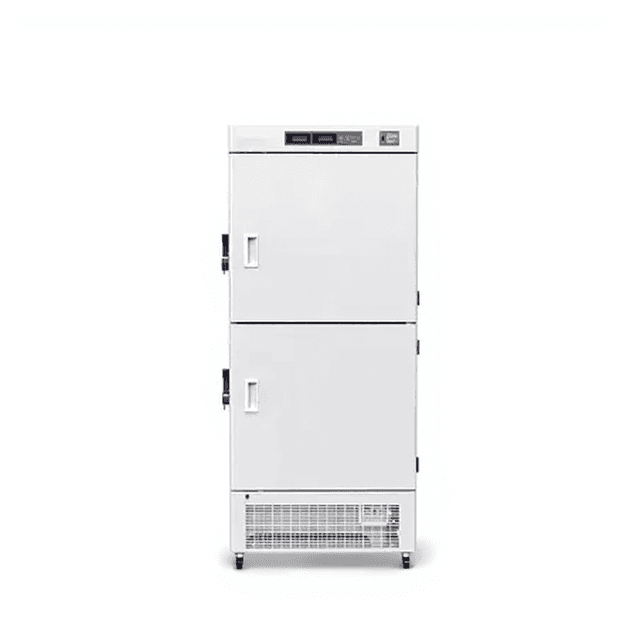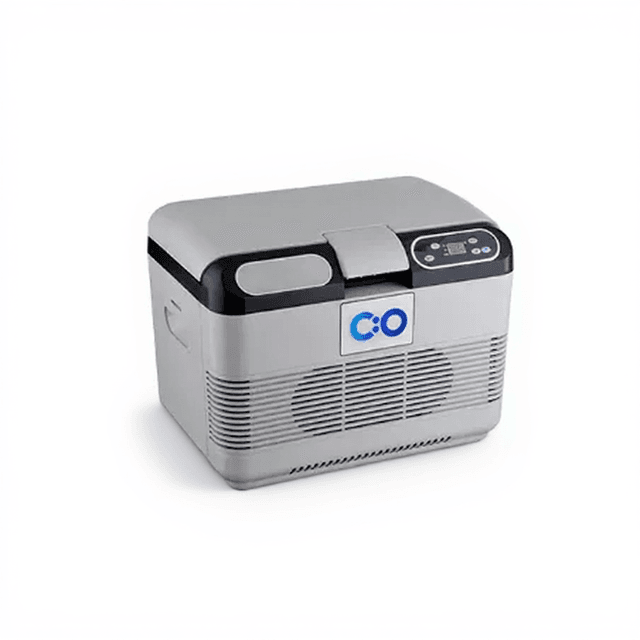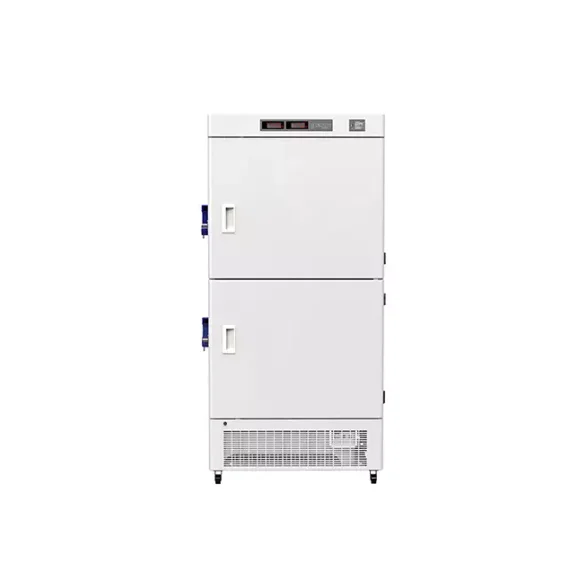
-25℃ Freezer 368L 528L
Dual-chamber laboratory freezers maintaining -10°C to -25°C with ±0.1°C accuracy for reliable storage of biological samples, reagents, and temperature-sensitive research materials.

Louise Corscadden, PhD
Director of Science · ConductScience
Ask Louise about -25℃ Freezer 368L 528L fit, setup, configuration, or quote prep.
Already working with us? Sign in to connect this with My Scientist.
Key Specifications
Full details →- Model fit
- 2 selectable configurations
- SKU family
- BIO-BDF-25V368D | BIO-BDF-25V528D
- Shipping box
- 79.41 x 51.34 x 39.37 cm
- Ordering
- Online checkout and quote request available
- Category
- Cold Storage
- Build notes
- Confirm accessories, station layout, and support needs before purchase
The -25°C Freezer series (models BDF-25V368D and BDF-25V528D) provides controlled low-temperature storage for biological samples, reagents, and temperature-sensitive research materials. These dual-chamber freezers maintain temperatures from -10°C to -25°C with ±0.1°C accuracy and ≤3°C uniformity throughout the storage volume. The microprocessor-controlled units feature direct-cooling refrigeration systems with R290 refrigerant and dual compressors for reliable operation.
Constructed with 304 stainless steel interiors and polyurethane cyclopentane foam insulation, these freezers are designed for laboratory environments requiring consistent sub-zero storage. The 936L capacity provides ample space for sample collections, with comprehensive alarm monitoring for temperature deviations, door openings, power failures, and system faults. The units include 72-hour backup alarm capability during power outages to protect valuable research materials.
How It Works
The freezer operates using a direct-cooling refrigeration system with dual compressors and R290 refrigerant, providing redundant cooling capacity for enhanced reliability. The microprocessor control system continuously monitors internal temperature via precision sensors, automatically adjusting compressor operation to maintain the target temperature within ±0.1°C accuracy. The dual-chamber design allows for temperature stratification control, ensuring ≤3°C uniformity throughout the 936L storage volume.
The 304 stainless steel interior provides chemical resistance and easy decontamination, while the polyurethane cyclopentane foam insulation minimizes thermal loss and reduces temperature fluctuations during door openings. The comprehensive alarm system monitors multiple parameters including temperature excursions, door ajar conditions, power failures, and compressor faults, with both audible and visual indicators to alert users to potential issues.
During power outages, the 72-hour backup alarm system continues monitoring using battery power, ensuring continuous protection of stored materials even when external power is unavailable. The direct-cooling design eliminates the need for forced air circulation, reducing temperature gradients and providing more stable storage conditions for sensitive biological materials.
Features & Benefits
Automation Level
- semi-automated
Temperature Accuracy
- 0.1°C
Internal Dimensions (W×D×H)
- 1000×700×1335mm
External Dimensions (W×D×H)
- 1304×1000×2017mm
Research Domain
- Analytical Chemistry
- Cell Biology
- Clinical Diagnostics
- Immunology
- Microbiology
- Pharmaceutical QC
Capacity
- 936L
Temperature Range
- -10~-25°C
Power/Voltage
- 1000W
Weight
- 378kg
Shipping weight
- 833.35 lb
Shipping box
- L: 79.41 cm
- W: 51.34 cm
- H: 39.37 cm
| Feature | This Product | Typical Alternative | Advantage |
|---|---|---|---|
| Temperature Accuracy | ±0.1°C accuracy | Entry-level models often provide ±1-2°C accuracy | Higher precision reduces temperature-induced sample degradation and supports stringent storage protocols. |
| Temperature Uniformity | ≤3°C uniformity throughout storage volume | Standard units may show wider temperature variations | Consistent conditions throughout the chamber eliminate sample location dependency and improve storage reliability. |
| Compressor Configuration | Dual compressor system | Single compressor designs are common in basic models | Redundant cooling capacity reduces risk of sample loss due to compressor failure and improves temperature recovery. |
| Storage Capacity | 936L capacity | Laboratory freezers range from 200-1000L capacity | Large capacity accommodates extensive sample collections while maintaining laboratory footprint efficiency. |
| Alarm System | Comprehensive alarm with 72-hour backup | Basic models may lack backup power for alarms | Extended monitoring during power outages protects valuable samples and ensures continuous oversight. |
| Interior Construction | 304 stainless steel interior | Aluminum or coated steel interiors in lower-cost units | Superior chemical resistance and easier decontamination support diverse sample types and cleaning protocols. |
This freezer series combines high-precision temperature control (±0.1°C) with dual-compressor reliability and comprehensive alarm monitoring. The 936L capacity and stainless steel construction provide robust sample storage capabilities suitable for demanding laboratory environments.
| Model | SKU | Listed price | Status | Shipping box |
|---|---|---|---|---|
| BIO-BDF-25V528D | BIO-BDF-25V528D | $4,099.00 | Available | 79.41 x 51.34 x 39.37 cm |
| BIO-BDF-25V368D | BIO-BDF-25V368D | $3,799.00 | Available | 79.41 x 51.34 x 39.37 cm |
Practical Tips
Verify temperature accuracy quarterly using a calibrated reference thermometer placed in the geometric center of each chamber.
Why: Regular verification ensures continued measurement accuracy and supports quality system requirements.
Clean condenser coils monthly to maintain cooling efficiency and inspect door seals for proper closure.
Why: Proper maintenance prevents temperature fluctuations and reduces energy consumption while extending equipment life.
Allow samples to equilibrate to room temperature before placing in freezer to minimize thermal shock and temperature excursions.
Why: Gradual temperature transitions reduce stress on both samples and the cooling system.
If temperature alarms occur, check door closure and ventilation clearance before contacting technical support.
Why: Many temperature issues result from environmental factors that can be quickly resolved without service intervention.
Document all temperature excursions and maintenance activities to support sample traceability and quality assurance.
Why: Complete documentation demonstrates sample integrity and supports regulatory compliance requirements.
Ensure adequate ventilation around the unit and avoid blocking air circulation paths near the condenser.
Why: Proper ventilation prevents overheating and ensures safe operation while maintaining cooling efficiency.
Organize samples with clear labeling and inventory systems to minimize door opening time and locate materials efficiently.
Why: Reduced door opening duration minimizes temperature fluctuations and maintains stable storage conditions.
Test alarm functions monthly including temperature, door, and power failure alarms to ensure proper operation.
Why: Regular alarm testing verifies protective systems are functioning correctly to safeguard valuable samples.
Setup Guide
What’s in the Box
- BDF-25V368D or BDF-25V528D freezer unit
- User manual and documentation
- Power cord
- Temperature monitoring cables (typical)
- Shelf accessories (typical)
- Alarm system components (typical)
Warranty
ConductScience provides a standard one-year manufacturer warranty covering parts and labor, with technical support available for installation guidance, troubleshooting, and maintenance procedures.
Compliance
References
Background reading relevant to this product:
What is the temperature recovery time after door opening?
Recovery time depends on door opening duration and ambient conditions, but the dual compressor system and direct cooling design minimize temperature fluctuations. Consult product datasheet for specific recovery specifications.
Can the unit maintain temperature during extended power outages?
The freezer maintains thermal integrity during short power outages due to its insulation, while the 72-hour backup alarm system continues monitoring. Actual temperature maintenance duration depends on ambient conditions and door openings.
What type of temperature logging capabilities are included?
The microprocessor control system provides temperature monitoring with alarm functions. For continuous data logging and documentation, consult product datasheet for available data recording options.
How frequently should temperature calibration be performed?
Temperature calibration frequency should follow institutional SOPs and regulatory requirements, typically annually or semi-annually depending on application criticality and quality system requirements.
What is the maximum ambient temperature for operation?
Operating ambient temperature limits affect cooling performance and energy consumption. Consult product datasheet for specific environmental operating ranges and installation requirements.
Can shelving be customized for different sample types?
The internal dimensions of 1000×700×1335mm accommodate various shelving configurations. Consult with ConductScience for available shelving options specific to different sample storage requirements.
What maintenance procedures are required?
Regular maintenance includes cleaning condenser coils, checking door seals, and verifying alarm functions. Consult user manual for detailed maintenance schedules and procedures.
Have a question about this product?
Have a question? Just ask.
Send it over and we'll email you a personalized answer — no call, no scheduling.
Prefer to talk it through?