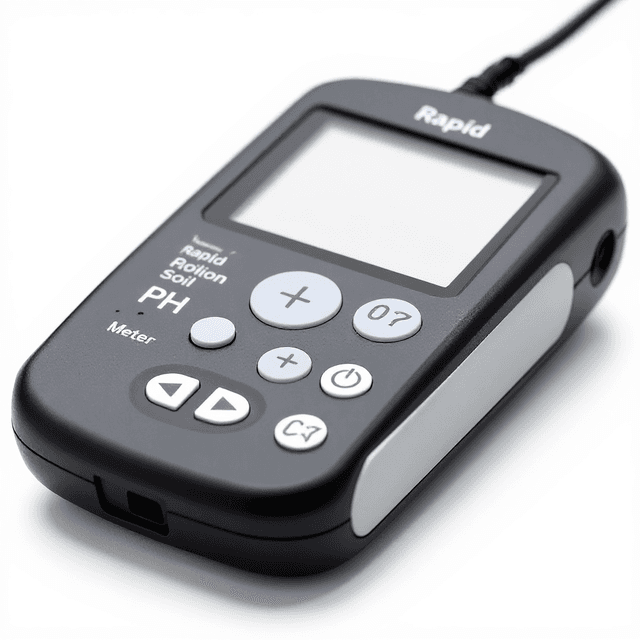
pH Meter Probe
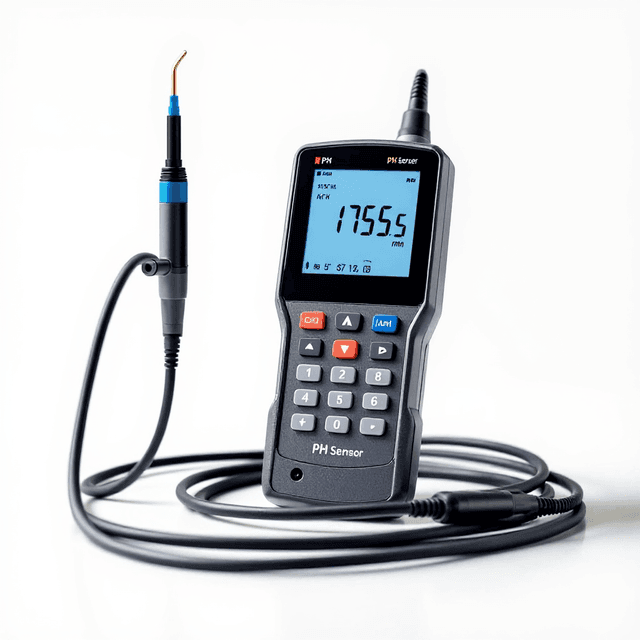
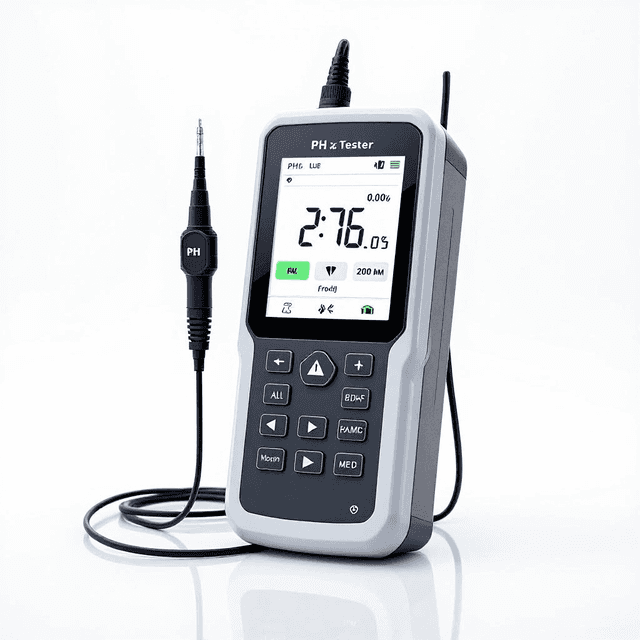
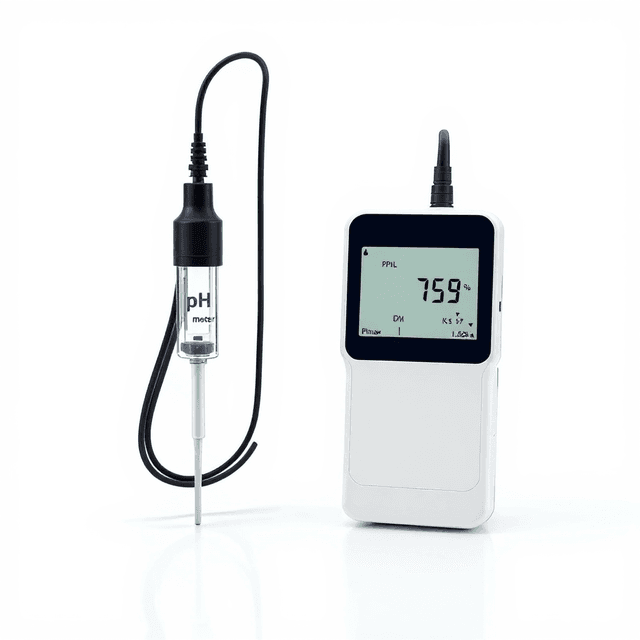
Glass electrode pH probe with 0-14 pH range and ≥97% theoretical slope for accurate potentiometric pH measurement in laboratory and field applications.
| E-201 | 0-14 pH |
| Automation Level | manual |
| Brand | ConductScience |
The pH Meter Probe E-201 is a glass electrode sensor designed for potentiometric pH measurement across the full 0-14 pH range. This electrode utilizes a glass membrane responsive to hydrogen ion activity, generating a potential difference proportional to the pH of the test solution. The probe features a theoretical percent slope of ≥97% at 25°C, indicating high sensitivity and linearity across the measurement range.
The electrode incorporates a reference system that maintains stable potential during measurement, enabling accurate pH determination in aqueous solutions. Available with multiple connector options including BNC (default), Y-blade, and pin connectors, the probe accommodates various pH meter interfaces. The robust construction allows operation in both strongly acidic and alkaline conditions, making it suitable for diverse analytical applications requiring reliable pH monitoring.
How It Works
The pH probe operates on the principle of potentiometric measurement using a pH-sensitive glass membrane. The glass electrode consists of a thin-walled glass bulb containing an internal reference solution and silver/silver chloride electrode. When immersed in a test solution, hydrogen ions in the sample interact with the hydrated gel layer on the glass surface, creating an electrical potential proportional to the pH.
The measurement system includes both the glass electrode and an internal reference electrode that maintains a stable potential. The potential difference between these electrodes follows the Nernst equation, generating approximately 59.16 mV per pH unit at 25°C. The high theoretical slope of ≥97% indicates excellent electrode performance and linearity across the 0-14 pH range.
The probe's reference system provides the stable potential required for accurate measurement, while the glass membrane selectivity ensures minimal interference from other ions in solution. Temperature compensation may be applied through connected pH meters to account for temperature effects on the Nernst response.
Features & Benefits
E-201
- 0-14 pH
Automation Level
- manual
Brand
- ConductScience
Research Domain
- Analytical Chemistry
- Food Science
- Industrial Hygiene
- Microbiology
- Pharmaceutical QC
- Water Quality & Environmental Monitoring
Weight
- 0.26 lbs
Dimensions
- L: 20.0 in
- W: 10.0 in
- H: 5.0 in
Comparison Guide
| Feature | This Product | Typical Alternative | Advantage |
|---|---|---|---|
| pH Measurement Range | 0-14 pH complete scale coverage | Entry-level probes often limited to 2-12 pH range | Enables analysis of extreme pH samples without range restrictions or electrode limitations. |
| Electrode Slope Performance | ≥97% theoretical slope at 25°C | Standard electrodes typically provide 95-98% slope | High slope ensures accurate measurement with minimal deviation from ideal Nernst response. |
| Connector Compatibility | BNC, Y-blade, and pin connector options | Basic models often provide single connector type | Flexible integration with various pH meter interfaces without adapter requirements. |
| Chemical Resistance | Designed for strong acid and alkaline conditions | Standard electrodes may have limited chemical compatibility | Extends electrode life and maintains accuracy in harsh analytical environments. |
The E-201 pH probe offers comprehensive 0-14 pH range measurement with high-performance ≥97% slope characteristics and multiple connectivity options. The robust glass electrode construction supports demanding analytical applications requiring reliable pH sensing across diverse chemical conditions.
Practical Tips
Use fresh buffer solutions and allow adequate equilibration time during calibration to ensure accurate slope determination.
Why: Fresh buffers provide accurate reference points while proper equilibration ensures stable electrode potential before reading.
Clean the glass bulb gently with distilled water and soft brush to remove sample residues without scratching the sensitive glass surface.
Why: Surface contamination affects electrode response while physical damage to the glass membrane degrades measurement accuracy.
Record electrode slope values during calibration to track electrode performance and predict when replacement is needed.
Why: Declining slope indicates electrode aging and helps maintain measurement quality through timely replacement.
If readings drift or respond slowly, check for air bubbles in the reference junction or replace the internal reference solution if applicable.
Why: Reference system integrity is critical for stable potential and proper electrode function.
Allow 1-2 minutes for reading stabilization, especially when measuring samples with significantly different pH or ionic strength.
Why: Glass membrane equilibration time varies with sample characteristics and affects measurement precision.
Handle the glass electrode carefully to prevent breakage and wear appropriate PPE when measuring corrosive samples.
Why: Glass breakage creates safety hazards while proper protection prevents exposure to potentially harmful sample materials.
Setup Guide
What’s in the Box
- pH Meter Probe E-201 (typical)
- BNC connector (default configuration) (typical)
- Protective cap for glass bulb (typical)
- User manual with calibration procedures (typical)
Warranty
ConductScience provides a standard one-year manufacturer warranty covering electrode defects and performance specifications. Technical support is available for calibration procedures and troubleshooting guidance.
Compliance
References
Background reading relevant to this product:
What is the expected electrode slope and how does this affect measurement accuracy?
The E-201 probe provides ≥97% theoretical slope at 25°C, indicating near-ideal Nernst response. This high slope value ensures accurate pH measurement with minimal deviation from expected values across the 0-14 pH range.
How frequently should the electrode be calibrated for reliable results?
Calibration frequency depends on sample characteristics and accuracy requirements. For routine analysis, daily calibration with two-point standardization is recommended. Critical applications may require more frequent calibration or verification with check standards.
What storage conditions are required to maintain electrode performance?
Store the electrode in pH 4 buffer solution or manufacturer-specified storage solution to maintain glass membrane hydration. Avoid storage in distilled water or alkaline solutions, which can damage the glass surface and degrade response characteristics.
Can this electrode be used with automated or continuous monitoring systems?
Yes, the multiple connector options and robust construction make the E-201 suitable for integration with automated pH monitoring systems, provided proper calibration intervals and maintenance procedures are maintained.
What sample types might interfere with accurate pH measurement?
High ionic strength solutions, samples containing fluoride ions, or extremely low conductivity solutions may affect measurement accuracy. Protein-containing samples may coat the glass surface, requiring more frequent cleaning protocols.
How does temperature affect pH measurements with this electrode?
pH measurements are temperature-dependent due to both solution pH changes and electrode response variations. Use temperature compensation features on your pH meter or record sample temperature for manual correction calculations.
Have a question about this product?
Upgrade Options