Rapid Test Soil pH Meter
Portable soil pH and moisture meter with direct insertion probe for field and laboratory soil analysis, measuring pH 3-8 range with ±0.2 pH accuracy.

Louise Corscadden, PhD
Director of Science · ConductScience
Ask Louise about Rapid Test Soil pH Meter fit, setup, configuration, or quote prep.
Already working with us? Sign in to connect this with My Scientist.
Key Specifications
Full details →- Model fit
- Configured during quote
- SKU family
- CS-LH-KS-05
- Shipping box
- 20.0 x 10.0 x 5.0 cm
- Ordering
- Online checkout and quote request available
- Category
- pH Meters
- Build notes
- Confirm accessories, station layout, and support needs before purchase
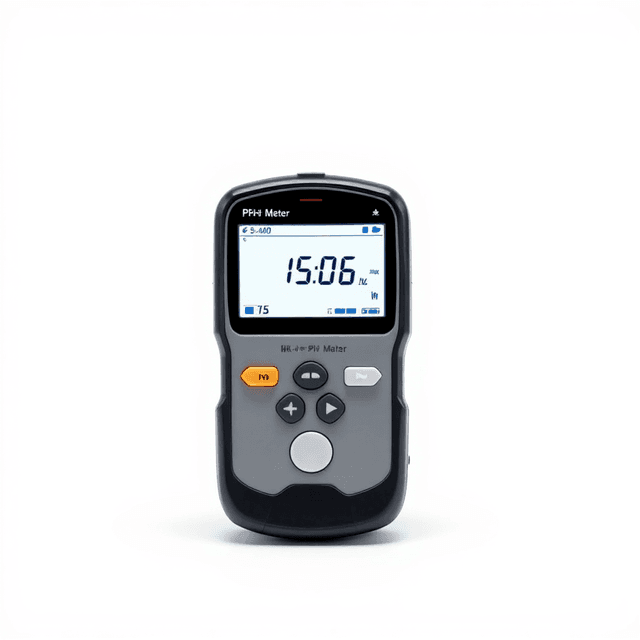
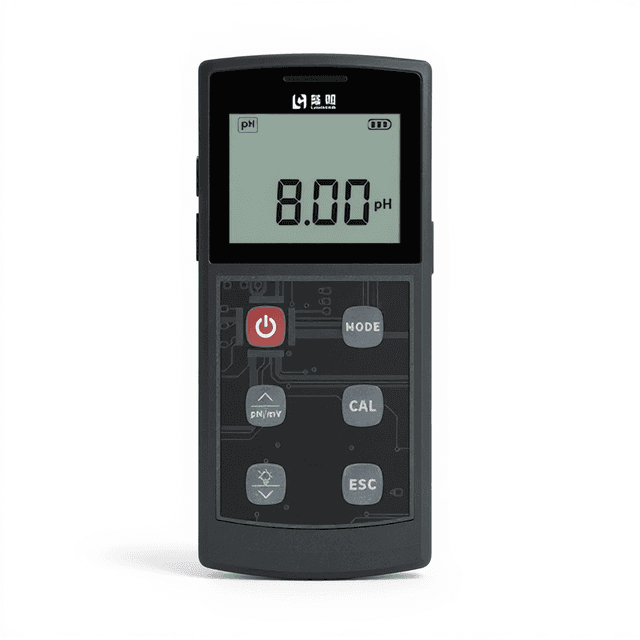
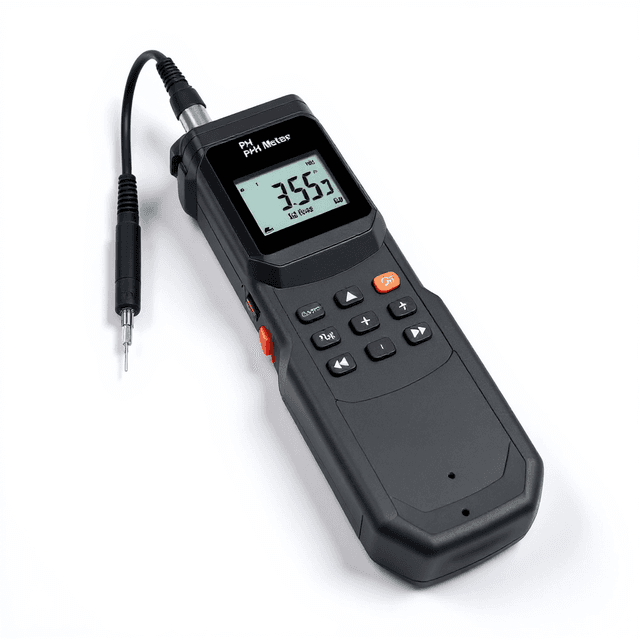
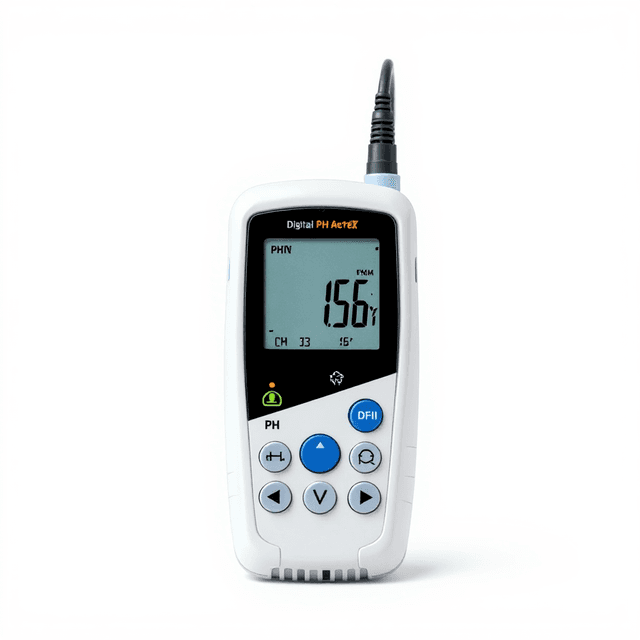
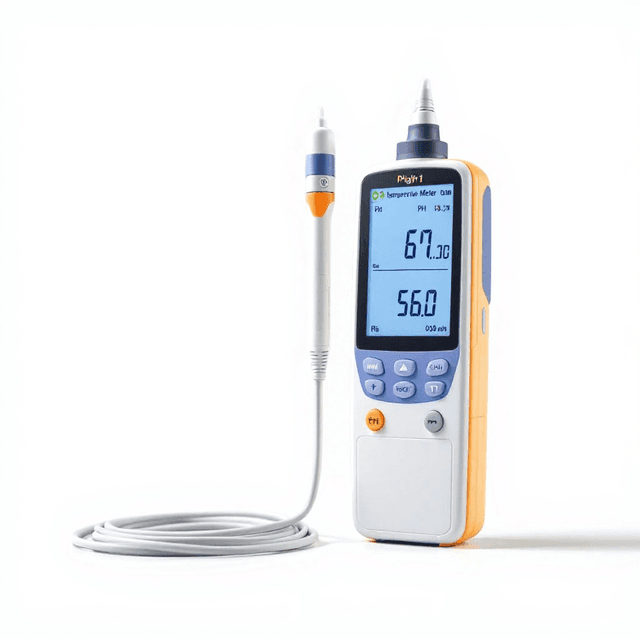
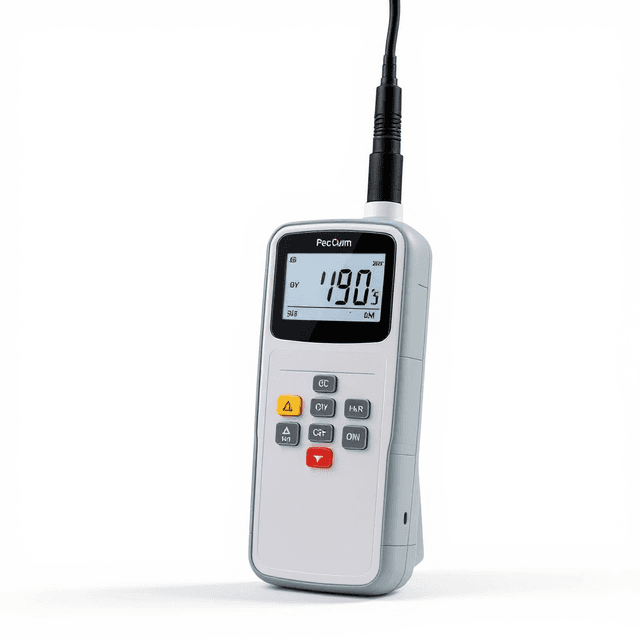
The Rapid Test Soil pH Meter (Model KS-05) provides direct soil pH measurement for agricultural, environmental, and research applications. This portable instrument features a direct insertion probe design that eliminates the need for soil sample preparation or buffer solutions. The device measures both soil pH and moisture content simultaneously, offering researchers a dual-parameter assessment tool for field and laboratory soil analysis.
The instrument operates through direct probe insertion into soil substrates, with measurement capability to 6 cm depth for surface soil characterization. With a pH range of 3-8 and accuracy of ±0.2 pH units, the device supports routine soil monitoring protocols and agricultural soil assessment workflows. The integrated moisture measurement function (10-80% range) provides complementary soil condition data for comprehensive site evaluation.
How It Works
The Rapid Test Soil pH Meter operates using potentiometric pH measurement principles combined with impedance-based moisture sensing. The pH measurement system utilizes a glass electrode probe that develops a voltage potential proportional to the hydrogen ion activity in the soil solution. When inserted into moist soil, the electrode equilibrates with the soil's aqueous phase, generating a measurable potential difference that correlates with pH according to the Nernst equation.
The moisture sensing component employs electrical conductivity measurement between probe electrodes. Soil moisture content affects the electrical path between sensing elements, with higher moisture levels providing increased conductivity. The instrument's calibrated circuitry converts these electrical measurements into moisture percentage readings from 10-80%. The dual-parameter design allows simultaneous assessment of soil chemical and physical properties through a single measurement cycle.
The direct insertion methodology eliminates sample preparation steps typically required for laboratory pH analysis. The 6 cm probe depth provides surface soil characterization suitable for most agricultural and environmental monitoring applications where surface soil conditions are the primary measurement target.
Features & Benefits
Model
- KS-05
Difference
- The depth can be measured:6cmApplicable to surface soil pH measurement
Name
- Qty
Main machine
- 1
User manual
- 1
Automation Level
- manual
Brand
- ConductScience
Research Domain
- Agricultural Research
- Analytical Chemistry
- Environmental Monitoring
- Food Science
- Materials Science
- Microbiology
Shipping weight
- 3.35 lb
Shipping box
- L: 20.0 cm
- W: 10.0 cm
- H: 5.0 cm
| Feature | This Product | Typical Alternative | Advantage |
|---|---|---|---|
| pH Measurement Range | 3-8 pH range | Entry-level models often provide limited ranges of 4-9 pH | Covers the critical acidic range important for agricultural soil assessment and environmental monitoring applications. |
| Measurement Accuracy | ±0.2 pH accuracy | Basic soil testers typically offer ±0.5 pH or lower precision | Provides research-grade accuracy suitable for scientific soil monitoring protocols and quality control applications. |
| Probe Insertion Depth | 6 cm measurement depth | Standard models often limited to 2-4 cm depth | Deeper soil penetration provides more representative surface soil characterization and reduces measurement variability from surface conditions. |
| Dual Parameter Capability | Simultaneous pH and moisture measurement | Many instruments measure pH only | Eliminates need for separate moisture measurement tools and provides comprehensive soil condition assessment in single measurement cycle. |
| Resolution Precision | 0.2 pH resolution | Basic units often provide 0.5 pH or coarser resolution | Enables detection of smaller pH changes relevant for monitoring soil amendment effectiveness and environmental condition tracking. |
The KS-05 combines research-grade pH accuracy with practical field measurement capabilities, offering dual-parameter assessment and deeper soil penetration than typical handheld soil testing instruments. The instrument provides laboratory-quality measurements in a portable format suitable for routine soil monitoring applications.
Practical Tips
Verify accuracy using standard pH buffer solutions before critical measurements or when measurement drift is suspected.
Why: Maintains measurement reliability and identifies when probe replacement or service is needed.
Clean probe thoroughly with distilled water after each use and store with protective cap to prevent electrode contamination.
Why: Prevents soil residue buildup and electrode poisoning that can cause measurement drift and reduced accuracy.
Allow 30-60 seconds for reading stabilization after probe insertion and take multiple measurements at each site for averaging.
Why: Ensures equilibration between electrode and soil solution and reduces measurement variability from soil heterogeneity.
Record soil moisture readings alongside pH values and note environmental conditions during measurement.
Why: Provides context for pH measurements and helps identify factors that may influence reading validity.
If readings appear unstable, check soil moisture levels and ensure probe is making good contact with soil throughout measurement depth.
Why: Inadequate soil moisture or poor probe contact are common sources of measurement error and reading instability.
Inspect probe for cracks or damage before use and avoid measurements in contaminated soils without appropriate personal protective equipment.
Why: Damaged electrodes can provide erroneous readings while contaminated soils may pose health risks during field sampling.
Remove vegetation and surface debris before probe insertion to ensure representative soil measurement.
Why: Surface organic matter and plant material can influence local pH conditions and may not represent underlying soil chemistry.
Setup Guide
What’s in the Box
- Rapid Test Soil pH Meter (Model KS-05)
- User manual
- Protective probe cover (typical)
- Calibration solutions (typical)
- Cleaning cloth (typical)
Warranty
ConductScience provides a standard 1-year manufacturer warranty covering defects in materials and workmanship. Technical support is available for calibration procedures and troubleshooting assistance.
Compliance
References
Background reading relevant to this product:
What is the measurement accuracy and how does it compare to laboratory pH meters?
The instrument provides ±0.2 pH accuracy with 0.2 pH resolution. While less precise than research-grade laboratory pH meters (typically ±0.01 pH), this accuracy is suitable for field screening and routine soil monitoring applications.
How does soil moisture content affect pH measurement reliability?
The device requires adequate soil moisture for proper pH electrode function. The integrated moisture sensor (10-80% range) ensures measurement conditions are within acceptable limits for accurate pH determination.
What is the effective measurement depth and how representative is surface soil pH?
The 6 cm probe depth provides surface soil characterization. For applications requiring deeper soil profile analysis, multiple measurements at different locations may be necessary to assess soil variability.
How frequently does the instrument require calibration?
Calibration frequency depends on usage intensity and accuracy requirements. Consult the user manual for specific calibration protocols and verification procedures using standard pH solutions.
Can this instrument be used for hydroponic solution monitoring?
The device is designed for soil measurement. For hydroponic applications, dedicated solution pH meters with appropriate probe designs are recommended.
What maintenance procedures are required for long-term accuracy?
Regular probe cleaning with distilled water, proper storage conditions, and periodic calibration verification maintain measurement performance. Replace probe components according to manufacturer specifications.
How does this compare to traditional soil pH testing methods?
Provides immediate field results versus laboratory analysis requiring soil sampling, drying, and buffer solution preparation. Trade-off between speed/convenience and ultimate precision of laboratory methods.
Have a question about this product?
Have a question? Just ask.
Send it over and we'll email you a personalized answer — no call, no scheduling.
Prefer to talk it through?