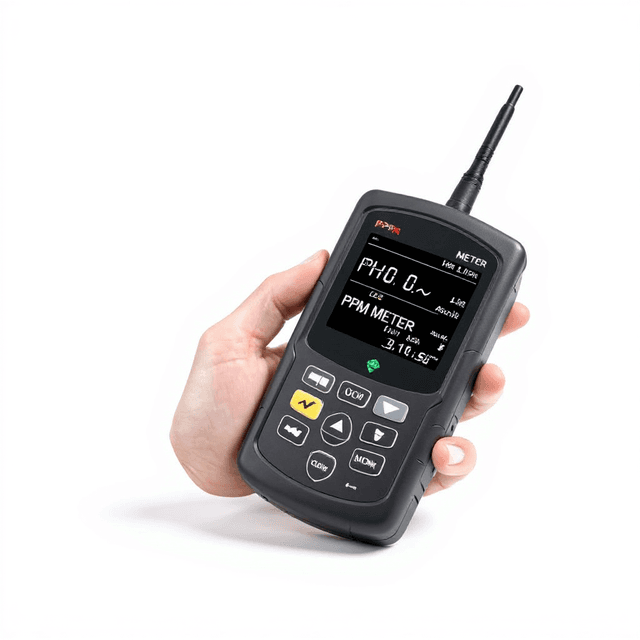
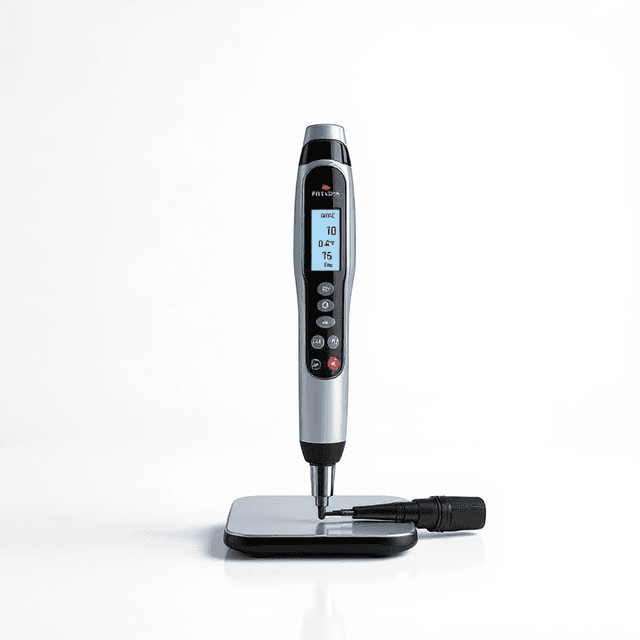
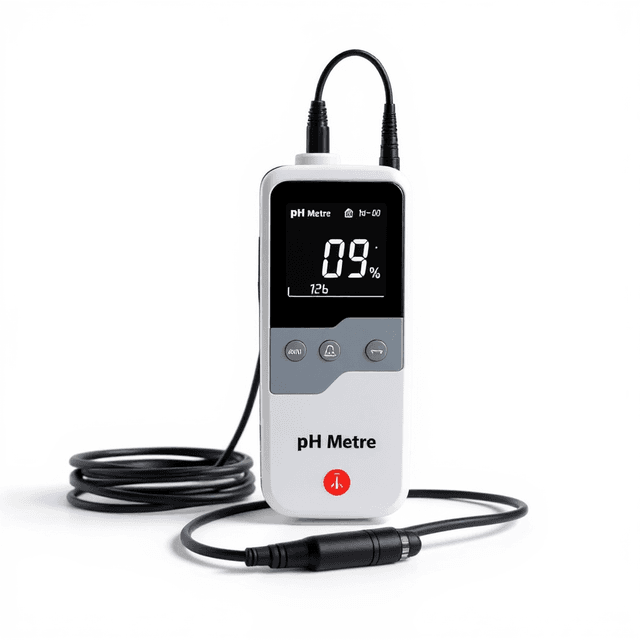
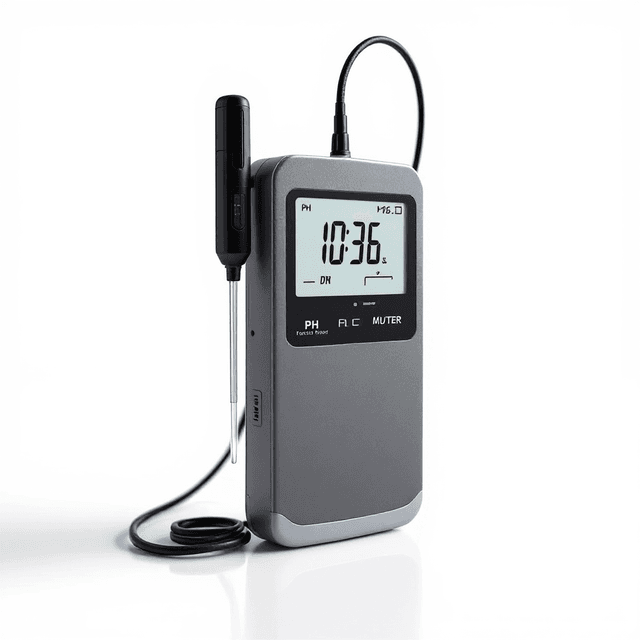
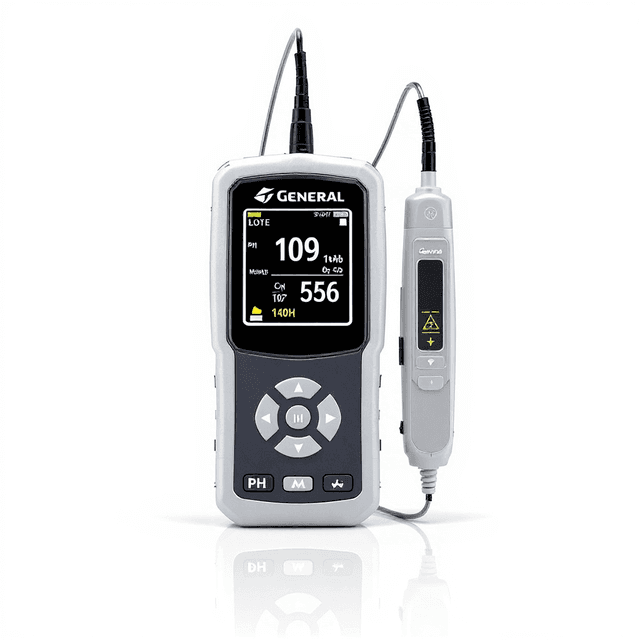
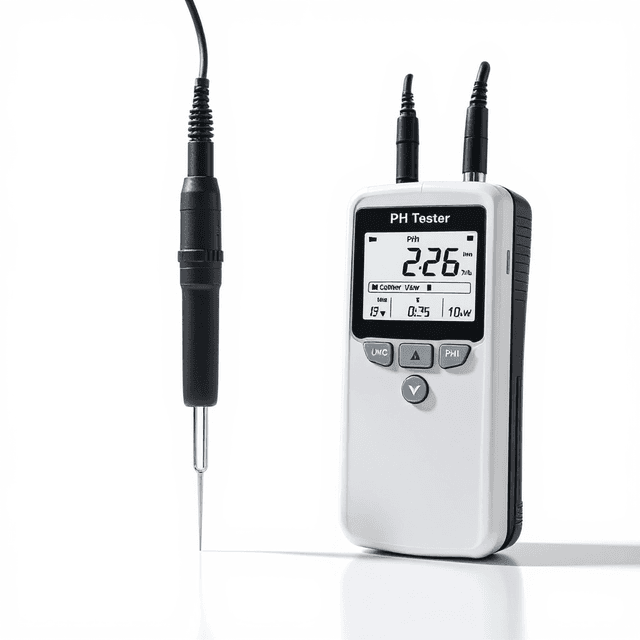
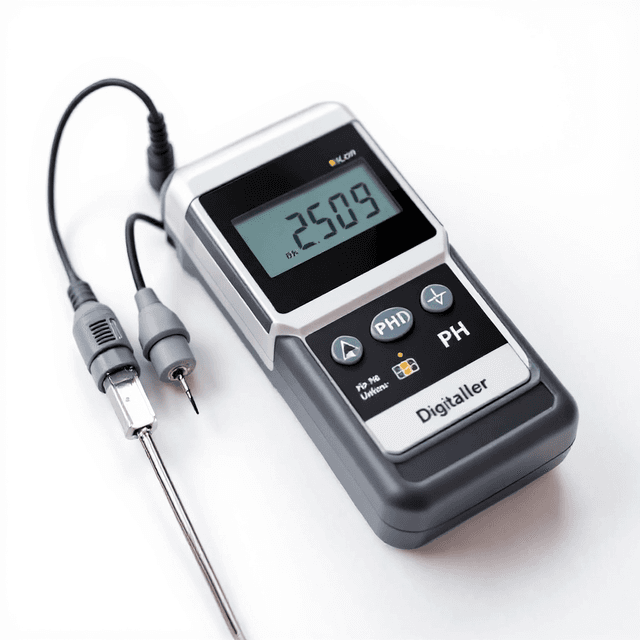
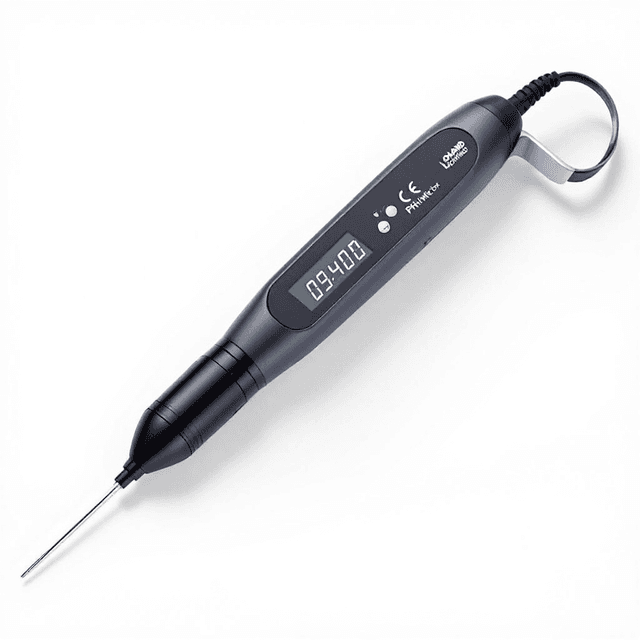
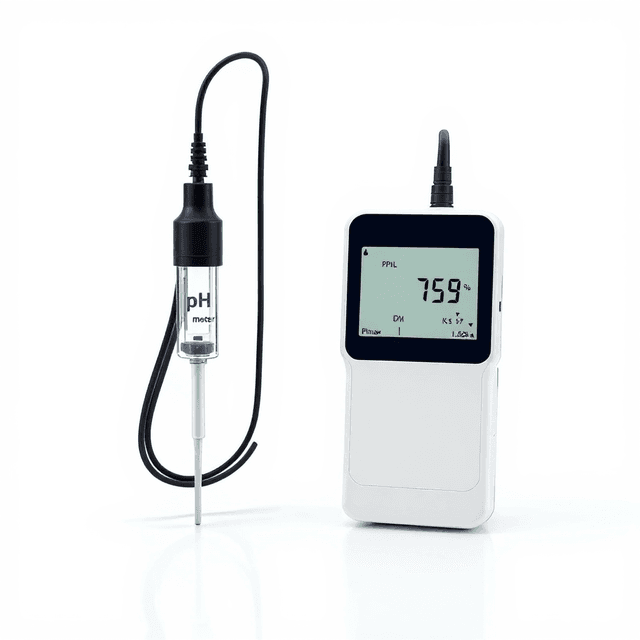
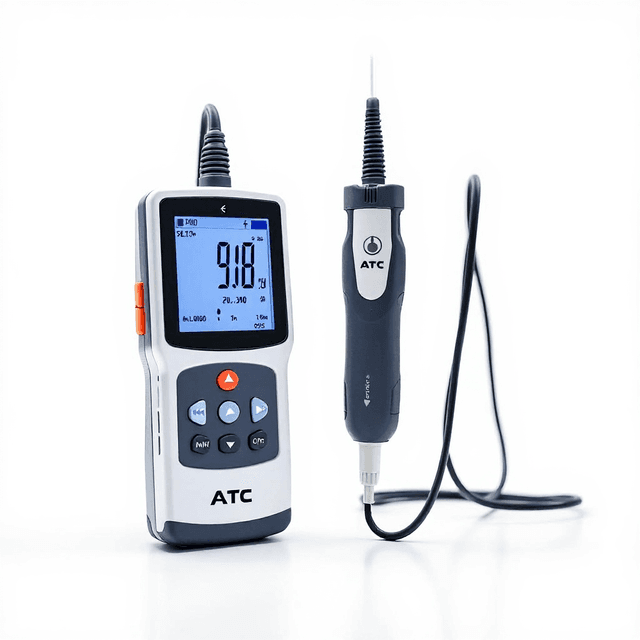
Laboratory pH Tester
Benchtop potentiometric analyzer with replaceable electrode for simultaneous pH, temperature, and ORP measurement with automatic temperature compensation and backlit display.

Louise Corscadden, PhD
Director of Science · ConductScience
Ask Louise about Laboratory pH Tester fit, setup, configuration, or quote prep.
Already working with us? Sign in to connect this with My Scientist.
Key Specifications
Full details →- Model fit
- Configured during quote
- SKU family
- CS-LH-PH-2602
- Shipping box
- 8.19 x 7.87 x 2.99 cm
- Ordering
- Online checkout and quote request available
- Category
- pH Meters
- Build notes
- Confirm accessories, station layout, and support needs before purchase
The ConductScience Laboratory pH Tester (Model PH-2602) is a benchtop potentiometric analyzer designed for simultaneous measurement of pH, temperature, and oxidation-reduction potential (ORP) in aqueous solutions. This instrument employs a replaceable glass-membrane pH electrode with automatic temperature compensation (ATC) across a 0-60°C range, enabling accurate pH determination from 0.00 to 14.00 units with ±0.01 pH accuracy.
The device features a backlit display for enhanced readability in variable lighting conditions and supports both single-point and two-point calibration protocols using standard buffer solutions. With mV measurement capability (±1999 mV range, ±1 mV accuracy), the instrument serves dual roles as both a pH meter and general potentiometric analyzer for research applications requiring precise electrochemical measurements in controlled laboratory environments.
How It Works
The instrument operates on potentiometric principles, measuring the electrical potential difference between a pH-sensitive glass electrode and a stable reference electrode when immersed in solution. The glass membrane selectively responds to hydrogen ion activity, generating a voltage proportional to pH according to the Nernst equation. At 25°C, this relationship yields approximately 59.16 mV per pH unit change.
Automatic temperature compensation corrects for the temperature dependence of the Nernstian response, with the built-in temperature sensor providing real-time thermal data from 0-60°C. The ORP measurement capability utilizes a platinum electrode to assess oxidation-reduction potential, providing insight into the electron-donating or electron-accepting capacity of the solution. Digital signal processing converts the analog electrode potentials to stable, temperature-corrected pH and mV readings displayed on the backlit screen.
Calibration using standard buffer solutions establishes the electrode's response characteristics, with one-point calibration suitable for measurements near the buffer pH and two-point calibration recommended for extended range applications. The replaceable electrode design ensures long-term measurement reliability through periodic electrode renewal when response characteristics deteriorate.
Features & Benefits
Range
- PH:0.00~14.00 mV:0~±1999mV â:0~100â
Research Domain
- Analytical Chemistry
- Environmental Monitoring
- Food Science
- Materials Science
- Microbiology
- Pharmaceutical QC
Model
- PH-2602
Calibration
- 1point or 2point
A T C
- 0~60â
Operating Conditions
- Temperature: 0~60â Humidity: 95% maximum
Automation Level
- manual
Brand
- ConductScience
Accuracy
- PH:±0.01PH mV:±1mV â:±0.4â
Power/Voltage
- DC9V/200mA or Rechargeable battery
Dimensions
- 208Ã200Ã76mm
Weight
- 480g
Shipping weight
- 3.13 lb
Shipping box
- L: 8.19 cm
- W: 7.87 cm
- H: 2.99 cm
| Feature | This Product | Typical Alternative | Advantage |
|---|---|---|---|
| Measurement Parameters | pH, temperature, and ORP simultaneous measurement | Basic models often measure pH only | Provides comprehensive solution characterization without requiring multiple instruments. |
| pH Accuracy | ±0.01 pH accuracy with 0.01 pH resolution | Entry-level meters typically offer ±0.02 pH or lower precision | Supports analytical applications requiring precise pH documentation and control. |
| Temperature Compensation Range | Automatic compensation from 0-60°C with ±0.4°C accuracy | Limited temperature range or manual compensation | Enables accurate measurements across typical laboratory temperature variations. |
| Electrode Design | Replaceable pH electrode system | Fixed electrodes requiring complete unit replacement | Reduces long-term operating costs and maintains measurement quality through electrode renewal. |
| Power Options | DC adapter and rechargeable battery options | Single power source limitation | Supports both benchtop and portable applications for flexible laboratory use. |
| Display Technology | Backlit LCD display | Basic displays without backlighting | Improves readability in variable lighting conditions typical in laboratory environments. |
The PH-2602 combines multi-parameter measurement capability with analytical-grade accuracy in a compact benchtop design. The replaceable electrode system and dual power options provide operational flexibility for diverse laboratory applications.
Practical Tips
Perform two-point calibration using buffers spanning your measurement range, and verify calibration daily for critical applications.
Why: Ensures electrode slope and offset accuracy across the pH range of interest.
Store the pH electrode in proper storage solution (3M KCl) when not in use, never in distilled water.
Why: Maintains reference electrode junction hydration and prevents measurement drift.
Allow electrode to equilibrate for 30-60 seconds in each solution before recording measurements.
Why: Ensures stable readings and improves measurement reproducibility.
If readings drift or response is slow, clean the electrode with mild detergent and verify proper storage solution levels.
Why: Electrode contamination and dehydration are common causes of measurement problems.
Record temperature alongside pH measurements and note any temperature compensation status.
Why: Temperature significantly affects pH values and electrode response characteristics.
Rinse electrodes thoroughly between different sample types, especially when measuring corrosive solutions.
Why: Prevents cross-contamination and protects electrode surfaces from chemical damage.
Use fresh buffer solutions and replace them monthly or when they appear contaminated.
Why: Buffer degradation over time affects calibration accuracy and measurement reliability.
Keep the temperature sensor clean and verify its operation by comparing readings with a reference thermometer.
Why: Temperature sensor accuracy is critical for proper automatic temperature compensation.
Setup Guide
What’s in the Box
- PH-2602 pH meter main unit
- Replaceable pH electrode
- Temperature compensation probe
- DC 9V power adapter
- Rechargeable battery
- User manual and calibration guide
- Standard buffer solution samples (typical)
- Electrode storage solution (typical)
Warranty
ConductScience provides a standard one-year manufacturer warranty covering defects in materials and workmanship, with technical support available for calibration procedures and troubleshooting.
References
Background reading relevant to this product:
What buffer solutions are recommended for calibration?
Standard pH buffers at 4.01, 7.00, and 10.01 are recommended for two-point calibration. Use buffers at measurement temperature and replace monthly for optimal accuracy.
How often should the pH electrode be replaced?
Electrode replacement depends on usage frequency and sample types. Typical lifespan ranges from 6-24 months, with replacement indicated by slow response, drift, or inability to calibrate properly.
Can this instrument measure pH in non-aqueous solutions?
The glass pH electrode is designed for aqueous solutions. Non-aqueous measurements may require specialized electrodes and calibration procedures not included with this instrument.
What is the response time for pH measurements?
Response time varies with solution conditions but typically stabilizes within 30-60 seconds in well-buffered aqueous solutions at room temperature.
How does automatic temperature compensation work?
The built-in temperature sensor corrects the pH reading for temperature-dependent electrode response automatically, following the Nernst equation relationship between temperature and electrode slope.
What maintenance procedures are required?
Regular calibration verification, electrode cleaning with distilled water, proper storage in electrode storage solution, and periodic replacement of reference electrode filling solution maintain optimal performance.
Can the instrument store measurement data?
The product specifications do not indicate data logging capability. Consult the product datasheet for information about data storage or connectivity features.
What is the difference between one-point and two-point calibration?
One-point calibration adjusts offset using a single buffer near the measurement pH. Two-point calibration adjusts both offset and slope, providing better accuracy across wider pH ranges.
Have a question about this product?
Have a question? Just ask.
Send it over and we'll email you a personalized answer — no call, no scheduling.
Prefer to talk it through?